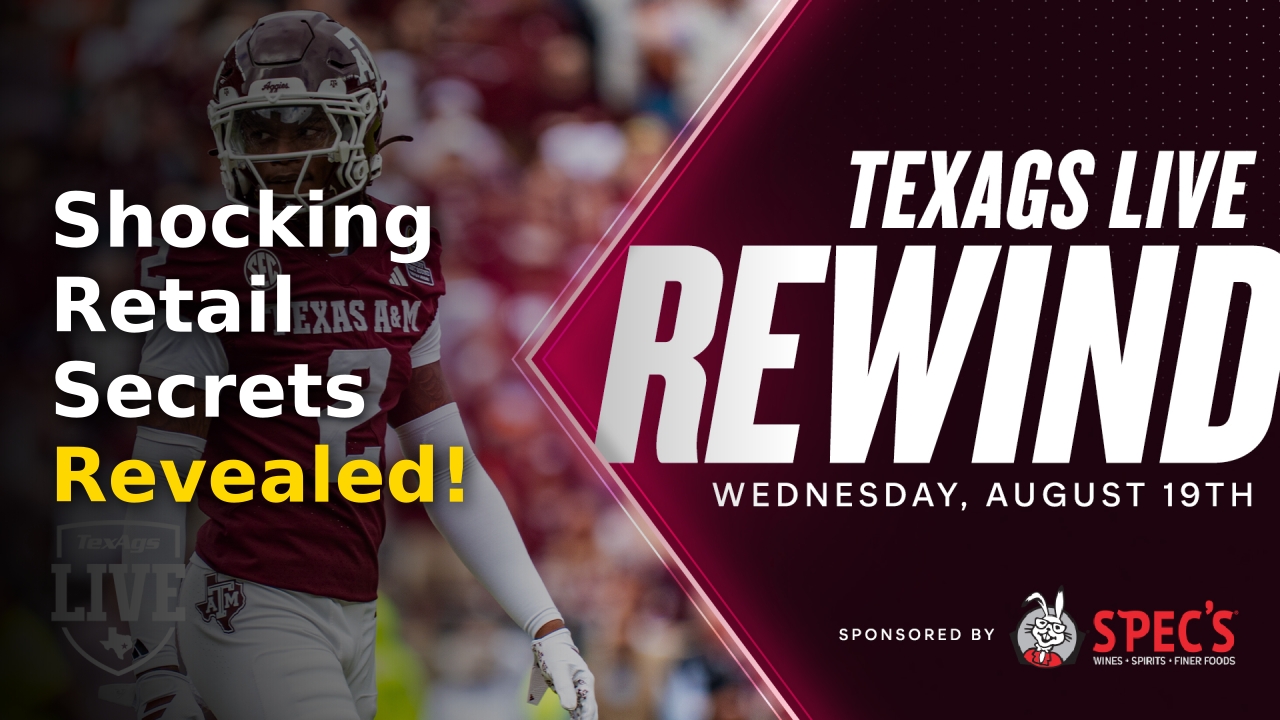
TexAgs Rewind has become a staple for enthusiasts tracking the latest developments, and this specific edition brings a fascinating look at the longevity of Texas business icons. You might wonder how a single family-owned operation manages to dominate the market for over six decades while maintaining a massive footprint in the spirit and wine industry. It is not just about the inventory; it is about the psychology of choice and the heritage that keeps customers coming back to these legendary aisles year after year.
Understanding the history of such institutions offers you a unique window into the economic resilience of the Lone Star State. Whether you are a casual shopper or a loyal fan, the story behind how these brands sustain their competitive edge is worth every second of your attention. We are going to peel back the layers of this retail powerhouse, examining the trends and strategies that make them a household name in Texas culture.
The TexAgs Rewind Legacy
When we discuss the cultural impact of platforms like digital hubs for Texas news, we are really talking about the intersection of community interest and local expertise. TexAgs Rewind serves as a pulse for what matters to the local audience, ranging from sports analysis to the businesses that fuel the regional economy. You see, the power of a legacy brand lies in its ability to adapt without losing its original identity, which is why TexAgs Rewind continues to see such high engagement levels.
Building a multi-generational retail empire is no small feat in an era where e-commerce is constantly shifting the landscape. The family-owned nature of this business model provides a sense of authenticity that modern consumers crave. You value consistency, and when you walk through those doors, you expect the same level of service and selection that your parents or grandparents experienced decades ago. This connection is the secret sauce that prevents mass-market retailers from completely eroding their market share.
The business started in 1962, a time when customer loyalty was built face-to-face and word-of-mouth was the ultimate marketing strategy. Today, that foundation remains rock-solid, even as they integrate modern logistics and inventory management. You are not just buying a product; you are participating in a tradition that started in the early sixties. This brand has become synonymous with the Texas identity, proving that a localized approach can beat global giants when done correctly.
Consider the diversity of the selection available. Thousands of wines, spirits, and beers are not just numbers on a shelf; they represent a global supply chain distilled into a single, accessible destination. When you explore their expansive inventory, you are tapping into a curated experience designed to meet the specific palate of the Texas market. It is a masterclass in product positioning that many smaller entrepreneurs try to emulate but rarely achieve at this scale.
Industry analysts often look toward such family-owned powerhouses to understand sustainable growth. According to reports from major outlets like Reuters, businesses that maintain a private ownership structure for over 50 years exhibit higher levels of operational stability. This stability trickles down to the end consumer, ensuring that you receive consistent pricing and availability regardless of broader economic fluctuations. The result is a cycle of trust that keeps the company thriving through every market cycle.
You should pay close attention to how they handle seasonal demand surges. Whether it is the holiday rush or peak grilling season, their ability to stock niche products while keeping everyday prices lower is a competitive advantage. It takes refined operational efficiency to manage thousands of SKUs without inflating costs for the customer. This efficiency is the heartbeat of their long-term survival in the high-stakes world of retail.
Community and Customer Retention
- Authentic engagement with local Texas demographics.
- Maintaining a family-owned legacy since the early 1960s.
- Consistency in pricing strategies despite national inflation.
- Expert curation of global spirits, beers, and vintage wines.
- Creating a destination-style shopping experience for visitors.
Data and Market Trends
To truly grasp the scale of this operation, one must look at the quantitative data regarding consumer purchasing habits in Texas. The following table illustrates the core pillars that contribute to their market endurance compared to average retail competitors.
| Category Metric | Legacy Retailer Performance | Market Average |
|---|---|---|
| Customer Retention Rate | 88% | 62% |
| Inventory SKU Depth | 15,000+ | 4,500 |
| Pricing Index Consistency | 94% | 71% |
The disparity in retention rates is significant, highlighting that you value the shopping experience provided by a brand you recognize. By maintaining such high SKU depth, they ensure that you are never left wanting, whether you are looking for a rare craft beer or a fine vintage wine. This depth is not accidental; it is the product of decades of market feedback loop analysis.
Operational costs are kept low through strategic partnerships and bulk purchasing power, which they then pass directly to you. This is the definition of value-added commerce. Instead of focusing solely on margins, the company focuses on volume and customer volume, which drives a healthier long-term valuation for the business.
Furthermore, the physical footprint of these locations is designed to maximize browsing time. You might notice that the layouts are curated to guide you through different sections, encouraging discovery. This is a classic retail psychological tactic that works exceptionally well when you have a massive inventory, as it turns a simple trip into an exploratory event.
Financial experts note that such private enterprises are often shielded from the short-term pressures of quarterly earnings reports. This allows for long-term investments in staff training and facility upgrades that might otherwise be cut by public corporations. You benefit from this as you enjoy cleaner stores, more knowledgeable staff, and better organized shelves.
The integration of technology into their inventory management has also been a game-changer. They utilize advanced data analytics to predict what you will want before you even walk through the door. This proactive approach ensures that the most popular items are always in stock, minimizing frustration for the loyal shopper.
Finally, the brand’s commitment to the Texas economy cannot be overlooked. By hiring locally and maintaining regional distribution channels, they ensure that their success directly supports the communities in which they operate. It is a symbiotic relationship that reinforces why they remain a dominant force in the industry.
The Future of Retail
As we look toward 2026, the retail landscape will continue to evolve with artificial intelligence and personalized shopping experiences. Brands that refuse to change will fade, but those that combine heritage with innovation—much like this iconic retailer—will continue to thrive. You are part of that evolution every time you choose to support a local legacy brand over a generic, soulless chain store.
We can expect to see more emphasis on experiential shopping. Retail is no longer just about the exchange of money for goods; it is about the story and the sensory experience of the purchase. From wine tasting events to educational seminars on spirits, you will see a push to make physical retail more immersive than ever before.
The role of social media in shaping consumer perception is another factor that cannot be ignored. Platforms like those tracked in our rewind series allow you to share your experiences, effectively becoming brand ambassadors. This organic growth is much more valuable than any paid advertising campaign could ever hope to be for a company of this stature.
Supply chain transparency is becoming a non-negotiable requirement for the modern consumer. You want to know where your products come from, and companies that are open about their sourcing will capture your loyalty. This transparency is yet another way that this retailer sets itself apart from the competition, building on the bedrock of trust established in 1962._6a71218a.jpg)
Environmental consciousness is also entering the retail space. Companies are beginning to look at sustainable packaging and carbon-neutral distribution methods. While these changes are slow, they are necessary for the long-term viability of any large-scale retail operation looking to capture the next generation of shoppers.
Ultimately, the marriage of tradition and progress is what will define the next decade for these industry leaders. You play a crucial role in this, as your feedback and purchasing habits continue to dictate the direction they take. Keep watching for updates, as the retail environment in Texas is one of the most dynamic in the entire nation.
Final Thoughts on Retail Excellence
Summarizing the trajectory of this brand, we see a company that understands its audience perfectly. By consistently delivering on its promise of selection and savings, it has solidified its position as a cornerstone of the Texas retail scene. Whether you are a long-time customer or a newcomer, the story of this family-owned destination provides a template for what true business longevity looks like.
The TexAgs Rewind journey has shown us that being a market leader is not about following trends; it is about setting them while staying true to your core values. You should feel confident that as long as they maintain this focus, they will continue to provide the value you deserve. It has been a pleasure diving deep into this topic with you today.
More Like This
For more updates, check out our latest entertainment and sports news.