
Stepping into the fast-paced world as a Telemundo intern allows you to experience the intense pressure of Major League Baseball broadcasting firsthand. Have you ever wondered what it feels like to coordinate coverage of a high-stakes matchup between the Los Angeles Dodgers and the Arizona Diamondbacks at Chase Field? You will quickly realize that sports journalism is not just about watching the game from a comfortable luxury suite.
This behind-the-scenes journey highlights the relentless pace, rapid-fire decision-making, and immense dedication required to broadcast to millions of passionate Spanish-speaking households. From setting up heavy camera gear to conducting lightning-fast player interviews, the entry-level experience in modern sports media remains a trial by fire.
Let us dive deep into the specific tasks, emotional highs, and technical wizardry that defined this memorable day in Phoenix, Arizona. You will discover exactly how a massive broadcast network brings the diamond to life under extreme time constraints.
Telemundo Intern Magic
Production Room Chaos
The morning begins long before the first pitch is thrown by the starting pitchers. Inside the bustling production truck parked in the depths of the stadium, a small army of producers, directors, and technical engineers coordinates the night’s visual narrative. You would be amazed at the sheer volume of screens displaying different angles, statistics, and real-time social media updates.
As a fresh team member, you are immediately assigned to assist the lead producer with organizing the pre-game run-of-show documents. Every second of airtime is meticulously scheduled, from the national anthem to the commercial breaks. A single misaligned graphic or delayed video package can disrupt the entire broadcast flow.
The fast-paced atmosphere forces everyone to adapt on the fly. When a sudden roster change is announced just thirty minutes before game time, the production room erupts into a flurry of activity. This chaotic environment is where rookies learn to keep their composure under pressure.
The Interview Zone
Securing exclusive comments from star athletes is one of the most exciting aspects of the job. You help coordinate with team public relations staff to arrange quick interviews near the dugout. The energy in this space is palpable, with photographers and reporters jostling for the best position.
Listening to seasoned sports reporters formulate their questions teaches you the art of active listening. You quickly learn that asking concise, open-ended questions yields the most genuine and dramatic responses from players. It is a masterclass in human psychology and communication.
Once the interviews are captured on tape, they must be rushed back to the editors for immediate translation and subtitling. Precision is key, as any error in translating player quotes can spark controversy across social media channels.
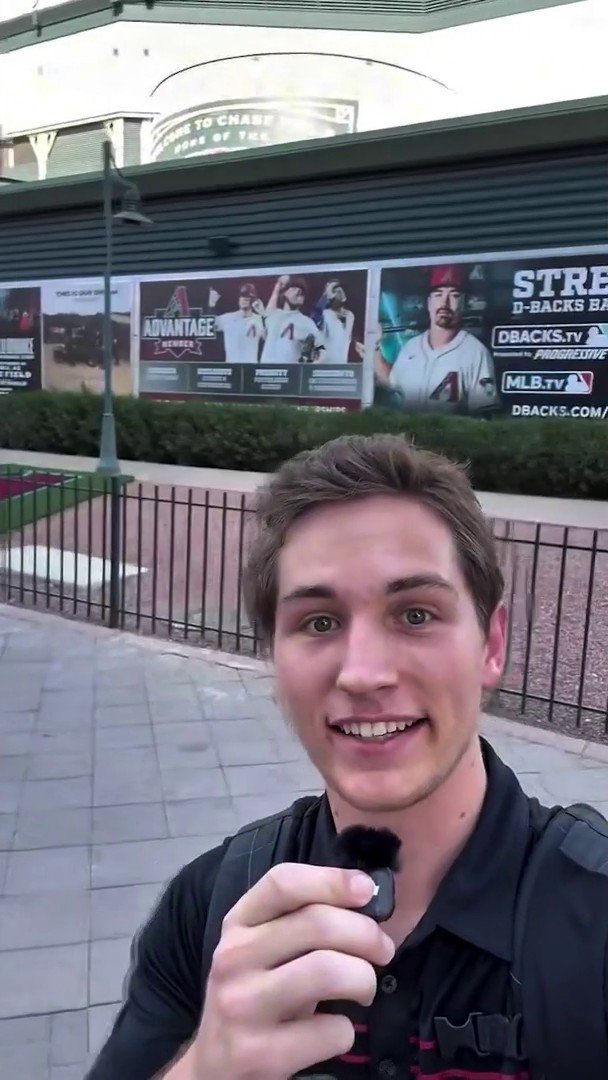
Stadium Production Secrets
The Pre-Game Grind
Before the bright stadium lights illuminate the field, a team must physically deploy miles of high-definition cabling across the venue. As a budding Telemundo intern, this grueling physical labor is often overlooked by viewers watching the polished broadcast from home. You carry tripod stands, locate power outlets, and ensure that backup generators are running smoothly.
Technicians conduct extensive audio checks to ensure the crowd noise does not overpower the play-by-play commentators. Microphones are strategically placed near home plate to capture the satisfying crack of the bat. This attention to acoustic detail creates an immersive auditory experience for fans at home.
Collaborating with veteran camera operators offers invaluable insights into visual storytelling. You learn about framing shots, tracking high-speed baseballs, and anticipating player movements on the field. Every camera angle serves a specific narrative purpose, from capturing raw emotion to analyzing pitch mechanics.
Real-Time Highlight Editing
During the game, editors work tirelessly inside the production truck to cut highlights as they happen. You assist in cataloging specific plays, such as spectacular diving catches or game-changing home runs. This metadata tagging makes it possible for the main anchor to call up specific clips instantly.
The speed at which these clips are prepared is truly remarkable. A crucial play that occurs in the top of the fourth inning must be edited, formatted, and ready for the commercial bumper within minutes. There is absolutely no margin for error during these high-velocity segments.
Witnessing this seamless coordination reveals the true power of teamwork in live television. Each person, from the audio engineer to the graphic designer, must perform their role with absolute precision. This collective effort is what elevates a standard sports broadcast into an award-winning production.
Dodgers vs D-backs Rivalry
The intense matchup between the Los Angeles Dodgers and the Arizona Diamondbacks always guarantees a high-stakes, charged atmosphere. This National League West rivalry has produced legendary moments over the decades, making every single game a must-watch event. For a broadcast crew, this heightened tension translates to massive viewer ratings and an elevated demand for stellar coverage.
Passionate fans from both Southern California and Arizona pack the stands, creating a colorful sea of blue and red. The electric crowd noise provides a dramatic backdrop for the television broadcast, challenging engineers to balance sound levels perfectly. You can feel the stadium structure vibrate when a crucial home run is hit into the deep seats.
As the players take the field, the pressure on the media team intensifies significantly. The Dodgers, known for their star-studded roster and deep financial pockets, bring a massive traveling media contingent. Meanwhile, the Diamondbacks play with a fierce underdog determination that makes them incredibly dangerous opponents.
Tracking the individual player matchups requires extensive preparation and deep sports knowledge. Reporters must be ready to discuss pitching strategies, batter histories, and defensive alignments at a moment’s notice. This rigorous preparation ensures that the analysis provided to the audience is both accurate and engaging.
For the Spanish-speaking audience, the connection to Latin American baseball stars is a central focus of the coverage. Highlight reels often spotlight players who have overcome massive obstacles to reach the major leagues. These inspiring narratives resonate deeply with families watching the Telemundo broadcast across the nation.
The dynamic nature of the game means that storylines can change in an instant. A sudden pitching collapse or a surprising bench-clearing incident requires the broadcast team to pivot their editorial focus immediately. This unpredictability keeps everyone on their toes, from the veteran director to the young production assistant.
Fast-Paced Media Challenges
Overcoming Technical Glitches
No live broadcast goes completely according to plan, and technical difficulties are inevitable. Wireless microphone interference, sudden dropouts in satellite feeds, and equipment overheating are common hazards. When these issues occur, the crew must troubleshoot the problems in real time without alerting the audience.
Learning to maintain a calm exterior during a technical crisis is a crucial skill for any media professional. You observe how senior engineers quickly implement backup plans, switching to alternative camera feeds or running pre-recorded segments. This resilience is what separates elite broadcasting operations from the rest.
These stressful moments serve as the ultimate learning experiences for newcomers. They teach you to think critically, communicate clearly, and remain focused on finding solutions under intense scrutiny. It is an invaluable lesson that cannot be taught in a traditional university classroom.
Navigating Press Credentials
For a Telemundo intern, managing media credentials and stadium access is a logistical challenge that requires constant vigilance. Only authorized personnel are permitted in the dugouts, press boxes, and locker rooms. You help verify that all crew members have the correct passes to avoid major security breaches.
Interacting professionally with security staff, team officials, and rival media outlets is essential. Building positive relationships with these key stakeholders ensures smooth operations throughout the long baseball season. It highlights the importance of emotional intelligence and diplomatic communication in the sports industry.
By managing these administrative tasks efficiently, you allow the on-air talent to focus entirely on their reporting. This supportive role is critical to the overall success of the broadcast, proving that every team member contributes to the final product.
Broadcast Metrics Visualized
To truly understand the scale of a major network production like a Dodgers vs. D-backs broadcast, we must examine the underlying operational metrics. The following data highlights the resources, personnel, and technical infrastructure required to bring a single game to life on your television screen.
| Metric Category | Average Count / Estimate | Operational Impact |
|---|---|---|
| Production Crew Personnel | 75 – 100 staff members | Coordinates cameras, audio, graphics, and direction. |
| High-Definition Cameras | 12 – 18 cameras | Captures angles from the outfield, dugouts, and overhead. |
| Miles of Cable Deployed | 3 – 5 miles | Connects stadium cameras to the main production truck. |
| Real-Time Audio Feeds | 30+ active microphones | Captures ball contact, crowd reactions, and commentary. |
| Pre-Game Prep Time | 6 – 8 hours | Ensures all equipment is calibrated and thoroughly tested. |
These figures demonstrate that a modern sports broadcast is a massive undertaking. The sheer volume of equipment and manpower required is staggering, proving that sports media is a highly complex industry. Every single staff member must work in perfect harmony to deliver a seamless viewing experience to the millions of fans watching at home.
Behind these numbers are real human stories of hard work and passion. For an aspiring media professional, understanding these logistics is the first step toward building a successful career. It highlights the importance of adaptability, technical expertise, and relentless dedication.
As the industry continues to evolve with new technologies like artificial intelligence and remote production, these metrics will undoubtedly shift. However, the core elements of live sports storytelling—passion, excitement, and human drama—will always remain at the center of every broadcast.
By analyzing these operational statistics, we gain a deeper appreciation for the work that goes into our favorite sports programs. It is not just about the players on the field, but also about the dedicated professionals working tirelessly behind the scenes to capture every moment of the action.
Next time you tune in to watch a game, take a moment to consider the incredible effort required to bring those images to your screen. From the cables running through the stadium to the producers making split-second decisions in the truck, it is a truly remarkable feat of engineering and teamwork.
Future Telemundo Intern Success
Building Vital Professional Networks
The relationships you forge during these high-intensity assignments can shape the entire trajectory of your career. Industry veterans are always on the lookout for promising talent who demonstrate a strong work ethic and a willingness to learn. By showing initiative and enthusiasm, a Telemundo intern can build a powerful network of mentors and professional contacts.
Many former interns transition directly into full-time roles within the network upon graduation. These entry-level positions provide a solid foundation for long-term career growth in the media industry. To learn more about how to navigate these competitive landscapes, you can explore exclusive media career paths that offer deeper insights into the entertainment world.
Networking is not just about collecting business cards; it is about building genuine, lasting connections with your peers. Collaborating closely on stressful live broadcasts creates a strong bond among crew members. These relationships often lead to future job opportunities and collaborative projects down the road.
The Path to On-Air Excellence
For those aspiring to step in front of the camera, the internship experience is an invaluable stepping stone. Watching seasoned reporters handle unexpected live situations teaches you how to maintain poise and deliver compelling commentary under pressure. It is a masterclass in public speaking and non-verbal communication.
Many of today’s most recognizable sports anchors began their journeys as humble interns, fetching coffee and organizing scripts. This hands-on experience demystifies the industry and builds the confidence required to succeed on a national stage. It reminds us that every great career begins with a single step.
Ultimately, the journey of a Telemundo intern is a testament to the power of perseverance and dedication. By embracing the challenges of live sports broadcasting, young professionals can unlock exciting opportunities in one of the world’s most dynamic industries. The future of sports media belongs to those who are willing to work hard behind the scenes today.
More Like This
For more updates, check out our latest entertainment and sports news.