Key Takeaways
| Streaming Debut | The three-part docuseries premieres October 22 on Hulu and Disney+. |
| The Core Case | Chronicles the chilling 2017 murder of 24-year-old Sydney Loofe in Nebraska. |
| Occult Elements | Exposes how killer Aubrey Trail ran a digital cult using claims of witchcraft. |
| Legal Sentences | Aubrey Trail received the death penalty; Bailey Boswell received life without parole. |
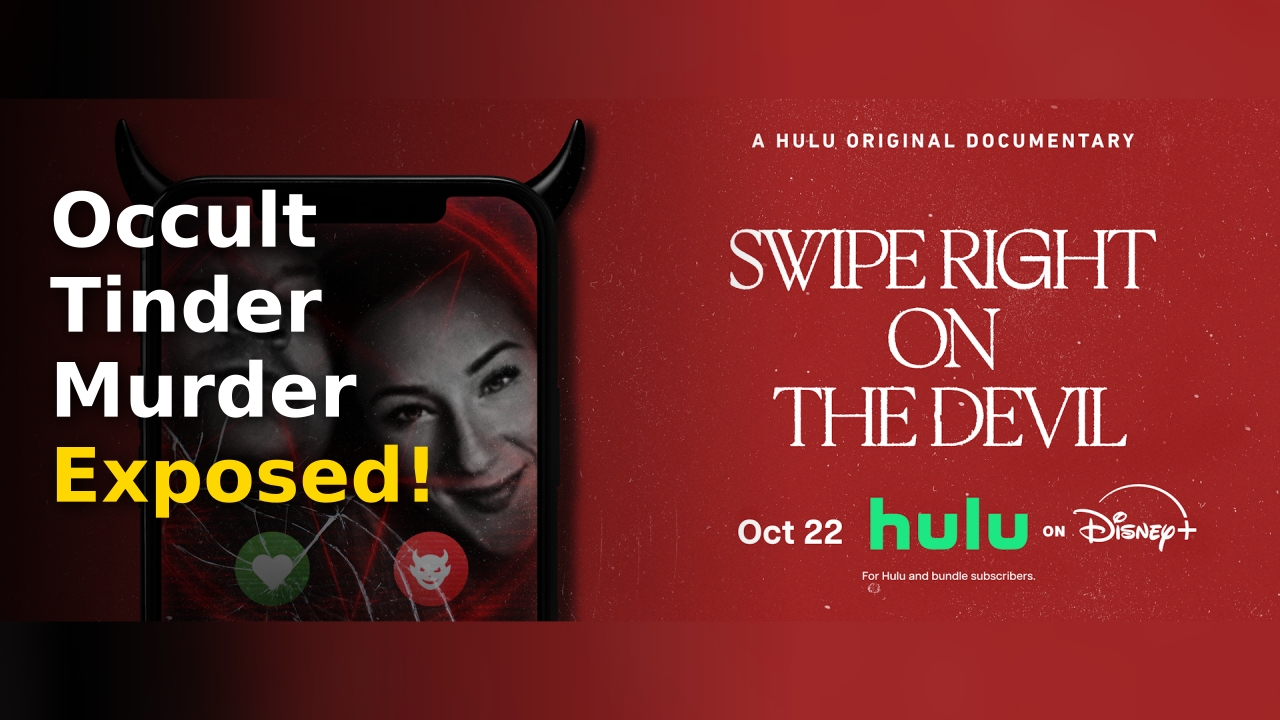
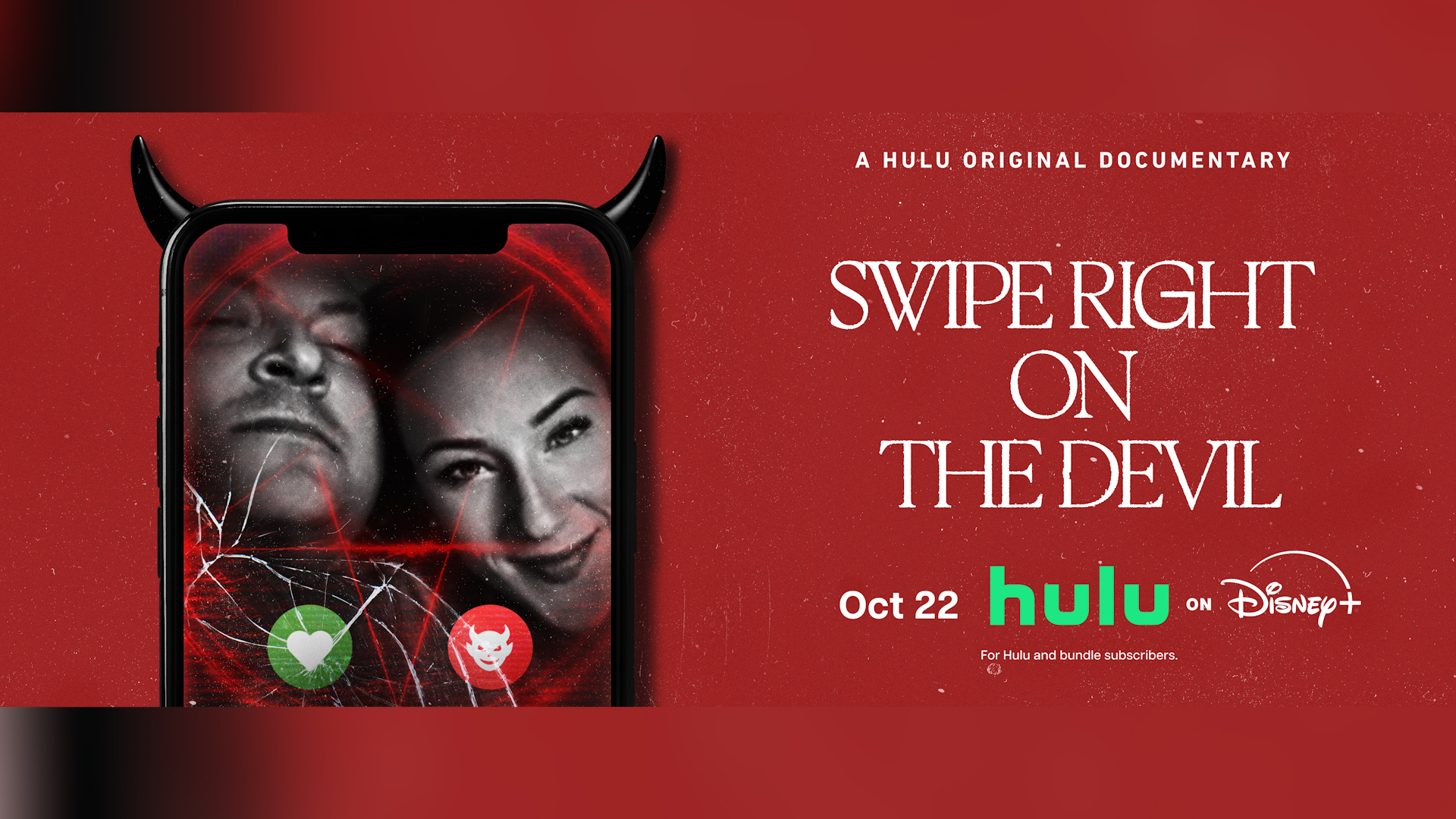
If you think you know the dark extremes of modern online dating, the premier of Swipe Right on the Devil on Hulu will shatter your expectations. You swipe right hoping for a spark, a connection, or even just a pleasant conversation, but for 24-year-old Nebraska resident Sydney Loofe, a routine Tinder match in November 2017 quickly spiraled into a real-life horror story. The unsettling three-part docuseries, slated for release on October 22, meticulously unpacks one of the most bizarre and terrifying murder cases in recent American history, where digital convenience crossed paths with deep occult delusions.
By centering on the tragic disappearance and eventual murder of Sydney Loofe, the docuseries highlights the vulnerabilities of modern digital communication. True crime fanatics who frequent trending streaming entertainment news will find themselves captivated by the sheer depth of deception orchestrated by a duo who manipulated multiple young women under the guise of dark magic. Through archival police interrogations, chilling court testimonies, and exclusive interviews, the series moves past the superficial headlines to present a terrifying cautionary tale for the digital era.
Unmasking Swipe Right on the Devil
To truly comprehend the gravity of the upcoming series, one must look at how the production team reconstructs the bizarre atmosphere of late 2017. The documentary focuses heavily on the weeks surrounding Sydney Loofe’s sudden disappearance, beginning with her final, hopeful Snapchat message to friends stating she was ready for her date. Investigators soon realized they were not dealing with a simple missing person case or a runaway youth, but rather a coordinated trap set by a deeply disturbed couple. The title Swipe Right on the Devil serves as an explicit warning about how easily predators can camouflage their malicious intents behind ordinary digital avatars.
The series shines a spotlight on the two central figures of this tragedy: fifty-one-year-old Aubrey Trail and his twenty-three-year-old girlfriend, Bailey Boswell. Together, this unlikely pair patrolled dating applications to recruit young, vulnerable women into their highly controlled social circle. As search efforts intensified across Nebraska, federal investigators and local police began uncovering a labyrinth of psychological abuse, coercion, and bizarre spiritual beliefs that went far beyond typical criminal partnerships.
Through the course of three extensive episodes, directors and producers guide viewers through the exact evidence that shocked seasoned Federal Bureau of Investigation agents. The docuseries features raw, unfiltered audio recordings and video confessions where Trail boasts about his alleged occult capabilities, including telepathy, flight, and the extraction of human souls. It is this unusual synthesis of modern technology and archaic witchcraft myths that makes the narrative so compelling yet deeply distressing for viewers worldwide.
Psychology of Digital Cults
- Exploitation of Vulnerability: The perpetrators purposefully sought out young women who were experiencing periods of emotional transition, loneliness, or low self-esteem, using dating apps as a hunting ground.
- Spiritual Gaslighting: Aubrey Trail utilized pseudo-spiritual teachings, claiming to be a high-ranking sorcerer who could offer these women protection, community, and supernatural power.
- Gradual Escalation: The victims were slowly introduced to increasingly extreme demands, culminating in the shocking requirement of participating in human sacrifice to prove their loyalty to the coven.
- Social Isolation: By forcing the recruits to sever ties with their families and friends, Trail and Boswell ensured complete reliance on their approval and shelter.
Chronology of the Murder Case
Understanding the sequence of events is crucial to realizing how quickly a seemingly harmless Tinder date escalated into a multi-agency criminal investigation. Below is a detailed timeline of the search, discovery, and legal proceedings that followed Sydney Loofe’s disappearance in late 2017. This structural outline reveals how law enforcement dismantled the complex web of lies spun by Trail and Boswell.
| Date | Key Event | Investigative Impact |
|---|---|---|
| November 15, 2017 | Sydney Loofe goes on her second Tinder date with Bailey Boswell. | This marks the last time Sydney was seen alive by friends or family. |
| November 16, 2017 | Sydney fails to report for her shift at Menards; family files missing report. | Police launch an immediate localized search and begin tracking digital footprints. |
| November 30, 2017 | Aubrey Trail and Bailey Boswell post bizarre self-defense videos online. | The videos draw massive public attention and help federal agents track their location. |
| December 4-5, 2017 | Sydney’s dismembered remains are discovered in rural Clay County. | The search officially transitions from a missing person case to a homicide investigation. |
| July 2019 | Aubrey Trail is convicted of first-degree murder and conspiracy. | The court confirms the premeditated nature of the crime and the cult dynamics. |
| June 2021 | Aubrey Trail is sentenced to death by a three-judge panel. | Trail becomes one of the few individuals on Nebraska’s death row. |

Occult Manipulation and Dark Coven
The dark, psychological underbelly of this case revolves around the bizarre cult-like dynamic established by Aubrey Trail. During the extensive trials in Nebraska, prosecutors presented evidence showing that Trail did not merely operate as a thief or murderer, but as a self-styled cult leader who demanded absolute subservience. He convinced several young women that he possessed ancient magical powers, claiming he could fly and control minds. To maintain authority, Trail enforced a strict regime where the women were required to call him daddy, ask for permission to speak, and endure physical punishment if they violated his arbitrary rules.
The inclusion of witchcraft and black magic was not a mere eccentric hobby; it was the psychological tool used to break down the victims’ cognitive defenses. According to court records and witness testimonies, Trail claimed his coven needed exactly twelve women to achieve peak spiritual power. However, to join the inner sanctum, an initiate had to complete a horrific task: taking a human life and consuming their soul. The docuseries features interviews with survivors who narrowly escaped this trap, detailing the immense pressure they faced to participate in these dark rituals.
This disturbing manipulation culminated on November 15, 2017, when Bailey Boswell targeted Sydney Loofe on Tinder under the alias Audrey. Sydney, an unsuspecting hardware store clerk, believed she was going on a casual date with an attractive young woman. Instead, she was lured directly into the clutches of Trail and Boswell. What happened in the hours following their meeting remains a grim testament to the dangers of online predators who seek out vulnerable targets.
The courtroom proceedings exposed the sheer extent of the trauma inflicted on the women who fell into Trail’s orbit. Several former coven members testified under oath about the bizarre rituals they were forced to perform. These included wearing specific jewelry to ward off evil spirits and participating in group meetings where Trail would detail his plans to murder random victims. The prosecution successfully argued that Sydney Loofe was not the first target, but rather the tragic culmination of a long-running fantasy of human sacrifice.
Expert Take: Cult Dynamics in the Digital Age
Criminal psychologists and cult researchers have noted that the Sydney Loofe case represents a modern, terrifying evolution of coercive control. Historically, cult leaders required physical compounds or geographical isolation to brainwash their followers. In the digital age, however, perpetrators utilize social media, instant messaging, and dating platforms to establish immediate, intimate connections. By combining the hyper-accessibility of Tinder with age-old psychological manipulation techniques, Trail and Boswell created a highly portable, digital cult environment. This allowed them to groom victims from the comfort of their homes, rendering traditional societal safety nets largely ineffective.
The trial itself was filled with dramatic, unsettling moments that will be thoroughly explored in the documentary. At one point during his 2019 trial, Aubrey Trail slashed his own neck in the courtroom, yelling that Bailey was innocent while jurors looked on in horror. Despite these theatrical disruptions, the justice system prevailed. Trail was found guilty of first-degree murder and conspiracy, ultimately receiving a death sentence. Boswell was also convicted of first-degree murder, making her one of the few women in Nebraska history to face the prospect of the death penalty, though she was ultimately sentenced to life in prison without the possibility of parole.
To read more comprehensive breakdowns of similar high-profile trials, readers can check out our dedicated true crime documentary reviews and deep-dives into the psychological profiles of modern serial offenders.
Analyzing the Cyber Forensics
The prosecution of Aubrey Trail and Bailey Boswell hinged heavily on the digital footprints left behind by both the victim and the defendants. In the immediate aftermath of Sydney’s disappearance, her family and local authorities frantically searched her digital profiles for clues. It was her final Snapchat post—showing her smiling, wearing her work uniform, and expressing excitement for her upcoming Tinder date—that provided the critical starting point. Cell phone tower data eventually tracked her device to the small town of Wilber, Nebraska, where Trail and Boswell rented an apartment.
Federal agents soon discovered that the couple had systematically disabled their phones and fled the state shortly after Sydney went missing. During their brief run as fugitives, Trail and Boswell took the unusual step of posting self-defense videos to social media. In these bizarre clips, they defended themselves against rumors, claimed they had nothing to do with Sydney’s disappearance, and criticized the local police department’s investigative methods. These videos, which quickly went viral, only served to intensify public interest and provide prosecutors with further evidence of their erratic behavior and consciousness of guilt.
When authorities finally apprehended the duo in Missouri, the full scale of the tragedy began to unfold. Forensic teams searching the rural roads of Clay County discovered Sydney’s dismembered remains scattered across multiple locations, packed tightly into black plastic garbage bags. The sheer brutality of the disposal method stood in stark contrast to the ordinary, quiet life Sydney had led, emphasizing the sudden and violent nature of her encounter with the occult-obsessed couple. You can find more details on Wikipedia’s detailed record of the Sydney Loofe case, which details the massive multi-state search effort.
The legal battle that followed became a landmark event in Nebraska’s judicial history. Prosecutors meticulously dismantled the defense’s claims that Sydney’s death was the accidental result of a consensual, erotic choking game. Instead, they built a rock-solid case showing premeditation, highlighting how Boswell had purchased tools used in the dismemberment prior to the date. The trial exposed the dark reality of how easily digital spaces can be weaponized by individuals harboring lethal fantasies, cementing the case’s status as a foundational study in modern cyber-forensics. For updates on how this series fits into Hulu’s broader catalog, visit IMDb’s official production page for the series.
For those seeking further analysis on upcoming media releases, head over to our portal for exclusive streaming updates and industry profiles. Our team continues to cover how major streaming networks adapt sensitive real-life tragedies into educational and gripping docuseries format.
People Also Ask
What is Swipe Right on the Devil about?
Swipe Right on the Devil is a three-part Hulu docuseries that details the 2017 murder of Sydney Loofe. It explores how her killers, Aubrey Trail and Bailey Boswell, used Tinder to lure her into a world of psychological manipulation, witchcraft, and murder.
When does Swipe Right on the Devil premiere?
All three episodes of the docuseries will premiere on October 22 on Hulu and Disney+. This simultaneous release allows true crime enthusiasts to stream the entire investigation in one sitting.
What happened to Aubrey Trail and Bailey Boswell?
Aubrey Trail was convicted of first-degree murder and conspiracy in 2019 and sentenced to death in 2021. Bailey Boswell was also convicted of first-degree murder and sentenced to life in prison without parole, narrowly avoiding the death penalty.
How does witchcraft play into the Sydney Loofe case?
Aubrey Trail claimed to lead a witchcraft coven and told multiple young women that they had to participate in a human sacrifice to gain dark spiritual powers. He used these bizarre occult claims as a coercive tool to manipulate his followers and justify the murder of Sydney Loofe.
The Legacy of Sydney Loofe
As Hulu prepares to launch all three episodes of Swipe Right on the Devil on October 22, the true crime community is preparing for a sobering reflection on the intersection of technology, belief systems, and violence. The series does not merely exploit the sensationalist aspects of witchcraft and black magic; instead, it serves as an educational tool detailing the warning signs of online grooming and coercive control. By analyzing how Aubrey Trail and Bailey Boswell exploited dating apps, viewers are encouraged to maintain a high degree of digital vigilance when meeting strangers offline.
Ultimately, the documentary seeks to honor the memory of Sydney Loofe, ensuring that her name is remembered not just as a victim of a horrific crime, but as a vibrant young woman whose life was tragically cut short. Her parents, George and Susie Loofe, have spent the years following her death advocating for increased safety measures on social media platforms and dating applications. Their tireless work serves as a reminder that behind every sensational true-crime documentary lies a real family permanently altered by tragedy.
As you prepare to stream this haunting narrative, the lessons of trust, vulnerability, and personal safety remain more relevant than ever in our hyper-connected world. By peeling back the layers of this modern nightmare, the docuseries provides a chilling but necessary look at the dangers that can hide behind a simple swipe right. Whether you are a casual viewer or a dedicated legal scholar, this production promises to be an unforgettable exploration of modern justice.
More Like This
For more updates, check out our latest entertainment and sports news.