Does midlife existential dread ever truly escape sci-fi icons in deep space? When Star Trek unleashed The Wrath of Khan in 1982, it gave legendary hero Admiral James T. Kirk an unforgettable wake-up call that still echoes across pop culture history.
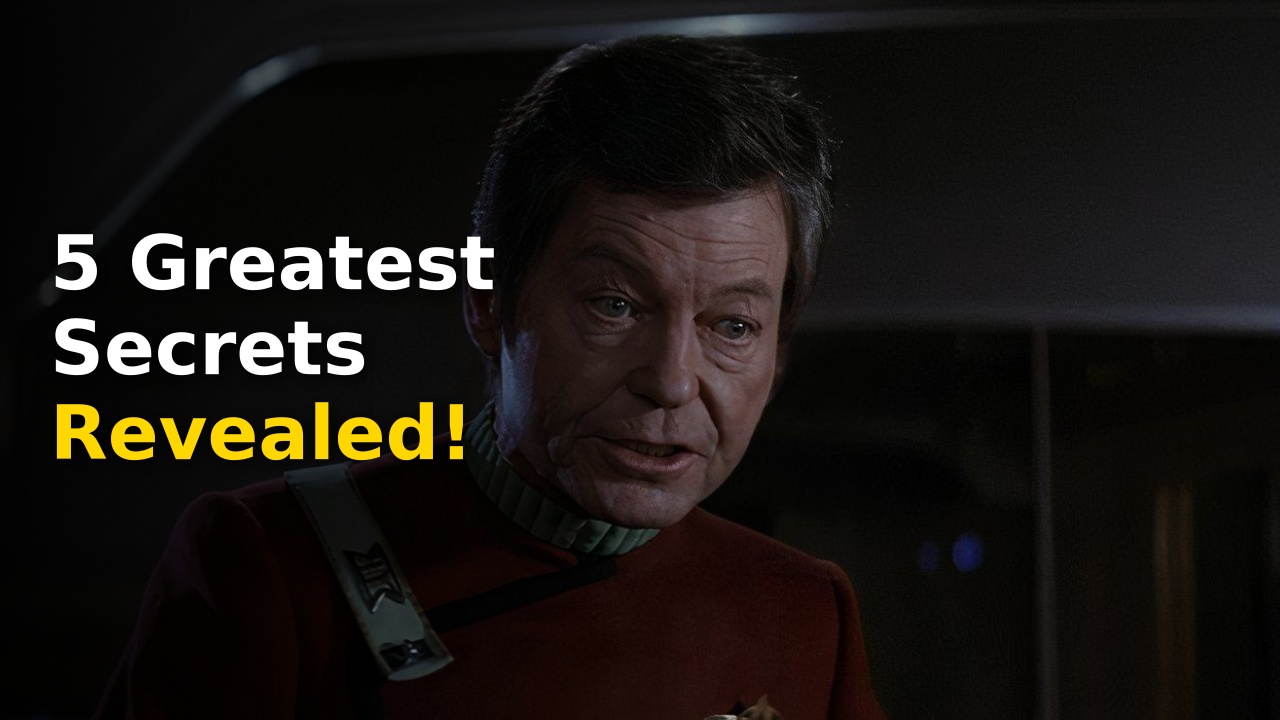
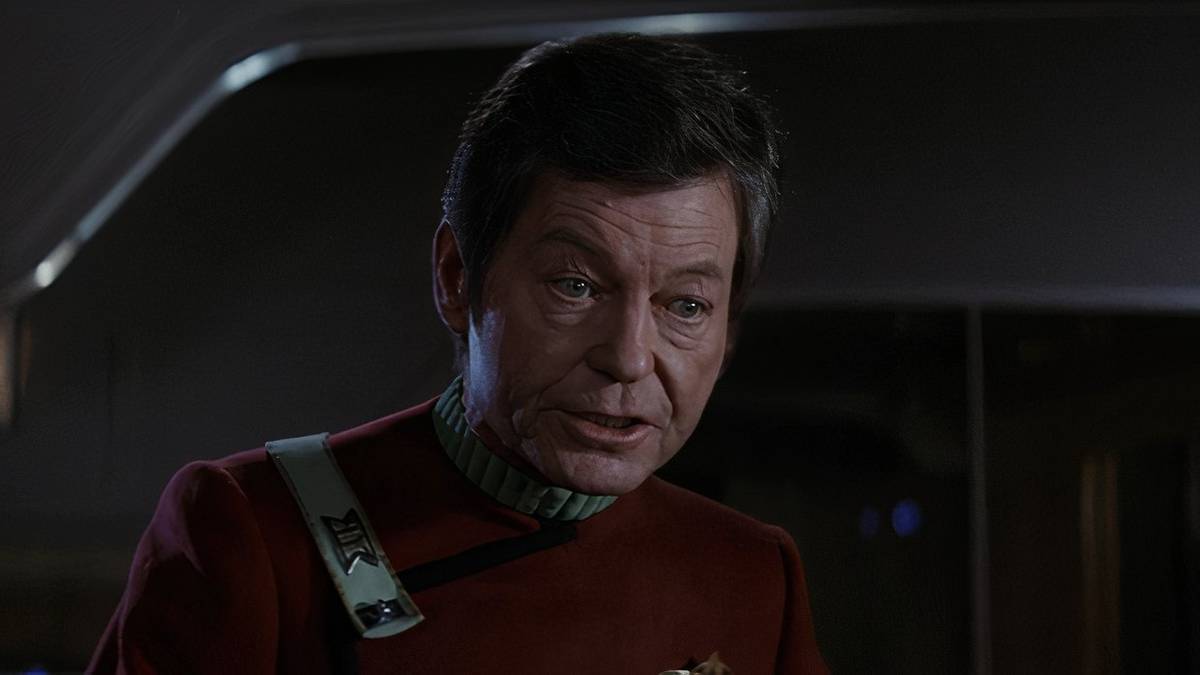
Facing forced retirement behind a cold desk at Starfleet Headquarters in San Francisco, Kirk felt ancient, depressed, and useless. That is until DeForest Kelley‘s beloved character, Dr. Leonard “Bones” McCoy, delivered a searing piece of brutal honesty that changed cinema forever.
McCoy’s iconic line remains the ultimate gold standard for cinematic wisdom. It did not just save James Kirk from terminal depression; it redefined how sci-fi movies explore aging, mortality, and personal purpose.
Star Trek Icons Facing Midlife Crisis
Aging hits everyone hard, even fearless fleet commanders who spent decades battling alien godlike beings. In the 1982 blockbuster hit, James Kirk treats his 52nd birthday like an absolute funeral procession.
William Shatner masterfully portrays an aging legend trapped in soul-crushing Starfleet administrative bureaucracy. Trainees under Leonard Nimoy‘s Captain Spock prepare to take full operational control of the flagship starship USS Enterprise.
Kirk finds himself completely isolated, surrounded by dusty antique relics in his quiet apartment. This sharp contrast highlights his sinking realization that he feels obsolete in a rapidly evolving galaxy.
Dr. McCoy silently observes his dearest friend sliding down a dangerous slope of moping and self-pity. Bones resolutely refuses to let his captain rot away behind endless stacks of paperwork and regulation rulebooks.
The doctor delivers his timeless advice, urging Jim to reclaim his active command before he turns into a museum piece. He passionately warns Kirk that emotional stagnation will transform him into a relic long before his body naturally grows old.
This raw, highly personal moment elevated sci-fi cinema far beyond simple laser fights and flashy spaceships. It anchored the high-concept universe in universal human truths about aging, vulnerability, and regaining one’s identity.
Bones McCoy’s Unfiltered Reality Check
- Direct Medical Intervention: McCoy uses his unique dual role as personal physician and lifelong confidante to bypass military protocol.
- Challenging Ego and Self-Pity: Bones calls out Kirk’s destructive habit of hiding behind rules and moping about inevitable physical aging.
- Reclaiming True Purpose: The doctor insists that true vitality comes from active engagement, risk, and stepping back onto the bridge.
- Unvarnished Truth: McCoy provides a safe, completely non-judgmental space for Kirk to drop his public hero mask.
McCoy served as much more than a chief medical officer aboard starships. He was the vital emotional anchor, moral compass, and trusted counselor Kirk desperately needed during his dark existential crisis.
While Vulcan logic from Leonard Nimoy provided calculated analytical guidance, McCoy brought raw human passion. His blunt candor cut straight through Kirk’s protective armor of ego and creeping despair.

Comparing Classic Sci-Fi Movie Speeches
Sci-fi history features numerous legendary monologues, yet McCoy’s practical advice remains uniquely influential. It perfectly bridges intimate character growth with overarching thematic messages about personal rebirth.
Cinematic analysts frequently compare this pivotal dialogue to other famous character moments across major franchises. Its grounded emotional realism keeps audiences returning decades after its original theatrical debut.
Below is a detailed breakdown evaluating iconic character speeches across legendary Hollywood sci-fi blockbusters.
| Film Title | Character | Core Theme | Box Office | Cultural Impact |
|---|---|---|---|---|
| The Wrath of Khan (1982) | Dr. Leonard McCoy | Aging & Purpose | $97 Million | Franchise Benchmark |
| The Empire Strikes Back (1980) | Yoda | Belief & Mastery | $538 Million | Mythological Gold Standard |
| Blade Runner (1982) | Roy Batty | Mortality & Memory | $41 Million | Neo-Noir Classic |
| The Matrix (1999) | Morpheus | Choice & Perception | $467 Million | Cyberpunk Revolution |
Film fans looking for ongoing entertainment deep-dives can discover more Hollywood entertainment news and star updates through our full media coverage.
Each cinematic moment fulfilled a unique narrative need, but Bones offered a surprisingly practical intervention. His heartfelt words pushed Kirk off the emotional sidelines and right back into active living.
This iconic scene proved that enduring sci-fi greatness relies on believable character relationships rather than massive digital explosions or futuristic gadgets.
The Holy Trinity of Deep Space
At the fundamental core of the original franchise sits the unbeatable dynamic between Kirk, Spock, and McCoy. Their legendary friendship provided the emotional heartbeat that kept millions of viewers engaged across multiple decades.
McCoy possessed a rare operational privilege among Starfleet officers. He could openly challenge the commanding officer’s decisions, psychological health, and rash impulses without fear of formal court-martial.
Spock provided unyielding logical reasoning, while Kirk balanced instinct and executive leadership. McCoy consistently provided the compassionate human heart and sharp moral vigilance required to keep the crew ethically centered.
Both Spock and McCoy recognized Kirk’s internal suffering during his quiet midlife depression independently. Spock quietly admitted in a separate candid moment that accepting an admiral promotion was a grave career error for Jim.
Together, the duo gently guided their captain back toward his true cosmic destiny. Exploring strange new worlds was never merely a job for James Kirk; it was his fundamental life force.
Archival movie production records documented on Wikipedia detail how director Nicholas Meyer prioritized character-driven drama to revitalize the franchise in 1982.

Khan Noonien Singh and Dark Mirrors
Ricardo Montalbán delivered a mesmerizing performance as the ultimate galactic villain, Khan Noonien Singh. Khan represented a terrifying, dark mirror image of Kirk’s own unresolved past mistakes.
While Kirk allowed McCoy’s tough love to reignite his passion for life, Khan chose bitter destruction. Consumed by toxic grief, Khan let his lingering grievances morph into a total psychological obsession.
Khan blamed Kirk exclusively for his tragic personal losses instead of accepting responsibility for his past choices. This blinding hatred ultimately destroyed his crew and dragged him down into absolute ruin.
In stark contrast, Kirk learned to accept his own mortality and adapt to changing circumstances. McCoy’s timely intervention served as the vital spark allowing Kirk to overcome his regrets.
Facing the deadly no-win scenario against Khan forced Kirk to grow into a wiser leader. He discovered that how one confronts daily life is just as critical as how one faces death.
As the brand-new Genesis Planet formed amidst cosmic space dust, Kirk finally felt young again. McCoy’s initial push restored the captain’s spirit at the exact moment the universe needed him most.

Enduring Legacy Across Future Generations
The powerful thematic impact of McCoy’s intervention extended far beyond the events of 1982. Decades later, Kirk passed this exact wisdom down to Captain Jean-Luc Picard in Star Trek: Generations.
Advising Picard never to accept promotions or leave the bridge of the Enterprise, Kirk echoed the lessons Bones taught him. The immortal advice transformed into an enduring philosophy across the entire storytelling lore.
It demonstrated to audiences worldwide that age is merely a mental construct rather than an inescapable prison. True leadership requires active engagement, personal courage, and surrounding oneself with honest friends who tell the hard truth.
Moviegoers continue returning to this foundational scene whenever they seek motivation during major life transitions. McCoy’s plainspoken medical advice easily transcends space fantasy to offer genuine real-world wisdom.
DeForest Kelley created an indelible screen performance that cemented Bones McCoy as pop culture’s ultimate therapist and loyal friend. His brilliant delivery remains a masterclass in dialogue execution.
While modern blockbuster films often rely heavily on chaotic digital visual effects, this quiet conversational moment highlights the timeless power of great screenwriting and human connection.
Final Thoughts on Star Trek Legacy
Deep thematic substance is what elevates timeless cinema far above disposable summer entertainment. The unforgettable exchange between Bones and Kirk remains an absolute gold standard in speculative fiction storytelling.
By pushing his friend to abandon administrative safety, McCoy saved Kirk’s soul and safeguarded Starfleet’s ultimate future. The legendary dynamic of this crew guarantees that Star Trek will continue inspiring generations of fans for decades to come.
The next time you feel stuck in an unfulfilling routine, remember Dr. McCoy’s iconic advice, stop hiding behind excuses, and step boldly back into command of your own destiny.
More Like This
For more updates, check out our latest entertainment and sports news.