Key Takeaways
| Production Potential: Brannon Braga believes Star Trek: The Next Generation had at least three more seasons of high-quality content left. |
| Financial Drivers: Paramount executives prioritized syndication volume and film box office returns over continued series longevity. |
| Cast Frustration: Actors like Jonathan Frakes were vocal about their desire for the series to continue despite studio interference. |
| Historical Pattern: The move mirrors the early cancellation patterns seen in the original 1960s series and Star Trek: Enterprise. |
Star Trek TNG canceled too soon is a sentiment that has haunted the science fiction community for decades, and now, veteran writer Brannon Braga is adding fuel to the fire. You might be surprised to learn that despite seven successful seasons, the legendary series could have easily run until its tenth season without sacrificing quality or narrative depth. According to Braga, the decision was purely a corporate maneuver that ignored the immense cultural impact of the Enterprise-D crew.
As a foundational pillar of pop culture history, Star Trek: The Next Generation redefined how television audiences consumed space-based storytelling. While modern streaming platforms fight for content volume, Paramount’s mid-90s leadership viewed seven seasons as the perfect threshold for a lucrative syndication package. This business-first mentality, however, disregarded the creative momentum that Braga and his writing room had maintained for years.
Understanding Why Star Trek TNG Canceled Too Soon
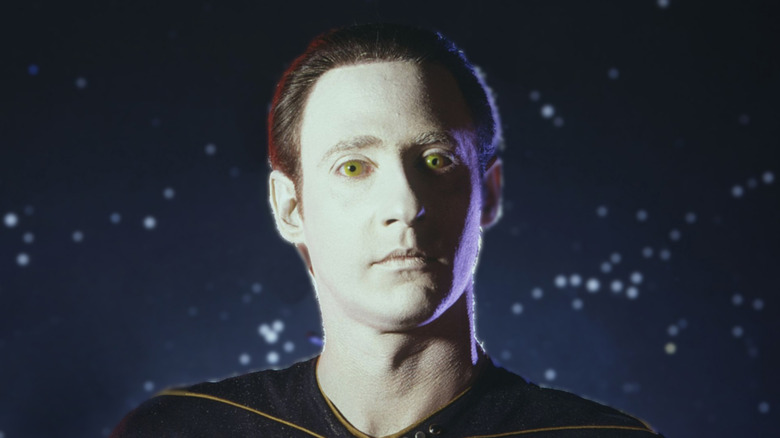
The narrative that the show was running out of steam is categorically false, according to internal accounts from the production team. Executives at Paramount were fixated on the looming transition from television to the silver screen, fearing that concurrent series production would cannibalize box office earnings for their feature film plans. Jonathan Frakes, who brought Commander William Riker to life, noted in 1994 that many cast members held onto hope for a reprieve right up until the final cameras stopped rolling.
The financial pressure came down to the rising costs of an experienced cast and the desire to maximize syndication revenue. Paramount leadership felt that 178 episodes represented the “sweet spot” for television reruns, ignoring the fact that the show remained a top-tier performer in viewership ratings. This strategic blunder cost fans three years of untold stories involving the iconic crew members that define the Star Trek franchise even in 2026.
The Executive Disconnect
Studio leadership, including figures like Mel Harris, often claimed that nobody cared about the franchise as much as Paramount did. However, historical performance data suggests that the studio frequently misread the long-term value of the brand in favor of short-term quarterly gains. This lack of foresight was not an isolated incident, as the franchise would later face similar premature endings with Star Trek: Enterprise.
The Numbers Behind The Cancellation
| Metric | Status |
|---|---|
| Total Seasons | 7 |
| Planned Seasons | 10+ |
| Cast Contract | 8 Seasons |
| Primary Reason | Syndication Strategy |
Expert Analysis And Historical Parallels
When analyzing the trajectory of Star Trek, we find a recurring theme of executive mismanagement. The 1969 cancellation of the original series remains the industry’s most infamous case of poor time-slot management. By pushing the show into the “death slot” on Friday nights, NBC ensured its demise, much like how Paramount’s movie-focused strategy hamstrung The Next Generation. For a deep dive into the business of Hollywood, check out Forbes’ analysis of media conglomerates.
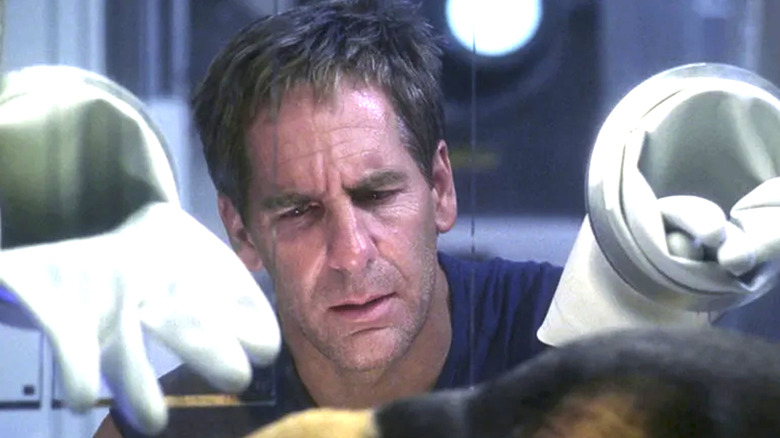
The Enterprise cancellation adds another layer to the discussion of how studio turnover impacts long-running IPs. Braga has frequently noted that Enterprise was hitting its stride just as management changed, leading to the appointment of individuals who did not possess the specific brand knowledge required to sustain the show’s vision. This constant churn of leadership and lack of respect for creative continuity has been a source of fan frustration for decades, creating a chasm between the audience and the boardrooms.
People Also Ask
Why was Star Trek: The Next Generation actually canceled?
Paramount opted to cancel the series to maximize syndication revenue and shift focus toward producing theatrical films starring the television cast, fearing that concurrent television production would hurt box office appeal.
What did Brannon Braga say about the cancellation?
Braga recently stated in a 2026 interview that the show was at the height of its popularity and could have easily run for three more seasons if not for business decisions.
How did the TNG cast feel about the show ending?
Cast members, including Jonathan Frakes, were notably unhappy with the cancellation, expressing a desire for the show to continue and criticizing the studio’s refusal to keep the series running.
Is Star Trek TNG considered a high-performing series?
Yes, it consistently ranks as one of the best iterations of the franchise and was an incredibly strong performer in ratings during its final season.
Reflecting On The Legacy
While we cannot change the past, looking back at the premature conclusion of The Next Generation offers a stark lesson in how corporate interests can stifle legendary creative works. The belief that Star Trek TNG canceled too soon continues to spark debates among Trekkies on Wikipedia and social media, highlighting the enduring power of the characters and the stories that might have been. As industry trends in 2026 continue to shift, perhaps current studios will look at these historical missteps and prioritize artistic longevity over rigid, spreadsheet-driven exit strategies.
More Like This
For more updates, check out our latest entertainment and sports news.