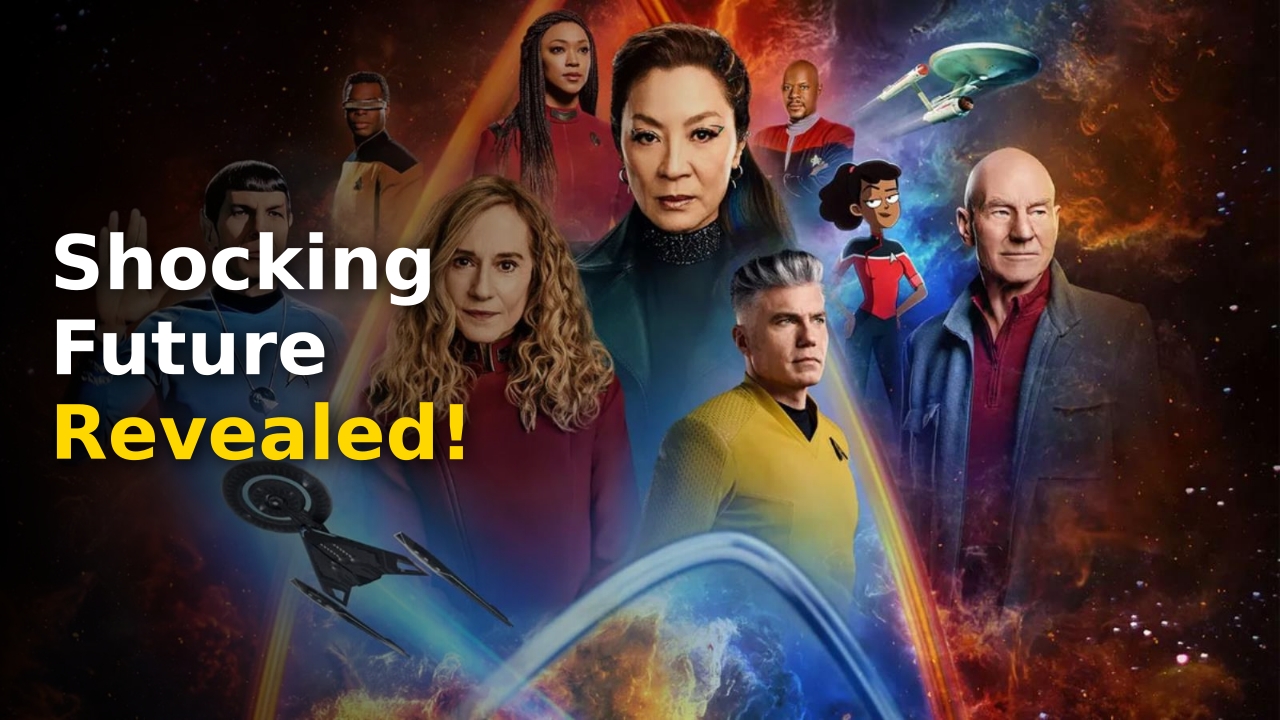
Have you ever wondered if Star Trek can survive the current streaming apocalypse? With major shows wrapping up their runs and no new live-action projects greenlit, you might feel like the final frontier is closing for good.
However, top-tier executives at Paramount+ are working behind closed doors to orchestrate a massive comeback. They are quietly speaking with a small army of screenwriters to map out the next phase of this cosmic empire.
This makes the future of Star Trek more uncertain than ever. But it also presents an incredibly exciting blank canvas for creative minds who want to leave their mark on galactic history.
Rebuilding the Star Trek Legacy
The executives at Paramount+ are actively fighting to save the Star Trek brand. According to Jane Wiseman, the streaming platform’s Executive Vice President of Originals, the company is determined to find the next great concept. She revealed that they are collaborating closely with CBS Studios to develop fresh ideas.
This means your favorite stellar universe is not being abandoned anytime soon. The studio remains fully dedicated to its long-term survival. You are witnessing a shift in how modern sci-fi is produced.
The decision to bring in veteran industry leaders shows a deep respect for the franchise’s history. By taking their time, executives hope to recapture the magical storytelling of the legendary science fiction franchise created by Gene Roddenberry. This careful planning could prevent the franchise from fading into obscurity.
Recruiting Elite Hollywood Writers
- Paramount+ is actively hosting brainstorm sessions with established television showrunners.
- The creative team is exploring both live-action dramas and animated concepts.
- Executive Chris Parnell is leading the charge as the resident superfan in the front office.
- The goal is to build a cohesive narrative structure that spans multiple media platforms.
The studio wants to avoid rushing a mediocre product onto the screen. You can expect a more deliberate, high-quality approach to production in the coming years. This shift in production philosophy aims to protect the integrity of the universe.
By engaging with a diverse group of writers, the studio hopes to bring fresh perspectives to the narrative. They are looking for voices that can balance classic political allegories with modern character development. This balance is key to keeping the show relevant for today’s audience.
Navigating Franchise Fatigue
- Audiences have voiced concerns about the overwhelming amount of spin-offs in recent years.
- Managing multiple timelines has occasionally alienated casual viewers.
- Streamers are now prioritizing quality over sheer quantity.
- A temporary hiatus might actually boost anticipation for future releases.
With several projects ending, Star Trek needs a fresh narrative direction. The creative minds behind the scenes are well aware of this challenge. They are analyzing viewer data to see which themes resonate most strongly with modern audiences.
This analytical approach will shape the next generation of space exploration. By studying these trends, they can avoid repeating past narrative mistakes. You can see how this strategy mimics the successful pauses of other massive media empires.
Instead of flooding the market with endless content, they are building demand. This patience could ultimately save the franchise from burning out completely.

Five Crucial Turning Points
The television landscape is shifting beneath our feet, forcing legacy brands to adapt. First, the industry-wide push for streaming profitability has changed how budgets are allocated. High-concept science fiction shows require massive financial investments that are harder to justify today.
Second, the recent corporate merger between Paramount and Skydance has triggered a complete internal reset. This restructuring means every single project must prove its financial viability before receiving a green light. The corporate restructuring has slowed down Star Trek development. However, it also ensures that only the strongest concepts make it to production.
Third, the natural lifecycle of current shows is reaching its conclusion. With the beloved Strange New Worlds ending after season five and Starfleet Academy wrapping up, a natural gap in the schedule has appeared. This gap provides the perfect opportunity for a creative reboot.
Fourth, audience demographics are shifting rapidly, demanding a new approach to storytelling. Younger viewers consume media differently, often preferring shorter, high-impact seasons over traditional twenty-episode runs. The next phase of development must address these changing consumer habits head-on.
Fifth, the global entertainment market has become highly competitive, with multiple streaming services fighting for the same sci-fi audience. To stand out, any new project must offer something truly unique and spectacular. Simply relying on brand recognition is no longer enough to guarantee success.
The Creative Leadership Shift
- Alex Kurtzman has served as the chief architect of the modern television library.
- Rumors of creative shifts have left fans questioning who will hold the reins next.
- New creative voices could inject much-needed novelty into the classic lore.
- Chris Parnell brings fresh executive experience from his time at Apple TV+.
You deserve stories that push boundaries while respecting the established canon. The transition of leadership could provide exactly that balance. It allows the studio to pivot away from repetitive tropes and explore uncharted narrative territory.
As these corporate pieces move, you can keep up with latest updates on your favorite stars to see who lands these coveted roles. The casting decisions will be crucial for the next series. A charismatic lead actor can elevate a sci-fi show from good to legendary.
The Upcoming Cinematic Revival
- Jonathan Goldstein and John Francis Daley are officially writing a new feature film.
- The movie project is set further in the future than any previous installment.
- This big-screen venture is being developed in tandem with Paramount Pictures.
- The cinematic release could serve as a springboard for future television spin-offs.
Fans expect any new Star Trek project to respect established lore. This film could bridge the gap between casual moviegoers and hardcore television fans. By exploring uncharted eras of the timeline, the writers have complete creative freedom.
This bold strategy could redefine the visual identity of the entire brand. It allows them to build a highly distinct aesthetic from scratch. The cinematic team is working in close communication with the television division to avoid conflicting storylines.
This level of corporate synergy is unprecedented in the franchise’s history. It ensures a smooth, interconnected universe for you to enjoy across all screens.
Analyzing the Corporate Strategy
Paramount+ is no longer greenlighting projects simply to fill a streaming catalog. The company is examining user engagement metrics with unprecedented scrutiny. They want to ensure that Star Trek remains a premium television property.
This means smaller budgets might be allocated to highly focused, character-driven narratives. This targeted spending will maximize the artistic impact of every dollar. By moving away from constant galaxy-ending threats, the writers can focus on deep philosophical dilemmas.
This return to intellectual storytelling could win back lapsed viewers. It also keeps production costs manageable in an era of strict financial discipline. You will likely see a reduction in the number of concurrent shows, focusing all resources on one flagship project at a time.
This concentration of talent and money usually results in superior production quality. It is a classic case of doing more with less.
The Streaming Era Economy
- Production costs for premium science fiction have skyrocketed past fifteen million dollars per episode.
- Licensing deals with international broadcasters are becoming harder to secure.
- Subscription retention is now the primary metric of success for Paramount+.
- Fan conventions and merchandise sales continue to provide strong secondary revenue.
The financial reality of television production has changed drastically since 2024. Studios must find ways to produce stunning visual effects without bankrupting the studio. This economic pressure forces writers to be more creative with their scenarios.
We must analyze how Star Trek performs compared to rival sci-fi brands. This context explains why executives are being so incredibly cautious. They cannot afford another high-budget misfire in this volatile economic climate.
Cultivating the Next Generation
- Engaging younger demographics remains a primary hurdle for the legacy brand.
- Animated projects like Prodigy attempted to bridge this generational gap.
- Future series may feature younger, more diverse casts to attract new viewers.
- Social media engagement is being heavily integrated into current marketing strategies.
You will likely see more experimental formats as the studio tests the waters. From short-form content to interactive streaming events, nothing is off the table. This experimentation is vital for discovering what works in a fast-paced digital environment.
The goal is to keep the community active and engaged during this transitional period. This strategy will ensure a thriving fan culture for decades to come. By involving fans in the creative conversation, the studio builds immense goodwill.

Comparing Modern Sci-Fi Brands
To understand the challenge ahead, we must look at the broader science fiction landscape. Rival franchises have experienced similar ups and downs in the streaming space. The following table outlines how Star Trek stacks up against its competitors. This data illustrates the intense battle for your digital attention span.
| Franchise | Active Series | Primary Platform | Target Audience | Production Status |
|---|---|---|---|---|
| Star Trek | 2 (Ending Soon) | Paramount+ | Broad / Multi-Gen | Development Phase |
| Star Wars | Multiple | Disney+ | Mass Market | Active Production |
| Doctor Who | 1 | Disney+ / BBC | Family / Sci-Fi | Ongoing Seasons |
| The Expanse | Completed | Prime Video | Hard Sci-Fi Fans | Hiatus / Concluded |
This comparison shows that while competitor brands are pushing out endless content, taking a break can be a position of strength. A period of quiet reflection allows creators to refine their visual style. You will find that fans are far more forgiving of a brief hiatus if it results in an incredible television masterpiece.
The studio’s current caution could be its greatest long-term advantage. It creates a strong sense of anticipation that money simply cannot buy. Additionally, the financial data reveals that oversaturation leads to diminishing returns.
When viewers are overwhelmed, they stop watching entirely. By limiting the number of shows, Paramount+ can ensure each project is treated as an event. This strategy elevates the brand’s premium status. By keeping the focus on high-quality storytelling, the network can maintain its core audience. Loyal fans are willing to wait for premium content. This loyalty is the most valuable asset the franchise possesses.
Navigating the Merged Media Landscape
- The Skydance merger brings new financial oversight to all Paramount projects.
- Joint ventures with other streaming services are being considered to share costs.
- International distribution rights are being renegotiated to maximize global reach.
- Premium physical media releases remain a vital income stream for the franchise.
By consolidating resources, the studio can focus its budget on a single, high-impact series. This strategy has worked wonders for rival platforms in recent years. It prevents resources from being stretched too thin across too many productions.
You will likely see the fruits of this corporate reorganization within the next eighteen months. The industry is watching closely to see if this pivot pays off. It could set a new benchmark for how legacy media properties are managed.
The Future of Star Trek
The upcoming months will be absolutely vital for defining the next decade of space exploration. We hope that Star Trek will return to its roots of philosophical storytelling. This return to the original vision is exactly what the audience is craving.
By taking a patient, writer-first approach, the executives at Paramount+ are showing genuine respect for the material. They understand that a rushed show is a permanent stain on the legacy. Their willingness to wait for the perfect script is a highly reassuring sign.
Ultimately, the legacy of Star Trek is secure in the hearts of fans. No matter how the landscape shifts, this iconic franchise will continue to boldly go where no one has gone before. You can rest assured that the starships are not staying in drydock for long.
More Like This
For more updates, check out our latest entertainment and sports news.