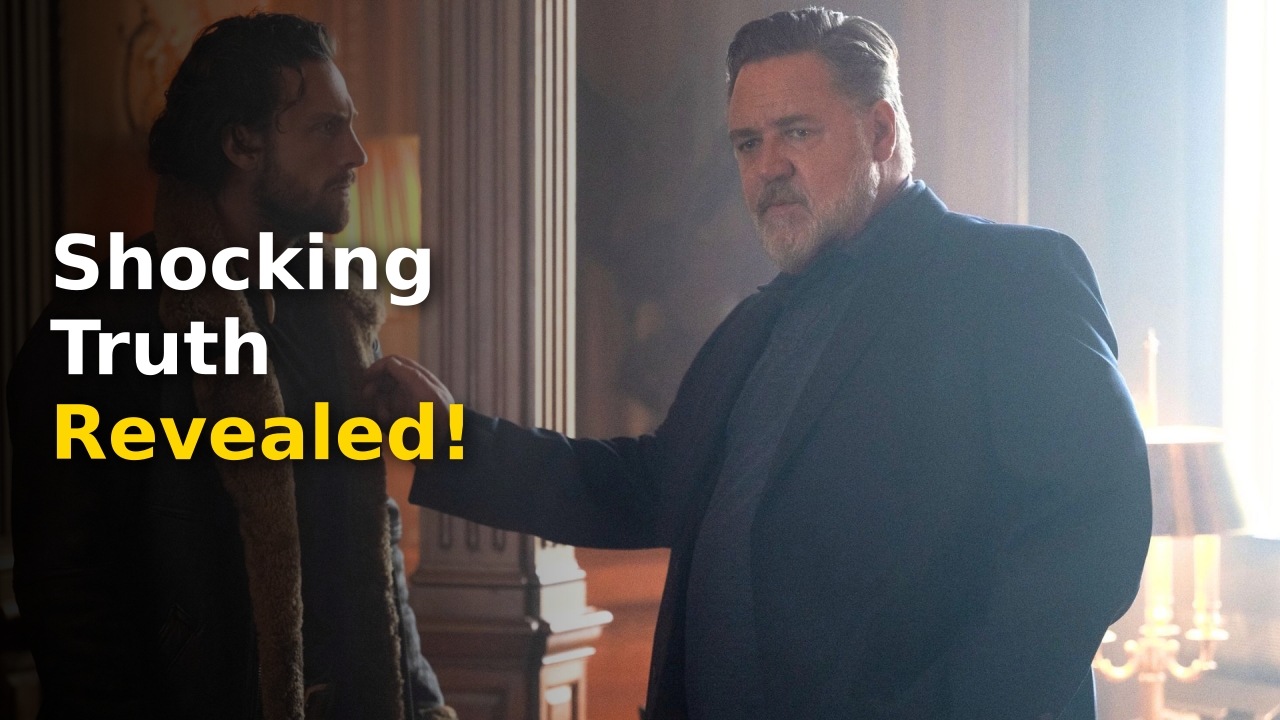
Are you ready to witness the final blow to a once-promising cinematic universe? The historic SSU collapse is officially complete as Netflix prepares to phase out its final film. This quiet exit marks the end of a multi-million dollar disaster that fans saw coming from miles away.
The R-rated action thriller starring Aaron Taylor-Johnson was supposed to save the franchise. Instead, it became a massive box office disappointment that permanently ended all future spin-off plans for Sony Pictures.
As the film exits streaming, we see how this dramatic SSU collapse proves the danger of building a superhero universe without its central star.
The SSU collapse and Kraven’s stand
The release of Kraven the Hunter on December 13, 2024, was plagued by multiple delays and heavy skepticism. Execs hoped that a gritty story would save their struggling theatrical lineup. Instead, it became the ultimate symbol of failure, triggering the SSU collapse.

A tragic end for Kraven
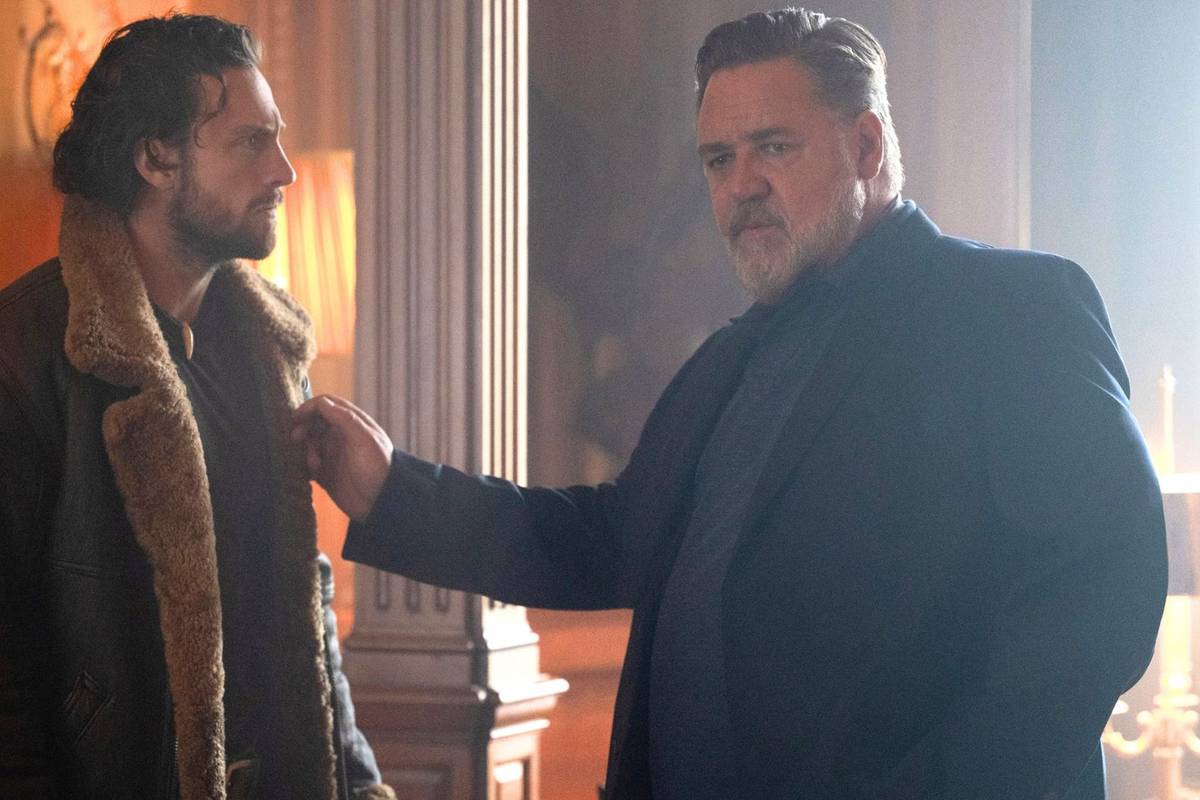
The film followed Sergei Kravinoff and his ruthless father, played by Russell Crowe. Director J.C. Chandor attempted to craft a character study exploring the origins of the world’s greatest hunter. However, the creative team struggled to translate the classic villain into a relatable lead.
Supporting cast members like Ariana DeBose and Fred Hechinger did their best with the material. They delivered grounded performances that were praised by the few viewers who bought tickets. Unfortunately, the narrative lacked the spark needed to sustain a blockbuster.
The script, written by Richard Wenk, was heavily criticized for its formulaic structure. It relied on generic tropes instead of the unique psychological depth of the comics. This disconnect contributed directly to the early SSU collapse.
The failed R-rated experiment
Hoping to differentiate the project from the MCU, the studio opted for a hard R-rating. This allowed the team to showcase intense action and bloody combat. They believed mature audiences would flock to theaters to see a violent take on a classic character.
While action fans appreciated the violence, the decision isolated families and teenagers. These groups make up a massive percentage of superhero box office sales. This miscalculation proved that rating gimmicks cannot save a weak story.
The marketing campaign focused heavily on the film’s brutal nature but failed to build excitement. Audiences were already suspicious of spin-offs that did not feature Spider-Man. Ultimately, the R-rating became a barrier rather than a selling point.
Dissecting the massive flop
The financial returns were catastrophic for the studio. Against a production budget estimated between $110 million and $130 million, the film struggled. It finished its theatrical run with a global gross of just $62 million.
The critical reception was hostile from the first screenings. Critics handed the film an abysmal 15% approval rating based on 161 reviews on Rotten Tomatoes. While audiences gave it 72%, that did not translate into ticket sales.
Why Venom could not save Sony
When the franchise launched in 2018, there was incredible optimism. The universe kicked off with Tom Hardy in Venom, which defied poor reviews to become a massive phenomenon. However, relying on one character to carry a universe was a fatal error.
Tom Hardy’s lonely shoulders
The Venom trilogy remained the only bright spot in a sea of disappointments. Tom Hardy put his heart into the dual role of Eddie Brock and his alien partner. His comedic chemistry with himself became a hit with audiences.
The films generated impressive box office returns, with the first grossing over $856 million. Even the sequels managed to pull in respectable numbers. However, executives failed to realize that the success was tied entirely to Hardy’s charm.
The studio rushed other villain origin stories into production. They assumed the Venom formula of turning a villain into an anti-hero could be easily replicated. This misunderstanding backfired and accelerated the SSU collapse.
Morbius and Madame Web disasters
The first crack appeared with the 2022 release of Morbius, starring Jared Leto. The film was widely mocked online, spawning viral memes about its confusing plot. Even a desperate theatrical re-release failed to generate any profit.
The situation worsened in 2024 with Madame Web, starring Dakota Johnson. The movie was criticized for flat dialogue, disjointed editing, and lack of action. The lead actress’s awkward promotional tour added fuel to the fire.
These back-to-back disasters destroyed any remaining public interest. Audiences began to associate the brand with low-quality projects designed solely to retain film rights. This erosion of trust made the SSU collapse inevitable.
The missing web-slinger anomaly
The most glaring issue with Sony’s Spider-Man Universe was the absence of the hero himself. While Tom Holland thrived in the MCU, Sony built a world around supporting characters. This resulted in a confusing landscape where villains had nobody to fight.
Initially, the studio planned to launch the universe with Andrew Garfield. However, those plans were abandoned after his second film’s mixed reception. This left the spin-offs without a central hero to anchor the continuity.
Financial reality of SSU collapse
To understand the scale of this tragedy, look at the balance sheets. While early projects generated profits, the downward spiral was unsustainable, as the economic details of the SSU collapse are examined.
| SSU Film | Release Year | Estimated Budget | Global Box Office | Rotten Tomatoes Score |
|---|---|---|---|---|
| Venom | 2018 | $100 Million | $856 Million | 30% |
| Morbius | 2022 | $75 Million | $167 Million | 15% |
| Madame Web | 2024 | $80 Million | $100 Million | 11% |
| Kraven the Hunter | 2024 | $120 Million | $62 Million | 15% |
Streaming versus theatrical reality
When Kraven made its debut on Netflix, it experienced a temporary surge in viewership. Many fans who refused to pay for theater tickets watched the film at home. This brief streaming success was celebrated by the team.
However, digital streaming views do not generate the same level of direct revenue. The licensing agreement with Netflix provided some financial relief but could not make up for the massive theatrical deficits. This small digital victory simply could not offset the SSU collapse.
The financial loss of these films cannot be understated when looking at production versus marketing costs. Typically, a film requires double its production budget just to break even after factoring in theater splits and global advertising campaigns. For a film like Kraven the Hunter, which cost over $120 million to produce, the break-even mark was easily over $240 million.
Spider-Man saves the day
While the spin-offs crumbled at the box office, the central hero prepared for his biggest triumph yet. The incredible success of the latest MCU film stands in sharp contrast to the tragic SSU collapse, proving the character’s drawing power.
A new era with Holland
The release of Spider-Man: Brand New Day marked a spectacular return to form for Tom Holland‘s Peter Parker. The film kicked off an exciting new era, stripping away high-tech gadgets and returning him to street-level roots. Audiences responded with enthusiasm, awarding the film a 98% Verified Hot badge.
Critics were also highly impressed, handing the movie a very respectable 90% Certified Fresh rating. The narrative focused on Peter’s struggle to rebuild his life after his previous solo outing. The emotional depth and thrilling action proved the character is best handled under Marvel.
Destin Daniel Cretton’s directorship
The film marked a major creative shift behind the scenes, with Shang-Chi director Destin Daniel Cretton taking the helm. Cretton brought a fresh visual style and dynamic action choreography to the franchise. The results were historic, breaking several industry records.
The film shattered records for Thursday previews and recorded one of the biggest domestic opening weekends ever. In just two weekends, the blockbuster grossed an unbelievable $1.65 billion worldwide. It became the second-fastest film to cross the $1 billion mark.
Industry analysts predict the film will easily cross the $2 billion mark during its theatrical run. This would make it the highest-grossing film in the character’s solo history, further highlighting the severity of the SSU collapse.
The Punisher’s legendary return
One of the most thrilling aspects of the film was the inclusion of Jon Bernthal as Frank Castle. After discarding ideas to pair Holland with Kraven or Venom, the team featured the gritty vigilante. Their intense chemistry provided some of the most memorable moments.
The clash of ideologies between the optimistic hero and the ruthless vigilante kept audiences on edge. This choice helped ground the film in a realistic, gritty setting. It proved the MCU still knows how to surprise and delight its fanbase.
To stay informed on all developments regarding Holland’s future, check out exclusive Hollywood insider updates. The future of the MCU has never looked brighter.
Final thoughts on failed franchise
The rapid decline of Sony’s independent universe offers a fascinating case study. The creative decisions that sparked the devastating SSU collapse will undoubtedly be studied by executives for decades.
When does Kraven leave streaming?
For those curious to watch the final chapter of this universe, time is running out. Netflix confirmed that Kraven the Hunter will depart its streaming platform on September 14, 2026. This departure marks the final phaseout of the franchise from major subscription streaming.
The movie will likely exist on digital video-on-demand platforms, but its removal from Netflix is a symbolic end. It represents the quiet dismantling of an entire cinematic experiment. Fans who want to witness the project’s action must do so before the deadline.
What is next for Sony?
Moving forward, the studio must completely rethink its approach to its comic book characters. While their solo live-action spin-offs failed, their animated films have been massive critical and commercial triumphs. Focusing on projects like Spider-Man: Beyond the Spider-Verse seems like the logical path.
Additionally, their collaboration with Kevin Feige on Tom Holland’s films remains incredibly lucrative. By focusing on quality partnerships rather than rushed solo films, they can restore their reputation. This strategic pivot is necessary to move past the lessons learned from this catastrophic SSU collapse.
The ultimate lesson for Hollywood
The demise of this franchise is a powerful reminder that modern moviegoers cannot be won over by recognizable IP alone. A successful shared universe requires a dedicated creative team and a clear overarching story. Rushing films into production to hold onto theatrical rights is a recipe for disaster.
As audience tastes shift, studios must prioritize quality over sheer quantity of content. The era of the low-effort superhero spin-off is over, and only the strongest narratives will survive. Writers and directors must be given the creative freedom to tell meaningful stories.
As the industry enters a new era, this historic SSU collapse will remain a permanent cautionary tale. It proves that even the most valuable comic book brands require care, respect, and a true understanding of what makes a hero heroic.
More Like This
For more updates, check out our latest entertainment and sports news.