⚡ Key Takeaways
- The San Antonio City Council voted 6-5 against putting the stadium funding to a public vote.
- A massive $489 million city contribution is now locked in for the $1.3 billion project.
- The Spurs organization will contribute $500 million toward the construction of the new downtown home.
- State law allows this funding via tax zones, bypassing the need for a general election ballot.
You might believe your vote is the ultimate authority in local government spending, but the recent decision regarding the Spurs Arena proves that political maneuvering and complex tax laws can change the game entirely. In a razor-thin 6-5 decision, the San Antonio City Council effectively blocked a public referendum that would have allowed citizens to decide the fate of a $489 million taxpayer contribution. This move fast-tracks a transformational $1.3 billion sports and entertainment district in the heart of downtown San Antonio, leaving many residents wondering why their voices weren’t heard at the ballot box.
The tension in the council chambers was palpable as Mayor Gina Ortiz Jones pushed for transparency, arguing that the public deserved a clear say in how nearly half a billion dollars would be allocated. However, the majority of the council felt otherwise, siding with the argument that the deal was already vetted through previous legislative actions and existing tax frameworks. This decision ensures that the San Antonio Spurs will remain a fixture of the city’s identity for decades to come, but at a cost that continues to spark intense debate among local taxpayers and civic leaders alike.
Spurs Arena Political Stalemate Explained
The 6-5 vote was not just a simple disagreement; it was a fundamental clash of ideologies regarding public oversight and economic development. Those who voted against the public referendum—including Sukh Kaur, Phyllis Viagran, Marina Alderete Gavito, Ivalis Meza Gonzalez, Misty Spears, and Marc Whyte—argued that the city cannot cherry-pick which deals go to a vote. Councilwoman Kaur specifically pointed out that other major corporate incentives, such as the $88 million Toyota tax abatement, were never subjected to a public vote, setting a precedent for the city’s administrative handling of major economic projects.
On the opposing side, Mayor Gina Ortiz Jones and council members Jalen McKee-Rodriguez, Edward Mungia, Teri Castillo, and Ric Galvan stood firm in their belief that the scale of the Spurs Arena project demanded direct democratic input. The Mayor’s memo from late July emphasized that a November vote would provide clarity and accountability, ensuring that voters were fully informed about what they were paying and what the city was receiving in return. This divide reflects a growing national conversation about the ethics of using public funds to subsidize professional sports stadiums owned by billionaire investors.
The Kaur Argument for Consistency
Councilwoman Sukh Kaur has become a focal point of this discussion due to her stance on legislative consistency. She argued that putting this specific deal on the ballot would create an uneven playing field for future developments. By highlighting the Toyota deal, she underscored the idea that the city frequently engages in high-stakes financial agreements without direct voter intervention. Her perspective suggests that the city’s established boards and representatives are elected to make these complex decisions on behalf of the constituency, rather than outsourcing every major financial move to a general election.
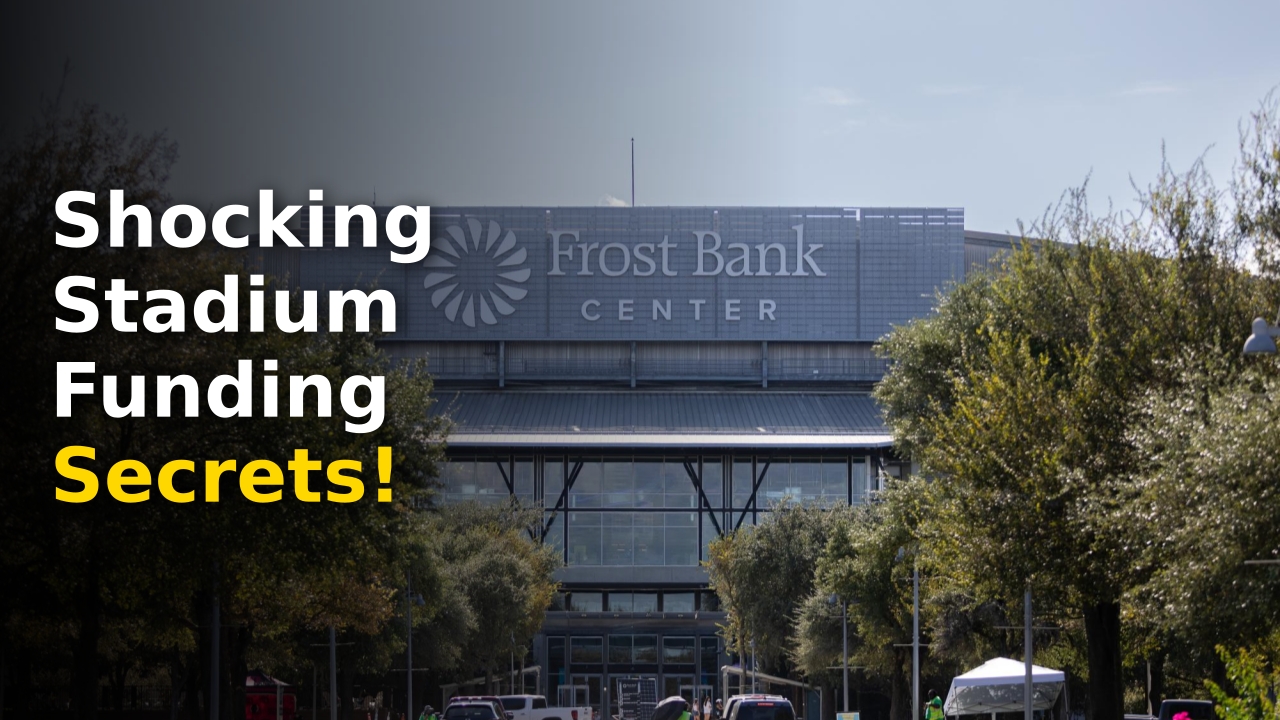
However, critics argue that the sheer magnitude of the Spurs Arena project—totaling $1.3 billion when including all funding sources—makes it a unique case that transcends standard tax abatements. The shift from the Frost Bank Center on the city’s East Side to a downtown location is a massive urban planning shift. Opponents of the council’s decision worry that bypassing the public sets a dangerous precedent for future large-scale projects, effectively silencing the community on the city’s most expensive endeavors.

Mayor Jones and the Push for Transparency
The Mayor Gina Ortiz Jones perspective was rooted in the idea of a social contract. By pitching the public vote in July, she aimed to bridge the gap between the city government and a skeptical public. Her argument was simple: if the project is as beneficial as the developers claim, it should be able to withstand the scrutiny of a public vote. This approach was seen as a way to build true community buy-in for a project that will reshape the San Antonio skyline and the local economy for the next 30 to 50 years.
Despite the Mayor’s efforts, the council’s majority remained unmoved. The debate also touched on the history of the Bexar County vote from the previous year. Proposition B passed with a 52.14% approval rating, securing $311 million through hotel and vehicle rental taxes. The council majority used this as evidence that the public had already weighed in on the general concept of funding the Spurs Arena, even if the specific city contribution of $489 million was handled through different legal channels.
By The Numbers: Financing a $1.3 Billion Dream
Understanding the financial machinery behind the new Spurs Arena requires a deep dive into the various funding streams that make such a massive project possible. The total project cost is estimated at $1.3 billion, a staggering figure that places it among the most expensive arena projects in recent NBA history. The funding is a tripartite agreement between the private sector (the Spurs), the county, and the city. This complex layering of funds is designed to minimize the direct impact on the city’s general fund while maximizing the use of targeted tax revenues.
The Spurs organization, led by Spurs Sports & Entertainment CEO R. C. Buford, has committed to a $500 million contribution. This private investment is a crucial component of the deal, signaling the team’s long-term commitment to the city. However, the public share remains the point of contention. Between the county’s $311 million and the city’s $489 million, taxpayers are effectively covering more than 60% of the total project costs. This ratio is consistent with many other sports stadium deals across the United States, though it remains a controversial practice among economists.
| Funding Source | Amount (Millions) | Percentage of Total |
|---|---|---|
| Spurs Private Contribution | $500 | 38.5% |
| San Antonio City Contribution | $489 | 37.6% |
| Bexar County (Prop B) | $311 | 23.9% |
| Total Project Cost | $1,300 | 100% |
As the table illustrates, the burden is distributed, but the city’s portion is the largest single public contribution. This funding is structured through a Project Finance Zone (PFZ) and a Tax Increment Reinvestment Zone (TIRZ). These mechanisms capture future growth in tax revenue within a specific geographic area and reinvest it into the project. Because this does not involve a new tax or an increase in the existing property tax rate, Texas law does not mandate a public vote. This legal distinction was the primary reason the 6-5 council majority felt confident in their decision to reject the ballot initiative.
The Legal Loophole: Why You Can’t Vote
The realization that a $489 million decision can be made without a public vote often shocks residents who are accustomed to voting on school bonds or city infrastructure projects. The legal reality in Texas is that the method of funding dictates the requirement for voter approval. When Bexar County sought funding through hotel and vehicle rental taxes, it was proposing a new tax increase, which triggered a mandatory election under state law. In contrast, the city’s Spurs Arena funding uses existing tax structures and captured revenue growth.
By utilizing a Tax Increment Reinvestment Zone, the city is essentially betting on its own success. The theory is that the new arena will increase property values and economic activity in the surrounding downtown area. The “incremental” tax revenue generated by this growth is then used to pay off the debt incurred for the arena’s construction. This creates a self-funding loop that, while complex, allows the city to bypass the general electorate. For more information on how cities manage these massive celebrity-tier investments, you can visit brightcelebrity.com to see how other urban centers navigate the intersection of fame and finance.
Financial analysts often point out that while TIRZ and PFZ funding models avoid immediate tax hikes, they lock the city into a long-term financial obligation. If the economic growth surrounding the arena fails to meet projections, the city could find itself in a position where the general fund must cover the shortfall. However, according to historical data from the San Antonio Spurs history, the team has consistently been a top revenue generator for the region, suggesting that the risk, while present, is calculated. The $489 million investment is essentially a venture capital play by the city, aiming to revitalize a downtown core that has struggled with foot traffic since the pandemic.
City Manager Erik Walsh has been clear that the city’s financial strategy is focused on aligning revenues with the cost of services. The fiscal year 2027 budget proposal already includes plans for increased fees at the Alamodome, which will require voter approval because they involve direct fee increases. The distinction between a fee increase and a tax reinvestment zone is the technicality that allowed the council to move forward without the public’s explicit permission on the arena deal. This legal nuance is often the most frustrating part for citizens who feel that the spirit of the law should allow for a vote on any massive expenditure, regardless of the accounting mechanism used.

Economic Impact and Future City Growth
The move to a downtown Spurs Arena is widely seen as the centerpiece of a larger strategy to compete with other major Texas metros like Austin and Dallas. The current Frost Bank Center, located on the city’s East Side, has often been criticized for its lack of surrounding amenities and nightlife. By moving the team to the downtown core, city planners hope to create a “live-work-play” environment that attracts younger professionals and increases tourism revenue. This isn’t just about basketball; it’s about urban revitalization on a grand scale.
Historically, stadium projects have a mixed record of delivering on their economic promises. Proponents point to the Chase Center in San Francisco or Fiserv Forum in Milwaukee as examples of how a new arena can transform a neglected neighborhood. Opponents, however, cite academic studies showing that the economic multiplier effect of sports stadiums is often lower than promised by developers. In San Antonio, the hope is that the presence of a generational talent like Victor Wembanyama will provide the necessary star power to ensure the Spurs Arena remains a destination even during losing seasons.
Local real estate experts suggest that the announcement of the arena has already spurred interest in downtown property. Since the council’s 6-5 vote, there has been a noticeable uptick in inquiries for commercial space near the proposed site. This “stadium effect” can drive up property taxes, which ironically provides more funding for the TIRZ used to pay for the arena. It is a feedback loop that city officials are counting on to justify the $489 million contribution. When you look at the 2026-2027 growth projections for San Antonio, the downtown district is expected to be the primary engine of new economic activity, largely fueled by this massive public-private partnership.
The project also includes significant infrastructure improvements that extend beyond the arena walls. New pedestrian walkways, improved public lighting, and better transit options are all part of the master plan. These are the kinds of improvements that CEO R. C. Buford referred to when he spoke of a “transformational opportunity” for the city. By creating a world-class entertainment district, San Antonio hopes to secure its place as a top-tier destination for concerts, conventions, and international sporting events that might otherwise pass over a mid-market city.
Frequently Asked Questions
Why did the San Antonio City Council reject a public vote?
The council voted 6-5 against a public vote primarily because the $489 million funding is structured through existing tax zones (PFZ and TIRZ) that do not legally require voter approval. Some council members also argued that consistency was key, as other large business deals have not been subjected to public referendums.
How much are the Spurs contributing to the new arena?
Spurs Sports & Entertainment has committed $500 million toward the $1.3 billion project. This represents the single largest private investment in the history of San Antonio sports and is a key part of the public-private partnership agreement.
What will happen to the current Frost Bank Center?
While definitive plans haven’t been finalized, the city and county are exploring redevelopment options for the Frost Bank Center on the East Side. Concerns remain among local residents about the economic impact of the team leaving the neighborhood, and the city manager has indicated that revitalizing that area remains a priority.
Where is the $489 million coming from if not from a new tax?
The funding comes from a Project Finance Zone and a Tax Increment Reinvestment Zone. These mechanisms capture the growth in tax revenue from within a specific downtown area and dedicate those funds to the arena project, rather than drawing from the city’s general fund or increasing existing tax rates for all residents.
The Final Buzzer: Navigating the Spurs Arena Future
As the dust settles on the council’s controversial decision, the path forward for the Spurs Arena is clearer than ever. With the political hurdle of a public vote cleared, the city and the Spurs organization can now focus on the design and construction phases of the project. The goal is to create a facility that not only serves as a home for NBA basketball but also as a cultural hub for the entire South Texas region. The decision to skip the ballot box will likely remain a point of contention for years, but the physical reality of the new stadium will soon begin to take shape in the downtown skyline.
For the residents of San Antonio, the focus now shifts from the “if” to the “how.” How will this project affect local small businesses? How will the city manage the increased traffic and infrastructure needs of a downtown stadium? And most importantly, will the promised economic boom actually materialize? While the 6-5 vote was a victory for the proponents of the arena, the ultimate success of the Spurs Arena will be measured by its ability to deliver long-term value to the taxpayers who are funding a significant portion of its construction. The conversation is far from over, but the game is officially underway.
Ultimately, the story of the Spurs Arena is a story of how modern cities navigate the complex waters of professional sports and public finance. It is a tale of legal technicalities, political divisions, and the high-stakes world of urban development. Whether you agree with the council’s decision or not, there is no denying that San Antonio is entering a new era. The Silver and Black are staying, the downtown area is transforming, and the city’s financial future is now inextricably linked to the success of this $1.3 billion dream. Stay tuned as we continue to track the development of what promises to be the most significant construction project in the history of the Alamo City.
More Like This
For more updates, check out our latest entertainment and sports news.