Key Takeaways
| Role Transition: Sombra moves from pure DPS to a utility-focused Support role in 2026. |
| Community Reaction: Veteran players express concern over lingering DPS-style habits. |
| Kit Adjustments: EMP and Translocator remain, but internal passives shift to team sustain. |
| Strategic Goal: Blizzard intends for Sombra to become a standard, team-reliant pick. |
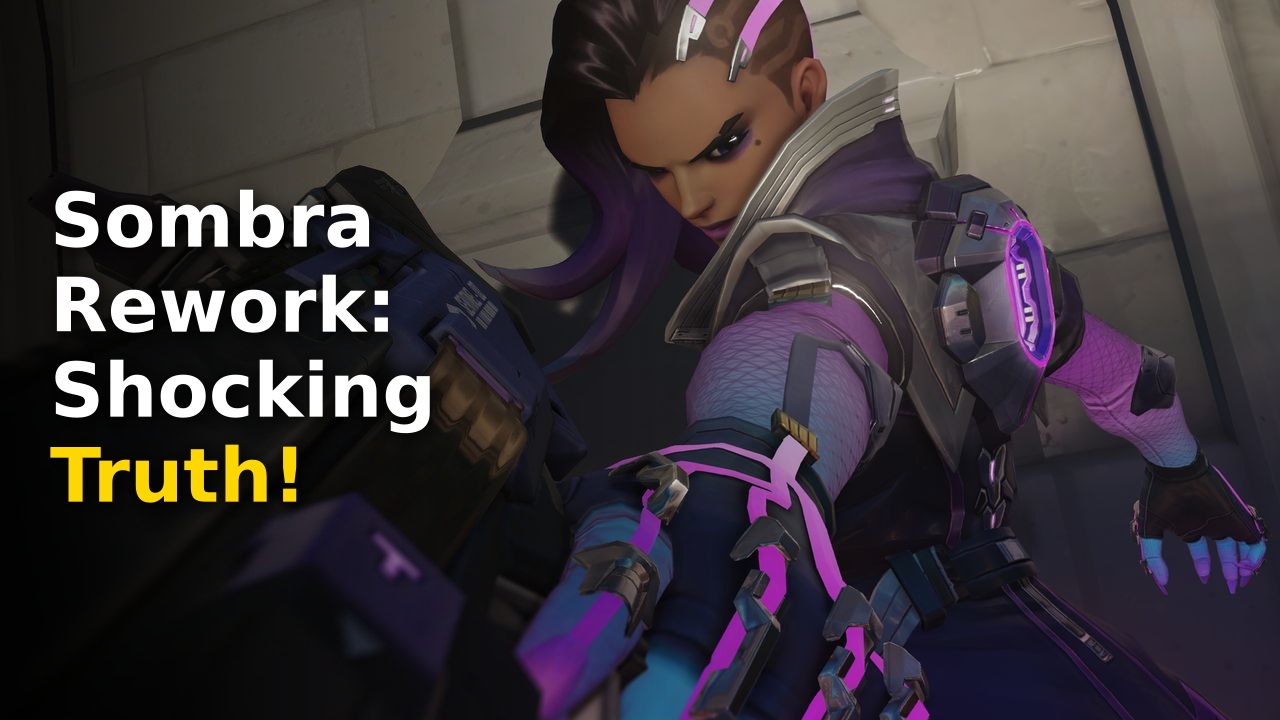
Sombra support change represents the most drastic evolution of the hacker archetype since the franchise first launched. You might find the prospect of a permanent role swap jarring, but the decision to reclassify one of the game’s most notorious disruptors marks a turning point for Overwatch 2 competitive balance. While the community remains divided, this shift is clearly designed to curb the frustration of being spawn-camped by an invisible menace.
Understanding this transition requires looking past the surface-level outcry. Players are understandably protective of their muscle memory, yet the 2026 meta demands heroes who can facilitate engagement rather than simply hunting for pick-offs. Whether this move achieves long-term stability depends on how effectively the player base adapts to the new support-oriented mechanics.
Understanding the Sombra Support Change
The core philosophy behind the Sombra support change centers on moving the hero away from the “lone wolf” playstyle that has defined her existence for years. By embedding her within the support roster, developers are signaling an end to the era where she could independently delete targets without team interaction. This transition forces players to prioritize self and team sustain, a pillar of high-level gameplay that often goes ignored in lower-tier ranks.
Despite the changes, the essence of her identity is preserved. Her primary fire and signature EMP remain intact, ensuring she isn’t losing the tools that made her an icon of the roster. The addition of new passives designed to bolster ally performance aims to transition her from an annoying outlier to a strategic asset. If you are a fan of Blizzard’s flagship shooter, you understand that these adjustments are rarely about nerfing the character into obscurity, but rather recontextualizing her contribution to team success.

The apprehension surrounding this update is largely rooted in player habit. Historically, players have used Sombra to isolate isolated targets or harass backline healers. Expecting those same players to shift their focus to assisting the team is a tall order. However, history shows that characters like Doomfist and Symmetra have successfully navigated similar redesigns. With time, the muscle memory will likely shift toward this new, team-centric paradigm.
The Role of Utility in 2026
Support in the current climate isn’t just about raw healing numbers. It is about enabling your tank and facilitating team-wide maneuvers. Sombra’s new kit, if utilized correctly, offers unprecedented potential for tactical control that pure healing cannot replicate. By shifting her focus to team engagement, she gains a seat at the table in professional play, moving beyond the niche “gimmick” pick she occupied for several seasons.
Data Analysis of Hero Pick Rates
When analyzing the impact of these changes, we look at historical pick rates and the projected viability of utility-based supports. The following table illustrates the shift in expectations for the support class following the 2026 Overwatch competitive balance updates.
| Role Component | Former Strategy | New 2026 Strategy |
|---|---|---|
| Engagement | Flanking/Spawn Camp | Front-line Support |
| Team Value | Pick Potential | Utility/Buffing |
| Survivability | Translocator Escape | Sustained Team Play |
As the data suggests, the move toward a support-centric kit forces a divergence from the standard flanking playstyle. Players failing to make this transition will likely find themselves underperforming in high-tier competitive environments where team synergy is the deciding factor in every match. Forbes gaming industry reports suggest that player adaptability is the primary indicator of long-term retention for reworked heroes.
Background and Tactical Evolution
Overwatch has long struggled with the dichotomy of heroes like Sombra and Roadhog. When these characters were at their peak, they often dominated the meta to the detriment of general match quality. The decision to redesign both at Blizzcon was an admission that their previous iterations were unsustainable for the game’s health. Roadhog’s inclusion of the ‘Trash Compactor’ as a defensive tool is a clear signal that the development team is doubling down on making these characters team players rather than isolated threats.
The friction currently felt by the community is a natural consequence of removing a character’s long-standing agency. Sombra mains spent years perfecting the art of the pick-off, and asking them to pivot to a support role is essentially asking them to relearn the game. However, the potential for Sombra to become an essential, high-skill support character is high. Much like Symmetra’s evolution from a defensive niche to a utility powerhouse, Sombra stands to gain more than she loses in the long run.
You should keep in mind that the current frustration is likely short-term. As players reach Masters and above, they will inevitably discover the optimal path to maximizing her new support capabilities. The real test will be whether the casual player base can shake the ingrained habit of ignoring team sustain in favor of the “DPS joyride” that has defined Sombra play for years.
People Also Ask
What happened with the Sombra support change today?
Sombra has been reclassified as a Support hero in the latest update, introducing new passives and mechanics designed to assist her team rather than focusing on pure DPS-style flanking.
Why is this Sombra change trending right now?
The change is trending due to the massive impact it has on the current meta and the vocal divide within the player base regarding her loss of classic flanking utility.
How does this affect current Overwatch match play?
It forces teams to reconsider their backline composition, as Sombra now provides team-wide utility and sustain rather than just acting as an anti-tank or anti-support disruption tool.
When is the next major hero balance patch expected?
Following the Season 5 release at Blizzcon, subsequent balance patches are expected to address community feedback and tweak the performance metrics of reworked heroes like Sombra and Roadhog.
Final Thoughts on the New Meta
Change is often the most significant hurdle in competitive gaming. While the immediate reaction to the Sombra support change is one of confusion and frustration, it is a necessary step for the growth of the title. As the dust settles, those who embrace the new, more team-focused iteration of the character will likely find a highly rewarding kit that offers a deep, strategic layer to their matches. The shift is not merely a nerf; it is a fundamental re-imagining of a character destined to become a core, respected member of the support role in the Overwatch 2 competitive ecosystem.
More Like This
For more updates, check out our latest entertainment and sports news.