Key Takeaways
| Murphy Pendleton serves as a unique protagonist whose moral alignment is decided by player choices. |
| The development team at Vatra Games built the iconic SH4 apartment Easter Egg entirely from scratch. |
| Tomm Hulett intentionally moved away from established series tropes to challenge fan perceptions. |
| The Bogeyman character represents a shift in how the series handles personal manifestations of guilt. |
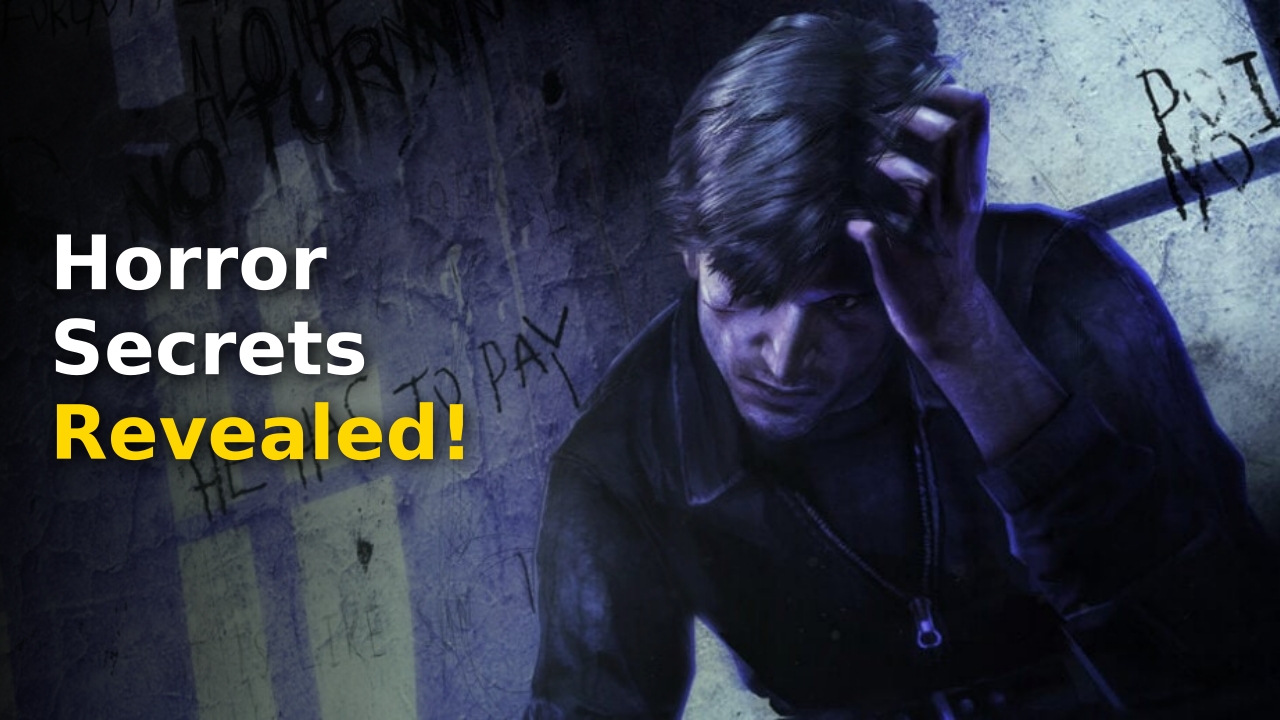
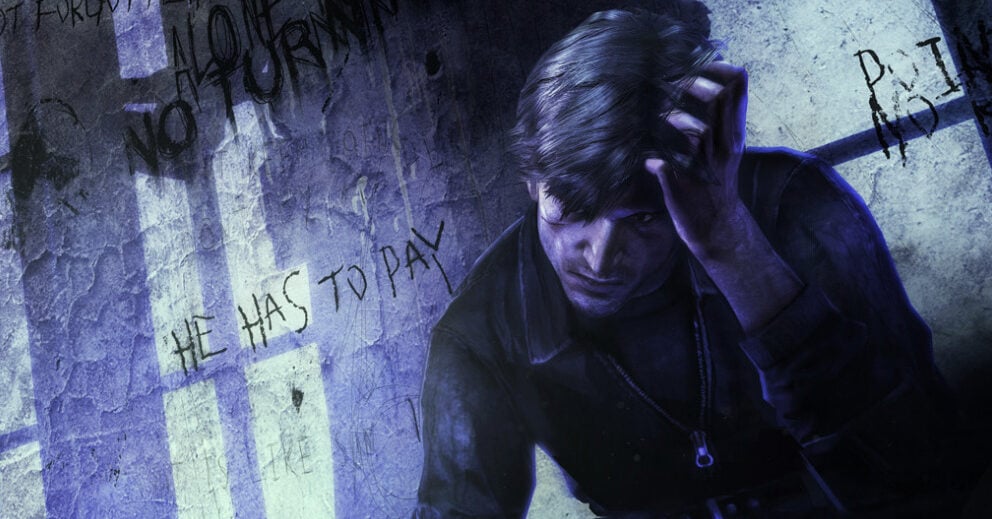
Silent Hill Downpour is a masterclass in psychological tension that challenges everything you know about the survival horror genre. By placing you in the shoes of Murphy Pendleton, a convict trapped within the shifting reality of the fog-covered town, the game forces a confrontation with personal guilt that feels deeply personal and disturbingly real.
Released in 2012 by Vatra Games, this entry sought to redefine the franchise’s identity through atmospheric storytelling and moral ambiguity. Unlike previous titles that relied on established cult tropes, the narrative focuses on the internal decay of the protagonist. You are not just fighting monsters; you are witnessing a reflection of a fractured psyche.
Understanding Silent Hill Downpour Development
The creation of this title was driven by a desire to prove that Western developers could capture the haunting, authentic soul of the series. Senior associate producer Tomm Hulett prioritized a strong, clear hook: a convict arriving in a town designed to punish or cleanse his deepest regrets. This singular vision allowed the team to experiment with mechanics that felt fresh while maintaining the series’ signature dread.
Collaboration with the Czech-based Vatra Games brought a distinct, European flavor to the design of the environment. The team visited real-world cave systems in the Czech Republic, where danger levels changed based on rainfall, directly inspiring the game’s mining ride sequence. This attention to environmental storytelling elevated the world-building, making the town feel like a living, breathing entity rather than just a collection of assets.
To ensure the game felt true to its roots, Hulett and producer Devin Shatsky acted as guardians of the franchise’s legacy. They brought in Tom Waltz from IDW to manage the writing, facilitating a tighter creative loop. This collaborative effort allowed them to integrate side quests—a significant addition that modernized the experience while grounding the narrative in smaller, intimate stories of local tragedy.

The inclusion of the Silent Hill 4 apartment is perhaps the most celebrated Easter Egg in the game. Built from scratch by the Vatra team as a surprise for the producers, it serves as a testament to their dedication and love for the source material. It captures that claustrophobic essence that fans of the original team’s work cherish, proving that new teams could indeed respect the legacy of their predecessors.
Expert Take: The Evolution of the Bogeyman
While Pyramid Head remains the series’ most recognizable icon, Hulett and his team recognized the risk of turning him into a generic mascot. They pivoted by introducing the Bogeyman. This shift represents a transition from a singular, personal manifestation of guilt—like James Sunderland’s—to a more fluid, psychological tool that can be projected from one character to another. It effectively highlights how hatred can distort our perception of others, turning a human being into a literal monster in our eyes.
Silent Hill Data and Design Metrics
| Element | Design Philosophy |
|---|---|
| Player Agency | Moral choices reflect the player’s perception of Murphy. |
| Environment | Dynamic, inspired by real-world cave tourism. |
| Enemy Design | Manifestations of trauma and personal struggle. |
| Lore | Encourages individual interpretation of town phenomena. |
Psychological Horror and Character Motivation
The core of Silent Hill Downpour lies in the ambiguity of the town itself. As Hulett suggests, there is no single answer to why the town behaves as it does. Whether it is a supernatural force or merely a mirror for our own dark thoughts, the experience is defined by the player’s personal connection to the story. This uncertainty is exactly why the franchise has maintained such a lasting cultural impact.
Murphy’s path is paved with choices that, while they may not change the objective outcome of a scene, define the player’s understanding of his morality. When you choose whether to reach out to Anne, you are not just making a gameplay decision; you are deciding what kind of person Murphy is. This subtle inclusion of psychological depth ensures that every playthrough feels like an intimate examination of human character.
The integration of side quests like the Ribbons storyline demonstrates how deeply the team was committed to creating a believable, haunting world. These missions, often involving missing persons or tragic historical events, force players to slow down and listen to the ghosts of the town. They add layers of empathy to a world that could otherwise feel like a standard gauntlet of horror tropes, proving that even in a 2012 release, narrative depth could exist alongside mechanical evolution.
People Also Ask
Why is Silent Hill Downpour considered a cult classic?
The game is remembered for its ambitious side quests and unique, moral-driven narrative that pushed the series beyond its traditional formulas. It successfully blended psychological horror with open-world elements that resonated with a dedicated segment of the horror gaming community.
What does the Bogeyman represent in the game?
The Bogeyman acts as a projection of hatred and trauma, specifically representing how one person can view another as a monster due to past grievances. It serves as a narrative tool to explore how Murphy and Anne’s perceptions of each other shift throughout the story.
Did Vatra Games use assets from older Silent Hill games?
Most of the assets, including the iconic apartment, were built from scratch by the team. While they utilized some existing assets for minor joke endings, the vast majority of the environment was original work created to match the series’ established aesthetic.
How does the ending reflect Murphy’s past?
The endings in the game are determined by the cumulative choices made during gameplay, which act as a judge of the player’s interpretation of Murphy’s guilt. These conclusions tie his future to his past, emphasizing that his redemption or condemnation is entirely tied to his actions during the journey.
Reflecting on a Haunting Legacy
Looking back, Silent Hill Downpour remains a significant achievement for anyone interested in the intersection of gaming and psychological horror. By daring to move away from the rote formulas of previous titles, it provided a space for genuine fan debate and emotional exploration. Whether you appreciate the technical risks taken by Vatra or the narrative depth injected by the writing team, the game deserves recognition as a bold experiment in a genre that often fears change.
Ultimately, Silent Hill Downpour serves as a reminder that horror is most effective when it focuses on the internal struggle. It invites us to peer into the shadows of our own personalities and ask what we might see if those shadows were reflected back at us. If you haven’t revisited the misty streets of this troubled town recently, it is well worth the journey, if only to confront your own Silent Hill experience.
More Like This
For more updates, check out our latest entertainment and sports news.