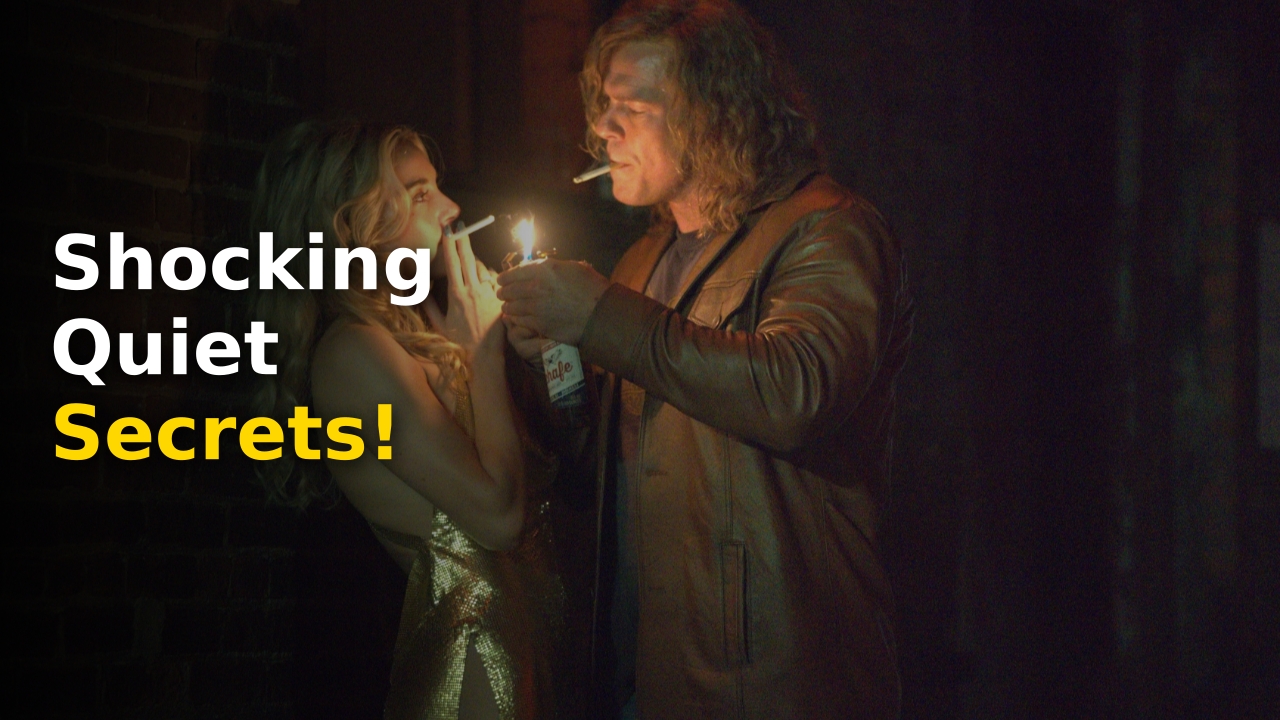
Have you ever sat in a pitch-black theater, completely paralyzed by absolute silence while a 230-pound action star crushes skulls on screen, proving that the magic of Silent Cinema is far from dead? You might think modern blockbusters require deafening explosions to keep your attention, but the quietest moments often carry the heaviest emotional punch. In an era of endless digital distractions and second-screen viewing, filmmakers are turning back the clock.
This cinematic shift is redefining how we watch movies, proving that quietness is the ultimate sensory experience. Stripping away the dialogue forces you to look at the screen and engage with the narrative, cultivating a massive appreciation for Silent Cinema in the modern age. Let us explore why this ancient storytelling method is suddenly Hollywood’s most exciting new trend.
Rediscovering Silent Cinema Rules

When you watch Alan Ritchson in his new film Motor City, which hit select theaters in late July 2026, you are witnessing a massive shift in modern action. The star of Prime Video’s hit series Reacher plays a Vietnam veteran on a bloody rampage of vengeance. But here is the shocking twist: this high-octane vengeance thriller features only five lines of spoken dialogue.
This radical creative choice forces the movie’s brutal action choreography to do all the heavy lifting. Instead of relying on corny one-liners, director Albert Hughes lets the raw physicality of his cast tell the story. You cannot look away because every punch, grimace, and breath carries the weight of a traditional three-page monologue.
By reducing speech, the film’s sound department makes sure we hear every grunt, scream, propulsive bang, and metallic knife slice. This sensory amplification makes the entire world feel incredibly real, dangerous, and immediate. It is a direct throwback to the early days of Silent Cinema, where actors could not rely on voice to convey complex emotions.
Actors had to use their entire bodies to tell the story, building an intimate connection with the audience. Today’s action stars are proving that physical performance is a universal language that transcends modern speech. We are seeing a growing movement of directors who realize that less dialogue equals more impact, drawing directly from masterpieces of Silent Cinema from years past.
Audiences are tired of over-explained plots and hand-held exposition. They want to feel the raw energy of a scene through visual storytelling and atmospheric soundscapes. When done right, this approach raises the volume on everything else that matters in the frame.
Physical Acting Secrets
- Dynamic Facial Expressions: Actors must project inner turmoil through micro-movements of their eyes and jawlines.
- Brutal Choreography: Every stunt serves as a narrative beat, replacing conversational exposition.
- Atmospheric Sound Design: The hum of a room, a heavy footstep, or a sharp breath takes the place of dialogue.
- Needle Drops: Strategically chosen music tracks guide the audience’s emotional journey without hand-holding.
The Charlie Chaplin Blueprint
To understand why this approach works so well, you must look back at the master of the craft. Long before modern action stars let their fists do the talking, Charlie Chaplin dominated global culture using nothing but his physical genius. Even when the industry transitioned to “talkies” in the late 1920s, Chaplin resisted the shift for years.
He knew that his famous character, the Tramp, would lose his universal appeal the moment he spoke. Chaplin argued that a physical performance allowed anyone, regardless of language, to connect with the character’s humanity. His dedication to Silent Cinema was both an artistic philosophy and a highly successful business model.
Films like Modern Times in 1934 showed his brilliant balance of silence and synchronized sound. Chaplin used his entire body as a storytelling machine, proving that pantomime could make audiences laugh and cry simultaneously. This cross-generational appeal cemented his status as a legendary cinematic icon.
By the time The Great Dictator came out in 1940, Chaplin had fully embraced cinematic sound. Yet, his performance still emphasized full-bodied emoting over dialogue delivery. His intentional balance of silence and audio amplified the film’s most iconic comedic moments.
For a deep dive into how physical performances still dominate Hollywood, check out our collection of exclusive celebrity profiles highlighting today’s most versatile actors. You will discover how modern stars draw direct inspiration from these early pioneers.
Chaplin’s timeless approach is why festivals like the Modern Silent Shorts festival, founded in 2024, continue to thrive in places like New York. The legacy of physical acting remains a cornerstone of premium cinematic art.
Cult Classics and Modern Experiments
The resurgence of non-verbal storytelling is not just confined to indie projects or action movies, as the sudden return of Silent Cinema tropes is captivating audiences worldwide. In 2011, a dialogue-free black-and-white masterpiece titled The Artist shocked the world by winning Best Picture at the Academy Awards. This proved that modern audiences still have a deep hunger for the raw, uninterrupted power of classic visual storytelling.
If you look at vibrant film hubs like Seattle, you will find packed theaters hosting regular events dedicated to this art form. The historic Paramount Theatre regularly hosts “Silent Movie Mondays,” drawing massive crowds who watch classics accompanied by a live Mighty Wurlitzer organ. These events offer a communal appreciation of analog pleasures in a digital world.
Similarly, the wildly popular “Silents Synced” national tour pairs iconic movies like the 1922 classic Nosferatu with modern rock soundtracks from bands like Radiohead and Pearl Jam. These events show that the foundations of early Silent Cinema classics are still highly influential today, especially when paired with modern audio elements. Audiences are discovering that silent film history can bridge generations.
The Modern Silent Shorts festival showcases short films commissioned from select filmmakers annually. These up-and-coming directors boast impressive industry lineages, often starting as production assistants on prestigious sets. Their creative works continue to push the boundaries of visual expression.
This ongoing appreciation speaks to a common craving for Silent Cinema style analog pleasures in our hectic modern life. We live in an era of constant notifications, pop-up ads, and background noise. Stepping into a quiet theater offers a meditative escape that feels incredibly refreshing.
By stripping away spoken words, directors invite you to become an active participant in the story. Your brain naturally fills in the emotional blanks, creating a deeply personal viewing experience that stays with you long after the credits roll.
Visual Storytelling Performance Metrics

Let us look at how modern dialogue-light projects stack up against traditional releases. The data reveals that movies prioritizing physical action over heavy dialogue often see a massive surge in international appeal. Because there are no complex language barriers, these films translate seamlessly across global box offices.
Below is a detailed breakdown of notable modern films that embraced the quiet approach to maximize visual impact.
| Movie Title | Release Year | Dialogue Density | Key Selling Point |
|---|---|---|---|
| Motor City | 2026 | Extremely Low (5 Lines) | High-Octane Stunts |
| Sisu | 2023 | Very Low | Gritty Survival Action |
| Silent Night | 2023 | Zero Spoken Words | Pure Visual Revenge |
| The Artist | 2011 | Zero (Intertitles Only) | Oscar-Winning Drama |
This data proves that omitting speech is not a gimmick; it is a highly calculated artistic strategy. Directors who dare to cut the noise are rewarded with undivided audience attention. They create movies that stand out in a saturated streaming marketplace.
When a film eliminates constant chatter, the audience’s brain is forced to adapt to a different approach to Silent Cinema techniques. You become more observant of micro-expressions, shadow plays, and physical tells. This deeper level of cognitive engagement leads to a more memorable viewing experience.
These films often age better than their dialogue-heavy counterparts. Pop culture references and slang can date a film quickly, but a pure physical struggle is timeless. This makes long-term investments in Silent Cinema styled projects highly attractive for forward-thinking studios.
In the hyper-competitive streaming landscape, retaining user attention is the ultimate metric of success. Projects that can hook viewers without relying on translated subtitles have a massive competitive edge. The financial potential of these visually driven projects continues to climb.
Why Silent Cinema Dominates Attention
Ultimately, the return of Silent Cinema concepts is a direct reaction to our fractured digital landscape. Streaming services assume you are doomscrolling on your phone while watching their shows. By removing dialogue, filmmakers force you to look up, pay attention, and engage with the screen.
When Alan Ritchson stares down a villain without saying a word, the silence is deafening. You hear the scrape of a blade, the crunch of gravel, and the heavy breathing of a man on the edge. This sensory amplification makes the entire world feel incredibly real, dangerous, and immediate.
The power of quiet storytelling has officially become a serious currency of Silent Cinema in the modern box office. It provides an antidote to the loud, chaotic blockbuster fatigue that many moviegoers are currently experiencing. Directors are proving that silence is not just the absence of sound, but a powerful narrative tool.
As you head to digital platforms to buy or rent Motor City on Tuesday, August 25, 2026, keep your eyes wide open. You will realize that Hollywood’s most powerful performances do not require a single spoken word. The action choreography, physical acting, and masterful soundscapes speak louder than words ever could.
This ongoing appreciation of silent movies speaks to a common craving for simple communal appreciation of analog pleasures. It is a reminder that the legacy of Silent Cinema is not a relic of the past, but the ultimate future of immersive filmmaking. Cinema is, and always has been, a visual medium first.
So, the next time you turn on a movie, consider turning down the volume of the dialogue and letting the visuals wash over you. You might just find that the most powerful thing you hear is absolutely nothing at all.
More Like This
For more updates, check out our latest entertainment and sports news.