Key Takeaways
| Commerce Secretary Howard Lutnick is actively evaluating potential new semiconductor tariffs. |
| Policy discussions include critical mineral security and AI data center expansion. |
| The G20 Innovation Ministerial in North Carolina serves as a central hub for tech policy. |
| U.S.-Canada trade relations remain a pivotal focus for the administration’s economic goals. |
Semiconductor tariffs are being considered by Commerce Secretary Howard Lutnick as the administration seeks to recalibrate the nation’s technological sovereignty. You are watching a high-stakes pivot in global trade, where the intersection of artificial intelligence and hardware security dictates the future of the American economy.
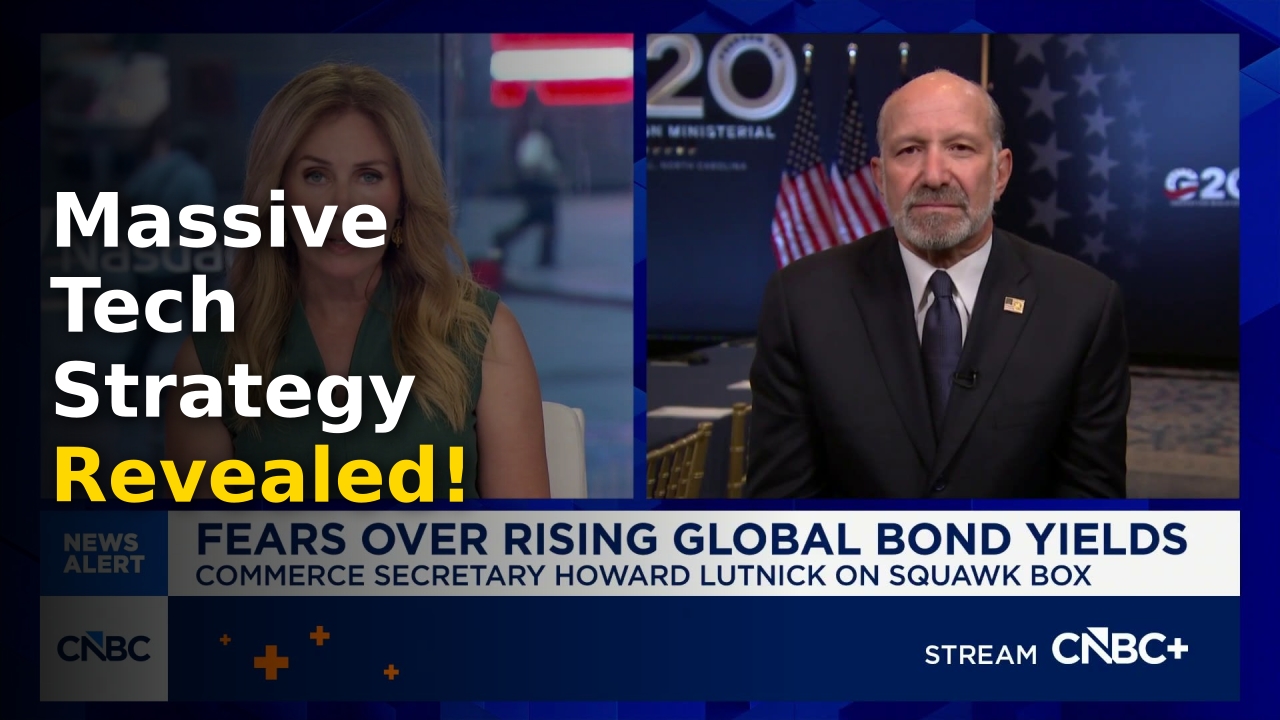
In a recent appearance on ‘Squawk Box’, Lutnick outlined a multifaceted approach to bolstering domestic capabilities while navigating the complex G20 Innovation Ministerial agenda. This strategy touches everything from the massive AI data center buildout in Chapel Hill to the sensitive supply chains governing the tech sector’s most essential components.
Understanding Semiconductor Tariffs and AI Policy
The push for new levies on microchips is not just about revenue; it is a calculated defense of United States manufacturing. By prioritizing domestic production, Lutnick aims to insulate the tech industry from the volatile shifts in global market dependencies. You can see how this aligns with the broader goal of securing the AI supply chain, which relies heavily on advanced chips produced abroad.
Tech CEOs meeting in North Carolina face a new reality where policy intervention is the new normal. The administration’s focus on critical mineral deals—an area where Lutnick families possess deep ties—underscores the seriousness of these deliberations. For investors, this implies a potential long-term shift in how tech companies manage their operational costs.

The Strategic Importance of Chapel Hill
Choosing Chapel Hill for these talks signals a move toward regional innovation hubs. By decentralizing the conversation from Washington, the administration hopes to engage directly with leaders on the front lines of the data center infrastructure explosion. These centers are the bedrock of the Generative AI era, and their efficiency is tied directly to the availability of affordable, reliable hardware.
Defining the Global Trade Landscape
Trade relations with Canada and other key partners are under the microscope as officials determine how to balance protectionism with market stability. The administration argues that moderate trade barriers can prevent dumping while encouraging local investment. This debate is mirrored in the Forbes analysis of current global trade trends, which highlights the precarious nature of chip supply chains.
Economic Impact by the Numbers
Data-driven governance is central to Lutnick’s tenure as Commerce Secretary. Below is a breakdown of the key economic pillars currently being influenced by trade and policy discussions at the ministerial level.
| Policy Area | Strategic Objective | Risk Factor |
|---|---|---|
| Semiconductor Tariffs | Domestic Production Growth | Increased Tech Costs |
| AI Data Centers | Scalable Infrastructure | Energy Demand Spikes |
| Mineral Sourcing | Supply Chain Independence | Geopolitical Tensions |
Background and Future Outlook
The history of trade protectionism in the technology sector is fraught with challenges. Historically, aggressive tariffs have often resulted in retaliatory measures, complicating the economic outlook for 2026. However, Lutnick maintains that the current global landscape necessitates a move away from total reliance on foreign semiconductor fabrication plants.
Expert Perspective on Market Dynamics
Market experts observe that the semiconductor industry is currently operating at a breakneck speed, driven by the insatiable demand for high-performance computing. When the Commerce Department discusses tariffs, they are not just looking at dollars; they are evaluating long-term security. The focus on critical minerals suggests that the administration intends to exert control over every step of the value chain, from raw materials to finished silicon.
The Human Cost of Trade Shifts
Behind the numbers, you find the reality of industrial jobs. The push to build AI data centers domestically is expected to create thousands of construction and technical roles across the United States. These infrastructure projects act as a hedge against global instability, ensuring that the critical hardware required for the next decade of digital transformation remains under local jurisdiction.
People Also Ask
What happened with semiconductor tariffs today?
Commerce Secretary Howard Lutnick confirmed during a recent interview that the administration is actively considering new tariffs on semiconductor imports to bolster domestic production and supply chain security.
Why is Howard Lutnick trending right now?
Lutnick is making headlines due to his pivotal role in negotiating AI policy at the G20 Innovation Ministerial and his direct involvement in trade strategies affecting the U.S. technology sector.
How does this affect current AI data center buildout?
Potential tariffs could increase the cost of hardware used in data centers, prompting firms to prioritize U.S.-sourced alternatives or seek long-term supply stability through new trade agreements.
When is the next G20 Innovation Ministerial?
The ministerial events are currently taking place in Chapel Hill, North Carolina, serving as a primary venue for current administration trade and technology policy debates.
Final Thoughts on Emerging Trade Policy
The evolving landscape of technology trade serves as a barometer for national strength in the 21st century. As officials continue to weigh the feasibility of semiconductor tariffs, you are witnessing the direct consequences of a shifting global order. Whether these measures effectively stimulate domestic growth or invite external friction remains to be seen, but the administration is clearly moving with intent to secure the future of American innovation.
More Like This
For more updates, check out our latest entertainment and sports news.