Security scare events at major international sporting competitions are every organizer’s worst nightmare, and what occurred at the European Athletics Championships last weekend has left thousands of spectators and world-class athletes rattled. You might wonder how a single individual could effectively paralyze an entire major venue, but the events at Alexander Stadium proved that modern security protocols can transform a night of celebration into a grueling exercise in patience and fear.
When you are surrounded by armed police in what was supposed to be a celebratory atmosphere, the psychological shift is instantaneous and unsettling. This isn’t just about delayed buses or missed hotel check-ins; it is about the intersection of public safety, logistical failures, and the underlying tension that follows any disruption at a high-profile, capacity-crowd gathering.
The Anatomy Of A Security Scare
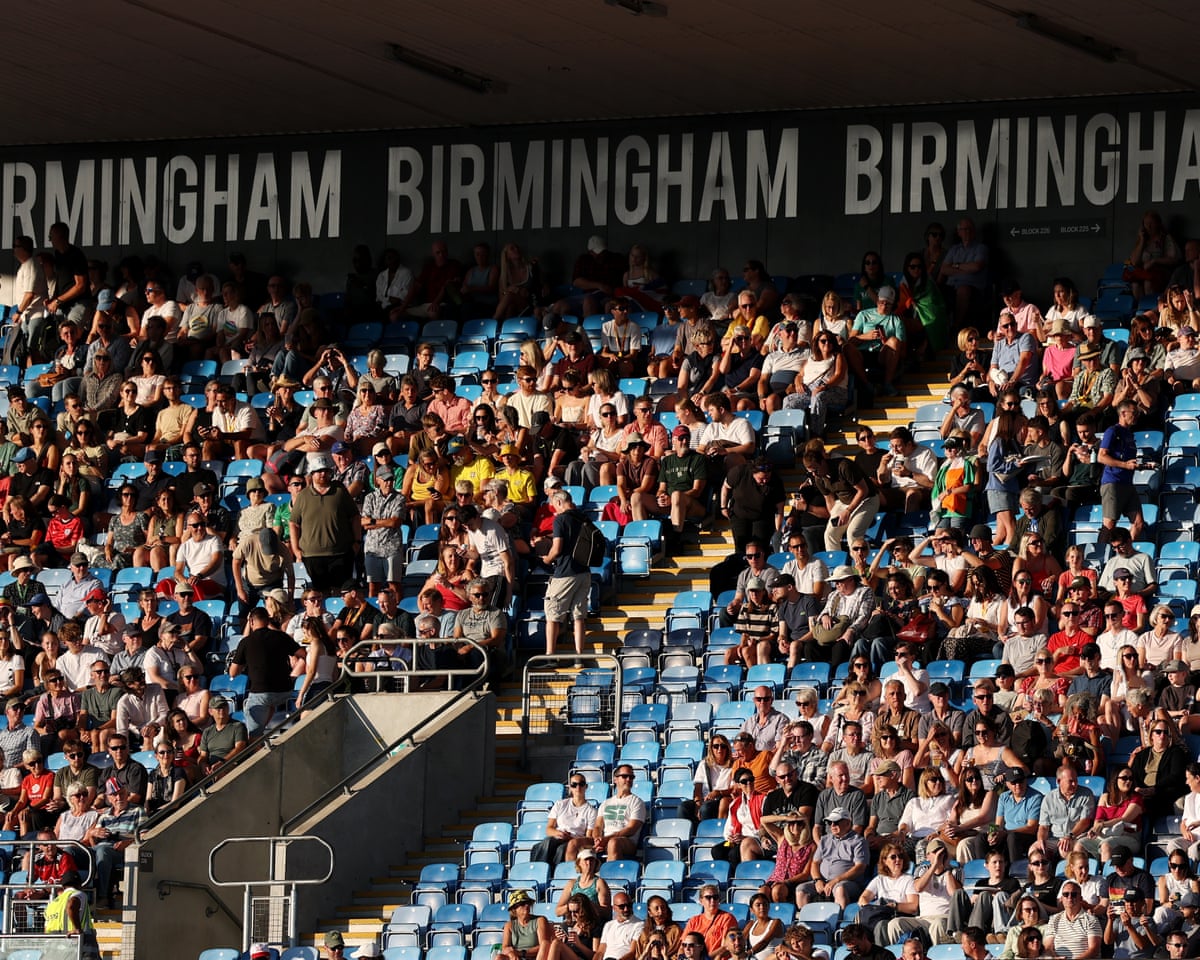
The ordeal began on Saturday night when the stadium was operating at its full capacity of 23,000 people. What should have been a triumphant post-relay victory lap turned into a surreal standoff as stadium announcers abruptly halted the scheduled medal ceremonies. You could feel the confusion ripple through the stands as thousands realized that the path home had effectively been barricaded by an intense, multi-agency police response.
Reports from the ground indicate that West Midlands Police were forced to initiate a high-stakes lockdown after a man in his 30s bypassed security layers using incorrect accreditation. This wasn’t a minor clerical error; it triggered an immediate shutdown of transport hubs and warm-up track access, leaving elite athletes and fans trapped for hours. For more insights on how these high-stakes professional environments operate, check out our report on sports management crisis protocols.
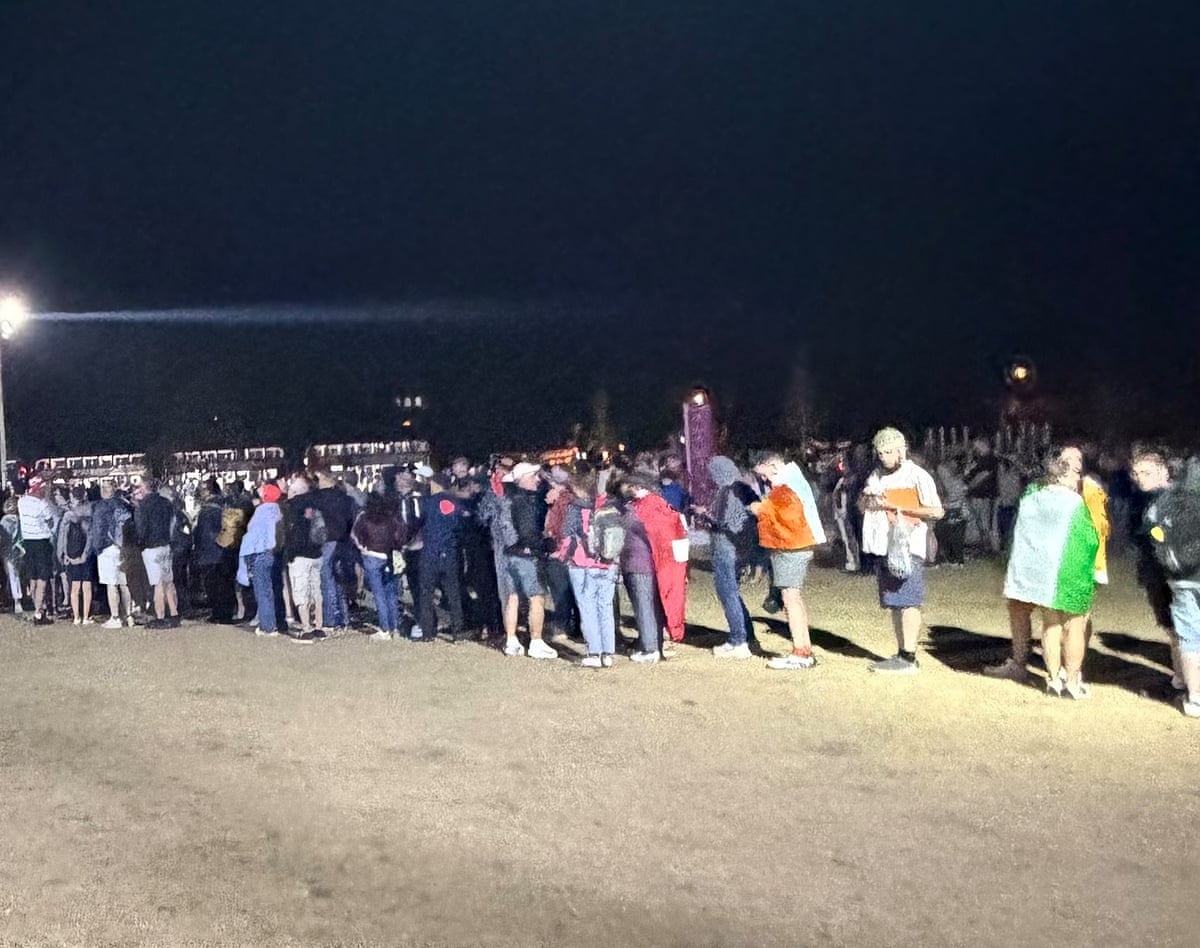
As the night deepened, the atmosphere turned cold and desperate. Athletes, who had just performed at their physical peak, were forced to retreat to high-performance centers just to escape the biting temperatures. Coaches and staff were left in the dark, unable to provide clear answers to their teams or the public. The total lack of communication only served to heighten the anxiety for those caught in the gridlock.
The situation became particularly harrowing for families and vulnerable individuals. Imagine being stranded with a young baby or a disabled relative in a wheelchair, with the temperature dropping and no timeline for transport to resume. This is the reality that Joanne Ray and her husband Ian described, highlighting a systemic failure in the event’s crowd management and emergency communication strategy.
While authorities confirmed there was no immediate threat to the wider public, the optics of heavily armed officers patrolling the bus terminals created an environment of genuine terror. When the professional standard shifts from a friendly neighborhood bobby to an armed tactical unit, the public perception of safety collapses. This incident will undoubtedly be scrutinized by international news agencies as a case study for future event planning.
The economic impact on the attendees is another layer to this debacle. Many individuals, like the Rays, had spent upwards of £2,000 on their championship experience, only to find themselves stranded at midnight with no support. The disregard for the human element of this crisis suggests that logistical efficiency was prioritized over the basic welfare of the ticket-holding public.
Factors Impacting Crowd Safety
- Inadequate public address systems during crises.
- Insufficient contingency planning for transport shutdowns.
- The psychological impact of heavy armed police presence.
- Clear communication gaps between venue staff and attendees.
- Logistical strain on local transport infrastructure during peak hours.
- Financial burden placed on fans during unexpected event delays.
Data And Crowd Logistics Breakdown
The following table outlines the key events and impacts observed during the lockdown of Alexander Stadium. It provides a stark look at how a single security breach can ripple across an entire international event.
| Event Milestone | Time Observed | Observed Impact |
|---|---|---|
| Initial Security Alert | 8:15 PM | Unauthorized access detected |
| Ceremony Postponement | Late Evening | Fan confusion and frustration |
| Transport Suspension | 9:50 PM | Thousands stranded |
| Bus Departure Resumption | 11:45 PM | Gradual site clearance |
| Final Athlete Exit | 12:30 AM | Total site lockdown lifted |
While the administrative side of the European Athletics Championships focused on record-breaking times like Alisa Vainio‘s 2:22:26 marathon, the fans were focused on survival. It is vital to note that despite the chaos, the athletes managed to maintain their professionalism, with Amanal Petros of Germany securing a historic win in the men’s event with a time of 2:09:11.
Yet, for those in the crowd, these achievements felt distant. The contrast between the speed of the track and the stagnation of the bus queues was palpable. This friction between the elite competition and the public experience is what leaves a lasting, bitter taste for the spectators who spent their hard-earned money to witness history.
We must consider the long-term impact on event attendance. When security protocols feel like a punishment rather than a protection, the incentive to return to large-scale events diminishes. Organizers must bridge this gap by implementing better flow-control systems that do not sacrifice the comfort of the public during emergencies.
The Future Of Event Security
As we move further into an era of heightened global uncertainty, the lessons from the Alexander Stadium incident must be integrated into every future hosting strategy. You, as a spectator, deserve to feel safe without being treated as a secondary concern during a security breach. Transparent, real-time updates via mobile apps and stadium screens could have mitigated much of the fear experienced that night.
The reliance on legacy communication methods, such as periodic stadium announcements, proved insufficient. Moving forward, authorities must leverage digital infrastructure to keep crowds informed, calm, and moving safely. Without these upgrades, we risk seeing more scenes of vulnerable families waiting in the dark while police cordons paralyze the city’s transport arteries.
The role of private security firms in coordination with public police forces also needs a comprehensive review. Accreditation processes must be foolproof; a single failure of this nature should not lead to a total logistical collapse. If the industry wants to thrive in 2026 and beyond, security must become invisible rather than intrusive.
Ultimately, the security scare highlights a fundamental tension in modern sports. We want the thrills, the records, and the celebrations, but we also require the infrastructure to ensure we get home safely. The balance between control and comfort is a delicate one, and the industry failed that test on Saturday night.
Reflecting on the marathon results and the impressive athletic feats achieved during the weekend, it is clear that the human spirit of competition remains strong. Yet, that spirit is now tethered to a lingering memory of fear for those present. Hopefully, future organizers take these lessons to heart to ensure the only thing we remember from the championships is the gold medals, not the frozen queues.
More Like This
For more updates, check out our latest entertainment and sports news.