Key Takeaways
| Tulalip Chairman Hazen Shopbell confirms tribal interest in Snohomish County NBA expansion. |
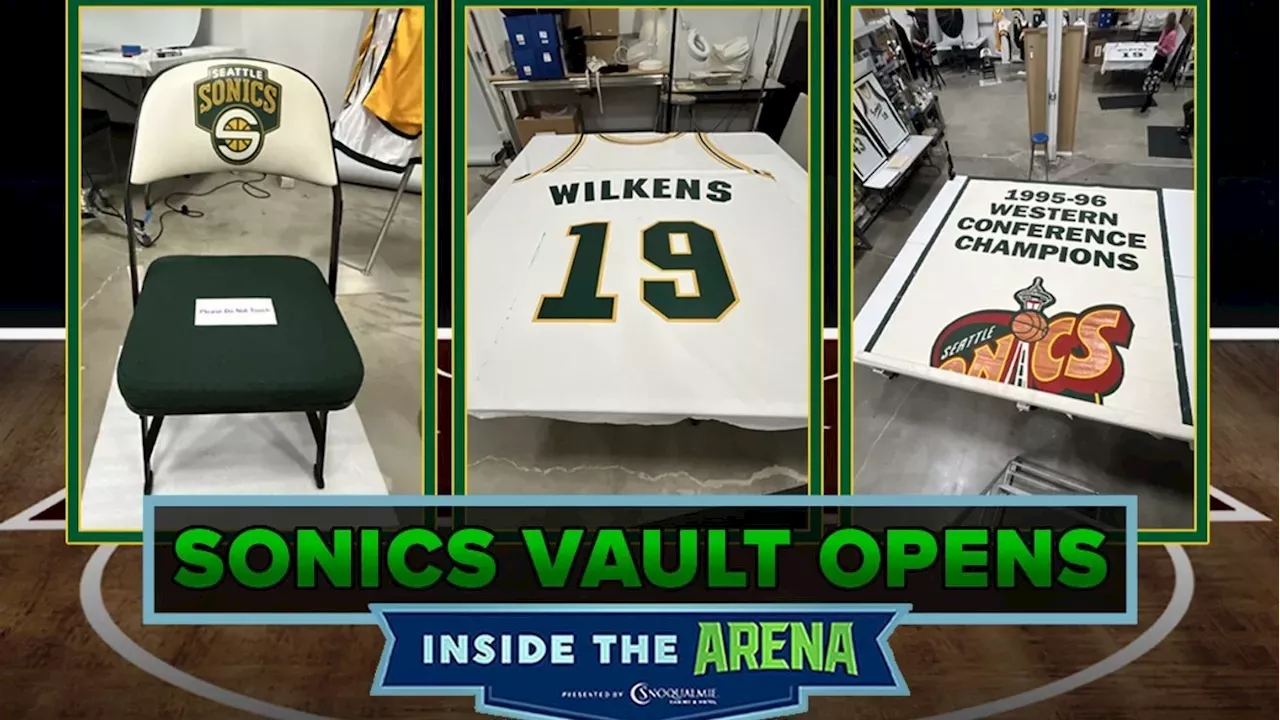
| Seattle’s Museum of History and Industry (MOHAI) officially opens the Sonics Vault. |
| NBA Commissioner Adam Silver identifies Seattle as a primary candidate for future team growth. |
| The proposed Tulalip bid introduces a unique tribal sovereignty model to professional sports. |
You can still feel the ghost of the 1979 championship parade in the streets of the Pacific Northwest, but the Seattle SuperSonics NBA Bid is no longer just a nostalgic dream. Tulalip Chairman Hazen Shopbell has signaled a monumental shift in the pursuit of professional basketball, eyeing Snohomish County as a potential home for the resurrected franchise. As the NBA gears up for a highly anticipated expansion era, the involvement of the Tulalip Tribes adds a formidable financial and cultural layer to the conversation.
The momentum behind the Seattle SuperSonics NBA Bid reached a fever pitch this week with two major developments: Shopbell’s public advocacy for a regional sports hub and the opening of the Sonics Vault at the Museum of History and Industry (MOHAI). These events suggest that the infrastructure for a return is being built both logistically and emotionally. For fans who have waited since 2008, the prospect of a team based in Snohomish County offers a fresh alternative to the crowded downtown Seattle core.
By leveraging tribal resources and sovereignty, Shopbell is positioning the Tulalip Tribes as more than just spectators; they are potential primary stakeholders in a multi-billion dollar venture. This move coincides with the league’s broader interest in diversifying ownership groups and expanding into markets with high growth potential. As you look at the shifting landscape of Washington state sports, the intersection of indigenous leadership and professional athletics represents a historic opportunity for the region.
Seattle SuperSonics NBA Bid Expansion Strategy
The strategic foundation of the Seattle SuperSonics NBA Bid is rooted in the explosive population growth of the North Puget Sound region. Hazen Shopbell recently articulated a vision that transcends traditional city-center stadium models, suggesting that Snohomish County possesses the land and the economic vitality to sustain an NBA franchise. This approach challenges the assumption that any returning Sonics team must reside exclusively within the Seattle city limits.
Tribal leadership brings a unique advantage to the table, specifically regarding land use and long-term capital investment. The Tulalip Tribes have already demonstrated their ability to manage massive commercial enterprises, from the Tulalip Resort Casino to the Seattle Premium Outlets. Applying this expertise to a professional sports arena could streamline development processes that often stall in more traditional urban environments due to zoning and political friction.

Tribal Economic Impact
The fiscal power of the Tulalip Tribes cannot be understated when discussing the Seattle SuperSonics NBA Bid in 2024. With annual revenues reaching hundreds of millions, the tribe has the liquidity required to compete with global private equity firms. Furthermore, a partnership with the tribe would likely include comprehensive community development programs, ensuring that the team’s presence benefits the entire Snohomish County ecosystem.
Industry experts suggest that tribal involvement could solve one of the NBA’s biggest expansion hurdles: public financing. Because the Tulalip Tribes operate as a sovereign nation, they can structure financing deals that bypass traditional tax-increment hurdles. This makes their bid particularly attractive to the NBA Board of Governors, who generally prefer privately funded arena projects to avoid public backlash.
The Role of Snohomish County
Snohomish County has long been a secondary market for Seattle sports, but Shopbell’s proposal elevates it to center stage. The county offers a demographic that is increasingly affluent and sports-starved, providing a built-in season ticket base. If the Seattle SuperSonics NBA Bid succeeds in this location, it would mark the first time a major “Big Four” professional team is headquartered in the northern suburbs of the Seattle metro area.
Local mayors have expressed cautious optimism about the proposal, noting that an NBA arena would serve as a catalyst for transportation and infrastructure improvements. The expansion of light rail and highway upgrades would be essential to accommodate the 18,000-plus fans expected on game nights. This regional approach mirrors successful models seen in other markets where teams have flourished outside of the immediate downtown core.
NBA Expansion Data and Projections
| Market Factor | Seattle/Snohomish Projection | National NBA Average |
|---|---|---|
| Expansion Fee (Estimated) | $4.0 Billion – $5.0 Billion | N/A |
| Media Market Rank | #12 (Combined) | Top 30 |
| Proposed Arena Capacity | 18,500 – 19,200 | 18,000 |
| Regional Corporate Base | Amazon, Microsoft, Boeing | Varies |
The numbers behind the Seattle SuperSonics NBA Bid reflect a market that is fundamentally different from the one that lost the team in 2008. The rise of the tech sector has created a concentration of wealth and corporate sponsorship potential that is unmatched by other expansion candidates like Las Vegas or Nashville. For the NBA, returning to Seattle isn’t just about righting a historical wrong; it’s a calculated business move to tap into a high-value consumer base.
By the Numbers: Expert Analysis suggests that a returning Sonics franchise would immediately rank in the top quartile of league revenue. This is driven by the fact that Seattle remains the largest US media market without an NBA team. According to Forbes’ sports valuation reports, the sheer presence of companies like Starbucks and Costco provides a fertile ground for luxury suite sales and long-term partnership agreements that ensure financial stability.
History and Cultural Significance
To understand the weight of the Seattle SuperSonics NBA Bid, one must look at the deep cultural scars left by the team’s relocation to Oklahoma City. The Sonics were the first major professional sports team to bring a championship to Seattle, and their departure created a void that neither the Seahawks nor the Mariners have fully filled for basketball purists. This history is exactly what the Museum of History and Industry (MOHAI) aims to preserve with its new exhibit.
The “Sonics Vault” opening at MOHAI serves as a bridge between the past and the future. By displaying artifacts from the Gary Payton and Shawn Kemp era, the exhibit reminds the league and the world of the intensity of the Seattle fanbase. Hazen Shopbell has pointed to this cultural legacy as a primary motivator for the Tulalip Tribes’ interest, noting that sports have always played a central role in tribal community gathering and identity.

The MOHAI Sonics Vault
Walking through the MOHAI exhibit, visitors are greeted with the sights and sounds of 41 years of basketball history. From the early days of the 1960s to the heartbreaking final game in 2008, the vault curated by local historians captures why the Seattle SuperSonics NBA Bid carries such emotional weight. It features original floorboards from the Kingdome, game-worn jerseys, and digital archives of iconic radio broadcasts that defined the region’s sports landscape.
This exhibit is more than a walk down memory lane; it is a strategic asset for the expansion bid. It demonstrates to the NBA that the brand remains vibrant and marketable despite its decade-long hiatus. The “Sonics” name and colors are iconic, and the ability to immediately tap into that existing brand equity is a luxury that new expansion markets like Las Vegas cannot offer. The Tulalip Tribes recognize that they aren’t just buying a team; they are reviving a legend.
Expert Take: The Sovereignty Advantage
From a sports law perspective, a bid led by the Tulalip Tribes introduces fascinating legal and operational advantages. Tribal nations have the ability to govern their own territories, which could lead to unique fan experiences involving sports betting, entertainment districts, and hospitality that are integrated directly into the arena complex. This level of vertical integration is something most NBA owners can only achieve through complex negotiations with city councils and state legislatures.
Furthermore, the Seattle SuperSonics NBA Bid benefits from the tribe’s long-term perspective. Unlike private equity groups that may look for an exit strategy within ten years, tribal nations view investments through the lens of generations. This aligns perfectly with the NBA’s desire for stable, legacy-focused ownership groups. Shopbell’s leadership indicates a commitment to the team that transcends quarterly profits, focusing instead on the long-term prosperity of the community.
People Also Ask
What happened with the Seattle SuperSonics NBA bid today?
Tulalip Chairman Hazen Shopbell officially expressed interest in bringing the Sonics to Snohomish County, while MOHAI opened its ‘Sonics Vault’ exhibit to showcase the franchise’s history and readiness for a return.
Why is Hazen Shopbell trending right now?
Hazen Shopbell is trending due to his leadership role in a potential tribal-led NBA expansion bid that could see the SuperSonics return to Washington state under a unique tribal ownership model.
How does the Tulalip Tribe affect NBA expansion?
The Tulalip Tribe provides significant financial capital and land-use advantages that could bypass traditional public funding hurdles, making the Seattle/Snohomish bid highly competitive in the NBA’s expansion process.
When is the Sonics Vault opening at MOHAI?
The Sonics Vault exhibit at the Museum of History and Industry (MOHAI) is opening now as part of a strategic effort to build momentum for the 2024 expansion bid and preserve local sports history.
Future Outlook for the Sonics Return
As we look toward the 2025 NBA season and beyond, the Seattle SuperSonics NBA Bid remains the most compelling narrative in professional basketball expansion. The combination of Hazen Shopbell’s vision and the historical weight of the Sonics brand creates a force that is difficult for the league to ignore. Whether the team lands in a revamped Climate Pledge Arena or a brand-new tribal-led facility in Snohomish County, the outcome seems increasingly inevitable.
You can stay informed on the latest developments by following the work of Seattle sports icons who are championing this cause. The road to the NBA’s return is paved with complex negotiations, but for the first time in sixteen years, the path is clear. The Seattle SuperSonics NBA Bid is no longer a matter of ‘if,’ but a matter of ‘when’ and ‘where’ the green and gold will take the court once again.
Ultimately, the success of this bid will depend on the synergy between the NBA’s global ambitions and the local commitment of leaders like Shopbell. As the league continues to evaluate its NBA legend net worths and ownership structures, the Tulalip Tribes offer a model of stability and cultural richness. For more updates on the business of basketball, keep an eye on our sports business updates as the expansion story unfolds throughout 2024.
More Like This
For more updates, check out our latest entertainment and sports news.