Key Takeaways
| Unmatched Realism: The 24-minute Omaha Beach sequence remains the industry gold standard for combat depiction. |
| Human-Centric Narrative: Spielberg prioritizes the emotional toll on the squad over mere spectacle. |
| Historical Impact: The film is rooted in the true account of the Niland brothers during WWII. |
| Legacy status: Nearly three decades later, the film continues to shape modern cinema’s approach to the war genre. |
Saving Private Ryan is arguably the most visceral, near-perfect cinematic experience ever produced about the Second World War. If you have ever wondered why this 1998 masterpiece still dominates cultural conversations 28 years later, the answer lies in its ability to strip away the varnish of glory and present the raw, unadulterated reality of combat. By focusing on the profound loss and individual humanity of its characters, Steven Spielberg created a timeless monument to the soldiers of the Greatest Generation.
You might be surprised to learn that while the film is a titan of the genre, its impact goes far beyond the battlefield. By blending historical accuracy with a deeply personal story of sacrifice, Saving Private Ryan has set a high bar that modern directors still struggle to reach. Whether you are a film buff or a history enthusiast, understanding the legacy of this production reveals much about how we process the trauma of global conflict today.
Saving Private Ryan: The Masterclass in Cinematic Realism
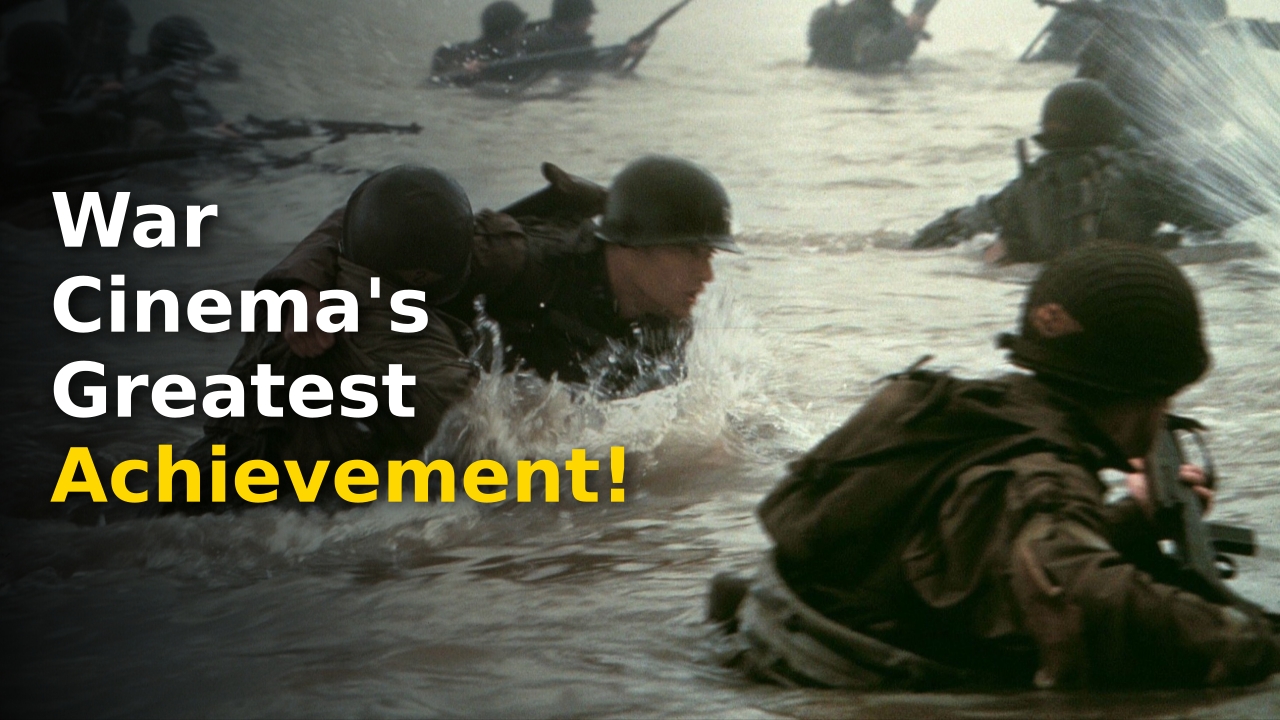
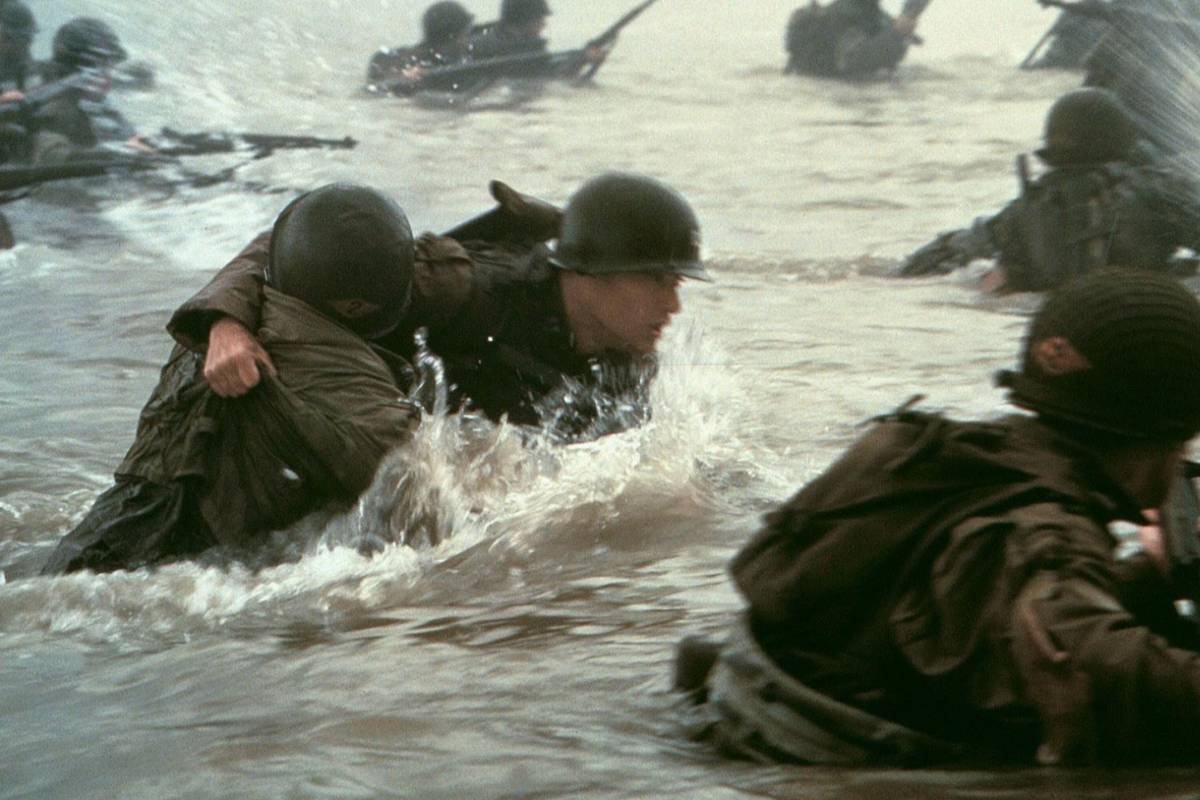
The sheer impact of the film begins with its opening sequence. For twenty-four minutes, audiences are thrust into the chaos of the Normandy invasion with a level of intensity that changed the language of action filmmaking forever. This was not the sanitized violence of earlier Hollywood; it was a brutal, shaking, and unrelenting depiction of the Omaha Beach landing on June 6, 1944. Spielberg’s choice to use hand-held cameras and remove the shutter speed resulted in a jagged, hyper-realistic aesthetic that puts you directly inside the bunker with the soldiers.
Beyond the technical prowess, the film succeeds because it anchors itself in the authentic struggles of its squad members. From Captain Miller’s stoic leadership to the youthful terror of Upham, the characters are designed to represent the diverse facets of human resilience. This is essential viewing for cinema enthusiasts who want to see how narrative tension is built through character development rather than just plot points. The ensemble cast, featuring stars like Tom Hanks and a young Vin Diesel, brings a heavy sense of gravitas to the mission, transforming a simple search-and-rescue plot into a profound exploration of grief and duty.

The Psychology of Combat
What sets the film apart from other gritty entries like Full Metal Jacket or Platoon is its refusal to turn its heroes into cardboard caricatures. Instead, Spielberg presents the squad as victims of a massive, indifferent machine. The directive to rescue James Francis Ryan is framed as a moral conflict: should the lives of eight men be risked to save one, all to appease a bureaucratic sentimentality?
This central question elevates the movie from a standard war film to a philosophical debate about the value of an individual life in the midst of global catastrophe. The emotional weight of the film is felt in the quiet moments between the artillery barrages, where the soldiers contemplate their homes, their families, and the likelihood that they will never return. It is here that the film earns its reputation as a near-perfect piece of art, balancing the deafening roar of war with the soft, fragile heartbeat of human decency.
By The Numbers: The Scale of Production
The production scale of the film was unprecedented for its time, utilizing hundreds of extras and authentic period weaponry to ensure every detail felt real. To understand the magnitude of this achievement, consider the following data points which summarize the effort that went into crafting this historical legend:
| Category | Details |
|---|---|
| Omaha Beach Sequence | 24 Minutes of runtime |
| Production Budget | $70 Million |
| Awards Won | 5 Academy Awards |
| Key Inspiration | Sergeant Frederick Niland story |
The Historical Context of the Niland Brothers
The narrative heart of the film is inspired by the real-life story of the Niland brothers. The U.S. military’s Sole Survivor Policy, which prevents the last surviving son of a family from being placed in combat after his brothers have died, serves as the engine for the movie’s plot. This policy was tragically misunderstood during the chaotic days of June 1944, leading to the frantic search that we see on screen.
Steven Spielberg consulted extensively with veterans to capture the atmosphere of 1944. According to IMDb records regarding production facts, many of the extras in the beach scene were actual veterans of the D-Day landing. This adds an intangible layer of authenticity that cannot be faked or CGI’d. Their presence on set acted as a living reminder of the gravity of the events being depicted, compelling the crew to reach a level of precision that remains legendary in the analysis of historical cinema.
Expert Perspective on Combat Filmmaking
Military historians often cite this movie for its portrayal of small-unit tactics. Unlike many films that rely on wide-angle shots to show mass movement, this movie stays at the squad level, illustrating the confusion and lack of situational awareness that defines real combat. Expert analysts argue that this choice forces the viewer to identify with the confusion of the infantryman, stripping away the comfort of the ‘bird’s-eye view’ that is common in less accurate historical dramas.
Furthermore, the sound design in the film is frequently heralded as the best in the business. The auditory experience—the way gunfire sounds, the screech of metal, and the eerie silence following an explosion—is designed to overwhelm the senses. This technical mastery ensures that even 28 years after release, the experience of watching the film remains as harrowing as it was in 1998, continuing to influence directors who aspire to capture the brutal truth of the frontlines.
People Also Ask
What happened with the Niland brothers in real life?
Frederick Niland was indeed the subject of a rescue mission after his three brothers were believed to have been killed in action. He was sent home to the United States to finish his service, though it was later discovered that one of his brothers had actually survived as a prisoner of war.
Why is Saving Private Ryan trending right now?
The film remains a topic of cultural discussion due to ongoing retrospectives analyzing its technical impact on action cinema and its enduring emotional relevance in modern media discourse.
How does this movie affect the genre of war films?
The film set a new standard for realism, specifically regarding handheld camera usage and practical sound design, which directors now use as a benchmark for authentic combat depictions.
When was Saving Private Ryan originally released?
Saving Private Ryan was released in the United States on July 24, 1998, and quickly became a massive critical and commercial success.
The Lasting Legacy of a Near-Perfect Film
Nearly three decades after its debut, the film stands as a testament to the power of storytelling when married to an uncompromising vision. It reminds audiences that war is not just about the victory of nations, but about the individual costs paid by those on the ground. By focusing on the bond of brotherhood and the heavy burden of duty, Saving Private Ryan remains the ultimate war movie for any generation.
As we look back at the cinematic landscape of the 1990s, it is clear that few films have had the staying power or the cultural resonance of this masterpiece. It bridges the gap between high-stakes action and profound, quiet drama, ensuring that it remains at the top of every ‘best-of’ list. For those who seek to understand the human condition, the film is an essential, if difficult, watch that will continue to challenge and move audiences for decades to come.
More Like This
For more updates, check out our latest entertainment and sports news.