Key Takeaways
| Red mesh netting artificially enhances the perceived color of citrus fruits. |
| Viral social media claims highlight a growing consumer distrust in grocery store marketing. |
| Packaging color theory is a standard industry practice to improve shelf appeal. |
| Shoppers are increasingly using TikTok to expose perceived deceptive retail habits. |
You have likely walked through the produce section of your local warehouse store and wondered why the fruit looks so impossibly vibrant. The Sam’s Club orange packaging controversy has recently exploded online, with shoppers claiming the red mesh bags are essentially a visual trick designed to deceive the eye. As food prices remain a top concern for American families, the frustration surrounding these perceived deceptive retail tactics has reached a boiling point.
The viral video, posted by TikTok creator Smokeydapolydactyl, demonstrates exactly how the netting manipulates color perception. By placing her hand under the mesh, the creator revealed how the red hue bleeds onto skin and fruit alike, creating a warm, radiant glow that disappears the moment the product is removed from the bag. This incident highlights a broader conversation about retail transparency and consumer rights in an era of heightened digital scrutiny.
Understanding Sam’s Club orange packaging and color perception
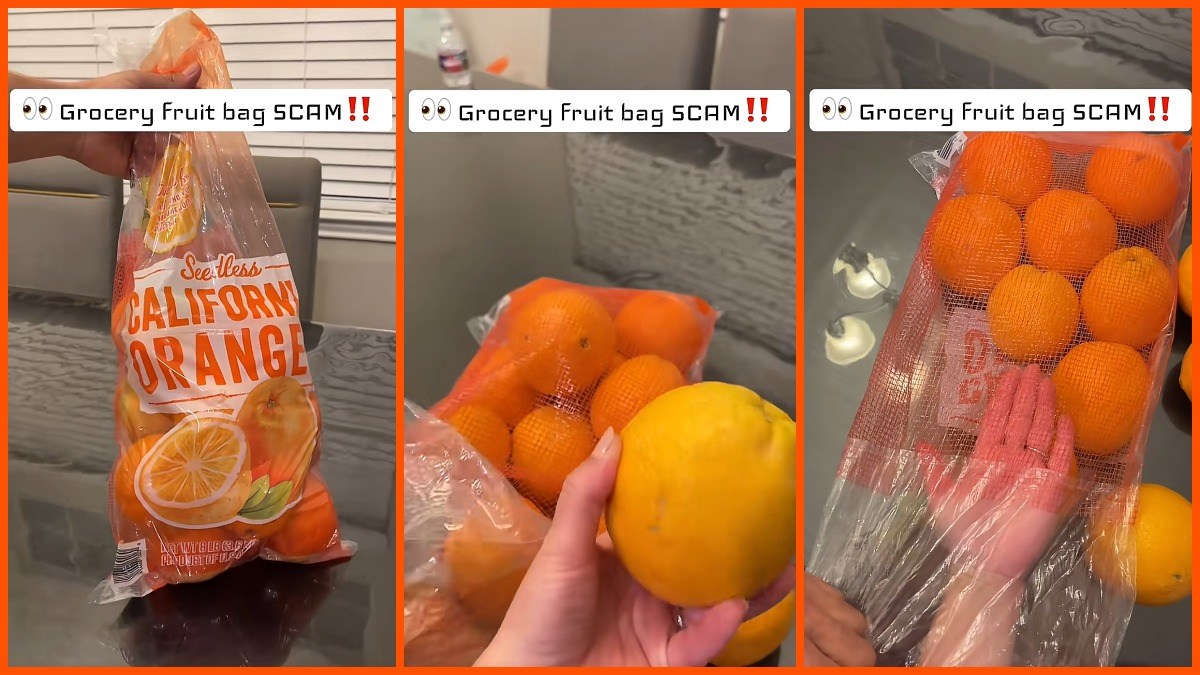
The debate surrounding Sam’s Club orange packaging is not merely about a single bag of produce; it touches on the complex psychology of supermarket aesthetics. Retailers have used color theory for decades to influence buying habits, often selecting packaging colors that complement or intensify the natural appearance of the goods inside. When you see those bright, deep-orange hues through the netting, your brain is conditioned to associate that intensity with ripeness and peak quality.
However, once the fruit is removed from the “confetti illusion” of the red mesh, the reality often shifts to a more muted or pale yellow. This stark contrast led one user to exclaim, “I’m tired of being scammed,” sparking a massive debate in the comment sections. While some shoppers feel cheated, others argue that this is simply the nature of commercial packaging. The skepticism regarding current food industry standards is growing, as shoppers look for more authentic connections to their food sources.
To put this into perspective, we must look at how color contrast works. When a red-tinted mesh is placed over a yellow object, the additive color mixture makes the object appear more orange. This is a basic optical principle, yet it is rarely discussed in the context of grocery store floor strategies. The viral nature of this complaint suggests that consumers are no longer willing to accept these passive visual marketing tactics as standard practice.
Why consumers feel deceived by retail marketing
- Increased sensitivity to rising grocery prices makes any perceived deception feel like a direct hit to the wallet.
- The growth of short-form video platforms allows shoppers to provide real-time evidence of their shopping experiences.
- A lack of transparency regarding packaging materials leads to a breakdown in trust between legacy retailers and the public.
- Digital communities are fostering a culture of “call-out” content that demands corporate accountability.
Visual reality versus market expectations
The discrepancy between the product on the shelf and the product in your kitchen is becoming a significant pain point for many. As modern consumers demand more honesty from big-box retailers, the reliance on aesthetic tricks is coming under fire. We reached out to retail analysts to understand if this is a deliberate strategy or a consequence of cost-effective supply chain management. Many experts suggest that red netting is simply cheaper to mass-produce, and the optical effect is an unintended but lucrative side effect.
Regardless of intent, the impact on the customer remains the same. When you buy a bag of oranges expecting a certain quality based on the shelf-display, only to find something less impressive at home, the brand loyalty is diminished. This is a common theme explored in Forbes’ analysis of modern retail strategies, which notes that transparency is now the most valuable currency for any legacy brand attempting to survive the digital age.
The data behind retail color strategies
| Marketing Tactic | Target Goal | Consumer Impact |
|---|---|---|
| Red Mesh Netting | Enhance citrus radiance | Perceived quality increase |
| Printed Backdrops | Create illusion of stock | Improved store aesthetics |
| Warm LED Lighting | Highlight fresh produce | Increased impulse purchasing |
It is worth noting that grocery stores are essentially theaters of consumption. From the misting systems on leafy greens to the specific color temperatures of overhead LED bulbs, every square inch of a store is designed to make products look their best. While the Sam’s Club orange packaging debacle might seem minor, it is part of a larger, systemic effort to ensure that food items are as visually appealing as possible. For more insights on how these giants operate, read about the evolution of consumer-facing business models in 2026.
Background and consumer accountability
The history of packaging is essentially a history of competition. As far back as the early 20th century, food vendors used various methods to make their wares stand out. In the modern era, social media has acted as a leveler, giving the average shopper the power to challenge corporate narratives. The case of the Kroger shelves—which were found to be printed backdrops—set a precedent for this type of digital investigation. Today, a shopper with a smartphone is effectively an amateur journalist, holding retailers to a standard that did not exist a generation ago.

By the numbers, the consumer sentiment is shifting rapidly. Nearly 60% of Gen Z shoppers check social media reviews before making a high-frequency purchase. This means that a single viral video can have a measurable impact on brand sentiment and even stock performance. While Sam’s Club remains a dominant force in the retail space, they are not immune to the court of public opinion. If shoppers feel that their trust is being undermined by cosmetic illusions, the backlash can be swift and difficult to contain.
People Also Ask
What happened with the Sam’s Club orange packaging today?
A viral TikTok video demonstrated how red mesh packaging alters the color of oranges, making them look significantly more vibrant and orange than they appear when removed from the bag.
Why is this orange packaging trend currently viral?
The trend is gaining momentum because shoppers are increasingly frustrated with the perceived discrepancy between store-shelf aesthetics and the actual quality of produce.
How does mesh color affect consumer buying behavior?
Packaging colors like red are intentionally used to enhance the natural appearance of citrus, subconsciously signaling freshness and quality to the shopper.
When did grocery transparency become a viral topic?
The movement gained significant traction following viral clips exposing fake produce displays in other major chains, encouraging shoppers to inspect their groceries more critically.
Refining the grocery experience
As we look toward the future of retail, the lesson is clear: honesty is the only policy that guarantees long-term customer loyalty. The Sam’s Club orange packaging debate is a wake-up call for retailers to prioritize authentic presentation over aesthetic shortcuts. While color-enhancing mesh may be an industry standard, the modern consumer is far too savvy to be fooled for long. Moving forward, retailers who embrace radical transparency will likely be the ones who win the favor of the next generation of shoppers.
Whether or not the netting is a intentional scam is secondary to the fact that customers feel cheated. For now, the best advice for any shopper is to inspect their produce outside the bag before heading to the checkout lane. By staying informed and vocal, the public ensures that grocery brands remain accountable. The era of the silent shopper is over, and the era of the empowered consumer has officially arrived.
More Like This
For more updates, check out our latest entertainment and sports news.