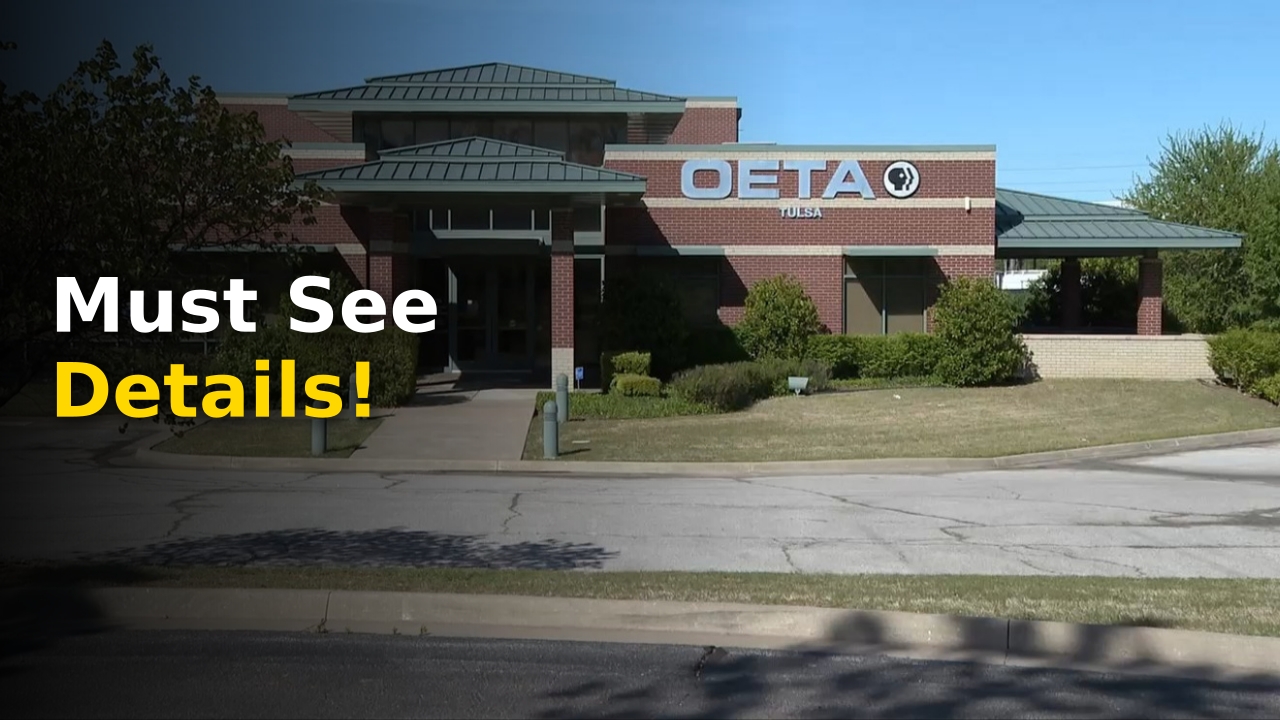
Route 66 is more than just a stretch of asphalt; it is the beating heart of the American dream, and a new documentary is finally capturing its soul. You have likely heard the legends of the Mother Road, but the upcoming debut of Crossroads of America: Oklahoma’s Route 66 on OETA offers a raw, unfiltered look at the grit and glory that defined a century of travel.
This production, spearheaded by the Oklahoma Historical Society, promises to transport you from the harrowing days of the Dust Bowl to the modern-day neon glow of retro diners. Whether you are a history buff or a fan of classic road trip culture, this film serves as an essential archive of a vanishing era.
The Untold Route 66 Legacy
You might wonder why a road holds so much power over the collective American imagination, but the answer lies in the people who built their lives along its path. The documentary dives deep into the personal testimonies of small business owners who served millions of travelers during the golden age of automotive tourism.
Director Bryan Beasley spent months meticulously gathering footage that highlights how the road transformed Oklahoma from a frontier landscape into a bustling hub of commerce. By interviewing those who lived through the road’s evolution, the filmmakers have preserved voices that would have otherwise been lost to time.
The film does not shy away from the economic hardships that plagued the region, specifically during the 1930s. You will witness the struggle and the resilience of families who relied on the highway for survival when the land itself seemed to turn against them.

This project is bolstered by the Inasmuch Foundation and the Cherokee Film Commission, organizations dedicated to ensuring that Oklahoma history is documented with precision. Their support allowed for high-quality production values that make the Mother Road feel alive again.
You can find more background on the preservation of historical landmarks by visiting pop culture historical guides which often feature segments on iconic American roadways. It is this type of meticulous storytelling that defines the upcoming OETA broadcast as a landmark event in regional television.
The narrative arc follows the road’s decline with the advent of the Interstate Highway System and its subsequent cultural revival as a tourist destination. It is a story of death, rebirth, and the stubborn persistence of local identity against the march of progress.
Production Highlights
- Directed by Bryan Beasley with a focus on archival integrity.
- Produced by Jon and Jaime Roman under the Oklahoma Historical Society banner.
- Supported by the Inasmuch Foundation for historical preservation.
- Featuring rare Cherokee Film Commission footage of regional landmarks.
Documentary Production Data
The scale of this production reflects the significance of the Mother Road to Oklahoma identity. Below is a breakdown of the key elements that make this documentary a must-watch for historians and casual viewers alike.
| Category | Details |
|---|---|
| Premiere Date | August 29, 2026 |
| Primary Network | OETA |
| Subject Matter | Evolution of Route 66 |
| Production Lead | Oklahoma Historical Society |
The Cultural Impact
You have likely noticed that Route 66 has seen a surge in popularity as a destination for international tourists seeking an authentic American experience. This documentary serves as a companion piece for those who want to understand the deep-rooted history that exists just off the exits of the modern highways.
By highlighting the Cherokee influence and the distinct cultural tapestry of Oklahoma, the film provides a multifaceted view of the road. It isn’t just about fast cars and classic diners; it is about the intersection of diverse communities meeting at the same asphalt crossroads.
Historians involved in the project emphasize that without this documentation, the stories of small town main streets in Tulsa and beyond might be forgotten. These places once served as the primary nodes of American travel, linking the Midwest to the West Coast.
You will learn about how the road changed during the Second World War and how it became a primary route for military logistics. The documentary connects these global events to the local, family-owned businesses that kept the road running through thick and thin.

Check out official Reuters news archives regarding historical preservation efforts if you are interested in how other states are protecting their aging infrastructure. Understanding the broader context helps you appreciate why Oklahoma is leading the way in this specific historical documentation.
The film’s impact is already being felt, with multiple screenings being planned across the state following the OETA debut. This ensures that the history remains accessible to the very communities that shaped the road’s reputation over the last eighty years.
Behind The Scenes
The production process was a massive undertaking that required years of archival research and on-site filming. Jon and Jaime Roman worked alongside the Oklahoma Historical Society to ensure that every interview felt authentic and representative of the era.
You might be surprised to learn that many of the locations featured in the film are still operational today. This creates a bridge between the past and the present, showing you that the Mother Road is not a dead relic but a living, breathing part of the state.
The film explores how the Dust Bowl forced families to pack their lives into automobiles and head west, turning the route into a lifeline. This period of intense suffering ultimately forged the spirit of Oklahoma that we recognize today.
The aesthetic of the film leans heavily on a nostalgic yet sharp visual style, utilizing high-definition cameras to capture the rusting beauty of abandoned gas stations. You are invited to see these structures not as eyesores, but as monuments to a bygone era of travel.
The Cherokee Film Commission provided unique insights into the land’s history, ensuring that the documentary acknowledges the indigenous roots of the territory. This balance of perspectives gives the film a depth often missing from standard historical documentaries.
As you watch the film, you will be struck by the intimacy of the stories shared by the residents. These are not merely interviews; they are fragments of lived experience that define the American narrative of the 20th century.
Final Reflections on History
As the premiere date approaches, anticipation is building across the state for what is expected to be a definitive account of Oklahoma travel. This film does more than just show you the path; it helps you understand the weight of the miles traveled and the memories made along the way.
Make sure to mark your calendar for August 29th, as this is a rare opportunity to witness history being curated for future generations. You are not just watching a documentary; you are witnessing a commitment to the preservation of our collective heritage.
Ultimately, Route 66 remains a symbol of human curiosity and the desire to see what lies over the next horizon. We hope that this production inspires you to look closer at the history beneath your own tires the next time you drive through Oklahoma.
More Like This
For more updates, check out our latest entertainment and sports news.