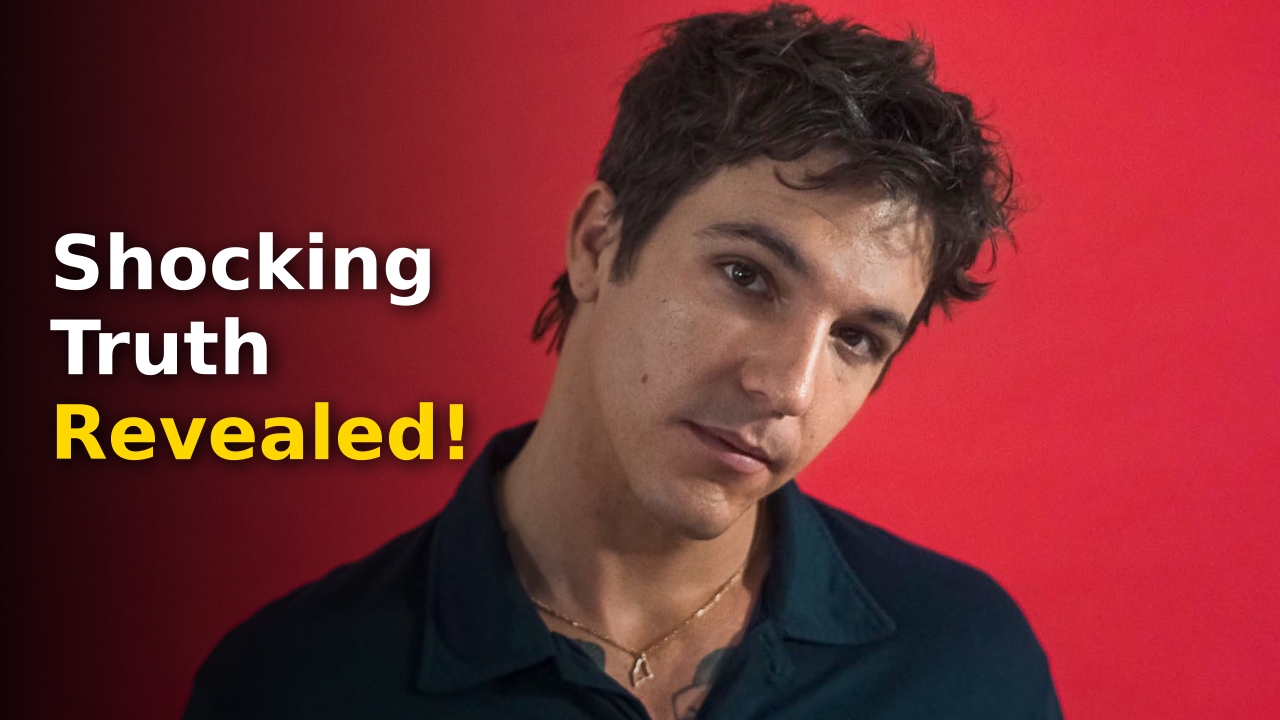
Do you ever feel like you’re stuck in a career path that doesn’t actually fit your soul? Role Model is currently navigating that exact dilemma as he transitions from a viral sensation into a serious artist with his latest record. You might know him as the guy who made heartland rock cool for a new generation, but there is so much more happening behind the scenes of his newest project, Chuck Timely and The Hourglass.
Tucker Pillsbury, famously known as Role Model, is finally ready to shed the skin of his previous iterations and embrace something far more vulnerable. In a landscape where every male artist is clawing for the title of the next big pop boy, Pillsbury is intentionally stepping back. He isn’t interested in the shiny suits or the choreographed backup dancers that usually define superstardom in 2026. Instead, he is looking backward to move forward, channeling the raw energy of icons who defined the American soundscape decades ago.
This evolution isn’t just about the music; it’s about a complete personal overhaul. From ending his most famous stage bits to publicly confirming high-profile relationships, the stakes have never been higher for the Maine native. If you’ve been following his journey from the bedroom pop era to the present day, you know that his path has been anything but linear. Now, he’s ready to talk about the trauma of cold winters, the anxiety of acting with Hollywood royalty, and why his stage name might be on its last legs.
Role Model Reinventing Heartland Rock
The sounds of Jackson Browne, Bruce Springsteen, and John Mellencamp are not usually what you’d expect to hear in a Gen-Z playlist. However, Role Model is hell-bent on changing that perception. He views the application of these classic sounds to modern pop as a fun, creative challenge. It’s a bold move in an industry that often favors short-lived trends over timeless melodies. By nodding to the greats, he’s creating a bridge between generations that few of his peers dare to cross.
His breakthrough single, “Sally, When the Wine Runs Out,” served as the perfect introduction to this “Tom Petty vibe” that fans have come to love. But even with that success, Pillsbury remains his own harshest critic. He recently admitted that the song features what he considers the dumbest bridge he’s ever written, comparing it to a children’s book. This level of self-awareness is rare in the music industry and shows that he is more concerned with artistic integrity than just racking up streams. He’s looking for depth, not just catchy hooks.
The new album, Chuck Timely and The Hourglass, is the culmination of this stylistic shift. It moves away from the simpler structures of his early work and dives into complex arrangements. Working with producer Mason Stoops, he has crafted a record that feels lived-in and authentic. This isn’t just pop music; it’s a love letter to the history of rock and roll. You can hear the influence of Rolling Stone legends in every track, yet it remains distinctly his own.
But why heartland rock? For an artist from Maine, the connection to the working-class, guitar-driven anthems of the 70s and 80s feels natural. It’s music that feels like a cold car on a winter morning, minus the “microtrauma” of early 2000s club hits. It’s grounded, honest, and stripped of the artifice that often plagues the modern music scene. He wants to be just under the level of a pop star, existing in a space where the music speaks louder than the brand.
This rejection of the “pop star” label is central to his identity. He finds the constant debate over who the next “it boy” will be to be exhausting and uninteresting. By choosing to work with specific collaborators and carrying himself with a certain level of modesty, he is effectively opting out of the rat race. He loves making pop music, but he hates the baggage that comes with the crown. It’s a refreshing take in an era dominated by social media clout.
Even his stage presence is changing. He recently killed off his famous “Sally” stage bit, where he would invite fans on stage. While some younger fans were disappointed, Pillsbury felt it was a necessary step to prove he believes in his new material. He didn’t want to rely on old tricks to keep the audience engaged. He wanted the new songs to stand on their own merit, proving that he has grown beyond the “silly” lyrics of his past. This transition signifies a maturity that suggests he is in this for the long haul.

Dakota Johnson Musical Surprise
One of the biggest talking points of the new era is the unexpected cameo by Dakota Johnson. For months, fans speculated about the relationship between the two, but Pillsbury kept things relatively quiet. That changed with the release of the track “Love I You,” which features a flirtatious spoken-word bridge. Fans immediately recognized Johnson’s voice, forcing a public confirmation of what many had already guessed. It was a moment of vulnerability for an artist who prefers to keep his personal life separate from his work.
Initially, Role Model was resistant to the idea of having her on the album. He has always tried to maintain a clear boundary between his private world and his public persona. However, his producer continued to push for the collaboration. Eventually, Johnson was convinced to step into the booth, and the result was magic. Pillsbury admits that her voice was perfect for the track, adding a layer of intimacy that he couldn’t have achieved on his own. It transformed the song into something deeply personal and special.
The decision to include her wasn’t about generating headlines, although that was an inevitable side effect. It was about what served the song best. The back-and-forth in the bridge feels natural and effortless, capturing a specific moment in their relationship. For more updates on celebrity pairings and their creative collaborations, you can check out the latest reports on Bright Celebrity. This cameo is a rare glimpse into the private life of a man who usually stays out of the limelight.
Beyond the music, this collaboration highlights the supportive dynamic between the two. In an industry where high-profile relationships are often used for marketing, their approach feels genuine. They aren’t trying to sell you a fairytale; they are just two artists sharing a creative moment. It adds a layer of relatability to the record, making the themes of love and connection feel even more poignant for the listener.
The album also touches on the darker side of romance, specifically the aftermath of his 2023 split from Emma Chamberlain. The two-year stretch of singledom that followed was a period of intense reflection for Pillsbury. He openly admits to slipping into a depression during this time, grappling with whether he should jump into a new relationship or focus on fixing himself first. Without a therapist to guide him, he turned to songwriting to process these complex emotions.
This honesty is what makes Chuck Timely and The Hourglass so compelling. It’s not just a collection of songs; it’s a narrative of healing. He asks difficult questions throughout the record, many of which he didn’t have the answers to at the time. By sharing his struggles with mental health and heartbreak, he is providing a roadmap for others who might be going through similar experiences. It’s a testament to the power of music as a therapeutic tool.
Key Album Collaborators
- Mason Stoops: The producer who helped define the new heartland rock sound and convinced Dakota Johnson to join the project.
- Dakota Johnson: Provided the pivotal spoken-word bridge on the standout track “Love I You.”
- The Hourglass Band: The core group of musicians who brought the analog, vintage feel of the record to life.
- Tucker Pillsbury: The primary songwriter and visionary behind the Chuck Timely persona.
Role Model Vital Career Statistics 2026
| Category | Details |
|---|---|
| Current Stage Name | Role Model |
| Latest Album | Chuck Timely and The Hourglass |
| Film Debut | Good Sex (Directed by Lena Dunham) |
| Breakthrough Single | Sally, When the Wine Runs Out |
| Key Musical Influences | Tom Petty, Bruce Springsteen |
| Hometown | Portland, Maine |
Acting With Natalie Portman
As if a major musical pivot wasn’t enough, Pillsbury is also making his debut on the silver screen. He landed a role in Lena Dunham’s upcoming project, Good Sex, starring opposite the legendary Natalie Portman. Transitioning from the stage to a film set is a daunting task for anyone, but doing it alongside an Oscar winner adds a whole new level of pressure. He describes the experience as nerve-wracking, noting that he didn’t eat all day before his first major scene.
His first day on set was particularly intense, involving a massive scene with over 100 extras watching his every move. For someone who is already wary of the spotlight, this was a trial by fire. He admits that he got in his head during a monologue delivered by Portman, momentarily forgetting his own character because he was so starstruck. Watching a master of the craft at work was a humbling experience that gave him a new appreciation for the art of acting.
This move into acting isn’t just a side quest; it’s part of his broader desire to challenge himself creatively. Whether it’s through a new musical genre or a different medium entirely, Pillsbury is constantly looking for ways to push his boundaries. He doesn’t want to be pigeonholed as just a singer or a “internet personality.” He wants to be a multi-faceted artist who can command attention in any setting, even if that means feeling a bit of “microtrauma” on the way there.
Interestingly, his disdain for certain types of music stems from his upbringing in Maine. He famously hates tracks by Pitbull or Flo Rida, associating them with the freezing cold drives to school in a Honda Civic. He calls it a microtrauma—the disconnect between high-energy Miami pop and the negative 20-degree temperatures of the Northeast. This quirky detail offers a glimpse into the specific life experiences that have shaped his unique musical taste and his aversion to the stereotypical pop star lifestyle.
The acting gig also allowed him to work under the direction of Lena Dunham, a filmmaker known for her raw and often controversial storytelling. This choice aligns perfectly with Pillsbury’s own brand of honesty. He isn’t looking for projects that are safe or easy; he’s looking for work that feels meaningful. By surrounding himself with high-level talent like Portman and Dunham, he is setting a standard for his career that few other rising stars can match.
While music remains his primary focus, the success of his film debut could open even more doors. It’s clear that he has the charisma and the emotional depth to succeed in Hollywood, even if he has to fight through the jitters to get there. As he continues to evolve, fans can expect more surprises from this ever-changing artist. He is proving that he is much more than just a stage name; he is a talent to be reckoned with.
Final Role Model Name
One of the most persistent rumors surrounding the artist is the potential for a name change. Pillsbury has expressed a strong desire to return to using his real name in a professional capacity. However, he also feels a sense of hesitation, worrying that it might be too late to make such a drastic switch. The name Role Model has become a significant brand, and changing it now could confuse casual listeners and stakeholders alike.
What bothers him most about the name is the literal interpretation some people take. He often sees comments on social media platforms like Twitter questioning why parents would name their child “Role Model.” It’s a source of frustration for him, as he finds it obvious that it’s a stage name. He compares it to artists like Post Malone or Lil Wayne, noting that people don’t usually question the logic behind their chosen monikers. The constant need to explain himself has clearly taken a toll.
Despite the brand recognition, he still feels like he will probably change his name eventually. It’s a move toward even greater authenticity, stripping away the last remaining layer of his “internet era” persona. If he does make the jump to Tucker Pillsbury, it will mark the final stage of his transformation from a viral act into a respected musician. He wants his work to be judged on its own merits, without the distraction of a “silly” stage name hanging over it.
This internal conflict over his name mirrors the larger themes of his career. He is constantly balancing the need for commercial success with a deep-seated desire for artistic purity. Whether he is Role Model or Tucker, his commitment to his craft remains the same. He has proven that he can navigate the complexities of fame, heartbreak, and creative evolution with grace and humor. The future looks bright for him, regardless of what name is on the marquee.
As he moves forward with the promotion of Chuck Timely and The Hourglass, he remains focused on the music. He is currently preparing for a tour that will bring these new, heartland-inspired songs to audiences across the country. It’s a chance for him to connect with fans on a deeper level and prove that his new direction is exactly where he’s meant to be. He’s no longer the kid from Maine in a cold car; he’s an artist who has finally found his voice.
In the end, the story of Role Model is one of growth. You’ve seen him evolve from a bedroom producer into a rock-influenced powerhouse who can hold his own against Natalie Portman. He’s navigated public breakups and high-profile romances, all while staying true to his unique vision. As he continues to challenge the definitions of what a modern artist can be, one thing is certain: he is no longer just a role model; he is the real deal.
More Like This
For more updates, check out our latest entertainment and sports news.