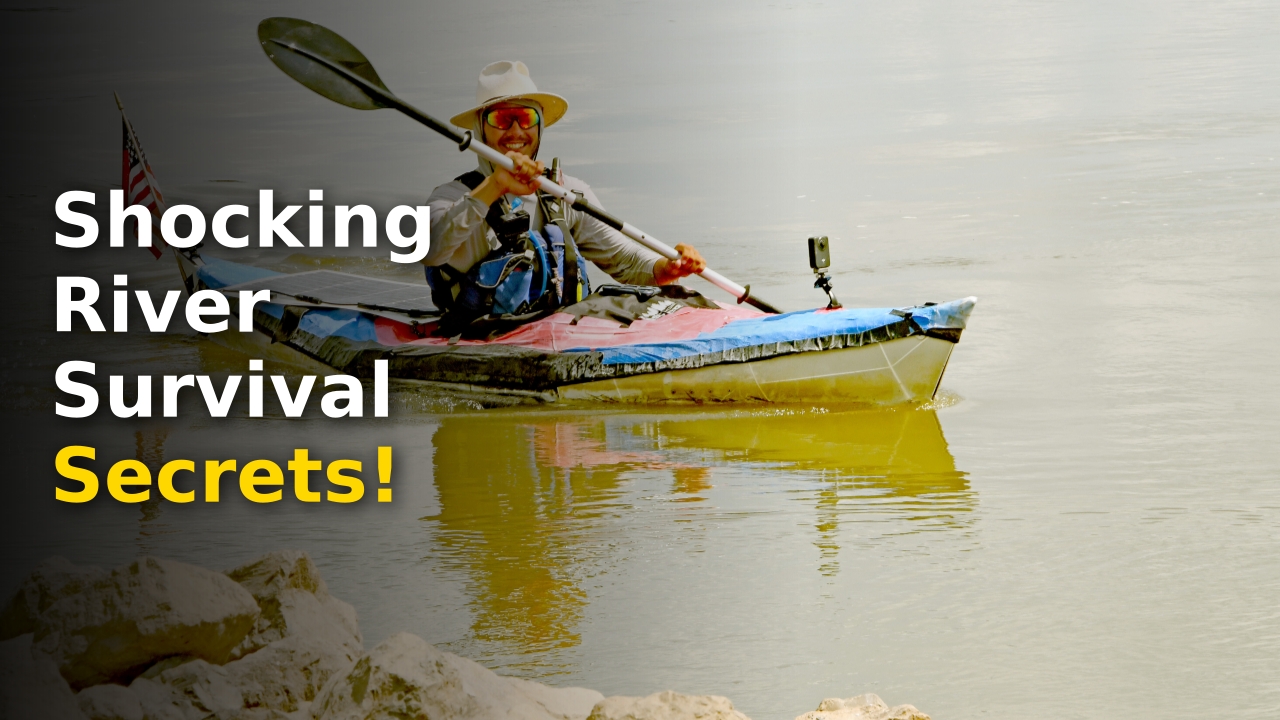
Embarking on a solo River Adventure requires sheer grit, relentless focus, and an uncompromising mindset. Imagine setting out in freezing temperatures with nothing but a compact foldable vessel separating your body from thousands of miles of unpredictable, churning water. You quickly realize that this daring journey tests the absolute boundaries of human survival, stamina, and mental discipline.
Nineteen-year-old Ian Aitken proved exactly that when he pushed away from the shores of northern Minnesota on a relentless mission to reach the balmy waters of the Gulf of Mexico. Navigating over 2,300 miles down America's most legendary river route, this young explorer faced an unforgiving gauntlet of freezing winds, isolated riverbanks, and punishing currents.
Followers of inspiring lifestyle and outdoor achievements are praising this young paddler for confronting nature head-on. Aitken's remarkable solo expedition sheds light on what it truly takes to conquer North America's most intimidating drainage basin entirely alone.
The Ultimate River Adventure Challenge
Launching a river adventure during cold weather immediately separates wishful daydreams from serious extreme sports. When temperatures drop below freezing, water safety transforms from a routine checklist into an hourly fight for survival. Sudden squalls, hidden debris, and frozen fingertips demand lightning-fast reflexes at every turn.
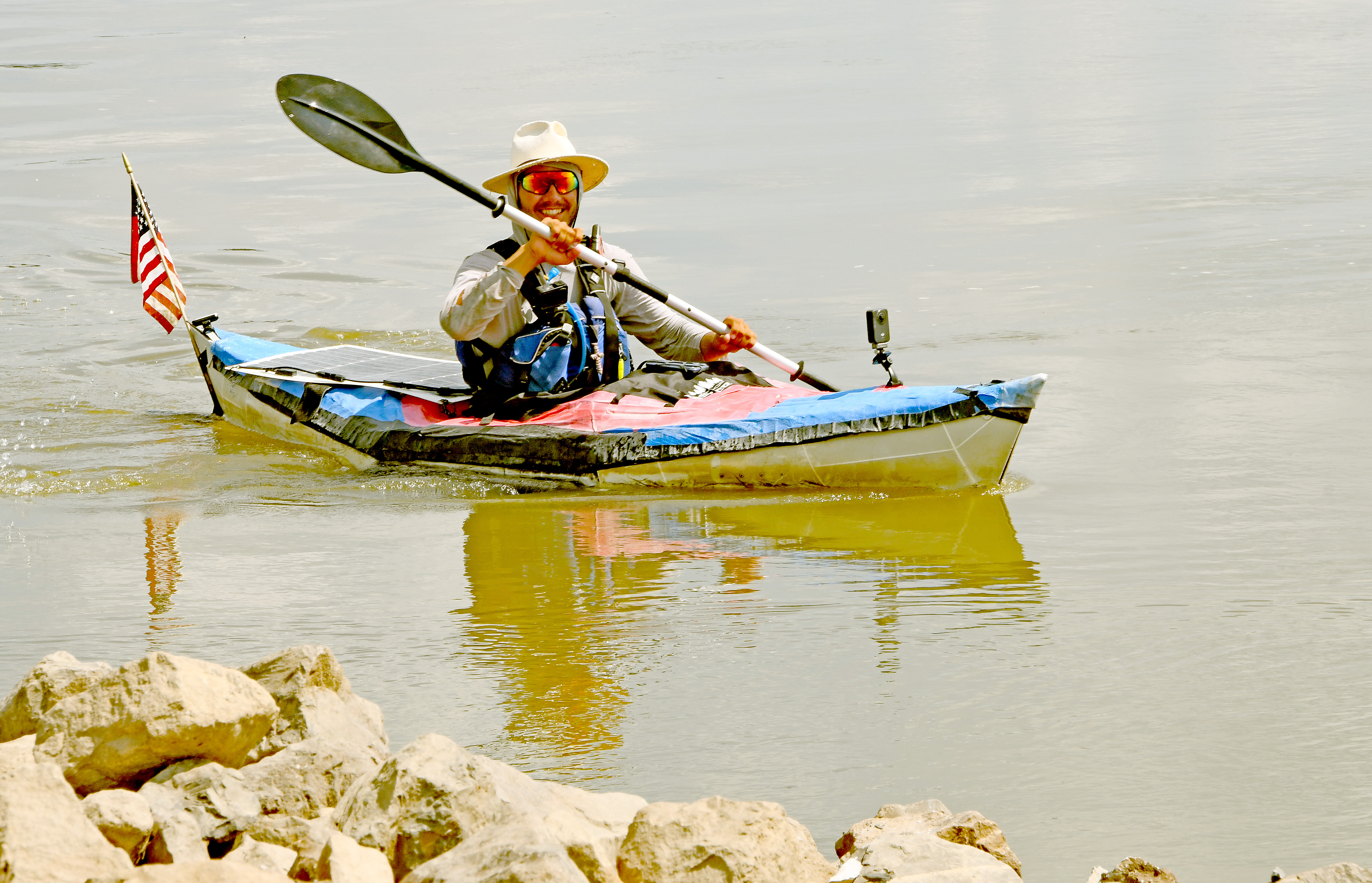
For Aitken, the decision to use a foldable kayak added another layer of intrigue and vulnerability. Unlike rigid fiberglass hulls, portable expedition craft provide exceptional versatility, but they demand immaculate balance and constant structural checks. One rogue tree snag or submerged boulder can puncture a delicate skin, turning a dream expedition into an instant emergency.
Solitude acts as a double-edged sword on long waterways. While quiet riverbanks offer unmatched clarity and peace, the profound silence can wear down even seasoned athletes. When you are hundreds of miles from modern conveniences, your own thoughts become your primary company through every freezing morning.
Conquering Harsh Winter Currents
Navigating northern waterways during late autumn and early winter presents relentless obstacles. Ice shelves along the banks can trap paddlers unexpectedly, while rapid current shifts challenge even the most experienced navigators.
- Severe Cold Management: Wearing multi-layered drysuits and neoprene boots to combat sudden hypothermia risk.
- Barge Wake Navigation: Maintaining safe distance from commercial river traffic moving industrial cargo across narrow channels.
- Remote Camp Selection: Finding elevated, dry campsites on sandbars before early sunsets eliminate visibility.
- Energy Balance: Consuming over 4,500 calories daily to replace heat lost through prolonged physical exertion.
Each milestone brings dramatic shifts in river morphology. The gentle, winding streams of northern Minnesota steadily widen into powerful channels carrying immense volumes of water downstream toward St. Louis and New Orleans. Adapting to these rapid environmental changes requires relentless concentration.
Local river communities along the journey often provide critical moments of warmth and encouragement. Passing through historic river towns, Aitken encountered generous river angels offering hot meals, local navigation advice, and dry shelters during severe storms.
Surviving America’s Greatest Waterway
The mighty river is not just a body of water; it is a living, breathing transportation highway that demands utmost respect. According to Mississippi River historical navigation records, thousands of adventurers have attempted full-length descents, but only a dedicated few successfully complete the entire distance from source to sea.
Aitken had to master the intricate system of locks and dams that regulate water levels along the Upper Mississippi. Portaging around massive concrete barriers with heavy equipment tests a solo traveler's pure physical lifting capacity. Carrying a fully loaded craft across rocky terrain after eight hours of paddling burns through reserve energy rapidly.
Commercial shipping lanes present another daily hazard. Massive towboats pushing dozens of heavy barges cannot stop quickly or deviate from narrow navigation channels. Paddlers must constantly monitor marine radio alerts and maintain keen situational awareness to avoid dangerous undertows created by gigantic propellers.
Essential Gear And Navigation
Packing for a multi-month solo expedition requires extreme minimalism combined with rugged reliability. Every single ounce carried in the kayak must serve a critical survival purpose.
- Foldable Kayak System: Lightweight frame engineered for rapid assembly and resilience against abrasive riverbeds.
- Satellite Messenger: Real-time GPS tracking and emergency SOS capabilities when cellular networks fail completely.
- Water Purification Kits: Multi-stage filtration systems capable of removing heavy sediment and contaminants.
- Four-Season Bivy: Compact, windproof sleeping shelter engineered to withstand freezing riverbank squalls.
Living out of dry bags means keeping your vital clothing and electronics completely separated from splashing water. A single wet sleeping bag during sub-freezing nights can trigger catastrophic cold injuries. Discipline in camp management becomes just as crucial as paddling efficiency.
Paddling solo across vast open river pools also requires immense patience. When headwinds whip across wide reservoirs, progress slows to a grinding crawl, forcing paddlers to dig deep into their physical reserves for hours on end.
Physical Demands Of River Adventure
Tackling an extensive river adventure forces the human body to adapt to continuous low-impact, high-endurance stress. Repeating the same biomechanical stroke thousands of times per day places severe demands on shoulders, wrists, and core stabilizers. Proper paddling technique becomes the only barrier against chronic repetitive strain injuries.
Maintaining adequate nutrition poses an ongoing logistical puzzle for long-distance paddlers. Dehydrated meals, dense nut butters, and high-protein rations provide essential fuel, but resupply stops in isolated riverfront towns must be planned with surgical precision. Depleting food stores between access points leaves zero room for recovery.
Hydration is equally complex. While surrounded by trillions of gallons of water, none of it is immediately potable without thorough filtration. Processing gallons of murky river water each evening after an exhaustive day of physical exertion tests an explorer's mental resilience.
Mental endurance frequently outranks physical strength when navigating massive waterways alone. Overcoming days of endless gray skies, relentless drizzle, and damp gear requires fierce internal motivation. Solo athletes learn to break massive multi-thousand-mile voyages into micro-goals measured lock by lock and mile by mile.
Rest days must be utilized strategically rather than impulsively. Taking brief layovers to repair hull wear, wash salt and silt from thermal layers, and rest inflamed tendons allows athletes to sustain high performance over months of non-stop travel.
The transformation that occurs during such an arduous journey extends far beyond muscular conditioning. Navigating raw nature strips away superficial distractions, leaving explorers with profound confidence in their decision-making and independent problem-solving capabilities.
Expedition Milestones And Route Statistics
Tracking the numbers behind a transcontinental river expedition illustrates the sheer scale of the achievement. From elevation changes to temperature extremes, the geographical diversity across North America's central corridor is truly staggering.
| Expedition Metric | Estimated Value | Primary Challenge |
|---|---|---|
| Total Route Distance | 2,340+ Miles | Endurance and continuous daily paddling |
| Navigation Locks | 29 Major Facilities | Lock transits and heavy gear portaging |
| Temperature Variance | 20°F to 75°F | Managing hypothermia and thermal gear |
| Average Daily Distance | 25 – 40 Miles | Fighting headwinds and sluggish eddies |
| States Crossed | 10 US States | Varying local laws and camping access |
Analyzing these parameters reveals why so few individuals attempt continuous source-to-sea paddle expeditions. The logistics alone require months of meticulous research, gear testing, and emergency planning before the first stroke is taken.
Weather monitoring apps and hydrological gauges provide crucial data for daily route planning. Knowing whether river stages are rising or falling helps paddlers avoid perilous submerged wing dams and turbulent whirlpools created around navigational structures.
Understanding river currents is an art form developed over thousands of hours on the water. Skilled kayakers learn to read subtle surface ripples, using the strongest conveyor currents while evading dangerous hydraulic boil lines.
Lessons From The Open Water
Completing a legendary voyage downstream offers life lessons that extend far past outdoor recreation. Solo travel teaches self-reliance, risk mitigation, and deep patience in ways modern urban life rarely demands.
When you spend weeks observing natural rhythms, you develop an acute appreciation for wildlife conservation and clean water initiatives. River corridors serve as critical flyways for millions of migratory birds and sustain delicate aquatic ecosystems that require careful stewardship.
Aitken's bold endeavor stands as an inspiring blueprint for the next generation of outdoor enthusiasts seeking authentic wilderness immersion. His willingness to trade comfort for cold mornings and raw adventure illustrates the enduring human spirit of exploration.
Stepping into the unknown with minimal gear and absolute focus proves that age is no barrier to extraordinary achievements. By taking on the continent's most famous waterway, this determined teenager has carved out a unique place among modern long-distance paddlers.
The lessons forged on the water will undoubtedly guide Aitken through future challenges on land or sea. Experiencing the quiet power of nature teaches humility while showing you the incredible resilience buried within your own character.
Every stroke brings a paddler closer to the vast expanse of the open sea, marking the triumphant conclusion of an unforgettable journey. Completing this epic river adventure reminds outdoor enthusiasts everywhere that true discovery begins the exact moment you leave your comfort zone behind.
More Like This
For more updates, check out our latest entertainment and sports news.