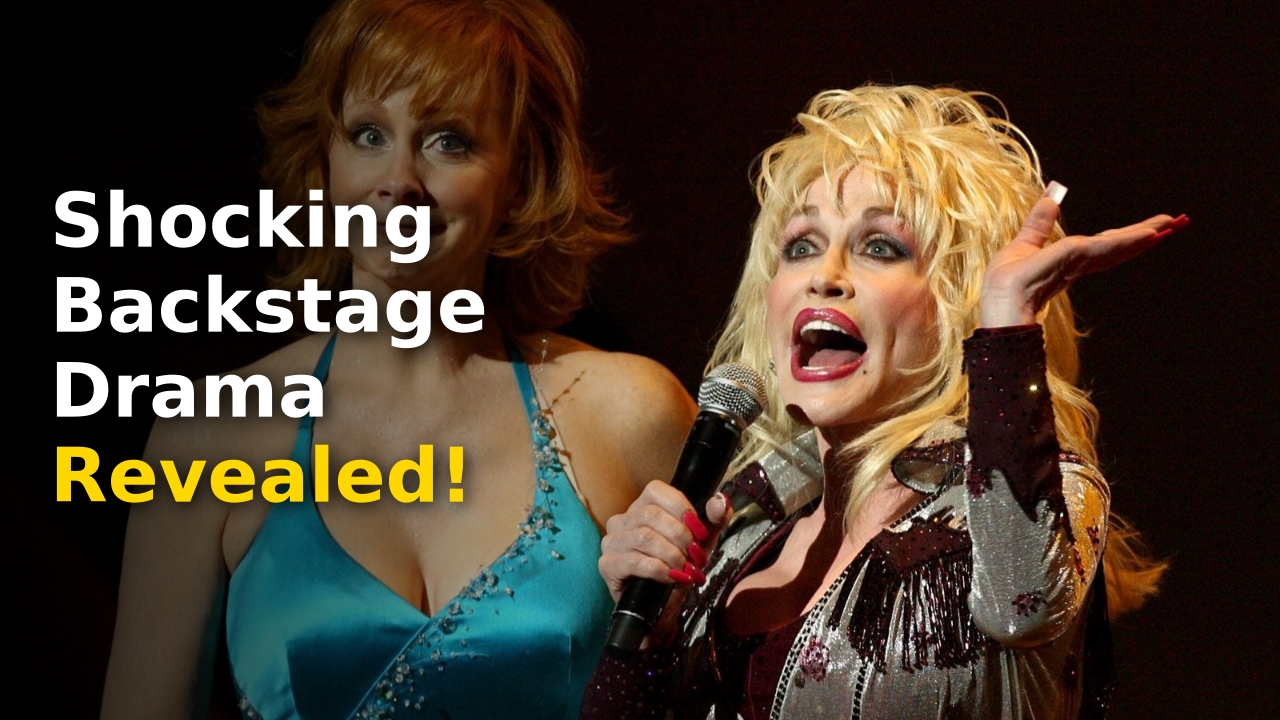
Key Takeaways
| The historic Reba McEntire Opry Debut in 1977 was cut in half because Dolly Parton made a surprise, unannounced appearance. |
| Security initially barred Reba McEntire from the backstage area because her name was missing from the guard’s official list. |
| Reba’s family drove over 700 miles from Oklahoma to Nashville, only to see her performance reduced to a single song. |
| Despite losing her second scheduled song, Reba described Dolly’s unexpected arrival as looking like a “vision” and worth the long drive. |
| Reba was officially inducted as a Grand Ole Opry member nine years later during a star-studded television special in 1986. |
You probably think the most nerve-wracking part of a legendary country music debut is stepping onto the sacred stage itself. But on September 17, 1977, the historic Reba McEntire Opry Debut faced an unexpected series of chaotic hurdles before she even sang a single note. The young, aspiring vocalist from Oklahoma was forced to navigate strict backstage security guards and a massive schedule disruption.
That disruption came in the dazzling form of country music icon Dolly Parton, who arrived unannounced to claim the spotlight. This iconic backstage drama highlights the grit required to make it in the competitive Nashville music industry during the late twentieth century. Here is the untold, deep-dive story of the historic night that connected two of country music’s biggest stars forever.
Reba McEntire Opry Debut Interrupted by Dolly Parton
When a 22-year-old Reba McEntire arrived at the legendary Nashville venue in the autumn of 1977, she was far from a household name. She had traveled all the way from Chockie, Oklahoma, with her supportive family who were eager to witness her dream come true. The aspiring artist was originally scheduled to perform two songs, which was the standard slot for promising newcomers on the radio broadcast.
She carefully selected her setlist to showcase her incredible vocal range and pay homage to her musical influences. Her plans were suddenly upended when country music icon Dolly Parton unexpectedly walked through the backstage doors. Dolly was already a massive crossover superstar, and her unannounced presence sent a wave of excitement through the entire auditorium.
Because Dolly was country royalty, the Opry management immediately cleared the schedule to allow her to perform for the ecstatic live audience. Unfortunately, this sudden scheduling adjustment meant that Reba’s highly anticipated performance had to be slashed in half. Instead of singing her two planned tracks, Reba was told she would only have time to perform one song before relinquishing the microphone.
The young singer had to quickly adapt to this high-pressure change under the gaze of thousands of country music fans. This experience would have rattled many young performers, but Reba maintained her legendary professional composure. She viewed these obstacles as part of the rigorous journey toward achieving long-term success in the competitive Nashville scene.

The Backstage Security Gate Controversy
Before the performance scheduling conflict even arose, Reba faced a stressful security situation at the artist entrance. A strict backstage guard refused to let her inside because he could not locate her name on the daily master list. The young singer had to find a nearby payphone to contact her booking agent to resolve the administrative error.
This frantic, last-minute call was the only thing that secured her entry into the historic backstage dressing rooms. To explore more fascinating stories from this golden era, check out our exclusive country music retrospectives featuring legendary performers. Understanding these historic struggles helps modern country fans appreciate the incredible dedication of classic country stars.
Reba McEntire’s Early Musical Journey and Influences
Long before setting foot in Tennessee, Reba was refining her vocal talents in the dusty arenas of the rodeo circuit. Her father, Clark McEntire, was a champion steer roper, and her mother, Jacqueline McEntire, fostered a deep love of music in her children. Reba and her siblings formed a regional singing group known as the Singing McEntires, performing at local events and rodeo shows.
These early experiences instilled a powerful work ethic and stage presence that would serve her well in her professional career. She grew up idolizing classic artists like Patsy Cline, whose powerful vocals inspired her own dramatic singing style. Her signing with Mercury Records in 1975 was a major turning point, but commercial success did not come overnight.
Her early singles struggled to find a foothold on the competitive national country radio charts. This slow climb made her debut on the iconic Opry stage even more critical for her burgeoning professional reputation. She knew that a successful performance could catch the attention of key decision-makers and expand her growing fan base across the country.
The Historical Role of the Grand Ole Opry in 1977
In 1977, the Grand Ole Opry was enjoying its relatively new home at the Grand Ole Opry House in rural Nashville. The institution had transitioned from the historic Ryman Auditorium just three years prior, offering a modern facility for performers and audiences. Despite the venue change, the Opry maintained its strict, time-honored traditions and immense cultural significance.
For any country artist, performing on this sacred stage was the ultimate validation of their talent and hard work. It was a live radio broadcast that reached millions of homes across the United States, making it a powerful career launcher. The venue operated on a tight, minute-by-minute schedule to accommodate the dozens of artists performing each Saturday night.
This strict timing made any unexpected guest appearances a major administrative challenge for the stage managers and broadcasters. When a major star decided to show up unannounced, the production team had to make rapid adjustments to the live program. These high-stakes decisions directly affected the performance times allocated to newer, less-established artists.
Nashville Country Music History and Debut Statistics
The history of the Grand Ole Opry is filled with legendary debuts, unexpected guest appearances, and historic milestones. To understand the context of the Reba McEntire Opry Debut, it is helpful to compare the milestones of country music’s most celebrated leading ladies.
| Country Music Artist | Opry Debut Year | Induction Year | Debut Song Performed | Stardom Status at Debut |
|---|---|---|---|---|
| Reba McEntire | 1977 | 1986 | “Invitation to the Blues” | Aspiring Newcomer |
| Dolly Parton | 1959 | 1969 | “Puppy Love” | Teenage Prodigy |
| Patsy Cline | 1960 | 1960 | “Walkin’ After Midnight” | Rising Regional Star |
| Loretta Lynn | 1960 | 1962 | “I’m a Honky Tonk Girl” | Breakout Sensation |
These historical statistics illustrate how the path to becoming an official Grand Ole Opry member varied wildly among the genre’s top pioneers. Reba’s long, nine-year gap between her debut and her eventual induction highlights her steady, enduring climb to fame.
For readers who want a deeper understanding of these legendary careers, we offer detailed articles covering classic country music history and historic performances. These archives showcase how early challenges often paved the way for massive, lifelong success.
The decade of the 1970s was a particularly competitive era for female country artists who were trying to break into the industry. Traditional booking practices often favored male artists, making the achievements of women like Reba and Dolly even more remarkable. The resilience they displayed backstage was just as important as the vocal talent they showcased under the bright stage lights.
Inside Dolly Parton’s Surprise Nashville Appearance
The arrival of Dolly Parton was the catalyst that fundamentally changed the trajectory of that warm September night in Nashville. At the time, Dolly was transitioning into a massive mainstream pop-country crossover star with hits that dominated the music charts. When Dolly walked into the backstage area, her vibrant energy and spectacular style instantly captivated everyone in the vicinity.
Reba McEntire herself recalled that the legendary singer looked like “a vision” when she made her sudden entrance. Rather than feeling bitter about her setlist being cut short, Reba felt an immense sense of awe and deep respect. She believed that simply sharing the backstage space with such an icon was worth the arduous drive from Chockie, Oklahoma.
Dolly’s performance that night was a masterclass in stage presence, further solidifying her status as a titan of the genre. The live audience was thrilled by the surprise appearance, completely unaware of the backstage schedule scramble that had occurred. This moment became a permanent piece of country music lore, showcasing the unpredictable and exciting nature of live radio broadcasts.
This also demonstrated the profound mutual respect that exists among the elite female artists of the Nashville music community. By studying bright celebrity profiles, music historians can trace how these shifting industry dynamics affected emerging talents like Reba. It remains a beautiful illustration of sisterhood in a highly competitive creative landscape.

By The Numbers: Dolly Parton’s 1977 Commercial Peak
In 1977, Dolly Parton was reaching a critical commercial peak with her landmark album “Here You Come Again.” The title track would soon become her very first million-selling single, reaching number three on the pop charts and staying at number one on the country charts for five consecutive weeks. Her surprise appearance at the Opry was not just a casual visit; it was a highly strategic move to maintain her deep, traditional country music roots while she aggressively expanded into global pop stardom.
The Impact of the Crossover Era on Country Artists
During the late 1970s, the lines between traditional country music and mainstream pop were beginning to blur significantly. Dolly Parton was at the absolute forefront of this musical evolution, paving the way for future generations of country artists. This transition was met with some skepticism from traditionalists who feared the genre would lose its authentic, working-class roots.
However, Dolly’s ability to maintain her country credibility while achieving pop success proved that the two worlds could coexist. Her unannounced Opry appearance was a clear signal to her core fan base that she would never abandon her musical home. For a young artist like Reba, witnessing this crossover success up close was both inspiring and highly educational.
It demonstrated that a female country singer could achieve massive commercial success without sacrificing her unique artistic identity. Reba would later implement similar crossover strategies in her own career, expanding into television, Broadway, and film. This fateful night in 1977 served as an early lesson in how to navigate the shifting sands of the modern entertainment industry.
The Long Journey from Oklahoma to Grand Ole Opry Stardom
The road to the sacred Opry stage began years earlier in the small, tight-knit ranching community of Chockie, Oklahoma. Reba was raised in a hardworking rodeo family, learning the values of determination, resilience, and authentic country storytelling. In 1975, she was discovered by country singer Red Steagall while performing the national anthem at the National Finals Rodeo in Oklahoma City.
This pivotal meeting led to her signing a contract with Mercury Records and relocating to Tennessee to record her self-titled debut album. Her family was so dedicated to her success that they packed up and drove over 700 miles to see her perform. They witnessed her sing a brilliant cover of Roger Miller’s classic track “Invitation to the Blues” on that legendary night.
Although she was prevented from performing her planned cover of Patsy Cline’s “Sweet Dreams,” she left a lasting impression on the audience. Her powerful vocals and undeniable charisma proved that she belonged on the same stage as the industry’s biggest legends. This historic debut laid the foundation for her long, illustrious association with the historic institution, where she remains a beloved regular performer.
Today, her story serves as an inspiring example of how early professional disappointments can lead to legendary, lifelong achievements. She proved that initial setbacks are merely stepping stones for those who possess true talent and determination. Her legacy continues to inspire countless young artists who dream of one day stepping onto that legendary circle of wood.
Expert Take: Navigating the Opry’s Booking Politics
According to historical archives preserved by the official Grand Ole Opry archives, the late 1970s was a period of intense transition for female country vocalists. New artists had to prove their traditional country credentials to a highly conservative booking committee while simultaneously appealing to modern radio listeners. Reba’s choice of a Roger Miller song proved her deep respect for the genre’s classic songwriters, which earned her crucial respect backstage. This calculated artistic choice, combined with her graceful handling of the Dolly Parton situation, secured her reputation as a true professional who prioritized the institution over her own ego.
The Legacy of Chockie, Oklahoma and the Rodeo Lifestyle
The rugged environment of rural Oklahoma played a crucial role in shaping Reba’s distinct artistic perspective and powerful work ethic. Growing up in a rodeo family meant constantly traveling, handling livestock, and learning how to perform under intense pressure. These early life experiences prepared her for the grueling physical and mental demands of a professional music career.
The lessons she learned on the ranch—perseverance, humility, and dedication—became the core themes of her most successful songs. This authentic background resonated deeply with traditional country music audiences who valued real-world experience over corporate polish. Her family’s 700-mile drive from Oklahoma to Nashville was a testament to their unwavering belief in her talent and potential.
That long journey down Interstate 40 represents the collective sacrifices made by families of aspiring artists across the nation. When her setlist was cut in half, her family did not react with anger or disappointment. Instead, they celebrated the incredible milestone of seeing Reba on that famous stage, sharing the evening with a true legend like Dolly Parton.
People Also Ask
Why did Dolly Parton cut Reba McEntire’s debut short?
Dolly Parton made a surprise, unannounced appearance at the Grand Ole Opry on September 17, 1977. Because she was a massive star, the Opry management adjusted the schedule to let her perform, which cut Reba McEntire’s planned two-song setlist down to just one song.
When did Reba McEntire make her Grand Ole Opry debut?
Reba McEntire made her historic Grand Ole Opry debut on September 17, 1977, when she was just 22 years old. She performed a cover of Roger Miller’s ‘Invitation to the Blues’ during her brief appearance.
What song did Reba McEntire perform during her Opry debut?
Reba McEntire performed Roger Miller’s classic song ‘Invitation to the Blues’ during her debut. She originally planned to also sing Patsy Cline’s ‘Sweet Dreams,’ but that performance was cut due to a surprise appearance by Dolly Parton.
When did Reba McEntire officially become a Grand Ole Opry member?
Reba McEntire officially became a Grand Ole Opry member in 1986. She was inducted during a special, highly publicized television broadcast celebrating the Opry’s 60th anniversary.
Reba McEntire and Dolly Parton Modern Country Legacy
The dramatic events of that autumn night in 1977 did nothing to hinder the wonderful relationship between Reba and Dolly. Over the subsequent decades, the two icons would collaborate on numerous musical projects and television specials, earning critical acclaim. Their shared history on the sacred Opry stage serves as a powerful reminder of the enduring sisterhood within the country music community.
Both artists have consistently used their massive platforms to support, elevate, and mentor new generations of female vocalists. In 1986, Reba officially achieved her lifelong dream when she was inducted as a formal Grand Ole Opry member. This milestone was celebrated during a historic television broadcast, marking her transition from a hopeful Oklahoma newcomer to a true country music queen.
Reba still frequently returns to perform at the legendary venue whenever her demanding tour and television schedules permit her to do so. She often refers to the historic venue as her true creative home and her fellow performers as her extended musical family. Looking back at the historic Reba McEntire Opry Debut, it is clear that the unexpected challenges only enhanced the legendary story.
To explore more in-depth reviews of historic musical performances, we invite you to read the detailed reports on Billboard’s country music charts. This resource provides a wonderful look at how classic country music has evolved over the decades into a global phenomenon. By studying the remarkable careers of Reba and Dolly, music fans can appreciate the incredible dedication that built the modern country music landscape.
The 1986 Opry Induction: A Full-Circle Moment
Nine years after her abbreviated debut, Reba’s return to the Opry for her official induction was a massive media event. The 1986 induction ceremony was broadcast live as part of a star-studded television special celebrating the Opry’s 60th anniversary. This event was a major validation of her years of hard work, chart-topping hits, and dedication to the genre.
It represented a full-circle moment for the artist who had once been turned away by a backstage security guard. The country music industry recognized her not just as a successful recording artist, but as a vital keeper of the Opry’s sacred flame. During her induction speech, she expressed her deep gratitude to the artists who came before her, including Dolly and Patsy Cline.
She emphasized that the Opry was more than just a performance venue; it was a sanctuary for country music history. This deep respect for tradition has remained a hallmark of her career, even as she achieved massive commercial success. Her story continues to inspire young performers to treat the Opry with the same reverence and dedication she has shown for decades.
Collaborative Chemistry: Reba and Dolly Over the Decades
In the years following that historic 1977 night, Reba and Dolly formed a deep, mutually supportive professional bond. They have shared the stage on numerous occasions, performing powerful duets that showcase their unique vocal harmonies and charismatic chemistry. In 2021, they teamed up to record a stunning new version of Reba’s hit song “Does He Love You,” which received widespread critical acclaim.
This collaboration was a major milestone for country fans, bringing together two of the genre’s most iconic voices for a historic recording. Their chemistry in the recording studio and on stage is a testament to their decades of mutual respect and shared experiences. Beyond their musical collaborations, both women have achieved legendary status as successful businesswomen and philanthropists.
Dolly’s extensive work with her Imagination Library and Reba’s numerous charitable endeavors have made a massive impact on communities worldwide. They have proven that country music stardom can be a powerful force for positive social change. Their enduring friendship and professional success continue to set the gold standard for artists in all genres of music.
More Like This
For more updates, check out our latest entertainment and sports news.