
Reacher weakness is the sudden, jarring reality fans are grappling with as Alan Ritchson faces off against new threats in the latest season. You have spent years watching a character who acts as an unstoppable force of nature, yet the recent episodes have left you questioning if your favorite giant has finally met his match. Is this a narrative failure, or a brilliant tactical shift by the showrunners?
For those who have followed Jack Reacher from his literary roots by Lee Child to the screen, the sight of him struggling against ordinary-looking enemies feels almost wrong. You aren’t imagining things; the choreography and the narrative stakes have shifted, turning the titan into a man who can actually feel pain. Whether this is a calculated creative risk or a permanent nerf to the character, the impact on the audience is undeniable.
Understanding Reacher Weakness Dynamics
The core of Reacher weakness stems from a fundamental change in the caliber of his adversaries. In the past, Alan Ritchson spent most of his time cleaning up local bars or taking down organized crime syndicates that relied on sheer numbers rather than tactical precision. Now, he is dealing with professionals who move with purpose and lethal accuracy.
Consider the bowling alley sequence that left many fans gasping. Jack Reacher found himself vulnerable, saved only by the intervention of Lila, which would have been unthinkable in season one. This transition mirrors the evolution of the series toward a more grounded, high-stakes espionage thriller that demands more from its protagonist than just raw physical strength.
You might wonder why his 250-pound frame doesn’t simply steamroll these new opponents. The answer lies in the specialized training of the antagonists, who are clearly cut from a different cloth than the typical thugs of the past. These are federal agents, hitmen, and mercenaries who understand that size doesn’t matter when you have a plan.
As you watch these episodes, pay attention to the setting of the combat. Unlike the open spaces of earlier seasons where Reacher dictated the flow of battle, these encounters occur in cramped quarters. The show is forcing him to adapt to environments that negate his reach and leverage, effectively neutralizing his most dangerous physical advantages.
This shift keeps the audience on their toes, as you no longer possess the comfort of knowing that the fight will be over in ten seconds. It forces a level of investment in the outcome that was previously absent, making the eventual victories feel earned rather than inevitable. You can find more updates on the show’s production and celebrity behind-the-scenes drama by visiting our main hub.

This psychological shift in the character’s perception of his own mortality is the most interesting evolution we have seen in years. When he admits he is struggling, he becomes relatable to you, the viewer, because it proves that even the strongest among us have human limitations. The writers are peeling back the armor to see what makes the man tick under pressure.
Combat Evolution Breakdown
- The shift from brawlers to tactical hitmen.
- Environmental constraints limiting his movement.
- Increased emphasis on reconnaissance and intel.
- Mental fatigue caused by a non-stop fight schedule.
- The rise of elite female antagonists like the Hoths.
Season Comparison Stats
| Category | Season 1 & 2 | Season 4 |
|---|---|---|
| Opponent Type | Generic Goons | Elite Operatives |
| Combat Style | Dominating Power | Tactical Survival |
| Recovery Time | Abundant | Minimal |
| Risk Factor | Low | Extreme |
The Hoth Threat Level
The introduction of the Hoth sisters, Lila and Amisha, marks the biggest pivot in the show’s history. These characters represent a specific kind of danger that Jack Reacher has rarely encountered in his civilian life. According to official series lore, his military training is world-class, but even he has to respect the lethality of the Indonesian karambit.
This is not just about physical sparring; it is about psychological warfare. The Hoths have studied him, watched his patterns, and identified the exact moments where he is most exposed. You are witnessing the first true chess match of the series, where the pieces are being moved to force a checkmate.
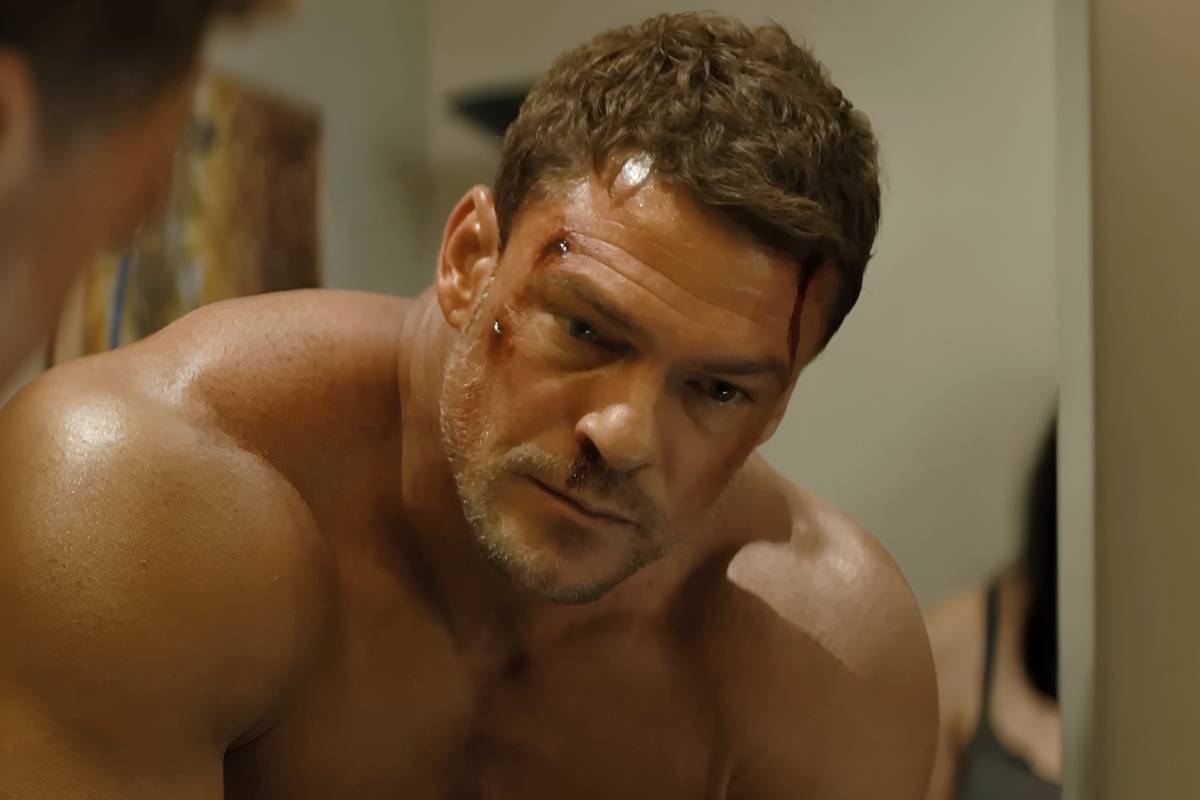
The intensity of these scenes provides a much-needed break from the formulaic fights of the past. You want to see the hero get pushed to his absolute limit because that is the only way to prove his true worth. By the time he reaches the finale, you will understand exactly why he needed this growth period.
The Hoths are not interested in a fair fight, which makes them the perfect antithesis to Reacher’s code of honor. You will notice that every move they make is calculated to disrupt his rhythm, forcing him to improvise in ways that reveal his vulnerabilities. This is high-stakes television at its peak.
Furthermore, the lack of support structure around Alan Ritchson this season adds to the tension. Without a team to watch his back, he is completely reliant on his own wits and strength, which are being drained by the relentless pursuit of the antagonists. It makes you realize how much he usually relies on external factors.
Do not be surprised if this arc concludes in a way that forever changes your perception of his invincibility. The writers are clearly moving toward a climax that challenges the myth of the character rather than cementing it. You are watching a hero evolve in real-time, struggling to maintain his dominance in a world that is becoming increasingly dangerous.
Reframing The Hero Arc
Every legendary character requires a moment of doubt to become truly iconic, and this season serves that exact purpose. By stripping away the aura of invincibility, the production team has successfully turned a simple action hero into a complex survivor. You now see him not as a god among men, but as a man who fights for the right to remain standing.
The pacing of these new episodes is designed to keep you breathless. There is no downtime, no recovery, and certainly no safety for the protagonist. This relentless pressure serves as a crucible, testing every facet of his character and ensuring that his eventual victory—if he achieves it—feels like a momentous event rather than a foregone conclusion.
Looking back at the previous seasons, the contrast is stark. We have moved from stylized, satisfying takedowns to gritty, messy struggles that reflect the reality of high-end conflict. This makes the show more relevant to modern audiences who crave realism, stakes, and emotional grit over cartoonish heroism.
As you continue to watch Alan Ritchson navigate this complex landscape, remember that the struggle is the point. The showrunners want you to feel the same anxiety that the character feels when he realizes the odds are stacked against him. It is a brilliant way to keep an established property feeling fresh and vital.
If you have been worried about the direction of the series, consider that this vulnerability is the key to longevity. A character who never loses is a character who eventually becomes boring to watch. By introducing this persistent reacher weakness, the writers have ensured that every episode of this season remains mandatory viewing for the fanbase.
Final Thoughts
Ultimately, the perception of a weaker protagonist is a strategic storytelling choice designed to elevate the stakes for the series finale. You have been treated to a season that prioritizes tension, character development, and high-stakes choreography over repetitive brawls. This evolution proves that the show is willing to take risks to keep the legacy of Jack Reacher feeling fresh and compelling for years to come.
More Like This
For more updates, check out our latest entertainment and sports news.