Key Takeaways
| Innovative Concept: A live stage show is transformed into a real-time recorded musical album capturing NYC’s authentic spirit. |
| Massive Ensemble: Over 100 everyday New Yorkers aged seven to 84 join professional artists on stage. |
| Stellar Collaboration: Features brilliant arrangements by Latin jazz legend Arturo O’Farrill and Late Show bandleader Louis Cato. |
| Permanent Archive: The audio recordings will be officially preserved, serving as a timeless civic time capsule. |
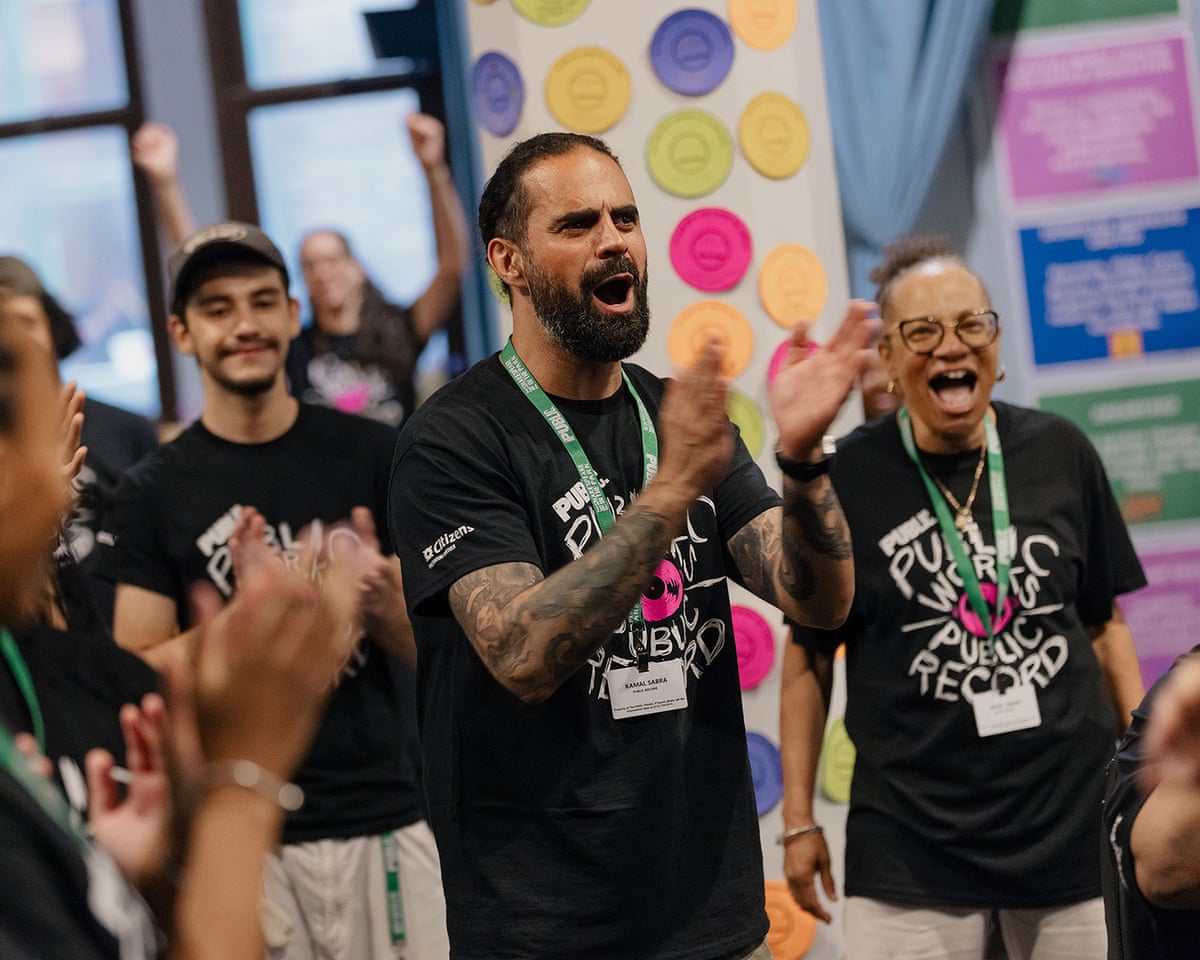
Imagine standing in the heart of Manhattan as the sounds of sirens, laughter, and subway trains melt into a majestic wall of sound. You are not just observing the city; you are feeling its heartbeat through a revolutionary theatrical experiment. This groundbreaking event, Public Record Central Park, represents an unprecedented effort to capture the untamed spirit of New York City and press it directly into a live-recorded theatrical album. Co-directors Emily Lim and Dan Canham have gathered a massive, diverse cast of over 100 locals to transform the legendary Delacorte Theater into a living, breathing recording studio.
This community-driven masterpiece shifts the paradigm of public art by putting real New Yorkers on stage alongside world-class musicians. This production is a radical reimagining of civic storytelling, capturing the raw diversity of the five boroughs in a 12-track stage performance. For five unforgettable nights, Central Park will host this unique sonic experiment, challenging the traditional boundaries of musical theater and public archives. This spectacular Central Park live album stage show has been hailed as one of the most innovative theatrical events of the decade.
Rather than relying on professional actors to portray idealized characters, this production taps into the authentic lived experiences of everyday residents. By weaving together personal narratives, local dance styles, and multi-genre musical arrangements, the team has built a powerful cultural monument. It is a bold, beautiful, and deeply moving portrait of a city that is constantly reinventing itself. For audiences looking to understand the real New York, this performance offers an unvarnished, unforgettable look at the people who define its soul.
The Magic of Public Record Central Park
The journey of Public Record Central Park began across the Atlantic, far from the towering skyscrapers of Manhattan. The project first took shape in the industrial city of Sunderland in the United Kingdom, led by visionary theater-maker Emily Lim. During her tenure directing the National Theatre’s community initiative, Public Acts, Lim sought to capture the distinct local identity of the north-east English city. Collaborating with choreographer Dan Canham, she created a three-night performance that celebrated local pride, history, and the deeply rooted narratives of its working-class people.
The success of the Sunderland production lay in its ability to act as a physical and digital repository of local memory. The recorded audio from those performances found a permanent home in the British Library and the Sunderland Museum, creating an official archive of the community’s voice. This remarkable achievement set a new benchmark for how theater can serve as a living historical document. Yet, bringing this template to the United States required a massive conceptual shift.
When The Public Theater‘s renowned Public Works program invited Lim and Canham to adapt the show for New York, they faced an entirely different beast. Unlike Sunderland, which required a reclamation of its local narrative, New York City is a place where the mythology is constantly broadcast to the world. The challenge was not to tell the story of the entire city, which both directors realized was an impossible task. Instead, they had to pivot toward the individual, hyper-local human stories that exist beneath the global myth.
The highly anticipated Emily Lim Dan Canham production represents a beautiful full-circle moment for the creative team. The National Theatre’s Public Acts program in the UK was originally inspired by the Public Works initiative created in New York. Returning to the source allowed the creative team to deepen their commitment to hyper-local community engagement. This production is not merely a carbon copy of the British original, but a complete thematic and structural reinvention designed specifically for the complex cultural ecosystem of the five boroughs.
Expert Take: A New Era of Community Theater
Industry experts point out that this model represents a massive shift in how major theatrical institutions engage with their local communities. Traditionally, community theater has been treated as a separate, less prestigious branch of the performing arts. However, by staging this massive production at the historic Delacorte Theater, the Public Theater is elevating everyday citizens to the same level as professional artists. This integration of community voices into high-profile spaces challenges the gatekeeping mechanisms of the broader entertainment industry breakthroughs, proving that authentic local storytelling holds immense artistic and commercial value. This spectacular Public Record Central Park presentation represents a massive milestone in contemporary public theater.
A 12-Track Symphony of New York
To structure this massive undertaking, Lim and Canham worked alongside acclaimed playwright Lisa Sanaye Dring. Dring faced the daunting task of sorting through nearly a year of intensive research, workshops, and surveys involving over 350 New Yorkers. Rather than imposing an external narrative structure onto the participants, Dring allowed the community’s own words to dictate the themes of the performance. The result is a brilliantly curated “12-track” album structure that acts as a blueprint for civic expression. This Public Record Central Park blueprint has been praised for its adaptability and respect for local narratives.
Each track represents a different dimension of the urban experience, using physical administrative documents as metaphorical anchors. For instance, the track titled “Birth Certificate” features cast members sharing their raw, unvarnished origin stories of arriving in or growing up in the city. Another track, “Marriage Certificate”, highlights the deeply shared cultural traditions that bond distinct groups of New Yorkers together. This brilliant conceptual framework allows the production to leap gracefully between intimate personal confessions and massive, high-energy group numbers.
The show also incorporates playful, interactive segments that celebrate the lighter side of metropolitan life. A track dedicated to “Karaoke” substitutes the original British selection of “Dancing Queen” with a high-octane rendition of Whitney Houston’s “I Wanna Dance with Somebody”. This clever musical choice reflects the vibrant, late-night energy that defines the city’s social fabric. By treating these pop-culture phenomena with the same artistic reverence as Shakespeare, the creative team honors the everyday rituals of city dwellers.
Crucially, the show does not shy away from the darker, more difficult realities of urban survival and collective loss. The original Sunderland production featured a track honoring Faye Fantarrow, a beloved local singer-songwriter who tragically passed away at a young age. For the New York iteration, this segment has evolved into a profound exploration of collective grief and the unique ways a massive metropolis processes death. The performers share moving accounts of loss, showing how New Yorkers lean on one another to survive the hardest times.
This thematic depth is why Public Record Central Park stands out as more than just a typical musical performance. It is a living, breathing archive of human resilience and shared emotion. By honoring both the joys and the sorrows of city life, the show creates an incredibly rich and nuanced portrait of the community. It invites the audience to reflect on their own experiences of connection and loss in the city.
Navigating the Rhythms of NYC Nightlife
One of the most highly anticipated segments of the performance is the “After Dark” track, which honors the city’s legendary nightlife. To capture the authentic underground energy of modern Brooklyn, the production teamed up with Papi Juice, an influential queer art collective. Since 2013, Papi Juice has curated safe, celebratory spaces for queer and trans people of color across the city. Their involvement ensures that the production represents the real, lived experiences of contemporary nightlife pioneers rather than a sanitized, commercialized version of club culture. This segment of the Public Record Central Park production infuses the stage with unmatched energy.
The collective’s resident DJ, Oscar Nñ, has composed an original track specifically for this segment, co-written and performed with multi-disciplinary artist Maya Margarita. Maya, who recently opened for Beyoncé’s global Renaissance tour, brings a raw, theatrical magnetism to the Delacorte stage. This bouncy, club-infused anthem serves as a passionate tribute to the transformative power of the queer dancefloor. It highlights how these nightlife spaces serve as vital sanctuaries where marginalized communities can find joy, safety, and a profound sense of belonging.
This high-octane performance is a brilliant showcase of how the production bridges the gap between different subcultures. By bringing the underground energy of Brooklyn nightlife to the historic stage in Central Park, the team celebrates the diverse communities that drive the city’s creative engine. It is a powerful reminder that the dancefloor is not just a place for entertainment, but a vital space for cultural preservation and community building.
The Artists Behind Public Record Central Park
Under the musical direction of Michael Thurber, the production features an astonishing array of local musical talent. Thurber has meticulously assembled a diverse roster of artists representing the rich tapestry of the city’s distinct music scenes. This includes legendary Late Show bandleader Louis Cato and the internationally acclaimed Carnatic violinist Arun Ramamurthy. By blending these diverse musical traditions, the production creates a completely new, hybrid soundscape that reflects the geographic diversity of the five boroughs. This collaborative effort makes Public Record Central Park an unforgettable acoustic journey.
One of the most fascinating musical transformations occurs during the show’s “Love Song” track. In Sunderland, this slot was filled by the classic Elvis Presley ballad “Can’t Help Falling in Love,” which serves as a beloved anthem for the local soccer club. Finding a single equivalent love song for New York City proved to be an incredibly difficult task for the creative team. After debating various options, they decided to tackle the ultimate metropolitan anthem: “New York, New York.”
To avoid a cliché performance, Latin jazz icon Arturo O’Farrill was brought in to completely reinvent the legendary track. Titled “Nuevayol” as a playful nod to Latin American migration stories, this new version is performed in Spanish by Puerto Rican singer Mireya Ramos. This brilliant arrangement subverts the classic tune, transforming it into a vibrant celebration of the city’s massive Spanish-speaking population. It stands as a powerful statement about migration, belonging, and the political reality of who gets to call this legendary city their home.
This creative decision highlights the production’s commitment to reflecting the true, multilingual nature of the city. By staging this iconic song in Spanish, the team honors the millions of residents who have shaped the cultural landscape of modern New York. It is a beautiful and subversive moment that challenges the audience’s preconceptions of what a New York love song should sound like. This bold artistic choice is a hallmark of the Public Record Central Park experience.
By The Numbers: Musical Diversity on Stage
A closer look at the musical composition of the show reveals the staggering diversity of genres represented. From traditional Carnatic violin solos to high-energy Latin jazz arrangements and modern queer club anthems, the production is a masterclass in musical fusion. This eclectic mix is not just for entertainment; it is a deliberate artistic statement about the co-existence of different cultures in a single metropolitan space. The Public Record Central Park score serves as a powerful sonic metaphor for the city itself, proving that harmony can be found in the most unexpected combinations.
This spectacular New York City musical tribute features over 100 residents and world-class musicians working in perfect harmony. To illustrate the structural differences, here is how the production’s musical elements compare to its original UK counterpart:
| Production Element | Sunderland Version (UK) | New York Version (US) |
|---|---|---|
| Primary Theme | Reclaiming civic pride & local history | Celebrating multiplicity & individual community stories |
| The Love Song | “Can’t Help Falling in Love” (Elvis Presley / Soccer Anthem) | “Nuevayol” (Spanish-language Latin jazz reimagining of “New York, New York”) |
| The Karaoke Track | “Dancing Queen” (ABBA) | “I Wanna Dance with Somebody” (Whitney Houston) |
| Grief & Tribute Segment | Honoring local singer-songwriter Faye Fantarrow | A collective, multi-voiced exploration of urban grief and resilience |
| Archival Destination | British Library & Sunderland Museum | The Public Theater’s permanent audio archives & Public Works portfolio |
Redefining Modern New York Theater
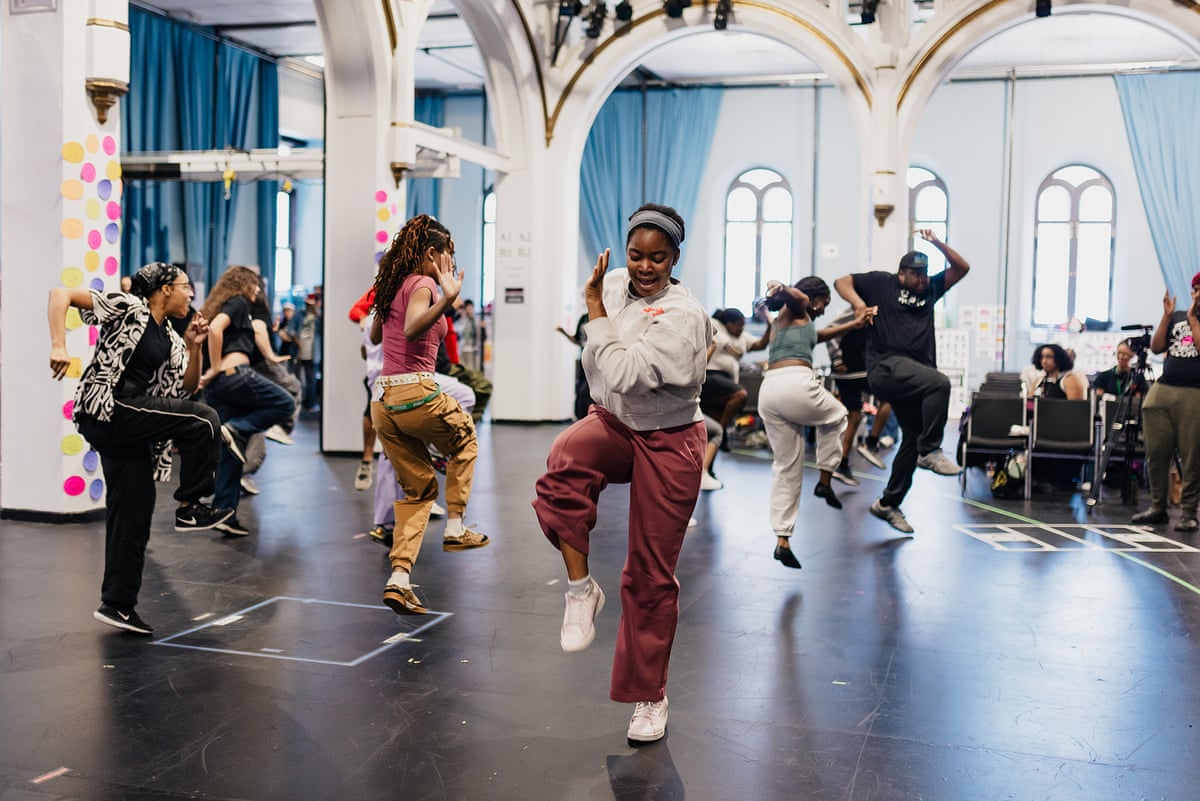
Staging a massive production with over 100 non-professional cast members is a Herculean logistical challenge under any circumstances. Doing so in the historic, open-air Delacorte Theater in Central Park adds a whole new layer of complexity. For decades, this iconic venue has been home to Shakespeare in the Park, hosting legendary actors and traditional plays. Transforming this space into a state-of-the-art live recording studio required the creative team to push the physical boundaries of the theater. The sheer ambition of Public Record Central Park has set a new standard for what can be achieved in public spaces.
The success of this theatrical event is a testament to the dedication of the Public Works program. For nearly a year, the production team conducted intensive outreach across all five boroughs. They held workshops, hosted listening sessions, and interviewed hundreds of residents to find the right individuals to lead this project. The final cast, ranging in age from seven to eighty-four, represents an incredibly diverse cross-section of the city’s actual population. This deep commitment to community engagement is what makes Public Record Central Park a truly democratic work of art.
Co-director and choreographer Dan Canham faced the challenge of orchestrating movement for a massive, multi-generational ensemble. Rather than enforcing strict, uniform choreography, Canham focused on highlighting the natural, individual movements of the performers. This approach allows the unique personality of each participant to shine through, creating a raw and authentic stage presence. Whether it is a young child showing off a street dance move or an elder sharing a quiet, deliberate gesture, every movement on stage feels deeply purposeful. This production, staged under the legendary Delacorte Theater Public Works program, showcases the power of community.
This community-first philosophy is what sets this performance apart from traditional Broadway shows. Instead of demanding that the performers conform to a rigid artistic vision, the creative team built the entire show around them. This collaborative process has fostered a deep sense of trust and camaraderie among the cast members, turning a group of strangers into a tightly knit community. It is a powerful reminder of theater’s unique ability to bring people together across deep cultural and social divides.
By challenging the traditional hierarchy of theater, this production opens up exciting new possibilities for future performances. It proves that when major institutions open their doors to the community, the results can be incredibly powerful and artistically significant. The lessons learned during the creation of Public Record Central Park will undoubtedly influence how theater-makers approach community-driven art for years to come. It stands as a brilliant model for how cultural organizations can build deeper, more meaningful relationships with their local audiences. As a pioneering NYC community theatrical project, it challenges traditional theater boundaries.
Those interested in finding more exclusive celebrity theater projects will note how this production successfully balances high artistic standards with deep community involvement. It shows that professional excellence and public participation are not mutually exclusive, but can actually enhance and enrich one another. This spectacular achievement is a powerful validation of the Public Works philosophy and a beautiful tribute to the people of New York.
People Also Ask
What happened with the Public Record Central Park production?
The Public Record Central Park production successfully brought over 100 local New Yorkers to the Delacorte Theater stage to create a live-recorded studio album. Co-directed by Emily Lim and Dan Canham, the five-night theatrical performance adapted a model originally developed in the UK to honor the distinct cultural footprint of New York City.
Why is the Public Record Central Park live album trending right now?
This landmark production is trending because it completely reimagines community theater by recording a live musical album on stage. Featuring a massive cast of local residents alongside prominent figures like late-night bandleader Louis Cato and Latin jazz icon Arturo O’Farrill, the show has captured the attention of critics and theater fans alike.
How does this project impact the local NYC community?
The project deeply involves the local community by providing a platform for over 100 non-professional performers from all five boroughs to share their lived experiences. By preserving the live-recorded audio in a permanent public archive, the production elevates everyday New Yorkers’ personal narratives to the level of official historical records.
Where can audiences watch this New York City musical tribute?
The performance was staged at the open-air Delacorte Theater in Central Park, running for five nights from September 4 to September 8. It was organized as part of the Public Theater’s renowned Public Works branch, which specializes in large-scale community collaborations.
The Future of Civic Archiving
As the five-night run of Public Record Central Park comes to a close, its impact will be felt long after the stage lights go down. Unlike traditional theater productions that exist only in the memories of those who attended, this performance is being preserved as a permanent historical archive. The live-recorded audio will be meticulously cataloged, ensuring that the voices of these 100 New Yorkers are preserved for future generations. This project stands as a shining example of how performing arts institutions can serve as vital guardians of local history.
By documenting the real, unvarnished stories of everyday citizens, the Public Theater has created a priceless cultural time capsule. This live-recorded tribute challenges us to think differently about whose stories are worth preserving and who gets to define a city’s legacy. It proves that the true heart of New York is not found in its towering skyscrapers or famous landmarks, but in the diverse, resilient people who call it home. The enduring legacy of Public Record Central Park lies in its ability to give voice to the voiceless and celebrate the everyday heroes of the metropolis.
For those interested in exploring more top-tier performing arts news, the success of this show marks an exciting new chapter in community-driven art. It highlights a growing trend of major cultural institutions sharing their platforms with local residents. As more cities look to replicate this innovative model, the lessons learned in Central Park will undoubtedly serve as a guiding light. This project has shown that when we invest in our communities, we create art that is more vibrant, more relevant, and more deeply meaningful.
Ultimately, this production is a beautiful testament to the power of deep listening and collaborative creation. It reminds us that when we stop to truly listen to one another, we can build something incredibly beautiful and enduring. The voices captured on the Delacorte stage during the Public Record Central Park run will continue to echo through the city, a powerful reminder of the strength, beauty, and endless multiplicity of New York. It is a spectacular achievement that will be remembered as one of the most innovative and moving theatrical events of the decade.
More Like This
For more updates, check out our latest entertainment and sports news.