Key Takeaways
| Harlem Trilogy Conclusion: Cool Machine marks the final chapter of Ray Carney’s crime saga. |
| Decade of Greed: The novel captures the cultural and social shift of 1980s New York. |
| Literary Structure: Whitehead utilizes three interlinked novellas to build tension and narrative depth. |
| Critical Acclaim: The work is widely regarded as a triumph that avoids the slump of standard sequels. |
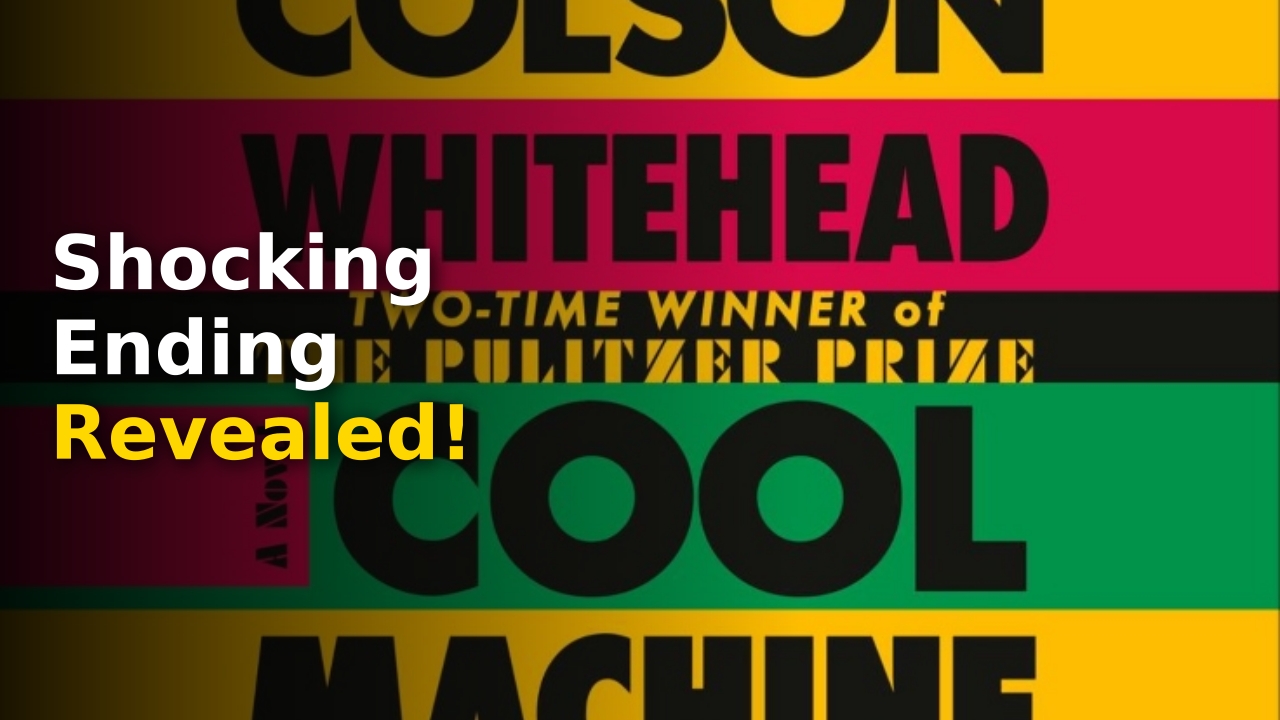
You might think the third installment of a sprawling crime saga would lose its edge, but Colson Whitehead proves pros and cons of a long-running series can be navigated with masterful precision. In his latest novel, Cool Machine, the Pulitzer Prize-winning author concludes his ambitious Harlem Trilogy with the same grit and intellectual rigor that defined the previous volumes. For readers tracking the life of Ray Carney, this final chapter is more than a mere ending; it is a profound reflection on the volatility of New York City during the 1980s.
As you dive into the streets of 1980s Harlem alongside Carney, you encounter a city caught in the transition from the civil rights battles of the 60s to the rampant consumerism of the 80s. Whitehead transforms the furniture salesman-turned-fence into a mirror of urban survival. Whether you are a long-time fan of literary crime fiction or new to the series, understanding the thematic weight of this work is essential for appreciating the current landscape of contemporary American letters.
Analyzing the Pros and Cons of Whitehead’s Final Act
The pros and cons of Cool Machine offer a masterclass in modern narrative architecture. The primary strength of the novel lies in Whitehead’s ability to weave three distinct, interlinked novellas into a cohesive tapestry of moral ambiguity. While many authors struggle to maintain momentum by the third entry, Whitehead elevates the stakes by introducing a legendary criminal mastermind, Uncle Rich, forcing Carney back into the dangerous “other business” he hoped to abandon for a quieter life with his wife, Elizabeth.
Conversely, the challenge for the reader—and perhaps the protagonist—is the relentless “churn” of the city. The violence is visceral, but it is the social commentary that provides the lasting impact. Whitehead forces you to confront the class divides of the Reagan era, where the promise of prosperity often masked deeper structural decay. You see this vividly when Pepper, the series’ most iconic enforcer, struggles to navigate a changing city that no longer rewards brute strength the way it once did. 
The Evolution of Ray Carney
Unlike standard crime protagonists who find redemption through simple narrative arcs, Carney remains a complex antihero. His transition from an opportunistic fence to a man caught in the crosshairs of both the police and the mob highlights the fragility of the American Dream. Carney’s internal monologue—specifically his realization that being a Black man in America means constantly being tested—anchors the story in a reality that transcends the typical thriller genre.
The Harlem Trilogy By The Numbers
Understanding the scope of Whitehead’s achievement requires looking at the trajectory of the series. The following table illustrates the shift in tone and historical context across the three novels.
| Novel Title | Setting Period | Core Conflict |
|---|---|---|
| Harlem Shuffle | 1960s | Civil rights and early survival |
| Crook Manifesto | 1970s | Police corruption and Black Liberation |
| Cool Machine | 1980s | Urban decay and greed-era upheaval |
As noted by The Wall Street Journal’s recent literary analysis, the progression of these novels functions as a historical document disguised as pulp fiction. Whitehead manages to capture the specific aesthetic of each decade without sacrificing the pacing required for a gripping heist story.
Historical Context and Expert Insights
The pros and cons of the 1980s as a setting in fiction often revolve around the binary of Yuppie excess versus urban neglect. Whitehead excels here by depicting a metropolis that functions as a “monstrous entity.” For the average reader, the brilliance of Cool Machine is how it manages to balance the high-stakes thrills of a Waldorf-Astoria heist with intimate moments of domestic struggle.
Experts in the field of contemporary literature argue that Whitehead’s brilliance lies in his refusal to romanticize the era. He depicts the 80s not as a golden age, but as a period of “cutting dreams and ambitions down to size.” Pepper’s journey, in particular, showcases the physical and emotional toll of living on the margins. His struggle with health and the changing nature of violence represents the “con” of the criminal life that even the most successful hustler cannot escape. 
People Also Ask
What is the conclusion of the Harlem Trilogy?
The trilogy concludes with the 2026 novel Cool Machine, which follows Ray Carney through the urban landscape of 1986 New York City.
How does Cool Machine compare to the earlier books?
Cool Machine maintains the series’ high standard of tight plotting and social commentary while successfully shifting the focus to the greed-driven atmosphere of the 1980s.
Who is the protagonist of the second novella in the book?
The second novella features Pepper, Ray Carney’s long-term partner in crime, who finds himself struggling with declining health and a dangerous new mission.
Where can readers learn more about the author’s work?
Readers can find detailed author profiles on Wikipedia’s biography of Colson Whitehead to understand his broader contribution to American fiction.
Refining the Legacy of Ray Carney
Ultimately, Cool Machine serves as a definitive end to a saga that has redefined the crime genre for modern audiences. By focusing on the pros and cons of a life lived in the shadows of New York, Whitehead ensures that Ray Carney remains an unforgettable figure in literary history. The narrative succeeds not because it provides a tidy resolution to a heist, but because it exposes the deeper, systemic “biggest con of all”: the myth that there is anywhere else to exist but within the complicated, brutal, and beautiful city itself.
As you reflect on the journey from the 60s to the 80s, the evolution of the characters mirrors the evolution of the country. If you are seeking a series that challenges your perception of the American narrative while delivering page-turning suspense, the Harlem Trilogy remains an essential addition to your library. For more insights into impactful storytelling, keep an eye on how these characters resonate in the broader cultural discourse throughout 2026.
More Like This
For more updates, check out our latest entertainment and sports news.