Key Takeaways
| Structural Shift: Major US museums are moving works on paper out of storage and into the main galleries. |
| IFPDA Expansion: The organization expanded its 1987 mandate to formally include drawings this year. |
| Integration Trend: Curators at LACMA and Princeton are replacing siloed displays with thematic, integrated exhibits. |
| Historic Correction: New scholarship is correcting gender imbalances in art history, particularly regarding female printmakers. |
Prints & Drawings Month 2024 marks a seismic shift in how premier cultural institutions handle delicate paper-based art. For over a century, these works were relegated to light-sensitive basements, but curators at institutions like LACMA and the Princeton University Art Museum are finally pushing for integration with mainstream painting and sculpture exhibits.
You might have noticed that your favorite museum visits have felt different lately, and that is by design. The long-standing hierarchy that kept etchings and sketches in the shadows is crumbling. This evolution, highlighted during the International Fine Prints & Drawings Association (IFPDA) events, signals a new era of inclusivity for works on paper.
Understanding Prints & Drawings Month 2024
The IFPDA, established in 1987, has operated for decades with a singular focus on the print market. This year, the organization took the radical step of expanding its core mission to include drawings, marking the most significant administrative change in its 37-year history. This shift mirrors a broader trend across the global art landscape to break down traditional medium-based silos.
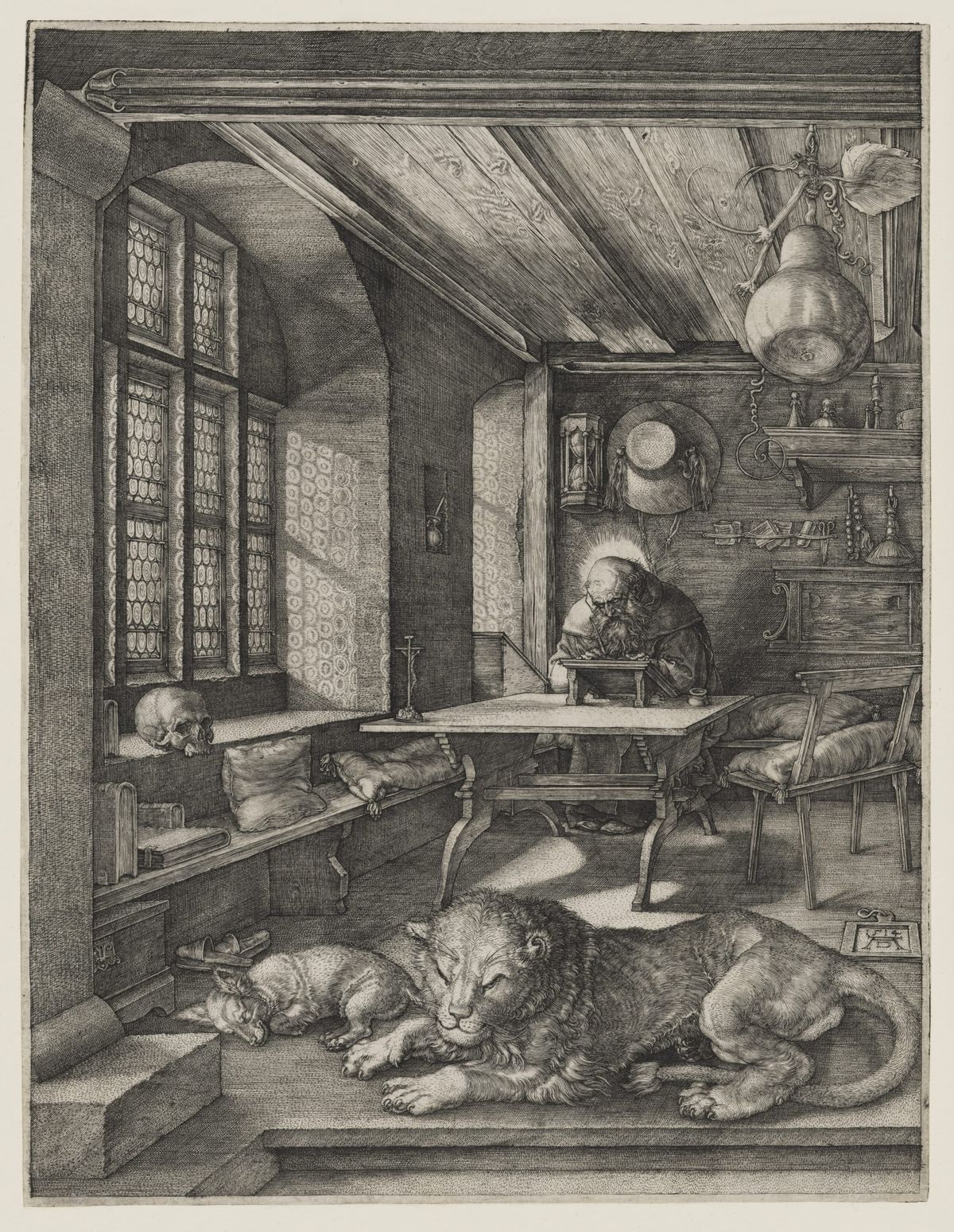
By integrating works on paper into gallery spaces organized by geography or historical theme, museums are creating more holistic narratives. As noted in The Metropolitan Museum of Art’s recent scholarly initiatives, the goal is to show that printmaking was never a secondary pursuit for masters like Rembrandt or the French Impressionists. These pieces are being re-evaluated as equal contributors to artistic legacy.
This integration is not merely an aesthetic choice; it is a fundamental challenge to the architecture of institutional memory. By bringing these works into the light, curators are forcing visitors to confront the history of art production with a modern, intersectional lens that accounts for overlooked masters.
Institutional Shifts In Focus
The movement behind Prints & Drawings Month 2024 is spearheaded by forward-thinking curators tasked with renovating museum wings. At the Chazen Museum of Art, leadership is actively questioning why paper collections have historically been separated from the “hero” displays. The answer is usually logistical—light sensitivity—but technology is providing solutions that allow for longer, safer display rotations.
The impact of this shift is visible in several key areas of the industry:
- Enhanced Public Access: Reducing the reliance on “study rooms” to view delicate collections.
- Thematic Storytelling: Pairing sketches with finished oils to explain the creative process.
- Inclusive Canon Building: Elevating the profile of women and non-Western artists who were historically ignored.
These institutional shifts represent a significant departure from legacy museum norms that prioritized white, male-dominated oil painting traditions above all other artistic expressions. The industry is witnessing a democratization of the gallery floor, where a drawing is granted the same wall space as a large-scale painting.
The Data Behind Modern Curation
The following table outlines the key institutions participating in the current re-evaluation of print and drawing collections. These museums represent the front lines of the current debate on storage versus public exhibition.
| Institution | Focus Area | Strategic Goal |
|---|---|---|
| LACMA | Collection Rehang | Integration by theme |
| Princeton Art Museum | Gallery Renovation | Expanding paper exposure |
| Chazen Museum | Archival Shift | Breaking medium silos |
As you can see, the data indicates a clear move toward thematic organization. This is a direct response to current research on visitor engagement, which shows that audiences prefer context-heavy exhibits over medium-specific collections. By using these strategies, museums are seeing higher dwell times and deeper visitor appreciation for technical nuances.
Expert Perspective on Art History
The “By the Numbers” reality of art history is often grim, with female artists frequently relegated to the footnotes. However, the sessions at IFPDA are changing that narrative. For instance, the focus on Marie Bracquemond provides a necessary corrective. While her husband, Félix, received the bulk of the attention, new evidence proves she was an essential member of the Impressionist movement.
This correction isn’t just about fairness; it’s about accuracy. When we look at print publishing in the 16th and 17th centuries, the role of women like Volcxken Diericx was pivotal. Yet, for nearly 400 years, they were obscured by a patriarchal structure that preferred the image of the “lone male master.” We are now at a turning point for institutional transparency and historical truth in the arts.
This shift requires curators to be as much researchers as they are organizers. They must dig into the archives to find these forgotten voices and pull them into the light. The intellectual labor being done during this month’s programming is a testament to the fact that museum walls are no longer static—they are evolving, much like the broader cultural conversation regarding representation.
People Also Ask
What happened with Prints & Drawings Month 2024 today?
The IFPDA officially expanded its scope to include drawings for the first time in its history. This event features new scholarly panels and museum initiatives focused on integrating paper-based works into main galleries.
Why is the integration of prints and drawings trending right now?
Museums are trending toward this integration because it allows for more cohesive thematic storytelling. It moves art beyond the traditional, outdated hierarchy that previously kept these works hidden in storage.
How does this affect modern museum visitors?
Visitors can expect to see more paper-based art alongside paintings, providing a richer, more context-driven experience. This shift allows the public to better understand the creative evolution and process behind famous artworks.
When is the IFPDA programming occurring?
The flagship public programs are concentrated throughout October. Most sessions are designed to facilitate dialogue between curators, dealers, and the public regarding the future of art preservation.
Final Thoughts
The dialogue sparked by Prints & Drawings Month 2024 is a clear indicator that the era of the “curatorial basement” is coming to an end. By actively questioning why we display art the way we do, institutions are opening up a new world of possibilities for the audience. The future of art history is one where every medium finally earns its place in the light.
More Like This
For more updates, check out our latest entertainment and sports news.