The Pout-Pout Fish movie adaptation is making waves for all the wrong reasons, leaving you to wonder if Hollywood has completely lost its creative compass when it comes to early childhood entertainment.
You probably remember reading the whimsical, rhyming pages of the beloved book series to your toddlers at bedtime.
Unfortunately, this new big-screen adaptation trades that gentle magic for a highly formulaic, corporate adventure on the high seas.
Released on August 11, 2026, the movie tries desperately to stretch a simple 32-page children’s book into a feature-length narrative.
While it boasts a stellar vocal cast, the end result is a sluggish, by-the-numbers journey that fails to capture the true spirit of the original illustrations.
Pout-Pout Fish Fails Kids
When you take a simple bedtime story and stretch it into a full feature film, you risk diluting the very essence of what made it special.
The transition from the page to the big screen has proven incredibly rocky for this beloved aquatic character.
Instead of a cozy, comforting tale, audiences are subjected to an overstuffed narrative that feels manufactured by a committee rather than written from the heart.
The emotional resonance of the book is completely lost in favor of frantic action scenes and unnecessary subplots.
Rather than focusing on the simple, relatable feelings of a grumpy fish, the film tries to turn the character into an action hero.
This bizarre creative decision alienates the youngest viewers while boring the older ones.
Uninspired Scripting Choices
- The dialogue lacks the poetic, rhythmic quality of the original text, relying instead on heavy-handed exposition and dull explanations.
- Characters constantly narrate their actions and feelings, leaving no room for visual storytelling or emotional subtlety.
- A trio of pink dolphins voiced by Amy Sedaris makes confusing references to cosmetic lip-fillers that will go completely over the heads of toddlers.
- The script attempts to parody popular teen movies like Mean Girls, creating a jarring experience for parents who are forced to watch along.
- These desperate attempts at humor feel incredibly lazy and show a lack of respect for the intelligence of the young target audience.
- Every scene feels bloated with unnecessary chatter, leaving very little breathing room for quiet, contemplative moments that children actually enjoy.
Watered Down Plot
- The central plot revolves around a generic quest to locate a wish-granting fish named Shimmer before a rival group of sea creatures finds her first.
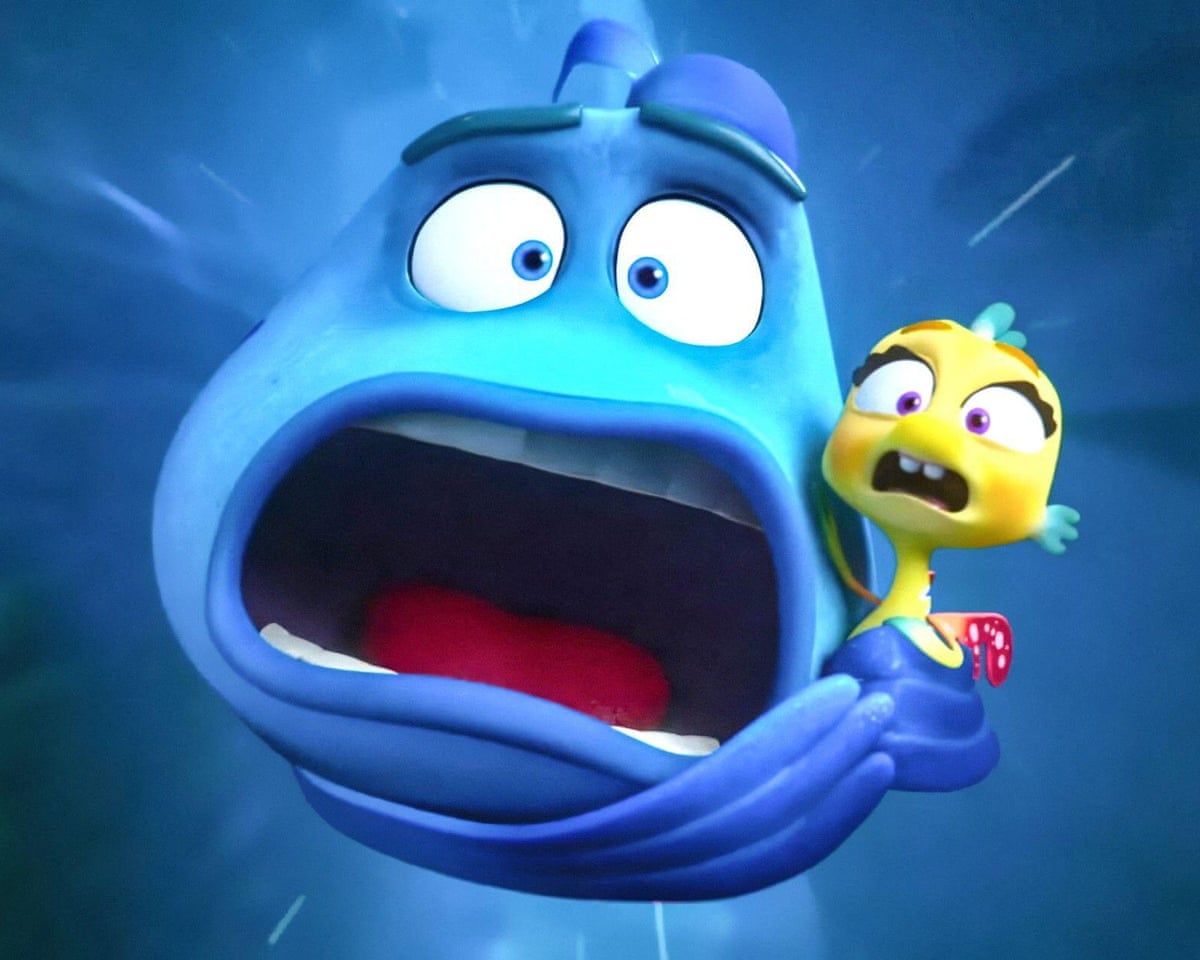
- Mr. Fish is forced to team up with an energetic baby sea dragon named Pip, played by Nina Oyama, creating a highly predictable odd-couple dynamic.
- The stakes feel incredibly low throughout the journey, with every obstacle being resolved almost instantly with minimal effort.
- The pacing is erratic, rushing through potentially interesting underwater environments to get to the next noisy action sequence.
- By turning the Pout-Pout Fish story into an epic high-seas quest, the filmmakers completely miss the point of the original book’s internal emotional journey.
- The ending resolves with a highly clichéd moral lesson about finding happiness within yourself, which feels entirely unearned after ninety minutes of chaotic chasing.
The Offerman Saving Grace
Despite the overwhelming narrative shortcomings, there is a singular, bright light shining through the murky waters of this production.
The casting directors made a brilliant decision when they hired one of the most distinctive voices in Hollywood to lead the project.
Without this critical casting choice, the film would be almost entirely unwatchable for the adults in the room.
This vocal presence provides a grounding force that keeps the movie from completely sinking into oblivion.
It is a masterclass in how an elite performer can elevate mediocre material through sheer charisma and vocal technique.
Unmatched Vocal Talents
- The legendary Nick Offerman lends his iconic, deadpan delivery to the grumpy protagonist, bringing a surprising amount of gravitas to the role.
- His voice is an exquisite walnut burr, burnished to a deep, warm amber lustre that instantly commands attention whenever he speaks.
- He manages to find a delicate balance between comedic grumpiness and underlying vulnerability, giving the character a heart of gold.
- You can discover more in-depth profiles and exclusive interviews with Hollywood’s elite voice actors by visiting Bright Celebrity today.
- His line delivery is so masterful that even the most boring, exposition-heavy lines sound somewhat poetic when coming from his mouth.
- This adaptation of Pout-Pout Fish showcases his unique ability to bring dignity and warmth to a character that could have easily been highly annoying.
Elevating Bland Material
- His performance stands in stark contrast to the rest of the cast, who struggle to make their uninspired lines sound natural or engaging.
- If you find yourself struggling to stay awake during the screening, you can simply close your eyes and treat the movie like an audiobook.
- The actor’s incredible storytelling ability is well-known, as evidenced by his work on the audio version of his hit memoir Paddle Your Own Canoe.
- It is genuinely fascinating to watch how his rich vocal textures manage to temporarily elevate the flat, uninspiring writing of the script.
- The animators clearly tried to match his vocal nuance, but the digital character model simply lacks the expressive range of his voice.
- Ultimately, his involvement is the sole saving grace of an otherwise entirely forgettable cinematic experience.
Animation Versus Book Charm
One of the most disappointing aspects of this feature film is how it handles the beautiful visual legacy of its source material.
The transition from physical book illustrations to digital animation is notoriously difficult, but this project highlights the worst-case scenario.
Instead of honoring the unique artistic choices of the creators, the production team opted for a sanitized, corporate aesthetic.
This visual shift is deeply felt by anyone who has spent hours looking at the original book pages with their children.
The hand-drawn warmth and expressive textures have been entirely replaced by cold, calculated computer algorithms.
Losing Graphic Magic
- The beloved illustrations by Dan Hanna are famous for their soft, whimsical textures and highly expressive, hand-crafted character designs.
- In contrast, the 3D computer-generated imagery in this film looks remarkably cheap, sterile, and entirely devoid of human touch.
- How the original Pout-Pout Fish books captured the vast, mysterious beauty of the ocean is completely lost in these flat, digital landscapes.
- The color palette is overstrained, relying on eye-watering neon shades that feel more like a toy commercial than a beautiful marine ecosystem.
- Character movements are incredibly stiff, lacking the fluid, expressive physics that modern animation technology is fully capable of producing.
- The underwater environments lack depth and detail, making the entire ocean feel like a small, plastic aquarium rather than a vast, magical world.
Corporate Aesthetics
- The movie suffers from a generic, homogenized look that is highly common among low-budget digital animation studios.
- Every character design has been smoothed over and simplified to make them easier to render and eventually manufacture into cheap plastic toys.
- This commercial prioritization strip-mines the artistic soul out of the property, leaving behind a hollow marketing vehicle.
- Preschoolers deserve to be exposed to rich, diverse artistic styles that stimulate their visual curiosity and aesthetic appreciation.
- By settling for standard, cookie-cutter digital assets, the production team shows a complete lack of creative ambition.
- It is a heartbreaking reminder of how corporate interests can easily crush the delicate, artistic charm of a beloved literary work.
Box Office Potential Metrics
When analyzing the Pout-Pout Fish commercial prospects, it is crucial to understand the unique economics of the preschool film market.
Unlike major blockbusters that rely on massive teenage and adult audiences, films designed for toddlers have a highly specific, built-in demographic.
Parents are always looking for clean, safe ways to occupy their energetic young children for a few hours, especially during school breaks and hot summer weekends.
This constant demand creates a highly resilient box office floor for almost any movie based on a recognizable children’s brand.
Even when film critics thoroughly pan a preschool adaptation, the financial outcomes can be surprisingly lucrative.
The power of a recognizable brand name like Deborah Diesen’s book series cannot be underestimated.
Beyond theater sales, the monetization of these projects extends far beyond the theatrical box office receipts.
The true financial engine of a preschool movie franchise lies in its merchandising, home video sales, and streaming licensing agreements.
A successful movie serves as a giant, ninety-minute commercial for plush toys, bedtime apparel, school supplies, and interactive video games.
This multi-layered revenue stream ensures that even a critically panned cinematic outing can remain highly profitable for the production studio.
The following detailed table provides a comprehensive overview of how several high-profile preschool and children’s book adaptations have performed globally.
Now let us dive into the financial data to see how the Pout-Pout Fish movie budget compares to other major children’s literary adaptations in recent cinematic history.
| Film Title | Release Year | Budget (USD) | Box Office (USD) | Critical Score (%) |
|---|---|---|---|---|
| The Pout-Pout Fish | 2026 | $15 Million | $22 Million (Est.) | 31% |
| Peter Rabbit | 2018 | $50 Million | $351 Million | 64% |
| The Bad Guys | 2022 | $80 Million | $250 Million | 88% |
| Captain Underpants | 2017 | $38 Million | $125 Million | 87% |
| Lyle, Lyle, Crocodile | 2022 | $50 Million | $111 Million | 72% |
Modern Kids Media Pitfalls
The current state of children’s entertainment is defined by an obsession with turning every single intellectual property into a sprawling, multi-film franchise.
This aggressive commercialization explains why the Pout-Pout Fish series struggled so deeply during its transition to the feature film format.
A simple, comforting bedtime story does not have the narrative infrastructure to support epic world-building or high-stakes action scenes.
By forcing this gentle character into a formulaic hero’s journey, the writers ended up stripping away the core values of quiet reflection and self-acceptance.
The result is a noisy, overstimulating product that feels completely indistinguishable from dozens of other generic animated films on the market.
We must ask ourselves if this constant push for bigger, louder franchises is actually beneficial for the psychological development of young minds.
The Franchise Trap
- Many modern children’s movies prioritize marketing opportunities and commercial toy tie-ins over high-quality storytelling.
- The pressure to create a “franchise universe” often leads to overstretching simple narratives past their natural breaking point.
- This aggressive commercialization can dilute the original educational or emotional value of the children’s books.
- Parents are increasingly frustrated by the lack of quiet, thoughtful, and slow-paced options in local movie theaters.
- The focus on fast-paced action sequences can lead to overstimulation and shorter attention spans in younger children.
- When simple stories are transformed into dramatic epic quests, the cozy and comforting magic is completely lost.
Underestimating Young Audiences
- There is a pervasive, lazy assumption among studio executives that very young children do not notice poor writing or sterile art.
- Preschoolers are actually highly receptive to visual nuance, melodic voices, and deep, sincere emotional storytelling.
- Some of the most enduring family films are those that refuse to talk down to their audience, offering rich and layered narratives.
- When we lower our creative standards for kids’ media, we miss a crucial window to help develop a child’s artistic taste.
- Nurturing an early love for beautiful and thoughtful cinema can foster deeper empathy and cognitive skills in young children.
- As consumers, parents have a massive amount of power to demand better, more creative content from major media networks.
Final Pout-Pout Fish Verdict
Ultimately, the Pout-Pout Fish movie remains a frustratingly missed opportunity that even an elite vocal performance cannot fully rescue.
While young children might be temporarily hypnotized by the bright, chaotic visuals on screen, the film completely lacks the enduring charm and gentle wisdom of its literary predecessor.
It represents the worst impulses of modern studio adaptations: loud, corporate, and intellectually lazy.
If you are a parent seeking a quick distraction during a rainy weekend afternoon, this film will certainly occupy your kids for ninety minutes.
However, do not expect a cinematic masterpiece that your family will want to revisit or talk about afterward.
Instead, the best option is to close the laptop, turn off the television, and head to your local library.
The original books by Deborah Diesen and Dan Hanna remain absolute masterpieces of early childhood literature, offering a heartwarming, comforting, and visually beautiful experience that no corporate film studio could ever hope to replicate.
More Like This
For more updates, check out our latest entertainment and sports news.