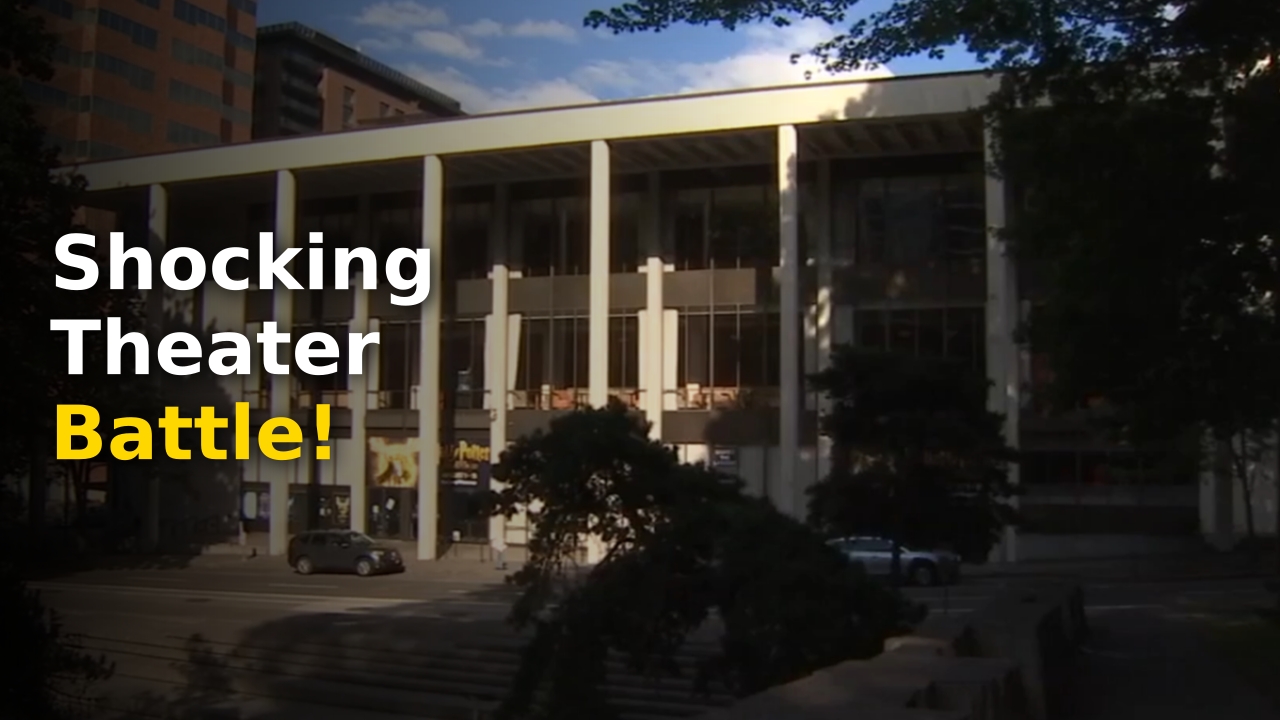
Are you ready to witness a high-stakes cultural battle over the future of Portland theater? A dramatic clash is unfolding in Oregon that will permanently reshape the city’s downtown landscape. You might think arts funding is always a peaceful affair, but this latest political showdown has divided the entire community.
The Portland City Council has officially greenlit a controversial plan to build a massive, 3,000-seat venue at Portland State University. This stunning decision has sent shockwaves through the local arts community and left the fate of the historic Keller Auditorium hanging in the balance.
The New Portland Theater Drama
The City Life Committee voted 4-1 to approve a major resolution that marks a massive shift in local arts policy. This crucial step permits city officials to begin formal negotiations with Portland State University for a brand-new, modern performing arts facility.
The proposed venue boasts a planned capacity of roughly 3,000 seats, specifically designed to host major Portland theater events and Broadway national tours. Supporters argue that the current facilities in the city simply cannot accommodate the massive scale of modern stage productions.
However, the decision did not come easily, following hours of heated public testimony and intense debate among city commissioners. The primary point of contention is whether the city should build anew or restore its existing cultural heritage and how it affects the traditional Portland theater scene.
The Core Controversy
At the heart of this intense civic debate is the concept of a single-theater market. The city’s own independent economic studies have repeatedly demonstrated that the local market cannot support two active Broadway-sized venues simultaneously.
This stark financial reality forces city planners to make a definitive, high-stakes choice. Choosing the new PSU site means making a deliberate decision to transition away from the historic Keller Auditorium. The core issues dominating the community debates include:
- Structural Seismic Safety: The aging Keller Auditorium requires immediate, multimillion-dollar earthquake safety upgrades.
- Broadway Technical Specs: Modern touring musicals require deeper stages and taller fly lofts than the Keller can provide.
- Economic Foot Traffic: Downtown businesses rely on theater patrons to support local restaurants and retail shops.
Many local business owners fear that shifting the cultural center of gravity will leave a massive void in the historic downtown core. They believe the existing arts district relies heavily on the steady foot traffic generated by the historic theater.
The Keller Dilemma
For decades, the Keller Auditorium has stood as a beloved landmark for generations of Oregon theatergoers. Located on Southwest Clay Street, the venue has hosted iconic musicals, classical concerts, and local community events.
Yet, the aging facility faces severe structural challenges, particularly regarding seismic safety and modern accessibility standards. Upgrading the historic building to meet strict modern building codes carries a staggering price tag.
Preservationists argue that letting the historic landmark go dark would be an unforgivable cultural loss. They believe the building possesses an irreplaceable architectural soul that simply cannot be replicated in a modern university setting.

Deep Funding Uncertainties Remain
The approved resolution does not commit any specific municipal funds to the development of the new PSU venue. Instead, it serves as a green light for staff to begin clarifying conversations regarding scope, design, and ultimate cost.
Critics have voiced deep frustrations over this lack of financial clarity, warning that the proposed Portland theater project could become a massive money pit. They worry that the city is rushing into a major commitment without a clear roadmap for funding.
Without designated tax revenues or private philanthropic pledges, the final price tag remains a mystery. City staff acknowledged that outlining a concrete budget at this early stage is virtually impossible.
The Cost Conundrum
Constructing a state-of-the-art, Broadway-capable venue from the ground up easily reaches hundreds of millions of dollars. To explore how other major cities manage these massive cultural investments, you can read more about iconic West Coast entertainment venues on BrightCelebrity to see how other cities balance heritage with modern growth.
Funding such an ambitious public-private partnership requires a delicate alignment of state grants, university contributions, and private donations. If any of these funding pillars collapse, local taxpayers could be left on the hook for the remaining balance.
Some civic leaders argue that prioritizing a new Portland theater during a period of economic recovery is highly irresponsible. They believe the city’s limited financial resources should be directed toward immediate public safety and infrastructure needs.
The Dissenter Voice
City Councilor Dan Ryan cast the lone dissenting vote during the dramatic committee meeting, expressing deep concern over the ambiguous financial plan. He openly questioned the wisdom of moving forward with such a massive project without concrete cost estimates.
Ryan warned that leaving the future of both the Keller and the new PSU site unresolved risks creating further blight. He fears a worst-case scenario where the Keller goes dark before the new venue is even completed.
His warnings resonated with many local business leaders who are desperate for economic stability in the downtown area. They argue that clarity and caution must come before any major developmental approvals.
Keller Versus New Build
To understand the immense scope of this debate, one must look at the specific technical and financial differences between the two options. The city faces a choice between retrofitting a century-old icon and building an entirely new cultural hub.
Supporters of the PSU option point to the immense technical limitations of the current Keller stage. Modern touring productions require vast backstage areas, heavy rigging capacities, and advanced acoustic designs that older theaters struggle to provide.
On the other hand, upgrading the Keller keeps the cultural center in its historic home while saving significant greenfield development costs. The following comparison highlights the key metrics driving this high-stakes Portland theater decision.
| Feature / Metric | Proposed PSU Theater | Existing Keller Auditorium |
|---|---|---|
| Target Seating Capacity | ~3,000 Seats | ~2,992 Seats |
| Estimated Base Cost | To Be Determined (TBD) | Hundreds of Millions (Est.) |
| Seismic Resilience | Fully Compliant (New Build) | Requires Major Structural Retrofit |
| Broadway Adaptability | State-of-the-Art Technical Design | Limited Rigging and Stage Depth |
| Primary Location Hook | Portland State University Campus | Historic Downtown Core Waterfront |
This table illustrates why the decision is so difficult for the city council. While the seating capacities are virtually identical, the underlying structural realities could not be more different.
The debate highlights a broader philosophical question facing modern American cities. Should municipal governments focus on preserving historical landmarks, or should they invest in state-of-the-art new developments?

Voices From The Community
The civic debate has galvanized a passionate group of historic preservationists and community advocates. The active “Save the Keller” campaign has organized rallies, public testimonies, and petition drives to protect the historic venue.
Many of these advocates argue that the Keller represents the literal heart of Portland’s modern cultural history. They point to the building’s deep connection to generations of families who have attended local arts events there.
Bob Naito, a prominent local developer and board member of the Halpin Landscape Conservancy, spoke passionately during the city council committee hearing. His father, Bill Naito, left a legendary legacy of restoring historic buildings to revitalize the city’s downtown.
According to the historical records of the Keller Auditorium, the building has served as the premier Portland theater facility for over a century. Naito emphasized that other iconic landmarks, such as the Central Library and the Portland Art Museum, were successfully upgraded and expanded.
He argued that the city should apply that same preservationist spirit to the Keller rather than abandoning it. In his view, investing in existing historic assets is a far more sustainable and responsible approach.
Conversely, supporters of the PSU proposal believe a modern Portland theater venue is essential to keep the local arts ecosystem competitive. They argue that major national Broadway tours will bypass the city entirely if a state-of-the-art facility is not constructed.
The Road Ahead
The resolution now advances to the full City Council, where a final and binding vote will eventually take place. Council members have made it clear that they expect key questions to be answered before casting their votes.
Specifically, they are demanding a detailed breakdown of the total project costs and the exact financial contribution expected from municipal taxpayers. They also want a clearer picture of how Portland State University plans to integrate the theater into its broader campus master plan.
Furthermore, an amendment was passed to ensure the Keller remains operational and receives necessary safety maintenance during any transition phase. However, this amendment conspicuously failed to identify an active funding source for these urgent repairs.
This unresolved funding gap leaves the immediate future of the Keller highly precarious. If the building requires millions of dollars in stopgap repairs just to stay open, the city’s financial burden will only increase.
The upcoming full council vote will be a historic turning point for the local arts community and the city’s economic recovery efforts. It will test the council’s ability to balance fiscal responsibility with ambitious cultural visions.
As the date of the final vote approaches, both preservationists and new-theater advocates are intensifying their lobbying efforts. The decision will shape the city’s cultural identity, tourism appeal, and the future of Portland theater infrastructure for decades.
Future Of Portland Theater Vision
In the coming months, the city must decide if it will look to its historic past or leap into an unwritten future. The choice between retrofitting the Keller Auditorium and building a brand-new campus venue represents two vastly different visions for local development.
While the promise of a state-of-the-art Broadway facility is undeniably appealing, the financial hurdles are monumentally high. Striking a balance between historic preservation and modern progress is never easy, but it remains absolutely necessary.
Ultimately, the final decision will determine how generations of Oregonians experience the performing arts. Only time will tell if local leaders can successfully navigate this high-stakes battle over the future of Portland theater.
More Like This
For more updates, check out our latest entertainment and sports news.