Political influencers across California could soon face massive fines if they accept cash to promote political candidates without giving their followers full transparency. Have you ever wondered if your favorite content creator’s passionate political endorsement was actually a paid advertisement? As major elections loom in 2026 and 2028, lawmakers are targeting undisclosed cash deals that secretly shape public opinion.
For years, political campaigns focused their massive advertising budgets on television commercials and radio spots. Today, political operations dump millions of dollars into direct partnerships with creators on platforms like Instagram, TikTok, and YouTube. When creators fail to reveal these financial ties, everyday voters are left completely in the dark regarding who is pulling the strings behind their feeds.

Political Influencers Under State Scrutiny
Political influencers are now squarely in the sights of state regulators who want to end shadowy digital campaigning. Under new legislative efforts in Sacramento, California, state officials plan to aggressively police social media posts that double as secret political advertisements. Democratic Assemblymember Marc Berman authored a crucial bill empowering the state watchdog to hit non-compliant creators directly in their wallets.
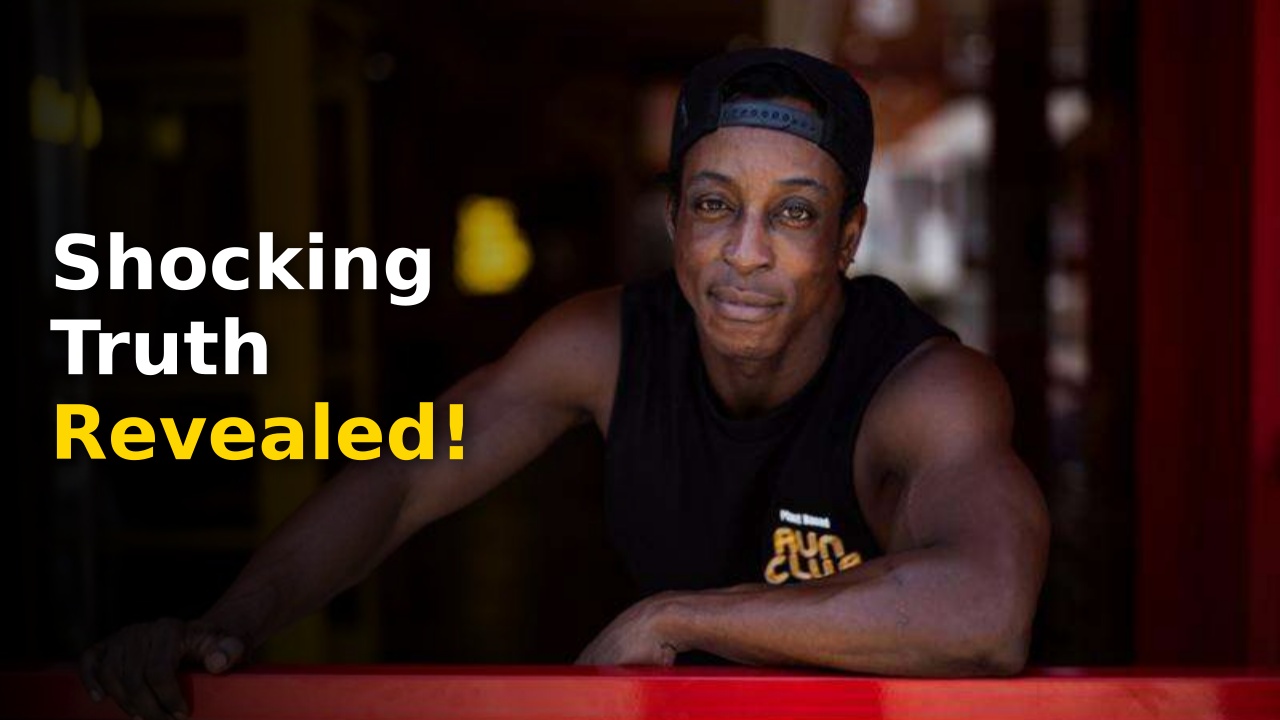
The issue reached a boiling point during California’s primary race for governor. High-profile Los Angeles creator Shaka Smith, who commands over 700,000 followers, openly revealed he was compensated in the thousands of dollars by Democratic billionaire Tom Steyer. While Shaka Smith properly disclosed the agreement, state campaign finance watchdogs launched probes into numerous other creators who completely hid their cash payouts.
Campaigns no longer rely exclusively on Hollywood stars or major public figures to persuade the electorate. Modern political strategists are intentionally recruiting micro-creators with smaller follower counts to target niche demographics. Democratic strategist Mike Nellis, who advised Kamala Harris during her presidential run, openly admitted that campaigns without surrogate creators are already falling dangerously behind.
Why Digital Disclosures Matter
- Voters deserve immediate transparency regarding paid political advertisements.
- Undisclosed sponsorships erode trust in modern public elections.
- Enforcement agencies need streamlined administrative tools to fine violators fast.
The regulatory authority leading this push is the California Fair Political Practices Commission. Currently, enforcing disclosure requires seeking lengthier court orders, a process that often drags on long after election day has passed. Giving the commission direct power to issue immediate sanctions changes the enforcement landscape completely.
State law currently allows officials to levy steep penalties up to $5,000 per violation against non-compliant accounts. This heavy financial threat aims to force full disclosure before creators hit the publish button. As digital campaign budgets surge, regulators hope swift penalties will finally establish order across social platforms.
Shadow Campaigns and Hidden Payments
Unlabeled political posts have quietly impacted major elections across the nation for years. Back in 2022, the campaign for Senate candidate John Fetterman paid reality television personality Nicole “Snooki” Polizzi of Jersey Shore fame to mock his rival. The viral video mocked candidate Mehmet Oz for moving from New Jersey to Pennsylvania, yet the paid financial nature of the clip was not immediately obvious to casual viewers.
A similar scandal erupted in Texas during 2023 when conservative political groups funneled cash to online creators. Those paid content creators actively posted content defending Texas Attorney General Ken Paxton during his high-stakes impeachment trial. Multiple posts lacked clear sponsorship tags, masking paid propaganda as organic grassroots outrage.
When cash influences political discourse behind closed doors, online trust collapses entirely. You can read more about how viral media trends impact digital culture through our exclusive celebrity culture updates. Without distinct visual cues, viewers naturally assume their favorite online personalities are offering genuine, unprompted political commentary.
Key Examples of Undisclosed Posts
- Unlabeled celebrity shoutouts targeting political opponents during key elections.
- Astroturfed political commentary paid for by stealth agency networks.
- Paid endorsements hidden under personal voter recommendations.
Former gubernatorial candidate Tom Steyer poured more than $215 million of his personal fortune into his political bid. His aggressive strategy of funding internet personalities provoked sharp criticism from rivals who claimed he was attempting to purchase the election. While his team instructed creators to add disclaimers, the controversy exposed massive regulatory loopholes in state oversight.
Creators themselves express mixed feelings about the proposed administrative crackdowns. Southern California video creator Dustin Torreverde stressed that while transparency is necessary, heavy fines could easily bankrupt smaller accounts. Independent creators often lack legal teams to navigate complex election codes and administrative fine structures.
Conversely, creators like Adina Flores from Northern California fully support strict legal enforcement. She believes that creators taking campaign money must perform deep research on candidates rather than blindly posting talking points for quick cash. Financial accountability ensures that only dedicated creators engage in political promotion.
Political Influencers Face Federal Vacuum
Federal oversight regarding digital political marketing remains surprisingly non-existent in the United States. Federal election laws created decades ago failed to anticipate modern social media dynamics. While federal agencies heavily regulate radio and broadcast television ads, digital spaces remain largely lawless territory.
United States Senator Adam Schiff introduced sweeping federal legislation in July 2026 to force nationwide disclosure rules. However, gridlock in Washington has prevented the bill from receiving a full congressional vote. In the absence of federal policy, state governments are stepping up to build their own legal frameworks.
Texas successfully updated its election codes in 2024, mandating clear disclaimers on paid digital campaign content. Meanwhile, the state legislature in New York is evaluating similar legal proposals to penalize covert political sponsorships. Similar disclosure measures previously failed in states like Utah and Georgia due to pushback over free speech concerns.
State Regulatory Responses
- California: Pushing direct administrative fines up to $5,000 per infraction.
- Texas: Mandatory legal disclaimers enforced on all campaign-funded creator content.
- New York: Considering strict campaign finance updates targeting online platforms.
Legal expert Saurav Ghosh of the democracy watchdog group Campaign Legal Center stresses that state-level laws are essential stepping stones. He argues that state enforcement will force federal regulators to establish unified national guidelines. Without national consistency, multi-state campaigns can easily exploit jurisdictional loopholes to hide financial payouts.
The financial stakes for content creators are higher than ever before. During primary cycles, micro-creators can earn anywhere from hundreds to tens of thousands of dollars per post. However, ignoring state disclosure mandates could quickly wipe out those earnings through administrative penalties.
Campaign Disclosure Rules and Penalties
Understanding the statutory requirements and proposed financial penalties is critical for online personalities navigating election cycles. The following detailed comparison matrix outlines how major legal jurisdictions handle undisclosed paid political content across the country.
| Jurisdiction | Disclosure Requirement | Maximum Penalty | Enforcement Agency |
|---|---|---|---|
| California | Mandatory for paid campaign posts | $5,000 fine per violation | Fair Political Practices Commission |
| Texas | Mandatory campaign disclaimers | Civil campaign penalties | Texas Ethics Commission |
| New York | Pending legislation in assembly | Proposed statutory fines | State Board of Elections |
| Federal (US) | No official creator policy | N/A | Federal Election Commission |
Compliance requires creators to clearly state when they have received cash, free perks, or contractual compensation from political committees. Simple hashtags like #ad or clear verbal disclosures in video intros are expected to become mandatory legal standards. Failing to include clear visual or audio disclosures puts both the content creator and the political committee at major legal risk.
As regulatory scrutiny grows, influencer agencies are beginning to add compliance clauses into creator contracts. Campaign managers want to avoid embarrassing news headlines and costly fines caused by negligent talent. Clear labeling ultimately protects candidates, creators, and voters alike from deceptive promotion.
The Future of Social Elections
The landscape of political advertising has permanently shifted from broadcast television to personalized phone screens. Modern campaign strategies depend heavily on authentic voices who maintain dedicated, highly trusting audiences. As direct-to-consumer political marketing expands, transparency will determine whether democratic discourse remains fair and open.
For content creators, treating political work with strict professional compliance is no longer optional. Online personalities must realize that accepting political money carries serious legal responsibilities unlike typical brand deals. Disclosing campaign partnerships ensures that audiences can properly evaluate political claims with complete context.
Ultimately, regulators hope these aggressive state-level proposals will set a new national standard. When voters know exactly who funds political messages, they can make informed choices at the ballot box. Protecting democratic integrity requires ensuring that political influencers remain completely honest with the millions of voters who trust their daily feeds.
More Like This
For more updates, check out our latest entertainment and sports news.