Key Takeaways
| Mewtwo was cut from Super Smash Bros. Brawl due to extreme development time constraints. |
| Lucario was introduced as a Gen-4 representative rather than a direct mechanical successor. |
| Data-mined files indicate Mewtwo was partially developed before being abandoned by the team. |
| Director Masahiro Sakurai confirmed that multiple roster cuts occurred to meet launch deadlines. |
You might still remember the stinging disappointment of booting up your Wii console only to find that Pokémon officially replaced Mewtwo in the legendary roster of Super Smash Bros. Brawl. For many, the absence of the genetic masterpiece from the Melee lineup felt like a betrayal of the franchise’s most iconic psychological fighter. While the transition from Mewtwo to Lucario has been debated for nearly two decades, the reality of the situation is rooted in the high-pressure development cycle of one of Nintendo’s most ambitious titles.
The shift was not merely a character swap; it signaled a pivot toward the newer, cross-generational appeal of the Pokémon franchise. As you navigate the history of this controversial decision, it becomes clear that technical limitations and ambitious project scope defined the roster’s evolution. Understanding why this move occurred requires a deep dive into the development remnants and the design philosophy of Masahiro Sakurai.
Why Pokémon Officially Replaced Mewtwo in Brawl
The transition from Mewtwo to Lucario remains one of the most polarizing moments in the history of the Super Smash Bros. series. When Brawl launched in 2008, fans immediately noticed the gap left by the Mewtwo character model. The Psychic-type powerhouse, famous for its tragic origin and devastating Shadow Ball, had vanished without a clear explanation. In its place, Lucario brought the Aura mechanic, which scaled the fighter’s power based on their damage percentage.
This swap created an immediate friction point within the player base. While Lucario offered a high-skill ceiling, many competitive players felt that the new fighter lacked the specific utility and movement profile that made Mewtwo a fan favorite. You could see the frustration across message boards and early gaming forums, where players argued that the two Pokémon were far too similar in concept to justify removing one for the other. The comparison remains a staple topic for gaming history analysis.
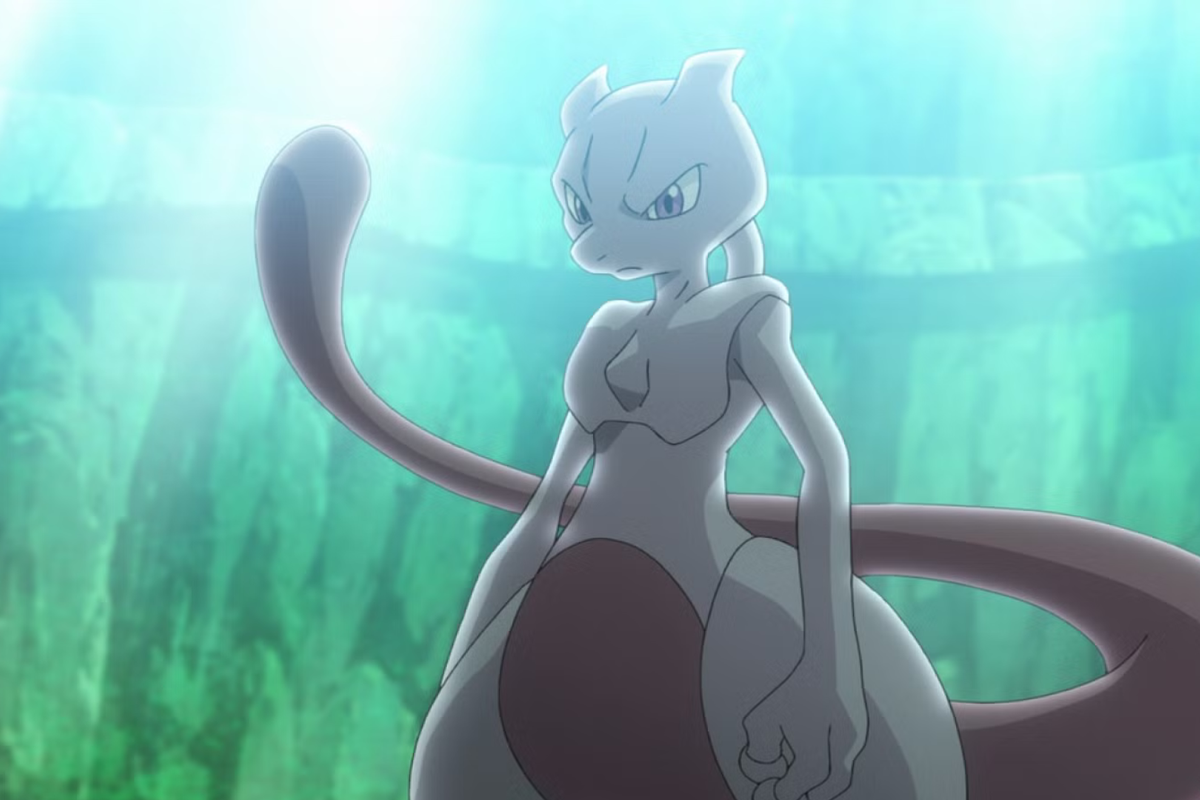
Despite the backlash, the decision was largely a matter of scheduling rather than malice. Development documentation and internal files suggest that the team struggled to balance a roster that was growing rapidly in scope. The necessity of adding new faces like Lucario meant that resources had to be shifted away from legacy fighters. The sacrifice of Mewtwo allowed the team to refine the Subspace Emissary and ensure that new mechanics like the Final Smash worked correctly across a wider range of characters.
The Role of Aura Mechanics
Lucario was designed to embody the spirit of the Gen-4 era, focusing on the unique Aura combat system. Unlike Mewtwo, who relied on speed and projectile manipulation, Lucario rewarded players who could survive long enough to maximize their damage potential. This change in philosophy reflected a broader push toward modern gameplay dynamics in the late 2000s, helping the Super Smash Bros. Brawl experience feel fresh to casual fans of the series.
Development Data and Cut Content
The most fascinating aspect of this era is the trail of breadcrumbs left behind in the game’s code. Data miners have spent years dissecting the disc of Super Smash Bros. Brawl, finding assets that prove Mewtwo was far along in the development process before being cut. You can find leftover sound effects, victory screen configurations, and even Wii Remote controller data that confirm the character was intended to be part of the final build.
This evidence fundamentally changes the narrative from a simple replacement to a casualty of time. If you look at the development trajectory, it seems likely that Mewtwo was meant to exist alongside Lucario, not be overshadowed by it. The realization that such a high-profile fighter was scrapped at the eleventh hour highlights the cutthroat nature of AAA game development. It serves as a reminder that even the most iconic Nintendo gaming icons are not safe from the chopping block when deadlines loom.
Comparative Analysis of Fighters
| Feature | Mewtwo (Melee) | Lucario (Brawl) |
|---|---|---|
| Primary Mechanic | Shadow Ball/Speed | Aura scaling damage |
| Combat Archetype | Glass Cannon | Comeback Specialist |
| Origin Generation | Generation 1 | Generation 4 |
| Development Status | Cut from Final Build | Day One Roster |

Background and Historical Context
To truly understand the frustration, you must look at Mewtwo as more than just a character. Since its introduction in the first Pokémon movie, Mewtwo has been the face of raw, experimental power in the franchise. Its exclusion from Brawl deprived players of the chance to see how its moveset could have been iterated upon with the game’s new engine. By the numbers, Brawl was a commercial juggernaut, but for the hardcore competitive scene, the loss of certain characters felt like a downgrade.
By the numbers, Lucario ultimately proved to be a successful addition, appearing in subsequent entries like Smash 4 and Ultimate. However, Mewtwo eventually made its triumphant return as DLC, proving that the demand for the character never truly faded. This return vindicated fans who argued that the original psychic master had a permanent place in the series, regardless of current generation trends. The cycle of removal and re-introduction showcases the ever-shifting landscape of the gaming industry where fan demand often forces developers to reconsider past omissions.
People Also Ask
Why did Nintendo cut Mewtwo from Brawl?
Nintendo cut Mewtwo from Super Smash Bros. Brawl primarily due to strict development time constraints. Masahiro Sakurai confirmed that the team had to sacrifice several planned characters to ensure the game reached its launch date.
Is Lucario a direct replacement for Mewtwo?
While many fans view Lucario as a replacement, it was introduced as a representative of the then-modern Generation 4. Data-mined files suggest that Mewtwo was intended to be in the game, meaning Lucario was an addition rather than a mechanical substitute.
Will Mewtwo return in future Smash games?
Mewtwo has already returned to the franchise, debuting as playable DLC in the later Wii U/3DS entries and remaining a staple in Super Smash Bros. Ultimate. Future appearances depend on the direction of the next series installment.
What happened with the leaked Mewtwo files?
Data miners discovered leftover character-specific effects, victory music, and Wii Remote data within the Brawl game files. These remnants act as physical proof that development on the character was significantly advanced before the final cut.
Final Thoughts on the Legacy
Looking back, the claim that Pokémon officially replaced Mewtwo serves as a lesson in the complexity of game development. While the fans felt the sting of a missing icon, the industry realities were clearly defined by time and resource allocation. The story of Mewtwo in Brawl is not just one of removal, but one of resilience and eventual return to the spotlight in later titles.
Even if you still favor the original psychic powerhouse, the evolution of the roster through titles like Brawl paved the way for the massive rosters we see today. The legend of Mewtwo remains untarnished, and its eventual comeback proves that sometimes, the best characters are worth the long wait. Whether you see this as a necessary change or a missed opportunity, the impact on Pokémon history is undeniable.
More Like This
For more updates, check out our latest entertainment and sports news.