
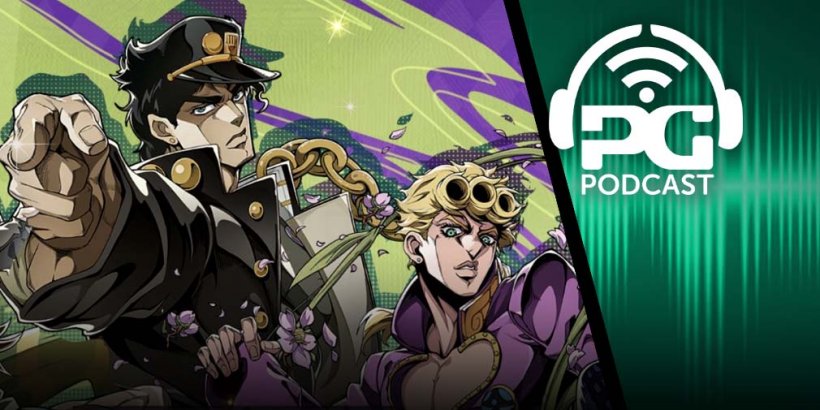
Pocket Gamer is back with an explosive 91st episode that dissects the current state of mobile gaming and the shifting landscape of anime-to-game adaptations. Have you ever wondered why your favorite handheld titles feel like a hollow shell of their source material, or are you too busy hunting for the perfect controller emulator to care? This week, hosts Iwan and Will dive head-first into the controversial world of JoJo’s Bizarre Adventure: Golden Spirit, dissecting the narrative-heavy mechanics that are currently polarizing the fanbase.
You are about to embark on a journey through the most significant mobile tech trends and gaming debates of the decade. From the ergonomic design of the 8BitDo FlipPad to the complex lore of Hirohiko Araki’s legendary series, this podcast episode covers it all. Whether you are a seasoned veteran of the JoJo universe or a curious newcomer, the analysis provided here is essential listening for anyone serious about mobile gaming performance.
The Pocket Gamer Deep Dive
The conversation ignites when Iwan, a self-proclaimed JoJo super-fan, tackles the launch of Golden Spirit with surgical precision. While many developers rely on shallow “iconic scene” rehashes to sell units, this title opts for a narrative-driven RPG approach that demands real player investment. The visuals are undeniably high-fidelity, pushing modern smartphone processors to their absolute limit with vibrant, ink-wash aesthetics that pay homage to the original manga’s artistic flair.
However, the transition from anime to mobile software is fraught with potential pitfalls that the hosts aren’t afraid to highlight. You will hear a refreshingly honest debate regarding character rosters, where specific units feel significantly more powerful than others, leading to a meta-game that feels somewhat unbalanced. It is a classic case of accessibility versus depth, and the verdict might surprise you if you have been following the news on celebrity lifestyle trends in gaming.
For those struggling with the game’s initial difficulty spike, the team provides a detailed breakdown of the Hall of Trials. Mastering this mode is essential if you want to climb the leaderboards without spending real-world currency on gacha pulls. It is a masterclass in strategy that rewards patience over brute force, mirroring the complex tactical battles seen throughout the Stardust Crusaders and Golden Wind arcs.
The debate naturally shifts toward the philosophy of “point-of-entry” in serialized media adaptations. If a game forces you into a specific narrative arc without context, does it alienate the audience? Will and Iwan argue that while Golden Spirit is undeniably gorgeous, it serves as a double-edged sword for newcomers. Your experience will ultimately hinge on your tolerance for exposition-heavy dialogue and the necessity of external wiki research to understand character relationships.
Technical performance on modern devices remains a cornerstone of the Pocket Gamer philosophy. As mobile hardware approaches parity with last-generation consoles, the demand for high-quality controller integration has skyrocketed. You are no longer satisfied with clunky touchscreen buttons that obscure your view; you want the tactile feedback that only a dedicated peripheral can provide. This brings us to the fascinating intersection of hardware design and legacy emulation.
Hardware Innovations and Emulation
The 8BitDo FlipPad represents a pivotal moment in mobile peripheral evolution. By physically transforming a standard smartphone into a landscape-oriented handheld console, it solves the ergonomic nightmare that has plagued mobile gaming for years. The build quality, while lightweight, offers the satisfying “click” that collectors look for when playing retro titles on their primary device.
Iwan’s previous review of the GameSir Pocket Taco serves as a perfect benchmark for this comparison. While the Taco focused on portability and a “grab-and-go” form factor, the FlipPad leans into the nostalgic aesthetic, mimicking the iconic design cues of systems like the GameBoy or Nintendo DS. It is not just about the hardware; it is about how these devices change the way you interact with your digital library.
The podcast also touches upon the looming shadow of Nintendo and its stance on emulators. As legal scrutiny intensifies around mobile software that allows users to play retro games, developers are walking a fine line. It is a high-stakes environment where one update to the Android kernel could render an entire ecosystem of emulation tools obsolete overnight. Are you protecting your save files properly?
Emulation is often criticized for its lack of authenticity, yet it remains the most accessible way to preserve gaming history. Many titles from the early 2000s are currently unavailable on modern digital storefronts, leaving emulation as the only viable path for archival preservation. The hosts discuss how mobile processors are now efficient enough to handle even the most demanding GameCube and PlayStation 2 emulation cycles with minimal thermal throttling.
What does this mean for the future of mobile-native games? If you can play a perfectly emulated masterpiece from 2005 on your phone, why would you invest time in a “Service Game” that might shut down in two years? This existential threat is driving developers to create better, more immersive mobile experiences that offer unique features you cannot get from a static retro ROM.
We have reached a turning point where hardware manufacturers like 8BitDo are becoming just as important as the game developers themselves. You are effectively voting with your wallet every time you purchase a peripheral that improves your playtime. The consensus is clear: the future of mobile is not just in the software, but in the physical tactile feedback that bridges the gap between player and screen.
The Analytics of Mobile Growth
| Market Metric | Growth Projection | Relevance |
|---|---|---|
| Mobile RPG Revenue | 14% YoY | High |
| Controller Hardware | 22% YoY | Critical |
| Anime IP Adoption | 9% YoY | Medium |
To put things in perspective, the sheer volume of mobile games releasing every month is staggering. According to global industry reports, the mobile market is projected to reach unprecedented heights in terms of active user engagement by the end of 2026. This data underscores why podcasts like Pocket Gamer are vital; they act as a filter, separating the high-effort projects from the “cash-grab” clones.
Key Takeaways for Listeners
- Always prioritize firmware updates for your 8BitDo hardware.
- Check specific character tier lists before spending currency.
- Follow podcasts on multiple platforms to avoid missing live drops.
- Understand the legal limitations of retro game emulators.

Community Engagement Tips
If you find yourself lost in the Golden Spirit narrative, look for the community-driven beginner’s guide mentioned by Iwan. There is no shame in utilizing resources to master complex mechanics, especially when the developer’s own onboarding process feels like it was designed for established fans only. Connect with other listeners on their social media channels to exchange tips on team compositions.
The Future of Mobile Gaming
As we look toward the horizon, it is evident that the synergy between anime adaptations and hardware innovation will define the next generation of mobile entertainment. The Pocket Gamer crew has perfectly captured this tension, offering a glimpse into a world where your phone is no longer just a communication device, but a powerful gaming portal. You should stay tuned to their future episodes for more deep dives into these evolving tech trends.
By embracing these advancements, you position yourself at the forefront of the mobile revolution. Whether you are a fan of JoJo or simply enjoy the thrill of discovering new ways to play, the insights shared in Episode 91 are invaluable. Pocket Gamer continues to set the bar for quality gaming analysis in a crowded audio landscape, and your participation as a listener is what keeps this community vibrant and informed.
Remember that the best gaming experience is the one that fits your personal lifestyle. If you prefer the comfort of a couch, use that 8BitDo FlipPad to cast your mobile screen to your television for a console-like feel. Stay curious, keep playing, and never stop looking for the next hidden gem that transforms your daily commute into an epic adventure.
More Like This
For more updates, check out our latest entertainment and sports news.