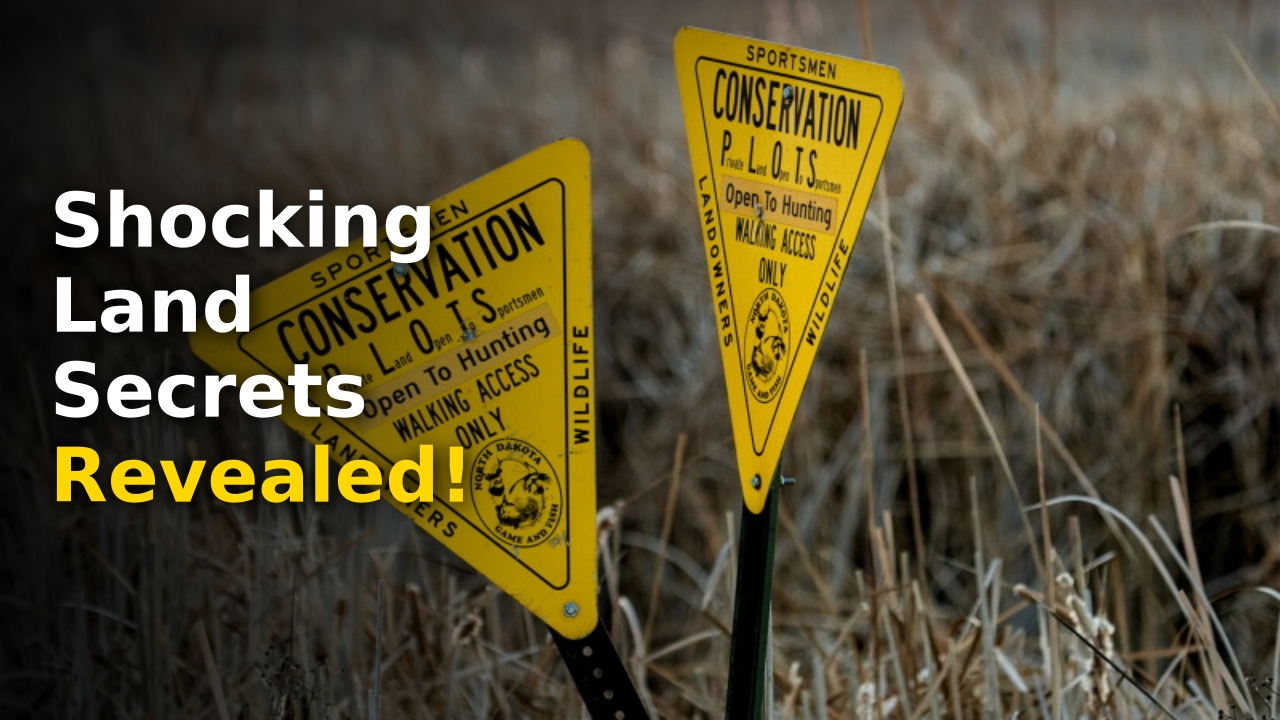
PLOTS Program access defines the modern North Dakota hunting experience, serving as a critical bridge between private landowners and the public. You might not realize it, but nearly every hunting season you enjoy relies on this silent partnership, which has fundamentally transformed the landscape of the Great Plains.
If you have ever wondered why those yellow inverted triangles appear on the back roads, you are looking at the backbone of our state’s outdoor heritage. Without this cooperation, the vast majority of our wilderness would remain locked away, inaccessible to the average outdoorsman.
Understanding The PLOTS Program Success
The success of the Private Land Open To Sportsmen (PLOTS) initiative rests on a unique funding structure. Unlike many state programs, this isn’t propped up by general taxpayer dollars or state budget whims. Instead, it relies on the hard-earned money you spend on hunting licenses each year.
When you purchase a license, you are actively investing in the habitat on the ground and the right to walk it. This user-benefit system ensures that the people who use the resource the most are the ones funding its preservation and continued expansion into the future.

Landowners participate because they recognize the value of keeping these habitats healthy and open. By enrolling in the program, they receive assistance from professional biologists who help plant native grasses and develop food plots. This creates a win-win scenario that benefits not just deer and pheasants, but the entire local ecosystem.
The program has evolved significantly since its inception three decades ago. Where hunters once navigated by physical maps and hearsay, they now utilize advanced digital tools. You can view every tract via the official online guide or modern mobile mapping apps to identify boundaries with pinpoint accuracy.
Respecting these private boundaries is the single most important rule for the long-term survival of the initiative. Because these tracts are located on private property, the “walk-in” rule is non-negotiable for all participants. Driving ATVs, setting up camp, or riding horses outside designated areas can result in immediate loss of access for everyone.
Building relationships with producers remains the ultimate goal for the next generation of hunters. If you want to dive deeper into the history of American outdoor traditions, check out this guide on wildlife management milestones to see how far we have come. The cooperation between farmers and the hunting community is the secret sauce to North Dakota’s outdoor prosperity.
Program Core Pillars
- Direct Funding: Sustained entirely by hunting license fees and lottery refunds.
- Wildlife Habitat: Creation of nesting and winter cover for game and non-game species.
- Access Technology: Use of GPS-based apps for boundary navigation.
- Mutual Respect: Strict adherence to walk-in-only rules to protect private land.
Key Statistics And Growth Metrics
The scale of the program is massive, currently supporting nearly 900,000 acres of accessible land. This represents a significant achievement, especially considering that over 93% of the state is held in private hands. The following table highlights the financial and structural impact of the initiative.
| Metric | Current Status |
|---|---|
| Total Managed Acres | 900,000+ |
| Yearly Funding Goal | License-Based |
| Future Target (2028) | 1,000,000 Acres |
| Program Longevity | 30 Years |
As you can see, the trajectory is aggressive, aiming for the million-acre mark by 2028. This growth is only possible because of the persistent support from the North Dakota Game and Fish Department and the residents who donate their time and money. Every acre added represents more opportunities for families to bond in the outdoors.
We must acknowledge the role of non-game wildlife in these protected plots. While hunters focus on deer and pheasants, the nesting cover provides essential sanctuary for migratory birds and songbirds alike. This is a massive win for environmental biodiversity across the Northern Plains.
The data suggests that the program’s efficiency has actually increased over time. By digitizing tract information, the state has reduced overhead costs significantly. This leaves more capital to invest directly in landowners, which incentivizes them to keep their gates open to the public during the busy autumn months.
The Future Of Outdoor Heritage
You have a responsibility to act as a steward of these lands. When you leave a tract better than you found it—by packing out trash or reporting illegal activities—you contribute to the sustainability of the program. Farmers watch these behaviors closely, and your actions determine whether that field stays open next season.

The environmental impact of these thousands of acres cannot be overstated. By maintaining native grasses, the program helps with carbon sequestration and prevents soil erosion. It turns private working lands into vital hubs of ecological resilience that support the entire regional agricultural cycle.
Looking toward 2028, the objective is to elevate the quality of existing land rather than just increasing the quantity. Biologists are focusing on soil health, water retention, and native plant diversity. When the habitat thrives, the wildlife thrives, and consequently, your hunting success rate increases naturally.
The program serves as a model for the rest of the nation. States facing similar challenges with land privatization look to North Dakota as the gold standard for public-private cooperation. By prioritizing community over conflict, we have maintained a way of life that is rapidly vanishing elsewhere.
Conservation And Collaboration Efforts
Cooperation between private producers and the public is the bedrock of this initiative. Without the willingness of North Dakota’s farmers and ranchers to share their space, the culture of hunting would face extreme congestion. This partnership fosters mutual respect that transcends the fence line.
You are encouraged to contact local biologists if you or someone you know wants to participate. The Game and Fish Department at 701-328-6300 acts as the central hub for all technical assistance. There is no better way to get involved than by speaking with experts who understand local soil and habitat requirements.
We have reached a pivotal moment in our state’s history. With three decades behind us, the momentum is stronger than ever. It is important to realize that every single sign you see is a symbol of a handshake deal between a hunter and a farmer. Treat that sign with the respect it deserves.
Final Thoughts On The PLOTS Program
Reflecting on these thirty years, it is clear that the PLOTS program has exceeded all original expectations. We have turned potential conflict into a productive alliance that supports conservation, wildlife, and the hunting lifestyle. You are the final piece of this puzzle as you head out into the field this year.
By staying educated on the regulations and respecting private property, you ensure that the next thirty years will be even more fruitful. The PLOTS program remains a shining example of what happens when citizens work together toward a shared, sustainable vision for the land.
More Like This
For more updates, check out our latest entertainment and sports news.