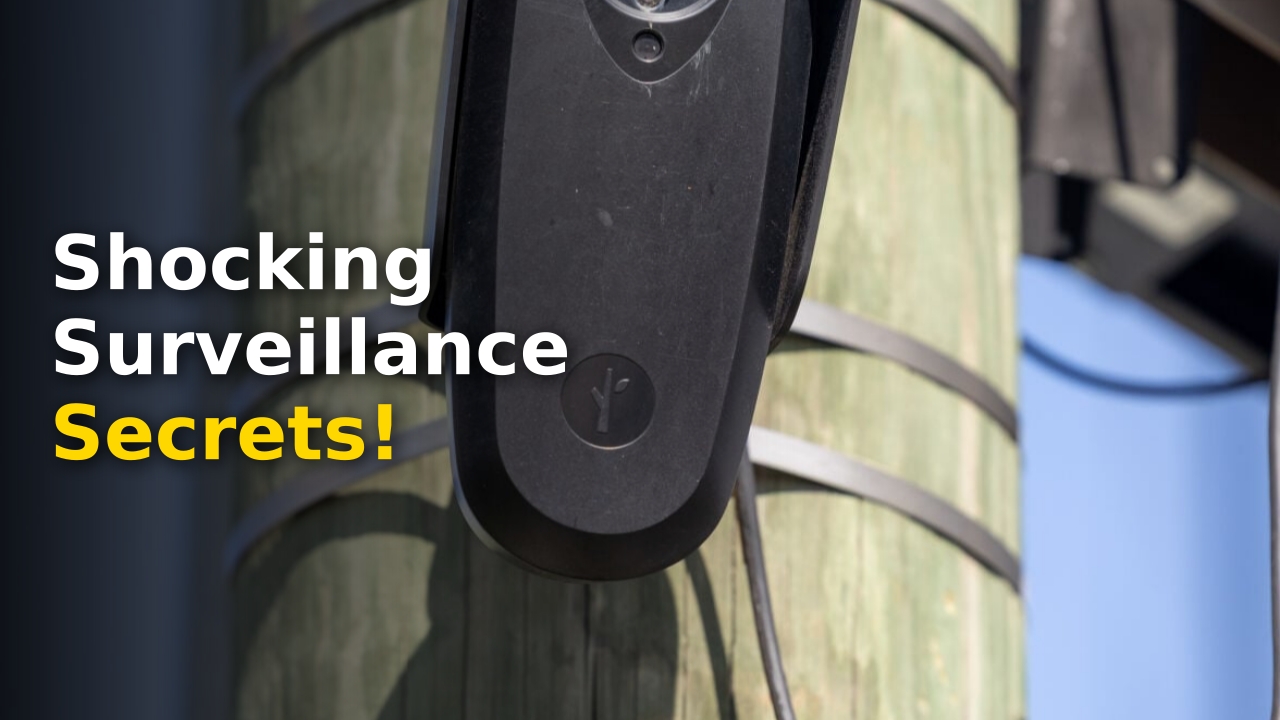
Have you ever felt like someone is watching your every move while you drive? If you drove down Veterans Boulevard in Metairie, Louisiana, on August 19, 2026, you likely missed the sophisticated plate readers mounted high above the buzzing morning traffic.
These highly advanced plate readers are part of a quiet revolution in local municipal surveillance. You might think your daily commute is completely private, but state-of-the-art optical systems are proving otherwise.
The recent photograph cataloged as NO.jpflock.082026.614.JPG captures a striking image of an automated camera positioned strategically along one of Metairie’s busiest thoroughfares. This high-resolution camera acts as an unblinking eye, recording thousands of passing motorists every single hour of the day.
Plate Readers Exposed
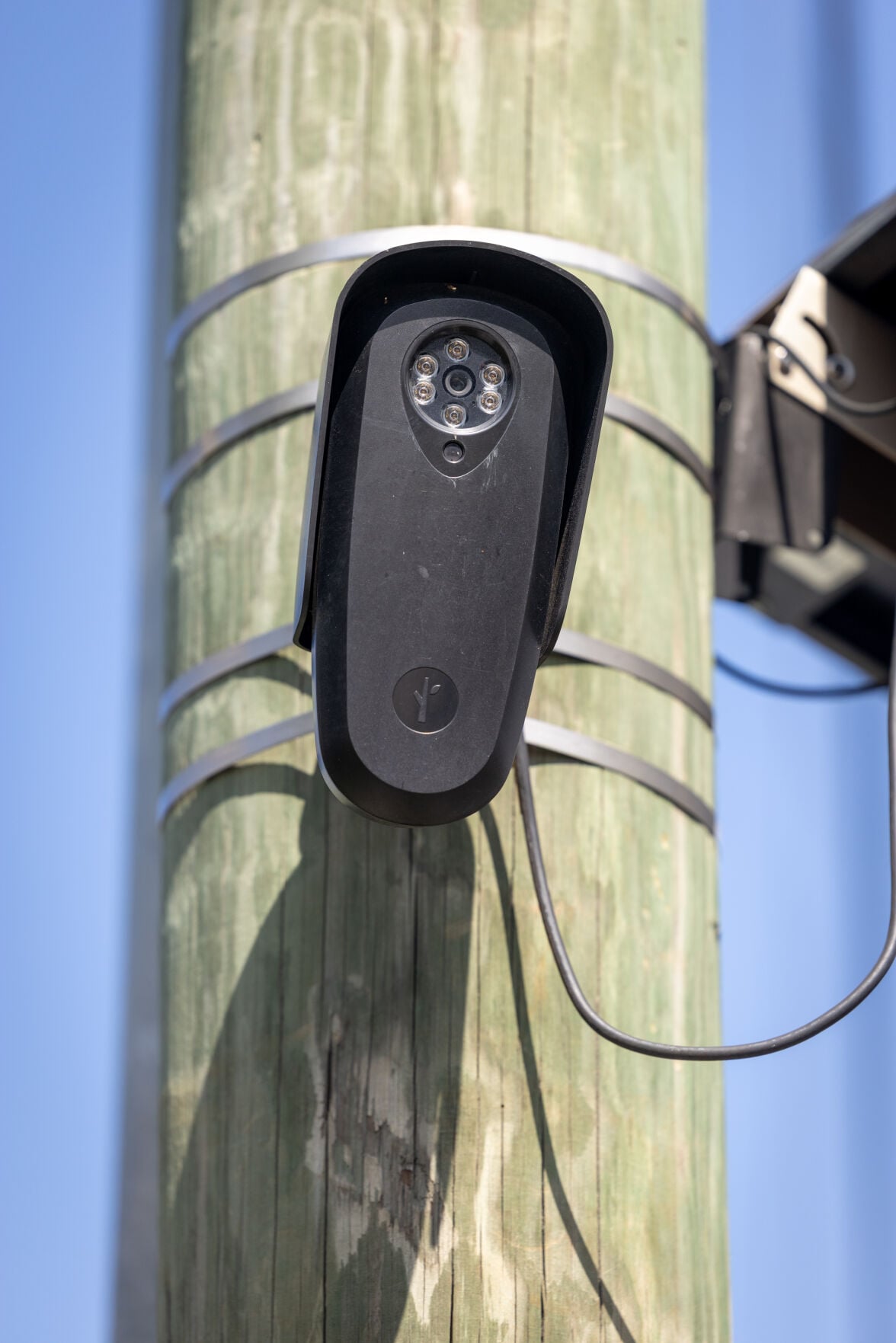
Many locals wonder why these plate readers are popping up on almost every major intersection across Jefferson Parish. The answer lies in the rapid digitization of local law enforcement operations. By utilizing advanced optical character recognition technology, these systems translate physical license plate numbers into digital text within milliseconds.
As these plate readers scan thousands of vehicles, they instantly compare the collected data against state and federal crime databases. This automated tracking operates without human intervention, creating a massive digital log of where and when specific vehicles travel. While public safety officials champion this technology as an essential modern tool, civil liberty advocates express deep concern over the massive collection of personal travel history.
The device captured on Veterans Boulevard represents just a small fraction of a much larger regional surveillance grid. For years, Jefferson Parish has quietly expanded its digital net, deploying high-tech cameras to deter crime and track down fleeing suspects. Many commuters remain entirely unaware of how frequently their location data is logged, stored, and analyzed by automated algorithms.
The physical design of these cameras allows them to blend seamlessly into the existing urban landscape. Mounted on traffic poles, utility structures, or streetlights, they are easily mistaken for standard traffic flow monitors. However, their true purpose is far more analytical, capturing not just video, but highly structured database entries for every passing vehicle.
Local authorities argue that the sheer volume of daily traffic on Veterans Boulevard makes manual policing virtually impossible. With tens of thousands of cars passing through Metairie daily, manual license checks are a relic of the past. Automated systems allow officers to focus their field efforts on active leads rather than random searching.
This transition to algorithm-driven policing marks a major shift in how local communities are managed. The integration of artificial intelligence with optical cameras means that vehicles can be flagged for minor infractions or major warrants instantly. The speed of this technology has effectively transformed local roads into high-security monitoring zones.
Local Police Tracking
Law enforcement agents assert that plate readers provide an invaluable layer of safety in high-traffic commercial zones. Veterans Boulevard is a major economic artery in Metairie, lined with shopping centers, restaurants, and corporate offices. This high density of commercial activity naturally attracts a high volume of vehicular traffic, making it a prime location for automated surveillance.
By integrating plate readers with existing databases, local police departments can instantly identify stolen vehicles, active warrants, and amber alerts. When a flagged vehicle passes the camera, an instant notification is sent to nearby patrol units. This rapid response capability has led to numerous successful arrests and recovered assets that might have otherwise gone unnoticed.
The implementation of Automatic Number-Plate Recognition systems is not unique to Metairie. Municipalities across the United States have adopted similar technologies to combat rising property crime and vehicle thefts. The data generated by these cameras provides investigators with critical timelines when piecing together criminal movements after an incident occurs.
Despite the operational advantages, the rapid expansion of this technology raises serious questions about data retention. How long is this sensitive location data stored, and who has access to it? In many jurisdictions, data from vehicles not connected to any active investigation is kept for months, or even years, before deletion.
This long-term storage of movement patterns essentially creates a historical map of every citizen’s daily habits. Critics argue that this level of tracking is a direct violation of reasonable privacy expectations. They worry that without strict oversight, the temptation to abuse this powerful tracking system will eventually prove irresistible to bad actors.
Local administrators defend the programs by emphasizing that the data is strictly secured and encrypted. They claim that access is restricted only to certified law enforcement officers with legitimate investigative needs. However, audit reports from various national agencies suggest that unauthorized database searches do occasionally occur, prompting demands for tighter controls.
Jefferson Parish Shield
Supporters claim that plate readers are the perfect shield against rising regional crime rates in suburban communities. In an era where police departments face staffing shortages, automated technology acts as a force multiplier. It allows a smaller number of active officers to monitor a vastly larger geographical area with incredible precision.
However, critics point out that plate readers can easily lead to a chilling effect on public life and political gathering. If citizens know that their presence at a protest, a place of worship, or a sensitive medical clinic is permanently logged, they may hesitate to exercise their constitutional rights. This subtle erosion of public trust is a major focus of ongoing legislative debates across Louisiana.
For those tracking celebrity lifestyle trends and privacy issues, check out exclusive celebrity updates on media coverage of high-profile surveillance cases. Famous personalities often face intense tracking from paparazzi and private investigators, mirroring the broader societal debate over digital tracking. The struggle to maintain personal privacy is no longer just a high-profile problem; it affects every commuter on Veterans Boulevard.
The balance between public safety and individual liberty remains incredibly delicate. Residents of Metairie often find themselves torn between wanting safer neighborhoods and fearing a continuous digital footprint. This conflict has led to public town halls where community members demand transparent policies regarding surveillance equipment.
The financial cost of installing and maintaining these elaborate networks is substantial. Taxpayer funds are continuously funneled into private tech contracts to keep the surveillance software updated and operational. Some community activists argue that these financial resources would be better spent on grassroots crime prevention and social services.
As these debates rage on, the cameras continue their silent work day and night. The unblinking lenses capture license plates in rain, fog, and darkness, utilizing infrared illuminators to maintain high accuracy around the clock. The technological march forward shows no signs of slowing down, leaving policy-makers scrambling to keep pace.
Surveillance Concerns
- Data Retention Policies: Many local agencies lack clear guidelines on how long non-investigative vehicle logs are stored in active databases.
- Lack of Public Oversight: Surveillance networks are frequently expanded without comprehensive public hearings or community input.
- Misidentification Risks: Dirty license plates, bad weather, or software glitches can lead to false positives, resulting in innocent drivers being pulled over.
- Third-Party Sharing: Private camera manufacturers often control the database infrastructure, raising questions about corporate data monetization.
Data Tracking Metrics
Let’s examine how these plate readers perform in real-world scenarios across suburban corridors like Metairie. Understanding the scale of operations requires analyzing hard numbers and performance statistics. Municipalities that implement these systems track a wide variety of data points to justify the high cost of investment.
This table breaks down the efficiency of typical plate readers in suburban environments, demonstrating their overall impact on local traffic monitoring and law enforcement operations.
| Metric Category | Suburban Metairie Average | National Standard |
|---|---|---|
| Daily Scans Per Camera | 12,500 to 15,000 | 10,000 to 12,000 |
| Optical Accuracy Rate | 98.4% | 97.5% |
| Data Retention Period | 30 to 90 Days | 30 Days |
| Stolen Vehicle Alerts | 2.3% of Total Scans | 1.8% of Total Scans |
The impressive accuracy metrics show why local municipalities are so eager to transition to digital scanning methods. Compared to human observers, the computer vision models powering these cameras operate with almost flawless efficiency. They can process multiple lanes of traffic simultaneously, even at extreme highway speeds.
However, the data retention differences highlight a major point of contention. While some states mandate a strict 30-day limit on storing non-investigative scans, other regions allow records to persist indefinitely. This regulatory patchwork leaves drivers vulnerable to varying levels of privacy invasion depending on which county or parish border they cross.
As technology marches forward, the cost of high-definition cameras and database storage continues to drop. This economic factor makes wide-scale deployment highly feasible for even small municipal departments. What was once a high-budget luxury for major metropolitan centers is now standard equipment in quiet suburbs.
The long-term social implications of this transition are still being studied by criminal justice experts. Some research indicates that while visible cameras do deter opportunistic crimes like shoplifting or car break-ins, they have little impact on organized criminal networks. This finding challenges the primary justification for the massive expenditure of taxpayer funds on surveillance grids.
Future Surveillance Impact
Ultimately, the reliance on plate readers continues to provoke vital discussions about constitutional rights and community policing. As cities grow increasingly connected, the line between public safety and invasive surveillance becomes highly blurred. Drivers must decide how much personal freedom they are willing to exchange for enhanced community security.
As we look ahead, the integration of plate readers into smart city frameworks will likely automate traffic control, parking enforcement, and automated toll collection. This level of synchronization will make it practically impossible to move through urban spaces undetected. The convenience of automated infrastructure comes with the heavy price of constant observation.
By remaining vigilant and demanding transparent policies, citizens can ensure that plate readers serve the public interest without compromising fundamental personal rights. The conversation surrounding digital surveillance is only beginning, and the choices made today will shape the landscape of civil liberties for generations to come.
More Like This
For more updates, check out our latest entertainment and sports news.