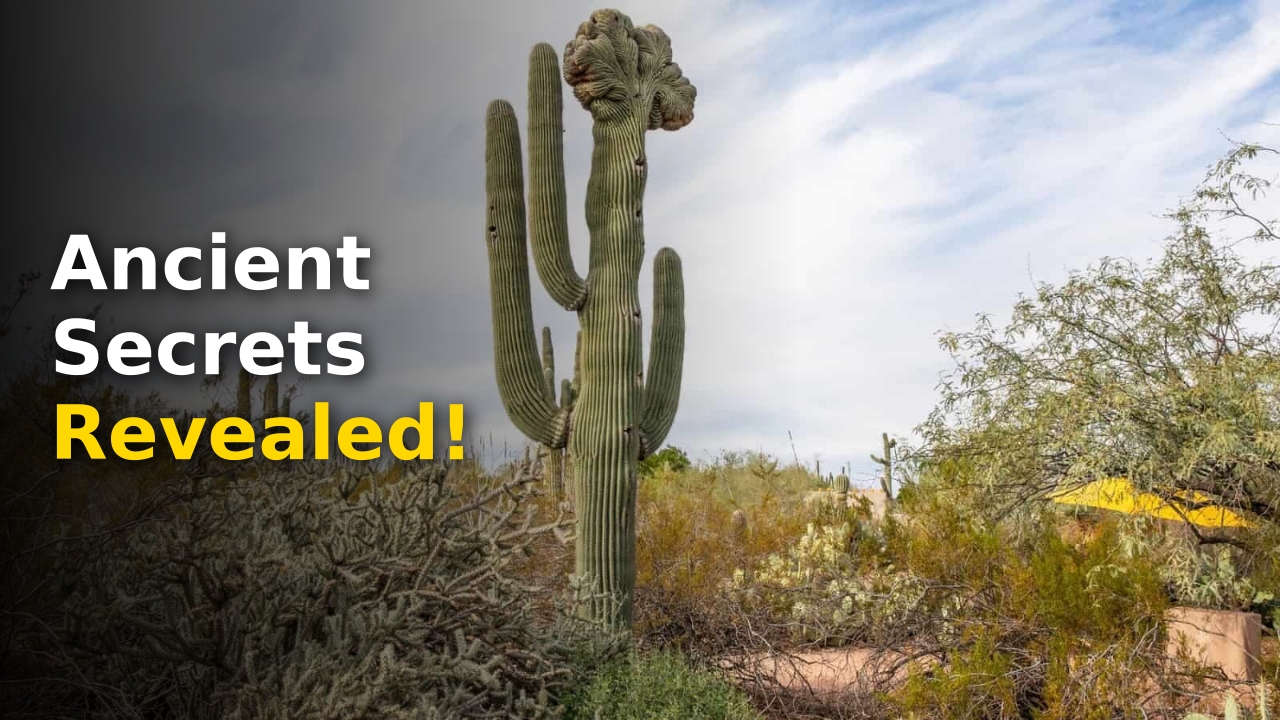
Phoenix tourism is fundamentally rooted in a deliberate commitment to cultural preservation that transforms aging landmarks into modern luxury assets. You might think modern travelers only crave digital connectivity, but the 2026 Virtuoso Luxe Report confirms that deep cultural immersion is now a top-five priority for the world’s most affluent explorers. By protecting sites like the 91-year-old Arizona Biltmore and ancient saguaro forests, the city has successfully turned its history into a competitive advantage.
This shift represents a massive pivot in how we perceive urban development in the American Southwest. Instead of chasing fleeting trends, Phoenix is betting that you want to walk through history rather than just view it from a distance. The city’s strategy proves that heritage is not a burden; it is the ultimate luxury product.
Phoenix Tourism Embraces Timeless Preservation
The core of the city’s identity lies in its refusal to demolish the remnants of its past. When you visit these historic sites, you are experiencing a narrative arc that spans nearly a century of desert ingenuity. The preservation efforts involve thousands of hours of skilled labor, architectural restoration, and careful environmental stewardship. By maintaining these structures, the city provides you with a sensory connection to the era of architectural pioneers like Frank Lloyd Wright.
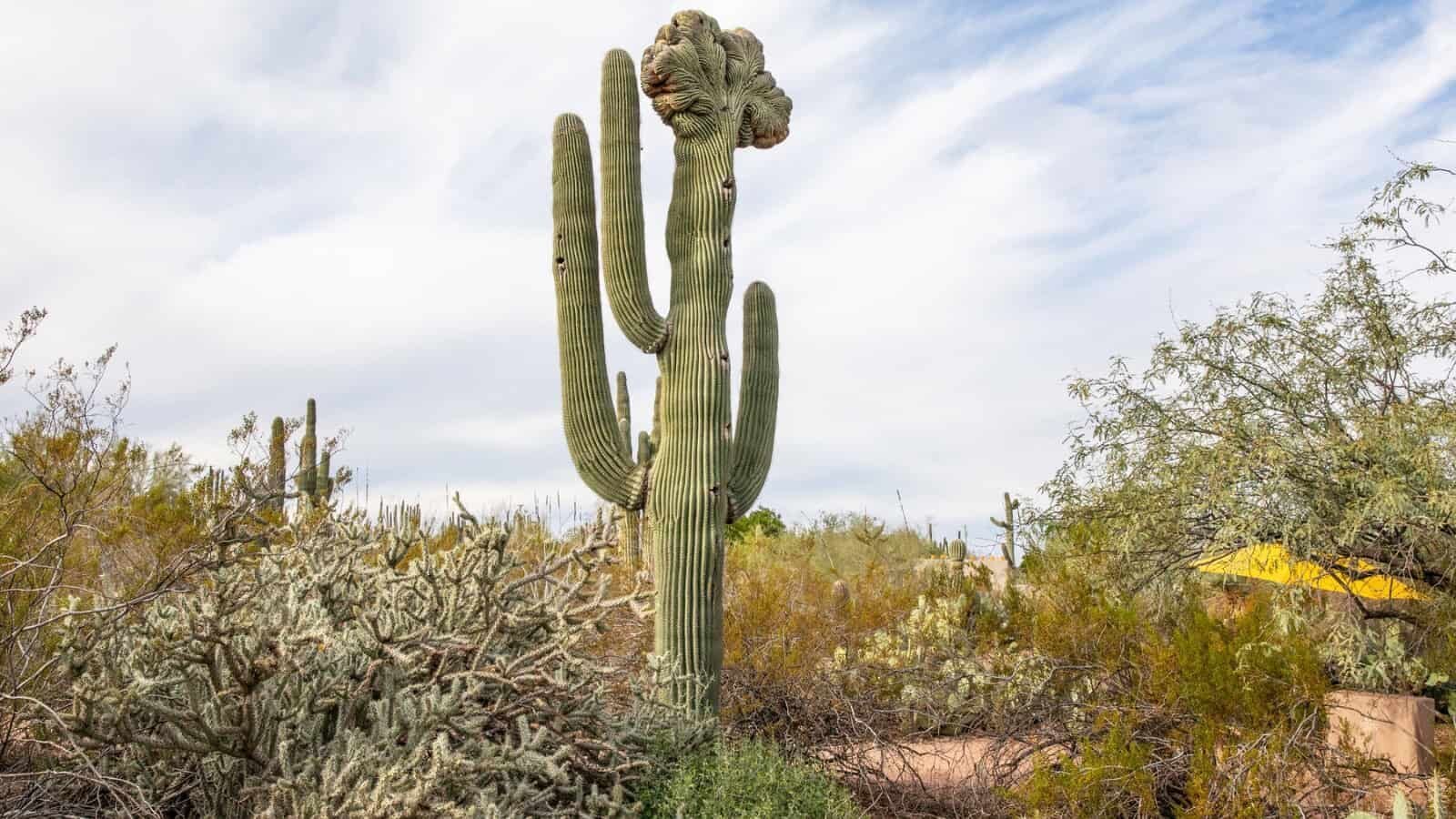
You will find that the preservation movement extends far beyond individual buildings to the very landscape itself. Ancient saguaro cacti, some standing for over a century, are protected with the same ferocity as historic hotel lobbies. These giants serve as natural monuments, anchoring the urban sprawl in a timeless reality. This intentionality creates a unique atmosphere that newer, glass-heavy cities simply cannot replicate or manufacture.
Luxury travelers are increasingly wary of the ‘cookie-cutter’ experience found in global commercial hubs. By choosing to highlight its unique history, Phoenix positions itself as a destination for the discerning intellectual. The economic impact of this approach is substantial, as historical tourism often leads to longer guest stays and higher per-capita spending. You are not just paying for a room; you are investing in a curated piece of American heritage.
Furthermore, the collaboration between local government and private investors has created a robust framework for long-term site maintenance. These stakeholders understand that if the historic appeal fades, the premium brand value of the region evaporates. Consequently, they invest millions into climate-control systems and facade restorations that respect the original design intent. It is this high level of detail that keeps the city relevant in a rapidly evolving international travel market.
It is important to remember that these initiatives also benefit the local community by preserving public spaces that define the city’s character. Whether it is the iconic architecture of downtown or the protected paths near the Sonoran Desert, these locations facilitate a sense of place. For those interested in how these celebrities and high-net-worth individuals live, check out Bright Celebrity for more insights into the lifestyles of the elite.
In the digital age, authenticity is the most valuable currency a city can possess. Phoenix leverages this by ensuring that every renovated site tells a story of survival and cultural evolution. You can feel the weight of this history in the masonry, the preserved greenery, and the curated exhibitions that dot the cityscape. This is the definition of intentional tourism done right.
Defining Heritage Sites
- The 91-year-old historic hotel properties serve as cultural anchors for the city.
- Ancient saguaro ecosystems are strictly managed to ensure environmental longevity.
- Adaptive reuse projects transform historical architecture into modern, functional luxury venues.
- Community-led heritage walks provide educational depth to standard sightseeing tours.
- Strict zoning laws prevent the destruction of historically significant city districts.
- Collaboration with local historians ensures accurate representation of Native American roots.
Comparative Value of Historic Tourism
Data suggests that locations prioritizing preservation maintain higher real estate and tourism values over multi-decade cycles. The following table highlights the growth metrics associated with heritage-focused travel destinations compared to generic high-growth tourist zones. For more global context on heritage sites, you can reference the records maintained by Wikipedia.
| Category | Growth Rate | Retention Value |
|---|---|---|
| Historic Districts | 12.5% | High |
| Modern Resorts | 8.2% | Moderate |
| Mixed Heritage/New | 15.1% | Very High |
The numbers indicate that the blend of modern amenities with historical structures—often referred to as ‘adaptive reuse’—is the most profitable path. By updating the interior technology of a 91-year-old structure, developers capture the high-end demographic that values comfort and nostalgia equally. This trend shows no signs of slowing down, especially as travelers prioritize unique ‘Instagrammable’ history over anonymous luxury.
As you plan your next trip, consider the environmental impact of your travel footprint. Preservation-based tourism is inherently more sustainable than constant new construction, as it utilizes the energy already embedded in existing physical structures. This is a critical factor for the modern eco-conscious traveler who wants to see the world without harming the planet.
By monitoring the financial performance of these properties, we can see that the market favors longevity. Properties that remain loyal to their heritage themes report fewer vacancies and higher guest satisfaction ratings. This creates a virtuous cycle of reinvestment and protection. It is a brilliant strategy for any city wanting to sustain its tourism industry for another century.
Finally, we must acknowledge the role of local advocacy groups in this process. These citizens often act as the first line of defense against short-sighted development proposals. Their influence ensures that the city remains true to its roots while welcoming the future. Without their constant vigilance, much of what makes Phoenix special would have been lost to the wrecking ball decades ago.
The data clearly supports the thesis that history is profitable. As luxury travelers continue to seek meaning in their itineraries, cities like Phoenix will remain at the top of their lists. Whether you are walking through the desert or staying in a historic suite, you are a part of this ongoing narrative. The commitment to preservation is the gift that keeps on giving to the local economy.
The Future of Heritage Travel
Looking ahead, the integration of augmented reality into historic tours will further enhance the experience. Imagine walking through a 1930s-era hotel while your device overlays historical images of its construction phase. This tech-forward approach to preservation makes history accessible to younger generations who prioritize interactive, educational experiences. It bridges the gap between the past and the digital future.
The expansion of protected desert areas ensures that the natural beauty of the region remains intact for decades to come. Saguaros are slow-growing, meaning the ones you see today have survived droughts, wars, and massive urban changes. Protecting these plants is a symbolic gesture of respect toward the natural desert timeline. It serves as a reminder that human time is brief, and our stewardship must be long-lasting.
Developers are also experimenting with ‘heritage-inspired’ architecture, which applies classical principles to modern materials. This creates a cohesive aesthetic that honors the past without feeling like a theme park. It is a delicate balance, but one that Phoenix has mastered. When you see new buildings reflecting the color palettes and geometries of historic landmarks, you see this philosophy in action.
The cultural sector is also booming, with museums and historical societies receiving increased funding. This ensures that the stories behind the architecture are documented and shared with the public. It isn’t just about the buildings; it is about the people who lived, worked, and thrived in them. This human element is what makes a visit to Phoenix a profound experience rather than a superficial vacation.
As the city grows, the challenge will be to scale this preservation model without losing the charm that makes it special. Success depends on continued partnership between the public, the private sector, and the preservationist community. If they maintain this momentum, the city will remain a global leader in cultural tourism. The goal is to evolve while staying grounded in what matters.
Ultimately, the story of Phoenix is a blueprint for other cities worldwide. If a city as rapidly growing as this can prioritize the preservation of its heritage, then any city can. It requires leadership, funding, and a deep appreciation for the value of the past. You are witnessing a masterclass in modern city management that will influence travel trends for years.
Reflections on Our Heritage
In the final analysis, Phoenix tourism serves as a testament to the power of holding onto what is meaningful. By valuing its 91-year-old structures and ancient cacti, the city provides a blueprint for sustainable growth that respects history. You are invited to witness this blend of the old and the new, finding value in a destination that refuses to compromise its integrity. The future of travel is not just about moving forward; it is about keeping our roots visible and thriving for the generations that follow.
More Like This
For more updates, check out our latest entertainment and sports news.