
Key Takeaways
| Eight-Year Drought Ends: Spain makes its highly anticipated return to the FIBA World Cup after missing Sydney 2022. |
| The Roster Battle: Paula Ginzo secured her highly contested frontcourt spot after competing against seven elite pivots. |
| Alba Torrens Leadership: Torrens stands as the sole roster bridge to Spain’s previous World Cup appearances, providing critical veteran guidance. |
| Chameleonic Tactics: Head coach Miguel Méndez has engineered a highly adaptable, positionless roster designed to stretch physical defenses. |
You might think returning to the world stage after an eight-year drought is a daunting task, but for the stars of **Paula Ginzo Spain Basketball**, it is a challenge they are meeting with intense focus and elite preparation. The Spanish women’s national team is gearing up for the FIBA Women’s Basketball World Cup in Berlin, determined to reclaim their spot among the global elite. After missing out on the 2022 tournament in Sydney, the roster enters this tournament with a mix of high-stakes pressure and genuine excitement.
Spain’s journey back to the world elite highlights their resilience and tactical evolution under head coach Miguel Méndez. The squad completed an undefeated preparation campaign, showing they can win even when their shots aren’t falling. For power forward Paula Ginzo, this campaign represents both a personal triumph and a collective duty to a nation that expects nothing less than podium finishes. With tournament play starting against host nation Germany, the Spanish squad is ready to show off its new-look style of play.
To understand this team’s path, you have to look at the massive changes in European women’s basketball over the last decade. Spain’s domestic competition, the Liga Femenina Endesa, has become a premier development ground, preparing athletes for physical, fast-paced international games. As the team prepares for their opening matchups in Berlin, the mix of veteran wisdom and youthful hunger will decide if Spain can capture another historic medal.
Paula Ginzo Spain Basketball and the Path to Berlin
Spain’s return to the World Cup is a major milestone for a program that has spent years rebuilding its core. After failing to qualify for the 2022 event, the national team had to reinvent its identity while keeping the core values that made them multi-time EuroBasket champions. This rebuild has culminated in a highly versatile team that relies on speed, basketball IQ, and cohesive team defense rather than sheer physical size.
For Paula Ginzo, the road to securing a spot on this World Cup roster was an uphill battle. With several WNBA players locked into frontcourt positions, seven elite post players fought for the remaining spots during the summer training camp. Ginzo, who spent her season playing for Diósgyori VTK in Hungary, had to showcase her full skill set to secure her place. This intense internal competition shows the depth of talent currently coming out of the Spain’s historical dominance in European women’s basketball pipeline.
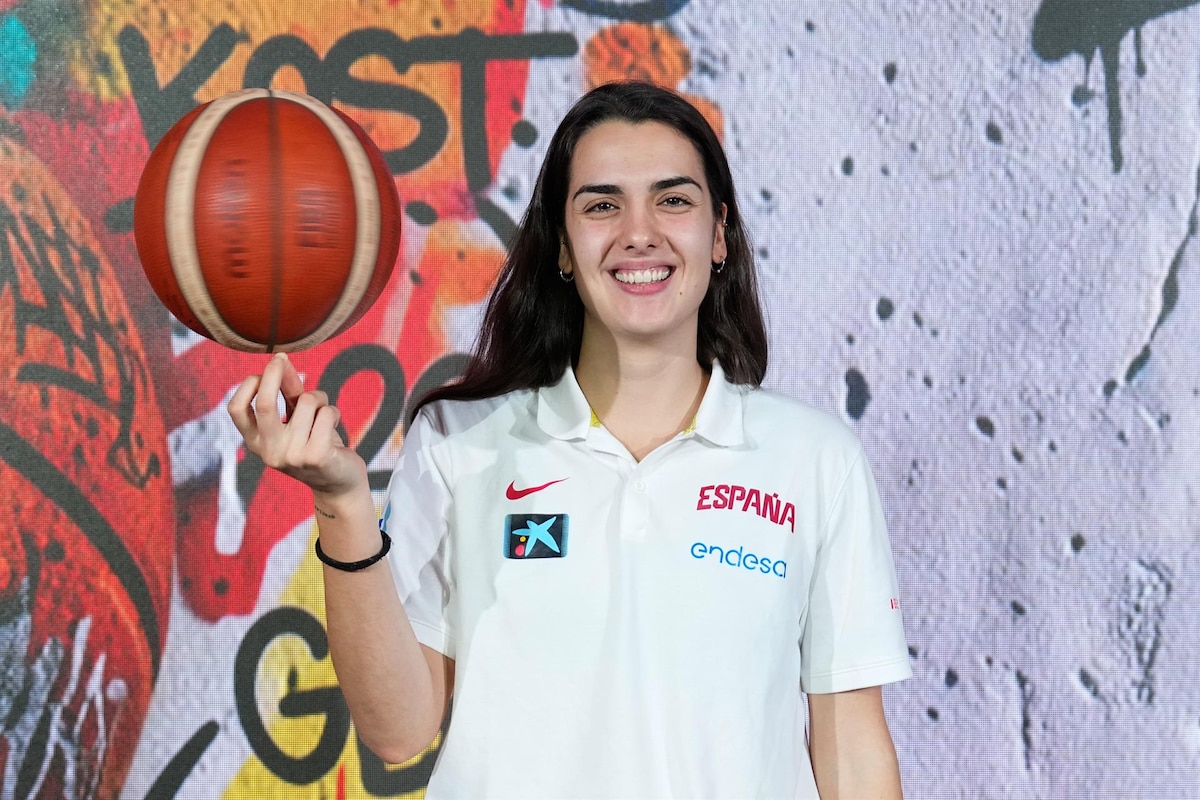
The preparation matches showed a team that knows how to handle different styles of play. Spain picked up key wins against physically dominant African teams like Mali, as well as highly disciplined Asian squads like China. Even when games became messy and shots wouldn’t fall, Spain’s defensive execution carried them to victory. This adaptability is exactly what Ginzo believes will set Spain apart during the grueling group stage in Germany.
Coach Méndez has built a system where roles are fluid and bench depth is a major weapon. When starters face foul trouble or cold shooting nights, the second unit has consistently stepped up without a drop in defensive intensity. This selfless approach is central to Spain’s identity as they prepare to face the world’s best teams. They know that on any given night, any player on the roster can be the one to seal a victory.
Developing Elite Athletic Profiles
To compete with physical teams like the United States and Australia, Spain has focused on developing elite, mobile frontcourt players. You can read more about how European training programs build these versatile athletes by checking out elite European athletic profiles. This tactical shift is clear in Ginzo’s play, as she easily switches between defending the paint and stretching out to the three-point line.
This positionless basketball model allows Spain to play a faster game, neutralizing larger, slower opponents through continuous movement. Rather than matching size with size, Spain creates mismatches by forcing traditional centers to defend on the perimeter. This style of play requires high-level conditioning and deep tactical discipline, qualities that Méndez and his staff have emphasized since day one of training camp.
Inside the Chameleonic System of Coach Miguel Mendez
At the center of Spain’s strategic identity is what players call their “chameleonic” ability to adapt to any opponent. Head coach Miguel Méndez does not force his players into rigid tactical systems. Instead, he prepares them to read and react to the defense, changing their game plan mid-game if needed. This flexibility is a direct response to how modern international basketball has evolved over the past five years.
Spain’s frontcourt play is a perfect example of this style. While the roster lacks the towering physical presence of other world powerhouses, their interior players possess exceptional passing and shooting ranges. Players like Ginzo can step out to hit three-pointers, opening up driving lanes for dynamic guards. This modern approach keeps opposing defenses off balance, as they cannot simply park their rim protectors in the paint.
This approach also depends heavily on advanced scouting and preparation. Before every match, the coaching staff gives players detailed breakdowns of individual opponent habits and team defensive rotations. This allows the squad to transition smoothly between different defensive schemes, from full-court pressure to compact zone defenses. It is a highly cerebral brand of basketball that demands complete focus from every player on the roster.
“Our versatility is our greatest strength. We aren’t the biggest team on the court, but our ability to adjust our tactics from one possession to the next makes us incredibly difficult to prepare for.”
— Spain Coaching Staff Analysis
This tactical versatility will be thoroughly tested in the group stage. Spain is set to face contrasting styles of play in short succession, requiring quick mental adjustments between games. The players must shift from containing the raw physical strength of Mali to chasing the perimeter-oriented shooters of Japan. This challenge is precisely why Méndez focused so heavily on mental agility during Spain’s summer preparation camps.
By the Numbers: Spain’s Road to the FIBA World Cup
Spain’s perfect run through their pre-tournament exhibition schedule shows their readiness for world competition. The analytical data from these matchups reveals a team that excels in transition scoring, bench contributions, and defensive deflections. These details highlight how Spain plans to offset their lack of traditional height with elite speed and depth.
| Preparation Opponent | Result | Key Statistical Leader | Primary Tactical Takeaway |
|---|---|---|---|
| Mali | Win (+14) | Paula Ginzo (14 pts) | Elite paint defense and transition scoring |
| China | Win (+6) | Alba Torrens (18 pts) | Half-court execution and clutch free-throw shooting |
| Germany | Win (+9) | Bench Unit (32 pts) | High-pressure perimeter defense forcing 18 turnovers |
By The Numbers: The Depth Advantage
An analysis of Spain’s exhibition games shows that their bench outscored opposing reserves by an average of 14.5 points per game. This depth is vital for tournament formats where teams play multiple games in a week. By rotating players frequently, Méndez keeps his squad fresh for fourth-quarter runs. This approach wears down opponents who rely too heavily on their starting lineups.
Additionally, Spain’s defensive metrics during their warm-up games are highly encouraging. The team averaged 9.2 steals per match, leading to an average of 18.4 points off turnovers. This defensive pressure will be essential in Berlin, where Spain will need to disrupt opponents’ half-court sets before they can use their size advantages inside.
The Alba Torrens Effect and the Eight-Year Drought
To truly appreciate the significance of this World Cup return, you must understand the team’s history. Spain’s last World Cup appearance was in 2018, where they secured a bronze medal on home soil in Tenerife. Since then, a major transition has taken place, with legendary players retiring and a new generation stepping up. Today, iconic forward Alba Torrens is the sole remaining link to that historic 2018 squad.
Torrens’ influence on this young roster goes far beyond her scoring and playmaking. Her teammates regularly praise her leadership, emotional intelligence, and ability to keep the group grounded during pressure-filled moments. For first-time World Cup players like Ginzo, having a legendary figure like Torrens in the locker room provides invaluable confidence.
The eight-year absence from the tournament has created a unique sense of mission within the squad. While they feel the weight of representing Spain, they are channeling that pressure into motivation. The team is not focused on past disappointments, including their narrow loss to Belgium in the EuroBasket 2025 final. Instead, they have wiped the slate clean, focusing entirely on the challenge in Berlin.
Expert Take: The Value of Veteran Leadership
Sports psychologists often highlight the importance of veteran leaders during major international tournaments. Players who have experienced the intense pressure of knockout-stage games help keep younger teammates focused. To explore more about how elite athletes manage high-pressure situations, you can check out our detailed profiles on celebrity sports star profiles.
In Torrens, Spain has a leader who understands how to navigate the emotional highs and lows of a two-week tournament. Whether helping the team reset after a tough loss or keeping them focused after a major win, her presence gives Spain a significant mental advantage over less experienced teams.
From Hungary to the World: Paula Ginzo’s Personal Evolution
Paula Ginzo’s development into an elite international power forward is a story of hard work, adaptability, and tough career choices. Born in Santoña and raised in Ourense, Ginzo has spent years honing her skills in both the domestic Spanish league and demanding international competitions. Her decision to play abroad for Diósgyori VTK in Hungary was a turning point in her career, forcing her to adapt to new roles and expectations.
Playing as an import player in a foreign league brings unique pressures. Teams expect their international players to lead both on the stat sheet and in the locker room. This experience helped Ginzo develop a more mature, assertive style of play, which has translated beautifully to her work with the national team. She returned to Spain’s training camp with a stronger physical presence and a more polished perimeter game.
This growth was crucial during Spain’s highly competitive selection camp. With several frontcourt players vying for only a few open roster spots, every practice session carried immense pressure. Ginzo’s ability to play multiple positions and excel in transition helped her stand out. She secured her spot not just with her scoring, but with her willingness to do the dirty work—setting hard screens, diving for loose balls, and defending multiple positions.
Your understanding of elite basketball programs can be enhanced by looking at international talent distribution. To see how European stars compare to other global athletes, check out our analysis of women’s sports analysis on our platform. Ginzo’s rise is a perfect example of how European leagues are preparing athletes to compete at the highest levels of the sport.
Furthermore, Ginzo remains highly respectful of the players who didn’t make the final cut. She has publicly dedicated her World Cup run to teammates like María Araújo and Irati Etxarri, who pushed her throughout training camp. This team-first attitude defines the culture of the Spanish national team, where personal goals are always secondary to the collective success of the group.
People Also Ask
What happened with the Spain women’s basketball roster selection today?
Head coach Miguel Méndez finalized his 12-player World Cup roster, with power forward Paula Ginzo securing a frontcourt spot after an intense selection camp involving seven elite pivots. Three of the frontcourt slots were pre-determined by WNBA players, leaving the remaining players to compete for limited spots.
Why is Paula Ginzo trending in Spain sports news right now?
Ginzo is trending following her candid interview regarding Spain’s high expectations at the upcoming FIBA World Cup in Berlin. Her comments on the squad’s ‘chameleonic’ adaptability and her personal journey to make the final roster have generated significant media attention.
How does Spain’s eight-year World Cup absence affect their current tournament outlook?
Except for captain Alba Torrens, the entire Spanish roster will be competing in their first-ever FIBA World Cup. This lack of tournament-specific experience is being offset by their recent Olympic and EuroBasket runs, which feature similar high-stakes competitive environments.
When is the opening game for Spain at the FIBA Women’s World Cup?
Spain opens its FIBA World Cup group stage campaign in Berlin against the tournament host, Germany. This critical opening matchup will test Spain’s preparation against a highly motivated home crowd.
The Berlin Crucible: Spain’s Strategic Roadmap
As the tournament approaches, the players of **Paula Ginzo Spain Basketball** are fully focused on their opening matchup against Germany. Playing the host nation in any major tournament brings unique challenges, from handling an energetic home crowd to dealing with early-game adrenaline. Spain’s coaching staff has spent weeks preparing the players for these conditions, emphasizing the need to stay poised and execute their game plan.
Spain’s group also includes Japan and Mali, presenting a fascinating mix of basketball cultures and tactical styles. Japan’s lighting-fast, perimeter-heavy offense will require elite defensive recovery and communication. Meanwhile, Mali’s raw physical strength and rebounding prowess will test Spain’s interior box-outs and defensive positioning. Succeeding in this group requires a team that can change its tactical identity from one game to the next.
To follow Spain’s progress and check out game schedules, you can visit FIBA’s official tournament classifications and schedules. Additionally, for broader context on how international leagues shape these national team athletes, you can read ESPN’s global coverage of professional women’s basketball leagues. These platforms offer excellent coverage of the tactical trends shaping the game today.
Ultimately, Spain’s success in Berlin will depend on their discipline, defensive execution, and bench contributions. While foreign media may focus on powerhouses like the United States, Spain is quietly confident in their positionless, fast-paced style of play. Led by the veteran guidance of Alba Torrens and the hunger of players like Paula Ginzo, this team is ready to write an exciting new chapter in Spanish basketball history.
More Like This
For more updates, check out our latest entertainment and sports news.