
Key Takeaways
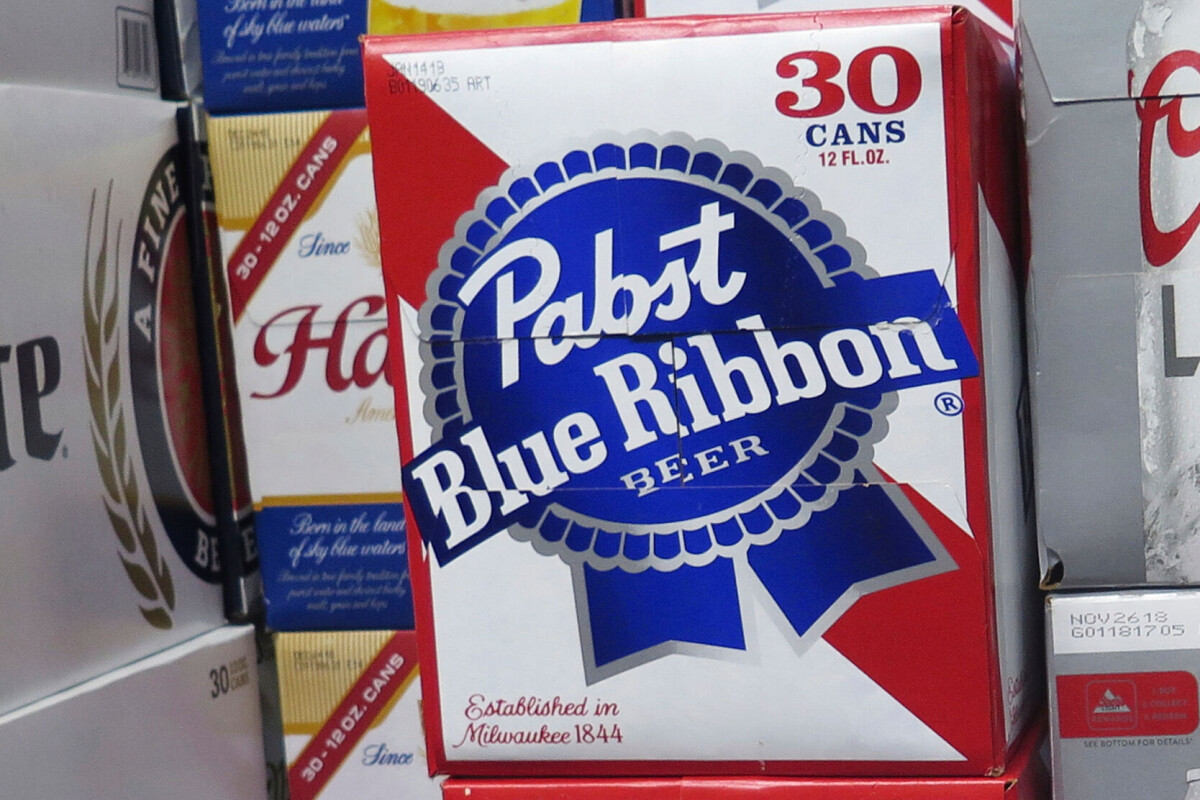
| Stolen Assets: 1,602 cases of Pabst Blue Ribbon and non-alcoholic Old Milwaukee beer valued at $70,000. |
| The Reward: Pabst Brewing Co. is offering up to $20,000 for information leading to the recovery. |
| The Method: Two back-to-back heists involving fraudulent subcontracting paperwork on August 17. |
| The Location: Anheuser-Busch distribution center in Montclair, Southern California. |
Finding a stolen truck filled with 1,602 cases of premium lager might sound like the plot of a Hollywood action comedy, but the recently announced **Pabst Blue Ribbon Reward** is a dead serious effort to recover tens of thousands of pounds of missing beverage cargo. You might find it hard to believe that 40,000 pounds of canned beverages could vanish into thin air from a highly secure distribution hub in Southern California. Yet, this is precisely the reality facing logistics coordinators and law enforcement officials in Montclair, California, who are currently untangling a highly sophisticated double-heist. As supply chain fraud continues to escalate across the United States, major brands are turning to aggressive public relations tactics and massive financial incentives to bypass traditional bureaucratic investigation speeds.
With the **Pabst Blue Ribbon Reward** making waves across the country, industry insiders are analyzing how this high-profile theft represents a structural vulnerability in domestic shipping systems. This was not a crude case of thieves breaking a padlock in the dead of night; rather, it was a coordinated white-collar cargo interception. Readers who follow exclusive celebrity lifestyle coverage are familiar with high-profile corporate security breaches, but the commercial beverage sector faces an entirely different breed of threat. Let us dive deep into the mechanics of this modern heist, the corporate strategy behind the reward bounty, and the broader crisis of cargo fraud sweeping through the American logistics landscape.
The Pabst Blue Ribbon Reward Explained
The structure of the **Pabst Blue Ribbon Reward** raises fascinating questions about the monetary valuation of cargo security and public relations. Greig DeBow, the Chief Executive Officer of Pabst Brewing Co., made waves when he took to modern social media channels to announce that the brand would pay up to $20,000 to anyone providing actionable tips. This massive bounty is aimed at securing information that directly leads to the recovery of 1,602 cases of missing Pabst Blue Ribbon and non-alcoholic Old Milwaukee beer. The offer features a tight deadline of September 9, reflecting the company's urgency to recover the stock before it is liquidated through illicit secondary markets.
By establishing the **Pabst Blue Ribbon Reward**, Pabst Brewing Co. is attempting to turn the public into an auxiliary investigative force. DeBow addressed the situation with a blend of corporate urgency and casual irony on TikTok, noting that while the thieves might look cool with a garage full of PBR, the company wants its product back. This strategy aligns perfectly with modern pop culture trends where corporations turn to viral marketing to solve real-world logistical headaches. The $20,000 payout represents nearly thirty percent of the total retail value of the stolen beer, which is an exceptionally high ratio for cargo recovery incentives.
The TikTok Campaign and Public Appeal
Leveraging short-form video content allows the beverage giant to speak directly to working-class consumers who frequently purchase their products. By humanizing the brand through the CEO’s personal video message, the company has bypassed dry corporate press releases in favor of a highly shareable, community-driven digital manhunt. This digital outreach ensures that the details of the theft remain top-of-mind for independent distributors, retail employees, and casual consumers who might spot suspicious wholesale offers in their local areas.
Recovery Guidelines and Legal Boundaries
Legally, the **Pabst Blue Ribbon Reward** represents a highly structured legal offer of a unilateral contract. Under the terms set forth by the company, the payout is contingent upon the provided information directly resulting in the physical recovery of the stolen inventory. Tips must be submitted via the designated portal at hotline@pabst.com, and investigators are working closely with Southern California regional police forces to verify the legitimacy of any incoming leads. Security experts suggest that such a public-facing reward program can sometimes yield a flood of dead ends, but the high cash value also acts as an attractive incentive for logistics insiders who may have witnessed the crime first-hand.
Inside the Shocking Southern California Double Heist
The criminal operation that prompted the **Pabst Blue Ribbon Reward** occurred on August 17 at an Anheuser-Busch distribution center in Montclair, California. Montclair police reports reveal that the operation was executed in two distinct, highly organized phases on the exact same day. The first phase of the heist saw approximately $45,000 worth of beer, which was officially scheduled for delivery to Tucson, Arizona, loaded onto a transport vehicle. The shipment departed the facility but never arrived at its Arizona destination, indicating a classic cargo diversion scam where the carrier simply disappears with the load.
Astonishingly, the thieves did not stop there, demonstrating a level of organizational audacity that has stunned retail security analysts. Barely one hour after the first fraudulent pickup, a second entity representing itself as a subcontracting company presented forged documentation to the warehouse coordinators. This second crew successfully secured and departed with an additional $25,000 worth of beer. This double-tap methodology proves that the perpetrators possessed deep internal knowledge of the distribution center’s daily manifest, scheduling protocols, and shipping lane vulnerabilities.
How Freight Fraud Tactics Targeted the Logistics Hub
This incident is a textbook example of identity-theft-based freight fraud, a crime that is skyrocketing across the United States. In these operations, criminals secure access to digital freight-matching boards, pose as legitimate, fully insured motor carriers, and bid on high-volume shipping contracts. Once the contract is awarded, they forge physical license plates, carrier credentials, and driver identifications to match the legitimate company they are impersonating. The warehouse staff releases the cargo in good faith, unaware that they are handing over thousands of dollars of inventory to a sophisticated criminal syndicate.
The Anatomy of a Dual-Phase Beverage Theft
The physical scale of this heist is monumental, involving the coordinated transport of 40,000 pounds of heavy liquid cargo. Moving this quantity of product requires heavy-duty Class 8 commercial vehicles and specialized distribution equipment, ruling out amateur opportunistic thieves. The rapid succession of the two pickups suggests that the criminal organization had multiple trucks ready to roll, showing a level of tactical synchronization usually reserved for high-end electronic or luxury goods thefts.
By the Numbers: Comparative Cargo Theft Analysis
The theft of 40,000 pounds of beverage inventory highlights a growing trend where food and grocery products have overtaken electronics as the most targeted cargo category in North America. To understand why the **Pabst Blue Ribbon Reward** stands out because of its public-facing nature, we must examine how this incident compares to other high-profile food industry heists. The economics of cargo theft reveal that food items are incredibly attractive to criminal networks because they lack unique serial numbers, are easily consumed, and can be liquidated quickly through flea markets, independent grocery stores, and online marketplaces.
| Stolen Cargo Profile | Estimated Valuation | Geographic Location | Primary Theft Methodology |
|---|---|---|---|
| 1,602 Cases of Pabst & Old Milwaukee | $70,000 | Montclair, California | Double Brokering & Paperwork Fraud |
| 413,793 Nestle KitKat Bars | Undisclosed (High-Value) | Italy to Poland Transit | Falsified Bill of Lading & Transit Fraud |
| 40,000 Oysters, Lobsters & Crabmeat | $400,000 | New England Region | Cold Storage Warehouse Infiltration |
Understanding the context of the **Pabst Blue Ribbon Reward** requires looking at the broader, systemic issues in supply chain tracking. According to data compiled by transport security networks, food and beverage thefts have surged by over twenty percent year-over-year. This surge is largely driven by inflation, which has elevated the street value of basic consumer goods, making them highly profitable targets for illicit distribution circles. Unlike luxury watches or high-end smartphones, a stolen case of beer can be sold at a slight discount to unsuspecting retail vendors with virtually zero risk of digital tracking.
Expert Take: By The Numbers
Supply chain security analysts point out that cargo theft is no longer a localized crime of opportunity. Today, it is dominated by sophisticated, international networks that utilize digital platform vulnerabilities to execute thefts from thousands of miles away. According to industry databases, cargo theft losses in the United States exceeded $1.3 billion last year alone. The Montclair incident emphasizes that even major facilities, operating under strict corporate guidelines, remain highly vulnerable to identity theft and digital fraud vectors.
The Rising Crisis of Cargo Theft in America
To fully comprehend why the **Pabst Blue Ribbon Reward** was launched, one must examine the critical landscape of American logistics, particularly within Southern California. The Inland Empire region, which includes Montclair, serves as the primary warehousing and distribution capital of the Western Hemisphere. Billions of dollars in consumer goods pass through this logistical corridor daily, making it a prime target for organized cargo theft crews who exploit weaknesses in carrier identity verification. As shipping platforms have digitized, the face-to-face verification of drivers has declined, paving the way for unprecedented levels of freight identity fraud.
Industry groups like the Transported Asset Protection Association have frequently called for stricter industry cargo security standards to mitigate these rising risks. When a brand like Pabst Brewing Co. experiences a cargo loss of this magnitude, it is not just a direct financial hit; it also disrupts scheduled supply chains, damages relationships with retail partners in Arizona, and creates massive inventory deficits. The strategic decision to offer the **Pabst Blue Ribbon Reward** signals a shift in corporate crisis management, choosing public transparency over quiet write-offs.

Expert Take: The Economics of Black Market Beer
Logistics experts note that liquidating 1,602 cases of beer is a logistical challenge in itself. The stolen shipment, which contains a mix of classic Pabst Blue Ribbon and non-alcoholic Old Milwaukee, must be moved quickly because beer has a finite shelf-life and is subject to temperature degradation. Investigators hoping to trigger the **Pabst Blue Ribbon Reward** are looking closely at independent liquor stores, discount markets, and major private event planners in neighboring states. The presence of non-alcoholic Old Milwaukee in the stolen batch is a highly unique footprint that could easily expose the thieves if they attempt to sell the mixed inventory as a single bulk package.
How the Industry is Responding to Fraud
In response to the surge in double brokering and identity theft, the logistics industry is actively investing in advanced biometric verification systems for drivers. Many major shipping hubs are now implementing digital fingerprinting, facial recognition scans, and real-time database checks that cross-reference driver credentials with federal transport databases before cargo is released. For brands looking to avoid the need for programs like the **Pabst Blue Ribbon Reward**, these technological barriers represent the future of supply chain defense.
People Also Ask
What is the Pabst Blue Ribbon Reward for the stolen beer?
The Pabst Blue Ribbon Reward is a financial bounty of up to $20,000 offered by Pabst Brewing Co. for new information leading to the recovery of 1,602 cases of stolen beer. The cargo, valued at $70,000, was taken during a double heist in Southern California on August 17.
How did thieves steal 40000 pounds of Pabst beer in California?
The thieves used sophisticated freight identity fraud and fake subcontracting documents to intercept the shipments at an Anheuser-Busch distribution center in Montclair. They executed two separate, unauthorized pickups within one hour of each other on the same day.
Who is eligible to claim the Pabst Blue Ribbon Reward?
Anyone who provides new, actionable information directly leading to the physical recovery of the stolen inventory can claim the reward. Tips must be sent to the official company email address at hotline@pabst.com before the September 9 deadline.
Why is cargo theft on the rise in Southern California?
Southern California, specifically the Inland Empire, is the largest warehousing and logistics hub in the nation, making it a primary target. The rise of digital shipping boards has allowed criminals to use double brokering and identity theft to steal cargo without physical break-ins.
How does the Pabst Blue Ribbon Reward impact cargo theft investigations?
The Pabst Blue Ribbon Reward accelerates public interest and encourages logistics industry workers, retail staff, and distributors to report suspicious wholesale offers. This community-focused pressure often helps law enforcement crack complex freight fraud cases faster than traditional methods.
Resolving the Cold Case: Future of Logistics Security
As the September 9 deadline approaches, the fate of the **Pabst Blue Ribbon Reward** rests on whether a whistleblower within the logistics chain or an alert retail merchant decides to step forward. This bizarre double heist serves as a stark reminder of the sophisticated nature of modern cargo crime, showing that digital security is just as critical as physical locks. To explore the cultural evolution of historic brands and their modern business hurdles, you can read more about Pabst Blue Ribbon's historical legacy and its ongoing impact on American consumer culture. Additionally, please stay tuned to our entertainment news updates as this investigation unfolds on the West Coast.
Ultimately, the legacy of the **Pabst Blue Ribbon Reward** will likely be remembered as a pioneering case study in how consumer brands handle supply chain crises in the digital age. By turning a massive cargo loss into a viral community event, Pabst Brewing Co. has raised awareness about the growing threat of shipping fraud while reinforcing its identity as a brand that is deeply connected to its loyal fanbase. As logistics companies scramble to close security loopholes, the lesson of the Montclair double-heist remains clear: in the modern world of freight, verification is the ultimate key to prevention.
More Like This
For more updates, check out our latest entertainment and sports news.