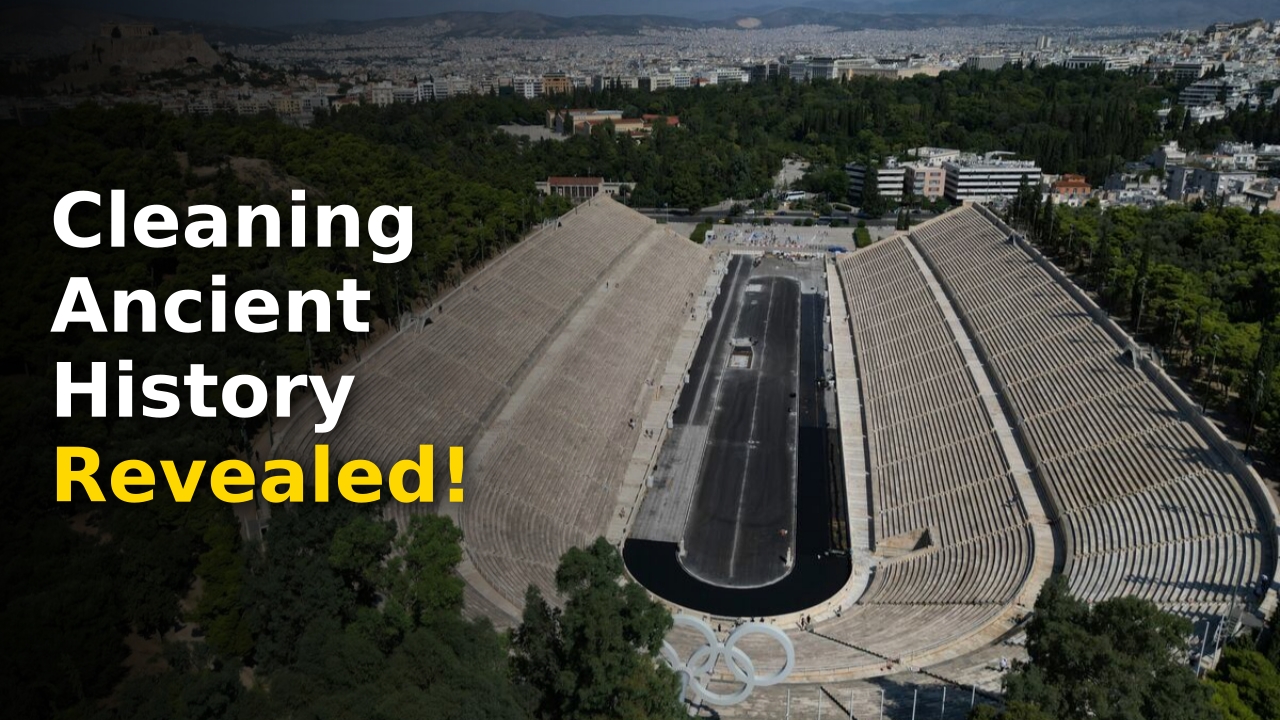
Olympic stadium cleaning has finally begun in Athens, marking the first time in over a century that the iconic white marble site is receiving a systematic restoration. You might think this legendary structure would have been polished regularly, but it has sat exposed to the harsh Greek sun and millions of visitors for decades without a comprehensive deep clean.
This isn’t just a simple power-wash; it is a delicate mission to preserve a piece of history that continues to define the Olympic movement. As you look at the gleaming tiers, you are witnessing the physical layers of time, fashion, and history being peeled away from the very marble that defines Greek heritage.
The Olympic Stadium Restoration Project
The Panathenaic Stadium is unique in the world, being the only stadium in existence constructed entirely from white marble. When architects rebuilt it for the first modern Olympics in 1896, they utilized the same materials found in the Acropolis, earning the venue its famous moniker, Kallimarmaro. This title translates to beautiful marble, a name that feels especially earned as the current cleaners begin to strip away decades of organic buildup and environmental grime.
The cleaning process is incredibly high-tech despite the ancient nature of the monument. Conservators use thin spray lances with low-pressure water, which allows them to remove years of accumulated dirt without damaging the porous surface of the stone. Advanced vacuum machines move in tandem with the cleaners to ensure that no runoff stains the surrounding architecture. Dimitris Selemis, the senior conservator, emphasizes that the goal isn’t to make the stadium look like new, but rather to reveal the monument’s true character by removing foreign matter.
You may find it fascinating that the biggest enemies of this historic site are quite mundane. Visitors have unknowingly contributed to the degradation of the marble through the use of high heels, which chip the surface, and the consumption of soft drinks, which create sticky, acidic stains. Perhaps the most persistent challenge for the cleaning crew is the removal of chewing gum, which has calcified into black, unsightly blotches over the years. Removing these requires precise steam application to ensure the underlying marble remains intact.
The sheer scale of the work is monumental, encompassing 47 steep tiers of seating. As the original glow of the stone is revealed, the city of Athens hopes to reclaim the stadium’s status as the premiere monument of the Olympic movement. This effort is not merely for aesthetics; it is an act of cultural preservation that ensures future generations can see the craftsmanship of the late 19th-century restoration. For those following the latest celebrity and cultural news, this transformation of such a historic space is a major event.

This project is funded entirely by private investment, specifically from a prominent shipping company, showcasing how private enterprise can support public heritage. With the guidance of Culture Ministry experts, the project is moving quickly to prepare the stadium for the upcoming torch-passing ceremony on September 10. This event, which will be attended by IOC President Kirsty Coventry, serves as the ceremonial bridge to the Dakar Youth Olympics held in Senegal.
Restoration Challenges
- The porous nature of Pentelic marble makes it prone to organic growth in shaded areas.
- Decades of atmospheric pollution have darkened the facade significantly.
- The stadium’s U-shape forces specific structural challenges for cleaning teams.
- High foot traffic from millions of tourists increases the accumulation of debris.
- Natural weed growth in the crevices of the marble requires meticulous hand removal.
Historical Olympic Stadium Facts and Statistics
To understand the significance of this work, you have to look at the numbers behind the venue. The site has existed as a center for human competition since ancient times, evolving from a natural ravine into the grand structure we recognize today. Its versatility has been unmatched, serving as a venue for rock concerts, fashion shows, and even political propaganda displays during the 1960s. You can view the following table to see how this space has evolved over the centuries.
| Historical Milestone | Year | Significance |
|---|---|---|
| First Modern Olympics | 1896 | Rebirth as a sports venue |
| Military Dictatorship | 1960s | Era of patriotic ceremonies |
| LA 2028 Torch Prep | 2026 | Massive cleaning project |
The transition into the modern era has seen the stadium become a hub for international diplomacy and cultural exchange. You might notice that the work is not limited to cleaning; the stadium is also receiving a state-of-the-art track and upgraded lighting systems. This integration of ancient architecture and modern technology ensures the venue remains functional for professional athletes and tourists alike. You can learn more about the stadium’s rich architectural history here.

Venue Modernization Goals
- Enhancing visitor safety with repaired marble tiers.
- Improving lighting to allow for evening events and enhanced security.
- Upgrading the athletic track to meet modern international competitive standards.
- Refurbishing support facilities for staff and athletes.
- Creating a sustainable maintenance plan to prevent future degradation.
The Legacy of Kallimarmaro
As you reflect on the restoration of this grand site, it becomes clear that Kallimarmaro represents more than just a pile of stone; it is a testament to human endurance. The fact that this structure has survived the rise and fall of empires, wars, and social shifts is nothing short of miraculous. Now, by stripping away the layers of neglect, officials are essentially uncovering the spirit of the 1896 Games all over again.
You are watching history unfold in real-time. Whether it is the upcoming Dakar Youth Olympics ceremony or the anticipation surrounding the Los Angeles 2028 games, the Panathenaic Stadium will stand as a beacon of excellence. This Olympic stadium is truly a monument to humanity, and this restoration ensures that its brilliant white light will continue to guide future Olympians for another century to come.
More Like This
For more updates, check out our latest entertainment and sports news.