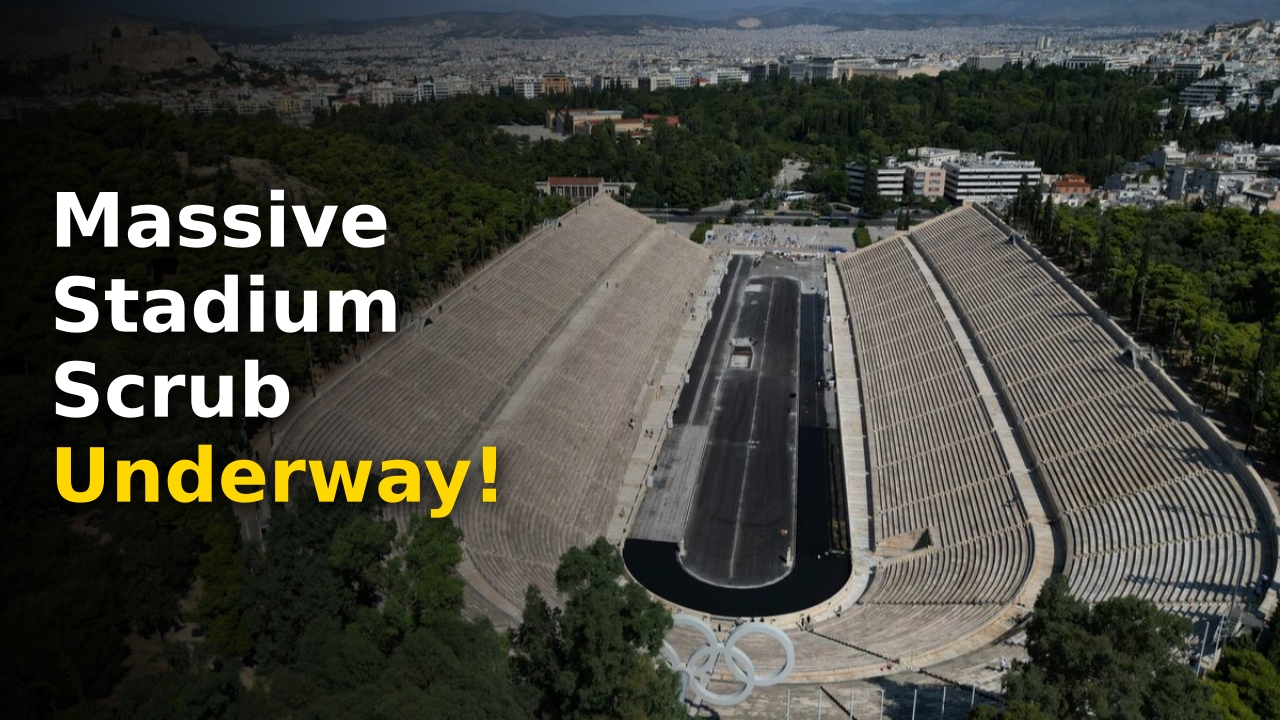
Olympic stadium cleaning has finally begun in Athens, marking the first time in over a century that the iconic Panathenaic Stadium has undergone such a meticulous, systematic restoration. Have you ever wondered what lies beneath decades of grime on one of the world’s most historic landmarks?
You are looking at a site that has witnessed the evolution of modern sports, rock concerts, and high-stakes political pageantry. This Kallimarmaro—or “beautiful marble”—monument is being scrubbed to its original luster, revealing history long hidden by time and city pollution.
The Olympic stadium Restoration Process
The sheer scale of cleaning the Panathenaic Stadium is a monumental task that requires precision, patience, and a deep respect for antiquity. Specialists are utilizing low-pressure water lances to clear away organic buildup without damaging the delicate, ancient-style white marble surfaces. This process is not about artificial whitening; it is about uncovering the genuine texture of the stone that was first used in 1896.
Think about the millions of footsteps that have pressed against these 47 tiers. From Olympic athletes to rock stars, each visitor has left behind microscopic traces of their presence. Today, the cleanup crew is tasked with removing layers of dirt that have accumulated since the stadium was revived for the modern games. Experts like Dimitris Selemis emphasize that the goal is simply to allow the monument to breathe again, removing dark blotches caused by everything from chewing gum to environmental pollutants.

The site, built into a natural ravine, is as much a geological marvel as it is an architectural one. Because of its unique position, some areas receive less direct sunlight than others, leading to localized weed growth and soil accumulation. The restorers are addressing these specific zones with clinical focus to ensure uniform preservation across the entire U-shaped structure. This is an era of renewed appreciation for classical heritage, much like how fans track the career highlights of modern legends in the entertainment world.
Why The Marble Matters
- The marble originates from the same quarries as the Acropolis in Athens.
- High heels, soft-drink spills, and urban smog are identified as primary staining agents.
- The current cleanup is privately funded by an international shipping company.
- Restoration is slated to continue through 2026, balancing tourism with preservation.
The stadium is not just an old relic; it remains a functional venue for the Olympic Movement. As the ceremonial home of the Olympic flame, the facility serves as a bridge between the ancient world and the future of global sports. Watching the torch-passing ceremony on Sept. 10, you will see a structure that looks closer to its 1896 debut than it has in generations.
Olympic stadium Historical Data
Understanding the timeline of this venue provides context for why this cleaning is so vital for Greece. The stadium has served various functions throughout history, evolving from a site of Roman spectacles to a multi-purpose cultural hub. The following data highlights the critical timeline of the Panathenaic Stadium and its ongoing significance.
| Era | Primary Use |
|---|---|
| Ancient Times | Athletic Contests |
| 1896 | Modern Olympics Debut |
| 1960s | Patriotic Ceremonies |
| 2026 | Restoration Completion |
You can see how the site has adapted to the shifting needs of society while maintaining its architectural integrity. The current upgrade isn’t just about cleaning; it includes new track facilities and modern lighting. These improvements ensure the Kallimarmaro remains a top-tier destination for the 2028 Los Angeles Olympics preparations and beyond. When you visit, you are walking through layers of history that are currently being carefully peeled back.
The role of the Hellenic Olympic Committee is crucial here, as they manage the delicate balance between keeping the doors open to tourists and protecting the stone from further degradation. They have consulted extensively with Culture Ministry experts to determine the most effective methods. It is a massive project that showcases how private capital can support public historical preservation.
Modern Impacts and Future Ceremonies
As we look toward the future, the Dakar Youth Olympics represent a milestone for the African continent. Having the flame ceremony at the Panathenaic Stadium highlights the connectivity of the global sports community. With IOC President Kirsty Coventry in attendance, the event underscores the importance of the venue in modern Olympic diplomacy.
The stadium is not only about sports; it is a testament to the resilience of human architecture. You might consider how cities around the world struggle to maintain historical sites while fostering modern development. Athens provides a blueprint for how to respect the past while facilitating progress for the next generation. The cleanup is a symbolic act of renewal for the spirit of the Games.

Future visitors will experience a stadium that feels both ancient and revitalized. Imagine sitting on those white marble tiers, knowing that the surface beneath you has been restored to its original brilliance. It creates a powerful connection to the athletes who stood in those same spots over a hundred years ago. This is the magic of the Panathenaic Stadium—it remains timeless.
As the project progresses through the remainder of the year, keep an eye on how the lighting upgrades change the visual profile of the stadium at night. The combination of clean marble and modern illumination will undoubtedly create a stunning aesthetic. It is a transformation that will resonate with sports historians and architecture enthusiasts alike for decades to come.
Global Significance of Heritage Sites
Preserving such a monument is an investment in the identity of humanity. When the Panathenaic Stadium shines under the Aegean sun, it tells a story of perseverance. The fact that it survived centuries of disuse before being revived is a miracle of cultural persistence. You are witnessing a moment in history where we decide that beauty is worth maintaining.
It is important to remember that this project is not just for tourists; it is for the local community that takes immense pride in their heritage. Isidoros Kouvelos expressed that the stadium remains the foremost monument for the Olympic Movement. By cleaning away the remnants of the past, we are ensuring that future visitors continue to feel that same sense of awe. The project represents a collaborative effort between the state, private entities, and dedicated conservationists.
If you have a chance to visit Athens, prioritize the Panathenaic Stadium to see the results of this cleaning for yourself. The sight of the clean, white marble is breathtaking, especially when you consider the history that has occurred there. It is a rare opportunity to see a piece of world history undergo a transformation that will last for another century.
Final Thoughts on Olympic stadium
The restoration of this iconic venue is a triumph for cultural heritage preservation. By investing in the Olympic stadium, the community is honoring its past while setting the stage for future global events. Whether you are a sports fan or an architecture lover, the revival of the Kallimarmaro is a story of resilience and beauty that serves as a beacon for all humanity.
More Like This
For more updates, check out our latest entertainment and sports news.