⚡ Key Takeaways
- Artists are abandoning viral metrics for exclusive, physical “third spaces” and analog scarcity.
- Phoebe Bridgers and other stars are utilizing Yondr pouches to create device-free sanctuary zones.
- Digital exhaustion is peaking, with users spending nearly 40 percent of their waking life online.
- Authentic community building through book clubs and workshops is replacing the traditional social media comment section.
- The “Post-Brat” era prioritizes human effort over AI-generated content and algorithm-driven promotion.
Offline Fandom is the radical response to a digital world that feels increasingly hollow, repetitive, and artificially curated. You are likely tired of seeing the same viral dance routines and AI-generated content cluttering your daily social media feed every single hour. This shift toward physical connection is not just a passing trend but a massive cultural correction redefining the music industry. By putting the phone away, fans are reclaiming the raw, unedited energy of live performance and communal gathering. It is a return to authenticity that seeks to replace digital likes with genuine eye contact and anonymous comments with real-world conversation.
The era of the algorithm-first artist is quickly fading as audiences demand something more tangible and exclusive than a 15-second clip. You are witnessing the rise of the “experience economy” where the value of a moment is measured by its scarcity. Artists are realizing that when everything is available to everyone at all times, nothing feels truly special anymore. This realization is driving a pivot toward intimate roundtables, physical ticket lines, and phone-free environments that prioritize the present moment. In this new landscape, being in the room is the only metric that truly matters for the modern enthusiast.
Offline Fandom: 7 Massive Power Secrets
The first secret to understanding Offline Fandom is recognizing the strategic shift from reach to resonance in modern marketing. While the previous decade focused on reaching millions through viral hashtags, the new guard focuses on deep resonance with a core community. Charli XCX recently exemplified this by hosting closed-list roundtables where she discussed her creative process without the pressure of cameras. This level of intimacy creates a sense of belonging that no digital platform can replicate, turning casual listeners into lifelong disciples. It is about building a guild rather than a following, where shared history and inside jokes form the foundation of the group.
Secondly, the use of physical artifacts is making a shocking comeback in an era dominated by digital streaming services. Beabadoobee took this to the extreme by handing out iPods loaded with unreleased tracks to fans in person. This move creates a physical connection to the music that a Spotify link simply cannot provide in our fast-paced world. By requiring fans to show up at a specific location to receive a physical device, she turned music consumption into a pilgrimage. This secondary secret highlights how physical objects act as totems of participation, proving that the fan was actually there in the physical world.
Thirdly, the implementation of device-free zones is transforming the concert-going experience into a sacred, unrepeatable ritual for those in attendance. Phoebe Bridgers has become a pioneer in this space, using Yondr pouches to lock away smartphones during her highly anticipated 2026 Lost Tour. This ensures that every person in the crowd is fully present, rather than watching the performance through a tiny glowing rectangle. The absence of recording devices adds a layer of mystique and exclusivity to the show, as no footage will ever leak online. This scarcity increases the perceived value of the ticket and ensures that the memory remains a private treasure for the audience.
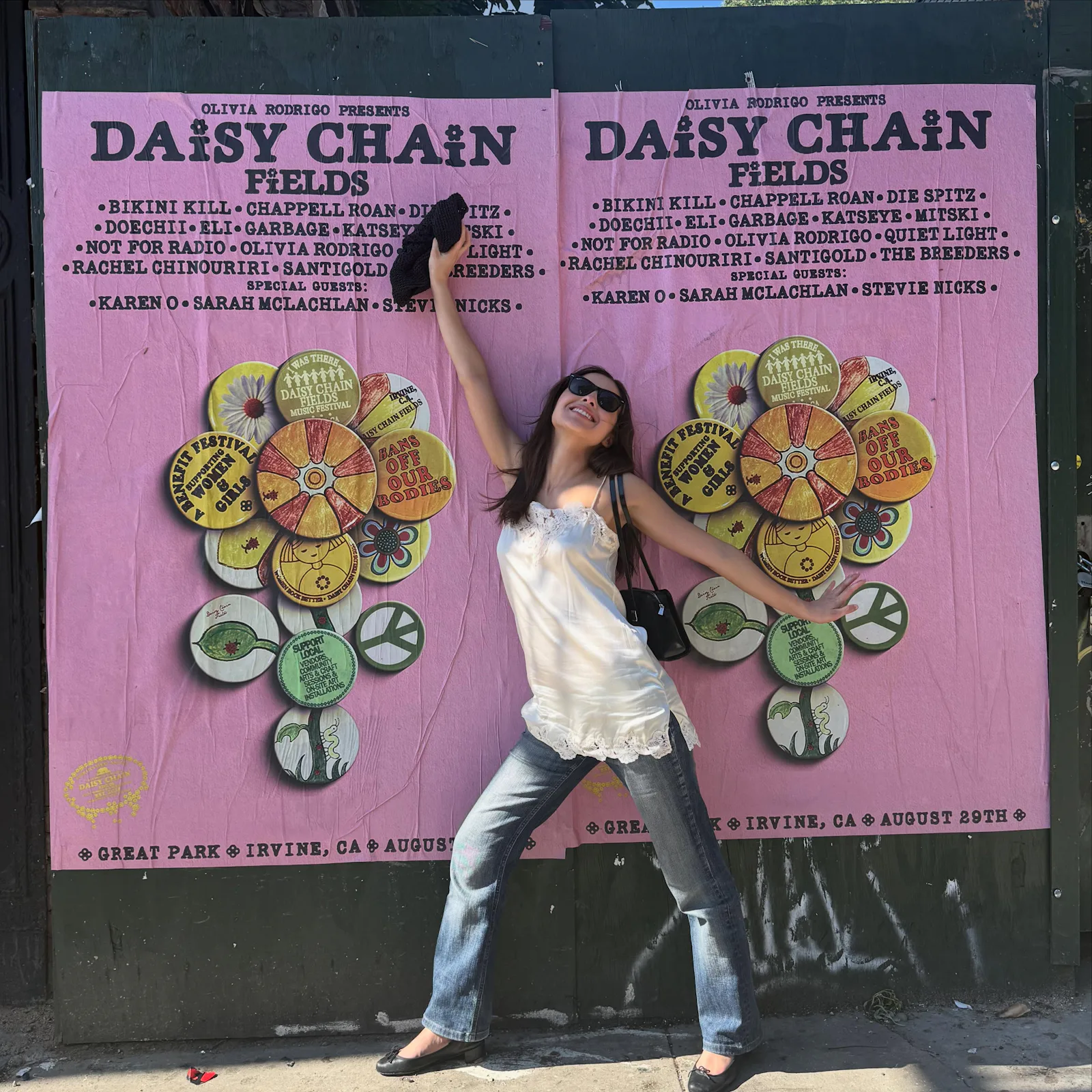
The fourth secret involves the decentralization of the fan experience away from traditional corporate venues and toward curated “third spaces.” Olivia Rodrigo and Audrey Hobert are leading this charge by integrating book fairs and pre-concert Q&As into their tour schedules. These events allow fans to congregate and bond over shared interests that extend beyond just the music itself. By providing a physical space for the community to gather, artists are fostering a sense of identity that survives long after the show ends. These third spaces act as the glue that holds the modern community together in an increasingly fragmented digital society.
The Rise of the Artist-Curated Guild
The concept of the “fandom as a guild” is a sophisticated evolution of the traditional fan club model from the mid-20th century. In a guild, members are not just passive consumers; they are active participants who share a specific set of values and traditions. Dua Lipa has mastered this through her Service95 Book Club, which has transitioned from a digital newsletter into a global network. Fans now meet in cities like Paris and Porto to swap books and participate in workshops that reflect the artist’s personal tastes. This level of engagement turns the artist into a cultural curator who guides their community through the complexities of the modern world.
Expert Take: Cultural sociologists suggest that the decline of traditional community centers has left a void that pop stars are now beginning to fill. According to data from Reuters, the demand for live, experiential events has outpaced digital media growth by nearly 15% in the last fiscal year. This indicates that consumers are willing to pay a premium for experiences that offer a sense of belonging and physical presence. As loneliness levels rise globally, the artist-curated third space provides a vital lifeline for social connection and shared human experience.
Economic Impact of Analog Scarcity
The financial implications of the Offline Fandom movement are profound and are currently reshaping how tours are budgeted and marketed. When an artist limits the digital footprint of an event, they create a “fear of missing out” (FOMO) that is grounded in reality. This scarcity allows for higher ticket premiums because the experience is truly unique and cannot be found anywhere else on the web. Investors are now looking at “dwell time” in physical spaces as a more reliable metric of brand loyalty than traditional social media impressions. The following table illustrates the growing divide between digital engagement and the new physical reality.
| Engagement Metric | Digital Era (2015-2023) | Offline Era (2024-2026) |
|---|---|---|
| Primary Value Driver | Virality and Shares | Physical Presence |
| Documentation | Constant Live-Streaming | Phone-Free Sanctuary |
| Community Hub | Discord / X / TikTok | Pop-ups / Book Clubs |
| Scarcity Level | Low (Infinite Content) | High (IRL Only) |
As you explore the rising net worth of today’s biggest stars on brightcelebrity.com, the shift toward tangible experiences becomes even more clear. Money is flowing away from digital advertising and into the logistics of creating high-end, physical activations that leave a lasting impression. The cost of implementing Yondr pouch technology and staffing private libraries is significant, yet the return on investment is found in deep brand loyalty. Fans who participate in these offline events are significantly more likely to purchase physical merchandise and vinyl records. This creates a sustainable economic ecosystem that is less dependent on the whims of a social media algorithm.
The Anatomy of the Modern Third Space
A “third space” is defined in sociology as a social environment separate from the two primary environments of home and work. In the context of Offline Fandom, these spaces are being reinvented by artists who want to curate every aspect of the fan journey. Dua Lipa took this concept to a permanent level with the opening of the Manifesto Library in Porto, housed in the historic Livraria Lello. This isn’t just a temporary marketing stunt; it is a physical extension of her brand that exists in the real world. It provides a place for fans to gather, study, and connect around shared intellectual and aesthetic interests daily.
These spaces often incorporate sensory elements that digital platforms simply cannot replicate, such as the smell of old books or the tactile feel of a ceramics workshop. For instance, the Paris book-club gathering hosted by Lipa allowed fans to engage in hands-on activities while discussing literature. This multi-sensory approach anchors the fan experience in reality, making it much more memorable than scrolling through a curated Instagram feed. It also filters out the “noise” of the internet, allowing for a focused and high-quality interaction between the community and the artist’s vision. By designing these spaces, artists are essentially building their own private micro-societies where they set the rules of engagement.
Combatting the AI Slop Pandemic
By The Numbers: The average internet user now spends approximately 6 hours and 51 minutes online every day, which accounts for nearly 40% of their waking life. Much of this time is spent consuming what critics call “AI slop”—low-quality, algorithmically generated content designed only to capture attention for ad revenue. According to research from Pew Research Center, this constant digital barrage has led to a significant increase in screen fatigue among Gen Z and Millennials. This fatigue is the primary driver behind the desire to unplug and seek out authentic, human-made experiences that AI cannot replicate.
Human effort has become the new luxury good in the entertainment industry. When a fan sees an artist putting in the work to host a physical event or hand-write a ticket, it signals a level of care that an automated post never could. This “human-first” approach is a powerful antidote to the creeping influence of artificial intelligence in music and art. Fans are increasingly savvy at spotting when they are being marketed to by a machine, and they are voting with their feet by choosing offline alternatives. The future belongs to those who can offer a reprieve from the digital noise and a return to genuine human craftsmanship.
Historical Context: From Beatlemania to Brat
To understand why Offline Fandom is returning, we must look back at the history of how music communities functioned before the internet. In the 1960s, Beatlemania was driven by physical gatherings, fan club newsletters sent through the mail, and the sheer electricity of being in the same room as the band. There were no smartphones to capture the moment, so the experience lived on through word-of-mouth and collective memory. This created a powerful, mythic quality to live music that the digital era temporarily eroded by making everything instantly accessible and infinitely replayable. We are now seeing a return to that mythic state, where the event exists only for those who were actually there.
The transition through the “Brat” era, characterized by hyper-online discourse and neon-green aesthetics, served as a boiling point for digital saturation. After the peak of “Brat Summer,” where every moment was meme-ified and analyzed by the algorithm, a collective exhaustion set in. The “Post-Brat” world is one where the aesthetics remain, but the medium of delivery is shifting back to the physical realm. Artists are ironically using their digital platforms to tell fans to get off their phones and meet in the streets. This cycle proves that while technology changes, the fundamental human need for physical proximity and shared atmosphere remains constant across generations.
Frequently Asked Questions
What exactly is a Yondr pouch and how does it work?
A Yondr pouch is a patented sleeve used to create phone-free zones at concerts, schools, and private events. Upon entering the venue, your phone is placed in the pouch and magnetically locked, although you maintain physical possession of it throughout the night. If you need to use your phone, you must step out to a designated “phone zone” where a staff member can unlock the pouch for you. This technology is essential for artists who want to ensure their audience is fully engaged and to prevent unauthorized filming of unreleased material or surprise guest appearances.
Why are artists like Dua Lipa opening physical libraries and book clubs?
Artists are opening physical spaces like libraries to move their relationship with fans beyond just music and into a lifestyle and community-building experience. These spaces serve as a physical “third space” where fans can connect over shared intellectual interests, fostering a deeper and more sustainable bond. By curating books, workshops, and gatherings, the artist becomes a cultural leader rather than just a performer. This strategy also provides a way to combat digital fatigue by offering fans a tangible, analog environment to explore the artist’s creative world.
Is the offline fandom trend just a form of nostalgia for older generations?
While there is a certain nostalgic appeal to the offline movement, it is primarily driven by younger generations like Gen Z who are seeking a reprieve from a life lived entirely online. It is less about “the good old days” and more about solving modern problems like digital burnout, AI-generated content saturation, and social isolation. The move toward analog experiences is a proactive choice to prioritize mental health and authentic connection over the hollow metrics of social media engagement. It represents a forward-looking evolution of how we value our time and attention in a post-digital society.
The Future of Authentic Connection
The movement toward Offline Fandom represents a critical turning point in the history of human connection and entertainment. As we move further into a decade defined by the integration of artificial intelligence, the value of the “un-scrollable” moment will only continue to rise. You are part of a generation that is learning to set boundaries with technology in order to save the things that truly matter. The artists who thrive in this new era will be those who can provide more than just a soundtrack; they will provide a sanctuary. They will build places where you can put your phone away, look around, and remember what it feels like to be truly present.
Ultimately, the success of these IRL initiatives proves that the human spirit cannot be fully satisfied by a screen. Whether it is a surprise pop-up show in a tiny club or a ceramics workshop in the heart of Paris, these experiences remind us of our need for community. The algorithm can predict what you want to hear, but it can never replicate the feeling of a thousand people breathing in unison at a concert. As Offline Fandom continues to grow, it will likely lead to more permanent physical installations and a complete rethinking of how tours are designed. The future of fandom isn’t found in the palm of your hand; it is found in the world waiting just outside your door.
More Like This
For more updates, check out our latest entertainment and sports news.