Key Takeaways
| Netflix is pivoting away from The Witcher to focus on Narnia and Magic: The Gathering adaptations. |
| Greta Gerwig is directing a high-budget $280 million adaptation of The Chronicles of Narnia. |
| The Magic: The Gathering series has been revived under showrunner Terry Matalas. |
| Streaming platforms are heavily investing in franchise expansion as a counter to theatrical decline. |
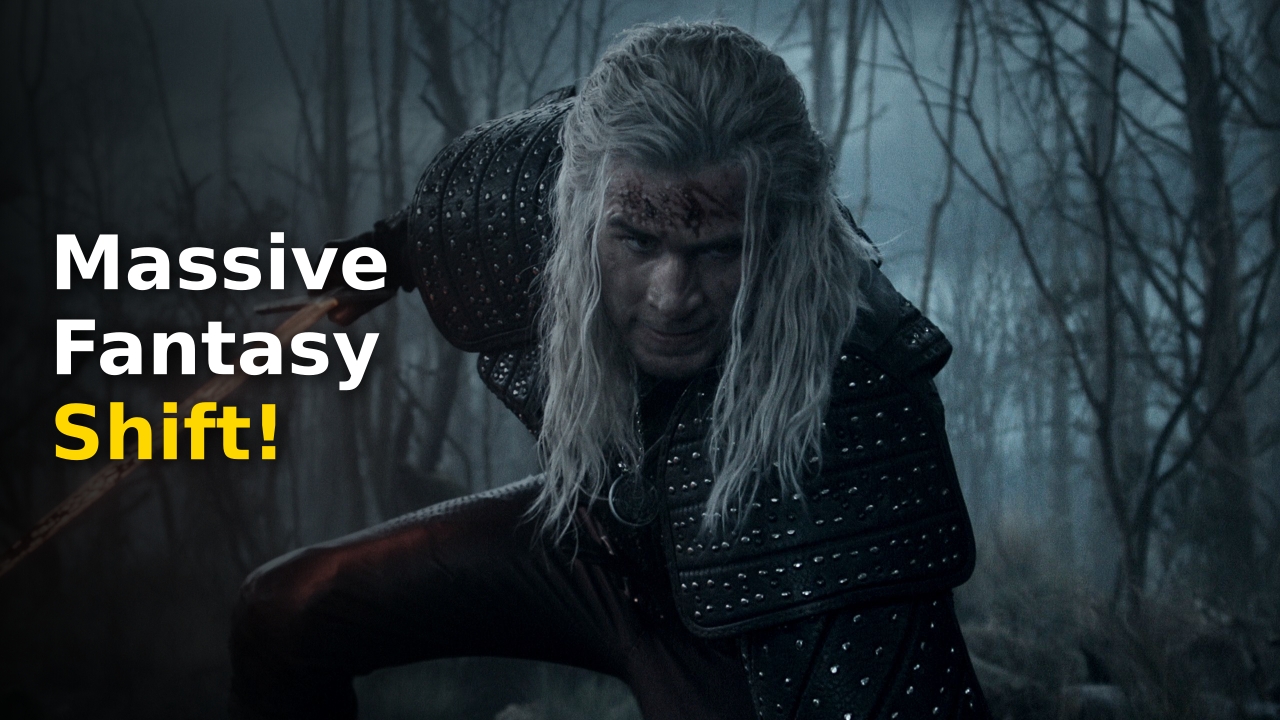
Netflix Witcher replacements are officially set to redefine the streaming giant’s landscape as the flagship show heads toward its final season. You are witnessing a massive transition period where high-stakes intellectual property takes precedence over standalone storytelling. By securing the rights to legacy titans like The Chronicles of Narnia and the strategic depth of Magic: The Gathering, the platform is preparing to cement its dominance in the fantasy genre for the next decade.
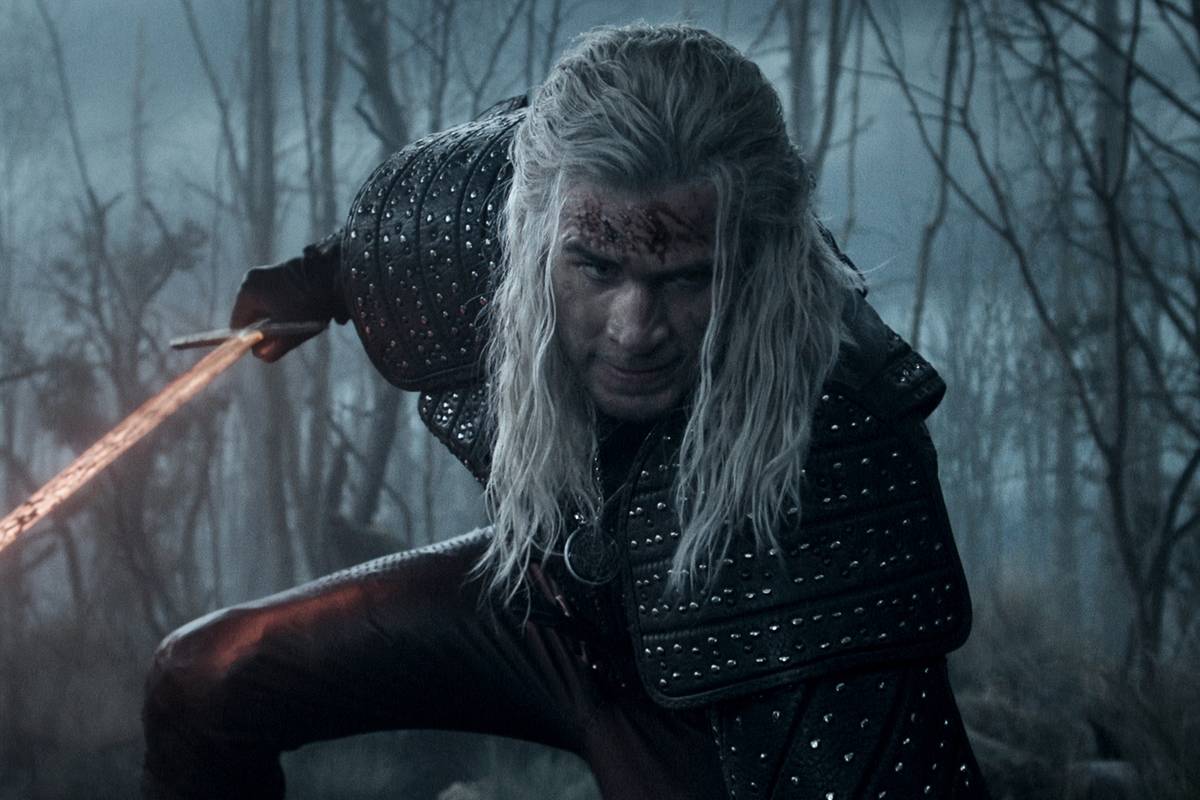
As The Witcher concludes its five-season run, the void left by Geralt of Rivia is substantial. However, the move toward these two specific franchises suggests a calculated strategy aimed at long-term retention rather than temporary viral hits. This evolution represents a matured approach to building universes that can withstand the volatile nature of modern streaming consumption.
Netflix Witcher replacements and the Future of Fantasy
The transition from The Witcher to a new era of programming is not merely about finding a new show, but about building a multifaceted ecosystem. For years, fantasy was considered a risky investment due to ballooning production costs and the fickle nature of fanbases. Today, the success of acclaimed animated hits like Arcane has proven that high-quality storytelling—regardless of the medium—can outperform traditional live-action spectacles. Netflix is leveraging this insight to diversify its portfolio, ensuring that if a live-action series falters, the animated side of the house remains robust.
The inclusion of Magic: The Gathering into the fold is particularly telling. With Terry Matalas, the creative force behind Star Trek: Picard, now steering the ship, the project has finally escaped development limbo. This is more than just a brand adaptation; it is a signal that the company is willing to commit to long-term franchise management. By leaning into both the nostalgic power of C.S. Lewis and the competitive fervor of Hasbro’s premier trading card game, Netflix is hedging its bets across two entirely different but equally loyal demographics.
The Cinematic Gamble on Narnia
Perhaps the most ambitious component of the new strategy is the Greta Gerwig adaptation of The Magician’s Nephew. A $280 million budget is an astronomical figure that signals total confidence in the vision. The decision to provide a theatrical release two months before the digital debut is a rare, unprecedented move for a streamer. It serves as a “prestige” anchor, signaling to the industry that Netflix is no longer just a digital content library, but a major player in theatrical event cinema.
Budgetary Breakdown and Investment Strategy
The financial commitment to these projects reveals a shift toward massive scale. While many streaming services are scaling back, the dedication to these franchises suggests a belief that fantasy remains the ultimate retention tool. The following table highlights the scale of these upcoming investments compared to industry benchmarks.
| Project | Primary Medium | Estimated Impact |
|---|---|---|
| Narnia: The Magician’s Nephew | Theatrical/Streaming | High (Mass Appeal) |
| Magic: The Gathering | Animated Series | Medium (Niche/Core) |
| Ravenloft (D&D) | Live-Action | High (RPG Legacy) |
Background and Industry Context
The history of fantasy adaptations is littered with failed attempts to capture the success of Game of Thrones. From Prime Video’s attempt to revitalize The Wheel of Time to the cancellation of Shadow and Bone, the landscape has been unforgiving. The primary challenge remains balancing the source material’s complexity with the need for accessibility. Netflix has observed these failures closely, opting to focus on established properties that already command a global multi-generational following.
By prioritizing The Chronicles of Narnia, the studio is tapping into a foundational series that has grossed over $1.5 billion in previous box office iterations. This is not a guess; it is a proven model. You can read more about the evolution of streaming giants on Forbes to understand how data-driven decisions now influence creative greenlighting. The shift from experimental, original fantasy concepts to established legacy IP represents the maturation of the streaming business model.

Expert Perspective: The Fantasy Boom
Industry analysts point out that the “romantasy” subgenre is also driving this trend. As viewers increasingly gravitate toward emotionally resonant, character-driven fantasy, studios are adapting quickly. You can explore the latest industry insights at Bright Celebrity to see how these subgenres influence casting choices and budget allocations for 2026 and beyond. This pivot is critical for keeping viewers subscribed during the periods between major flagship season releases.
People Also Ask
What happened with the Magic: The Gathering series today?
The project, which was in development limbo since 2019, has been officially confirmed as an upcoming series under the direction of showrunner Terry Matalas. It is moving forward as a key part of the platform’s animated fantasy slate.
Why is Greta Gerwig’s Narnia trending right now?
The project is gaining attention because of its massive $280 million budget and the unprecedented decision to give the film a global theatrical release. It represents a significant shift for a streaming-first studio.
When is the final season of The Witcher arriving?
The fifth and final season of The Witcher is expected to premiere on Netflix in 2027, marking the end of the current iteration of the franchise.
How does this affect current fantasy projects on the platform?
The focus on larger, established brands like Narnia and Dungeons & Dragons signifies a move toward more reliable, long-term franchises. This may lead to the cancellation of smaller, less-performing shows in favor of these high-budget, high-reward productions.
The Future of Fantasy Entertainment
As we look toward the 2027 release schedule, it is clear that Netflix Witcher replacements are designed to sustain the platform’s hold on the fantasy market. Whether through the cinematic scale of Narnia or the intricate world-building of Magic: The Gathering, the strategy is defined by a commitment to quality over quantity. For you, the viewer, this ensures a steady stream of high-production value stories that are meant to last. As the streaming wars continue to evolve, these massive franchises will undoubtedly serve as the primary battlegrounds for global audience attention. By leaning on established literary and gaming lore, the company is positioning itself to lead the genre for the foreseeable future.
More Like This
For more updates, check out our latest entertainment and sports news.