{
“title”: “Anime Adaptation: 7 Shocking Reasons Netflix’s Yu Yu Hakusho Beats Avatar”,
“content”: “
Is a faithful Anime Adaptation actually possible, or is Hollywood forever cursed to miss the mark? You have likely watched your favorite childhood animated masterpieces get torn apart by high-budget, tone-deaf live-action reboots. The struggle to translate hand-drawn magic to real-world cameras has left a trail of broken promises and furious fandoms.
When the streaming giant Netflix announced its massive slate of live-action projects, fans held their breath in collective anxiety. While some projects managed to capture lightning in a bottle, others fell victim to the same old Hollywood pitfalls. The pressure to satisfy both old-school enthusiasts and new audiences is a mountain few directors can climb.
The comparison between the live-action versions of Avatar: The Last Airbender and Yu Yu Hakusho has ignited a massive debate online. One of these shows managed to capture the raw energy of its source material, while the other struggled under the weight of its own expectations. The result is a clear victory that nobody saw coming.
Anime Adaptation Double Standards
Adapting illustrated pages to live-action television requires a delicate balance of respect and structural alteration. If you change too much, core fans will reject the work instantly. If you change too little, the show risks feeling like a redundant, stiff cosplay.
This delicate balance is why the landscape of the modern Anime Adaptation has changed so much over the last decade. Streamers are finally realizing that direct panel-to-screen replication rarely works for live performances. Creative liberties are necessary, but they must serve the story rather than corporate checklists.
Ultimately, creating a seamless Anime Adaptation remains a mountain that very few production studios can successfully climb. It requires a deep understanding of the original medium’s pacing, tone, and character dynamics. Without these elements, even the largest budget in the world cannot save a project from critical failure.

The Avatar Formula
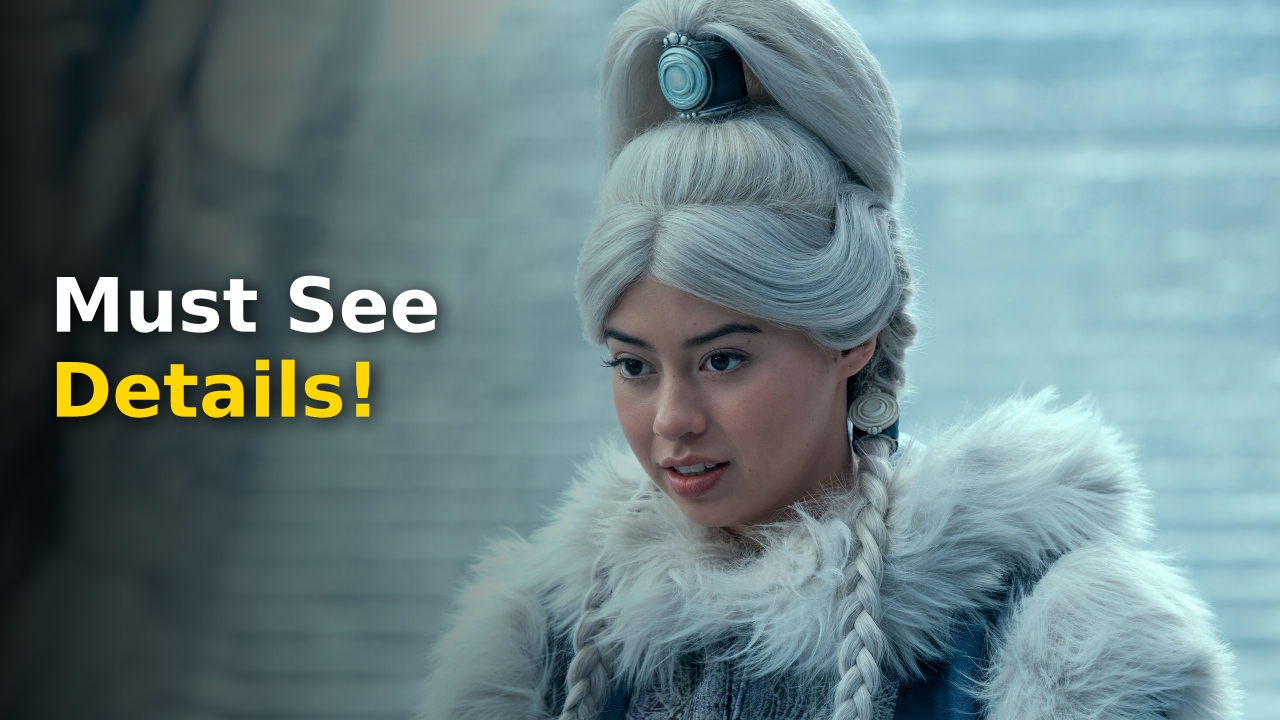
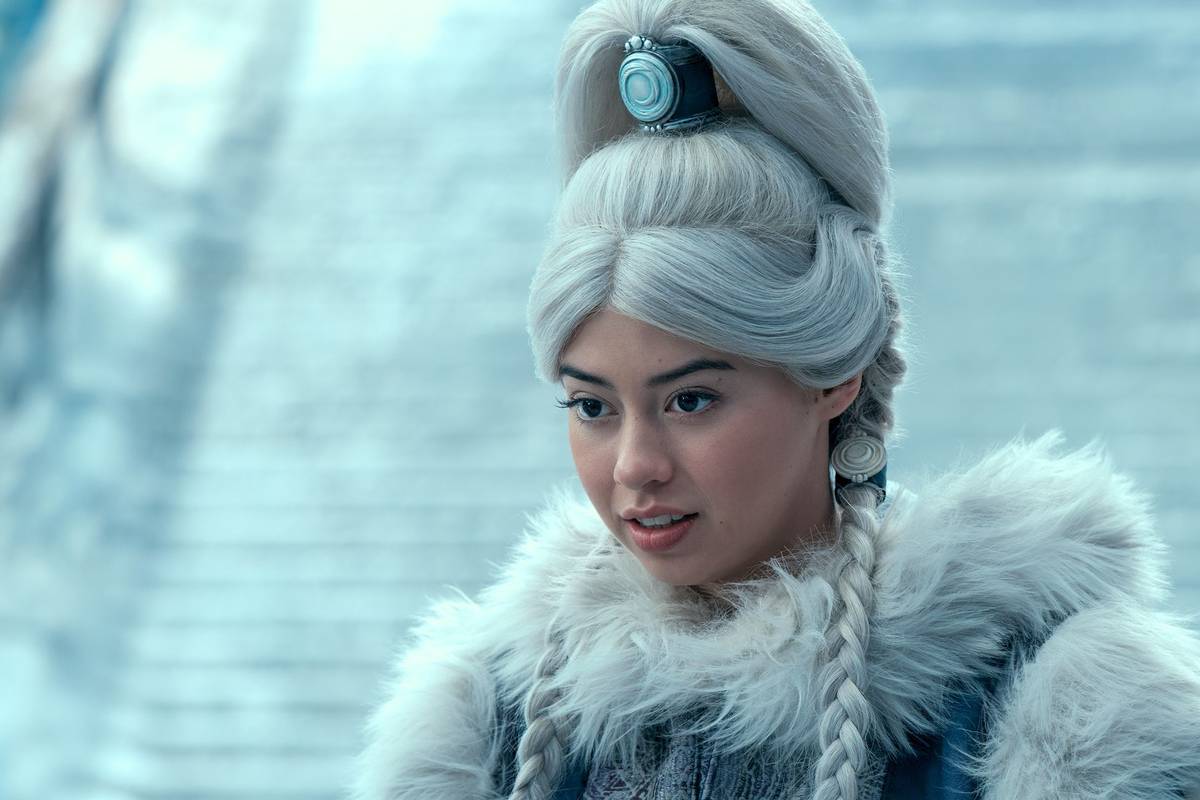
The live-action Avatar: The Last Airbender series faced a monumental task when it launched on Netflix in 2024. The original animated show is widely considered one of the greatest television series of all time. This meant that the expectations were astronomically high from day one.
Showrunners attempted to satisfy fans by replicating the iconic costumes, bending choreography, and overarching plotlines. However, critics quickly noted that the live-action version tried to cram too much lore into too few episodes. This resulted in clunky dialogue and rushed character relationships.
The biggest issue arose when a live-action Anime Adaptation tries to please everyone but ends up pleasing no one. The humor was severely toned down, replacing the whimsical charm of the original with a surprisingly grim and somber tone. This stylistic shift left many viewers feeling alienated and disappointed.
While the bending visual effects were technically impressive, they often lacked the kinetic energy of the animated show. The pacing suffered from trying to combine multiple episodic adventures into a single serialized narrative. This made the world feel smaller and less magical than before.
Many fans argued that the writers misunderstood what made the original animated show work so well. It was not just the epic fantasy battles, but the quiet character-building moments that built the emotional core of the series. Without those, the journey felt hollow.
By stripping away the lighthearted elements to focus on a darker narrative, the show lost its unique identity. It ended up feeling like just another generic fantasy series trying to ride the coattails of popular prestige dramas. The lack of heart was painfully obvious.
The Spirit Detective Twist
In stark contrast, Yu Yu Hakusho approached its live-action transition with a completely different philosophy. Based on the legendary work of Yoshihiro Togashi, this series chose to prioritize action over absolute narrative fidelity. The creators understood that the soul of the series lay in its raw, unfiltered energy.
The story follows Yusuke Urameshi, a tough-as-nails teenage delinquent who dies saving a young child from a speeding car. Because of his unexpected sacrifice, the spirit world gives him a second chance at life as a Spirit Detective. He is tasked with investigating supernatural threats and protecting the human world.
Instead of trying to adapt every single minor investigation from the early manga chapters, the writers made a bold creative choice. They condensed several major story arcs into a tight, fast-paced five-episode run. This aggressive compression forced the narrative to stay incredibly focused.
This pacing meant that some minor characters were cut, and certain subplots were completely bypassed. However, it also gave the series a relentless momentum that kept audiences glued to their screens. Every scene served a purpose, driving the characters toward their inevitable battles.
Rather than feeling rushed, the condensed narrative allowed the directors to focus on delivering high-intensity martial arts sequences. The fight scenes felt visceral, heavy, and incredibly stylized compared to other fantasy shows. The physical acting carried the emotional weight of the story.
The gritty supernatural atmosphere of the live-action series perfectly captured the late-90s punk aesthetic of the original manga. It proved that a successful adaptation doesn’t need to be a carbon copy to be incredibly entertaining. It just needs to capture the spirit of the original.
Yusuke Versus Aang
The contrast between the two main protagonists highlights the differing philosophies of these two productions. You have Aang, a young monk burdened with saving the entire world from a tyrannical empire. His journey is one of heavy destiny and spiritual growth.
Then you have Yusuke Urameshi, a street-fighting rebel who initially cares very little about saving anyone other than his close friends. His journey is much more personal, grounded in his own sense of honor and loyalty. This makes him a highly relatable protagonist for modern audiences.
Perfecting the formula of a complex Anime Adaptation means understanding the emotional drive of its lead character. If the lead actor cannot convey that core motivation, the entire show falls flat. Fortunately, the casting for the spirit detective was absolutely spot-on.
A Rebellion Born in 1990
The legacy of Yu Yu Hakusho began when the manga first debuted in the pages of Weekly Shonen Jump in 1990. The series quickly became a massive hit, standing alongside giants like Dragon Ball and Slam Dunk. Its success lay in its unique blend of urban fantasy and martial arts.
What set the story apart was the incredible chemistry between the core four characters: Yusuke, Kuwabara, Kurama, and Hiei. They were not perfect heroes, but rather a group of misfits forced to work together. Their banter and mutual respect formed the heart of the series.
The live-action series managed to capture this dynamic beautifully, even with limited screen time. The chemistry between the actors felt organic and grounded in a way that felt true to the original manga. Their relationships evolved naturally through the shared trauma of battle.
Yusuke’s rebellious attitude was balanced by his underlying sense of justice and loyalty to his friends. The fight choreography reflected his street-brawling background, relying on raw power and determination. It was a refreshing change from the highly stylized, effortless combat of other fantasy shows.
This grounded approach to character writing made the supernatural elements of the show feel much more believable. You could easily root for these flawed characters because their struggles felt real and relatable. They were heroes defined by their scars rather than their destinies.
The series established itself as the golden standard of the Anime Adaptation genre by focusing on character dynamics. It proved that great action is meaningless without compelling characters to drive the story forward. This focus is what allowed it to outshine its competition.
The Burden of Elements
On the other hand, the live-action Avatar series struggled to translate its expansive world and complex character development. The original show launched in 2005 and quickly became a cultural phenomenon on Nickelodeon. Its epic scope required a careful, patient hand to adapt properly.
The story of Aang is an epic journey that spans three seasons, detailing his training in all four elements. Trying to condense this massive journey into a live-action format presents a unique set of challenges. Unfortunately, the writers chose to focus on exposition rather than organic growth.
The live-action series often relied on heavy exposition to explain the complex mythology of the world. This approach left little room for organic character development, making the main cast feel somewhat flat. The characters often explained their feelings rather than showing them.
Aang’s childish optimism was largely replaced by a constant sense of dread and anxiety about his destiny. While this change made the character more realistic, it also stripped away the joy and hope that defined the original series. The burden of the world felt too heavy.
The supporting characters, including Katara and Sokka, also suffered from a lack of meaningful character growth. Their interactions often felt scripted and lacking the warmth of their animated counterparts. The chemistry that made the original group so beloved was missing.
By trying to please everyone, the show ended up feeling compromised and lacking a clear artistic vision. It serves as a cautionary tale for future filmmakers attempting to adapt beloved animated classics. Visual fidelity is nothing without emotional resonance.
Critical Reception Stats
The ultimate test of any series lies in the reaction of both critics and general audiences. Analyzing these numbers reveals a clear pattern of what makes a successful Anime Adaptation tick. It shows that viewers appreciate bold creative choices over safe, nostalgic replicas.
Let’s take a look at the official ratings and viewer statistics to see how these two blockbusters compare. The differences are quite revealing and show a clear preference for one specific adaptation style. The numbers tell a story of critical success and audience satisfaction.
| Series Name | Rotten Tomatoes Critics | Rotten Tomatoes Audience | Episode Count | Primary Tone |
|---|---|---|---|---|
| Yu Yu Hakusho | 83% | 82% | 5 Episodes | Gritty & Supernatural |
| Avatar: The Last Airbender | 65% | 75% | 8 Episodes | Fantasy & Dramatic |
As the data clearly shows, the critical reception for the spirit detective’s debut was significantly stronger than that of the element-bending epic. Critics praised the show’s dark, focused pacing and high-quality fight choreography. It maintained a remarkably high level of consistency throughout its short run.
While Avatar managed to maintain a respectable audience score, its critical rating of 65% highlights its structural flaws. The demands of a modern Anime Adaptation audience are higher than ever before. Viewers want more than just empty spectacle; they want emotional depth.
Fans are no longer satisfied with simple nostalgia bait and pretty visual effects. They want cohesive storytelling, well-written characters, and an adaptation that stands on its own merits. The era of cheap live-action cash-ins is officially over.
The success of the spirit detective’s journey proves that a shorter, more focused series can often deliver a much better experience than a longer, bloated production. It sets a new standard for how these complex stories should be handled in the future. Quality will always triumph over quantity.
Chapter Black Despair
With rumors of a second season swirling, fans are eagerly anticipating what comes next for the spirit detective. There is still a massive amount of source material left to adapt from the legendary work of Togashi. The potential for future storylines is incredibly exciting.
If the show continues, we could see some of the most iconic arcs in anime history brought to life. These future storylines could elevate the series to even greater heights, introducing deeper themes and more powerful villains. The stakes are about to get much higher.
The Dark Tournament Speedrun
The first season of the show took considerable liberties with the pacing of the original story. It condensed several storylines and even integrated elements of the legendary Dark Tournament into its five episodes. This was a risky move that could have easily backfired.
While this was a bold choice, it allowed the series to deliver a satisfying, action-packed conclusion. It left viewers wanting more without feeling like they had watched an incomplete story. The emotional stakes were resolved beautifully in the final battle.
This fast-paced approach is crucial when adapting a fast-paced Anime Adaptation for a global audience. It keeps the energy high and prevents the story from stalling in unnecessary subplots. It respects the viewer’s time while delivering maximum entertainment value.
However, it also means that the writers will have to be creative when structuring the second season. They will need to find a way to introduce new threats while maintaining the momentum of the first season. The challenge will be balancing the fast pace with deeper character development.
The decision to include the iconic villain Toguro early on was a stroke of genius. It gave the series a high-stakes antagonist and set a dark, gritty tone from the very beginning. His physical presence made every fight feel incredibly dangerous.
Fans are excited to see how the show will handle the remaining arcs, given how much ground was covered in the first season. The potential for epic battles and deeper character development is massive. The journey is far from over, and the best may be yet to come.
Sensui and Beyond
The next major storyline in the manga is the Chapter Black saga, which introduces one of the franchise’s most complex villains, Shinobu Sensui. His introduction would mark a significant shift in the series’ tone.
Sensui is a former Spirit Detective who went mad after witnessing the dark side of humanity. His quest to destroy the barrier between the human and demon worlds is the ultimate test for this specific Anime Adaptation. It deals with heavy psychological themes and moral ambiguity.
This arc is much darker and more psychological than the previous storylines, focusing on themes of morality and corruption. It would perfectly suit the gritty, supernatural tone established in the first season. It allows the characters to face their own inner demons.
Following the Chapter Black saga, the story moves into the Three Kings arc, which explores the complex political landscape of the Demon World. This storyline features some of the most powerful characters in the entire series, bringing the saga to an epic conclusion.
To explore these rich storylines in depth, make sure to read more about the legacy of classic manga on Wikipedia’s page for the classic manga series Yu Yu Hakusho. The depth of the source material is truly remarkable.
By taking these storylines in a bold new direction, the live-action series could secure its place as one of the best adaptations ever made. The future of the franchise looks incredibly bright. Fans cannot wait to see what the creative team has in store for the next chapter.
Behind The Scenes Secrets
The production of these massive shows is always filled with interesting stories and secret details. Understanding what goes on behind the scenes can give you a better appreciation for the final product. It shows the incredible effort required to make these worlds real.
From intense stunt training to secret casting decisions, the road to bringing these characters to life is never easy. Let’s look at some of the fascinating details behind the creation of these shows. The dedication of the cast and crew is truly inspiring.
Netflix’s Tokyo Sports Leak
For a long time, the future of the live-action series remained shrouded in mystery. After its premiere in December 2023, there was absolute silence from the production team. This left many fans worried that the show had been quietly canceled.
Many assumed the show was a one-off project, given how much story was compressed into the first season. However, a recent report by Tokyo Sports suggests that a second season is indeed in the works. This news has reignited excitement within the community.
While the streaming giant has yet to officially confirm the news, the leak has sent shockwaves through the fan community. It shows that Netflix has recognized the massive potential of this specific series. The demand for more supernatural action is undeniable.
Production for the second season is rumored to be in the early planning stages, with the core cast expected to return. This is fantastic news for anyone who fell in love with the first season’s high-energy action. The adventure is set to continue on an even grander scale.
For more exciting industry rumors and casting news, you can check out the latest updates on BrightCelebrity. They always have the inside scoop on the biggest entertainment trends. Stay ahead of the curve with the latest Hollywood buzz.
The decision to continue the series suggests a major shift in how the platform views its international productions. It shows a growing willingness to invest in high-quality, focused projects that resonate with core fans. The focus on quality is finally paying off.
Stunt Work and VFX
One of the standout elements of the live-action series was the physical action of an Anime Adaptation. The fight scenes were choreographed by some of the best action directors in Japan. The result was a series of battles that felt incredibly real and impactful.
The actors underwent months of intense martial arts and wire-work training to prepare for their roles. This dedication paid off, resulting in action sequences that felt incredibly visceral and kinetic. You could feel every punch and kick.
In contrast, many critics felt that the live-action Avatar series relied too much on green screens and CGI. This made the action feel less impactful and more like a video game than a live-action series. The lack of physical presence was a major drawback.
By prioritizing practical stunts and physical choreography, the creators of the spirit detective series delivered a much more engaging experience. It set a new standard for how supernatural battles should be filmed. It proved that practical action still reigns supreme.
The visual effects were used to enhance the action rather than replace it, creating a perfect balance between fantasy and reality. This approach is something that other productions would do well to emulate in the future. It creates a much more immersive experience.
The attention to detail in the costume design and set construction also helped to ground the series in a believable world. It showed a deep respect for the source material that fans truly appreciated. Every element felt carefully crafted.
The Anime Adaptation Future
The success of these shows is shaping the future of how live-action versions of animated classics are made. The industry is starting to realize that fans want more than just empty spectacle and cheap nostalgia. They want genuine artistic vision.
They want projects that capture the spirit of the original while bringing something new and exciting to the table. The lessons learned from these productions will undoubtedly influence the next wave of releases. The future of entertainment is being rewritten.
The incredible reception of this dark, supernatural series has revolutionized how we view the Anime Adaptation genre. It has proved that you don’t need a massive budget to make something truly special. You just need passion, focus, and respect for the source material.
As we look ahead to future projects, including the second season of One Piece and other highly anticipated titles, the competition will only get fiercer. This is a golden age for fans of Japanese pop culture. The possibilities are truly endless.
Ultimately, the ultimate fate of the Anime Adaptation on streaming platforms will depend on the creators’ willingness to take creative risks. Those who dare to be bold and focused will always find an audience. The rewards for success are greater than ever before.
Whether you prefer the epic elemental battles of the four nations or the gritty supernatural investigations of the spirit detective, there is no denying that we are witnessing a fascinating evolution in entertainment. The battle for streaming supremacy has only just begun.
“,
“parent_category”: “Entertainment”,
“sub_categories”: [“Anime”, “Streaming News”, “TV Reviews”],
“focus_keyword”: “Anime Adaptation”,
“slug”: “anime-adaptation-netflix-yu-yu-hakusho-avatar”,
“tags”: [
“Netflix Yu Yu Hakusho Season 2 Renewal”,
“Avatar The Last Airbender Live Action Review”,
“Yusuke Urameshi Live Action Actor”,
“Yoshihiro Togashi Manga Adaptations”,
“Best Netflix Anime Live Action Series”,
“Shinobu Sensui Chapter Black Saga”,
“Dark Tournament Live Action Fight”,
“Tokyo Sports Netflix Anime Rumors”,
“Netflix Live Action One Piece Success”,
“Anime Adaptation Critic Rotten Tomatoes”,
“Classic Shonen Manga Netflix Reboots”,
“Japanese Martial Arts Stunt Choreography”,
“Hollywood Anime Adaptation Failures”,
“BrightCelebrity Entertainment News”,
“Streaming TV Series Rating Comparison 2024”
],
“seo_description”: “Anime Adaptation battles reach a new peak as Netflix’s Yu Yu Hakusho beats Avatar: The Last Airbender. Discover the shocking season 2 updates now.”,
“thumbnail_text”: “Shocking Truth Revealed!”,
“body_image_alt_tags”: [
“netflix live action anime adaptation comparison yu yu hakusho and avatar”,
“high rated anime adaptation series on streaming platforms”
]
}
More Like This
For more updates, check out our latest entertainment and sports news.