Key Takeaways
| Take-Two Interactive officially states players have no ownership rights over virtual currency. |
| A landmark 2026 lawsuit argues that the lack of VC transferability constitutes theft. |
| Executives claim there is no technical solution to separate earned versus paid currency. |
| The lawsuit could redefine digital property rights across the entire gaming industry. |
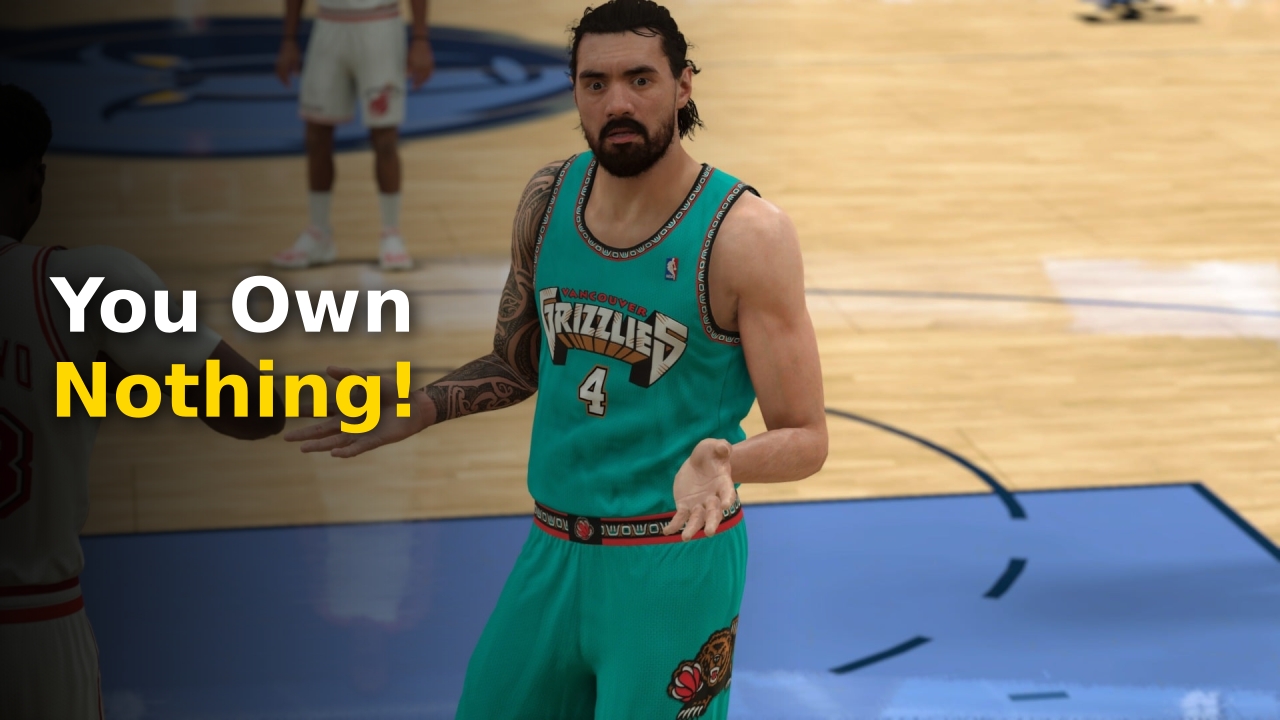
You might think that the money you pour into your favorite video games belongs to you, but the latest developments regarding **NBA 2K Virtual Currency** prove otherwise. In a stunning legal admission that has sent shockwaves through the gaming community, Take-Two Interactive has explicitly stated that players possess zero ownership or legal rights to the digital items they purchase. This revelation comes as part of a high-stakes class-action lawsuit that seeks to hold the publisher accountable for what many call a predatory annual cycle.
The controversy surrounding **NBA 2K Virtual Currency** is not merely about a few lost coins; it represents a fundamental clash between consumer expectations and the rigid frameworks of digital licensing. Every year, millions of players invest hundreds of dollars into the latest NBA 2K installment, only to find their progress and currency wiped clean when the next title launches. For the first time, court-ordered depositions are forcing industry leaders to explain why this cycle exists and why they refuse to let players carry their hard-earned assets forward.
As we navigate the landscape of digital media in 2026, the case of J.A. vs. Take-Two Interactive stands as a pivotal moment for the industry. The plaintiff, a minor supported by legal counsel, alleges that the publisher is effectively stealing from its user base by rendering past purchases obsolete. This article dives deep into the legal filings, the executive excuses, and the broader implications for anyone who has ever clicked “I Agree” on a terms-of-service agreement without reading the fine print.
NBA 2K Virtual Currency Ownership Dispute
The core of the legal battle centers on the definition of “Virtual Items” and the rights associated with them. According to court documents newly unsealed in 2025 and 2026, Take-Two Interactive argued that players are merely licensing access to **NBA 2K Virtual Currency**, rather than owning it as a personal asset. This distinction is critical because it allows the company to terminate access to those items whenever they decommission a game’s servers, which typically happens every two years for the NBA 2K franchise.
Michael O’Dwyer, the Vice President of Production Management for NBA 2K, provided a deposition that laid bare the company’s stance. He noted that the terms of service—often criticized as being overly harsh and one-sided—explicitly state that users have no ownership or other rights in their accounts or virtual items. This legal shield is what allows the company to facilitate a “fresh start” every September, forcing the player base to re-engage with the microtransaction ecosystem from scratch.
Legal analysts suggest that this case could be the catalyst for new consumer protection laws in California and beyond. While companies have long hidden behind End User License Agreements (EULAs), the scale of the NBA 2K economy makes it a unique target. With billions of dollars in recurring consumer spending at stake, the courts are being asked to decide if a digital item with a clear monetary value can truly be considered “worthless” the moment a sequel is released.
For the average player, the frustration is palpable. The “No Money Spent” community, which tries to earn **NBA 2K Virtual Currency** through gameplay alone, finds the grind increasingly difficult each year. Meanwhile, those who spend real money to keep their MyPlayer competitive feel trapped in a predatory loop. The lawsuit claims that by refusing to transfer VC, Take-Two is creating an artificial scarcity that forces continuous spending, a tactic that the plaintiffs label as deceptive and unfair business practices.
The Impact on the Gaming Community
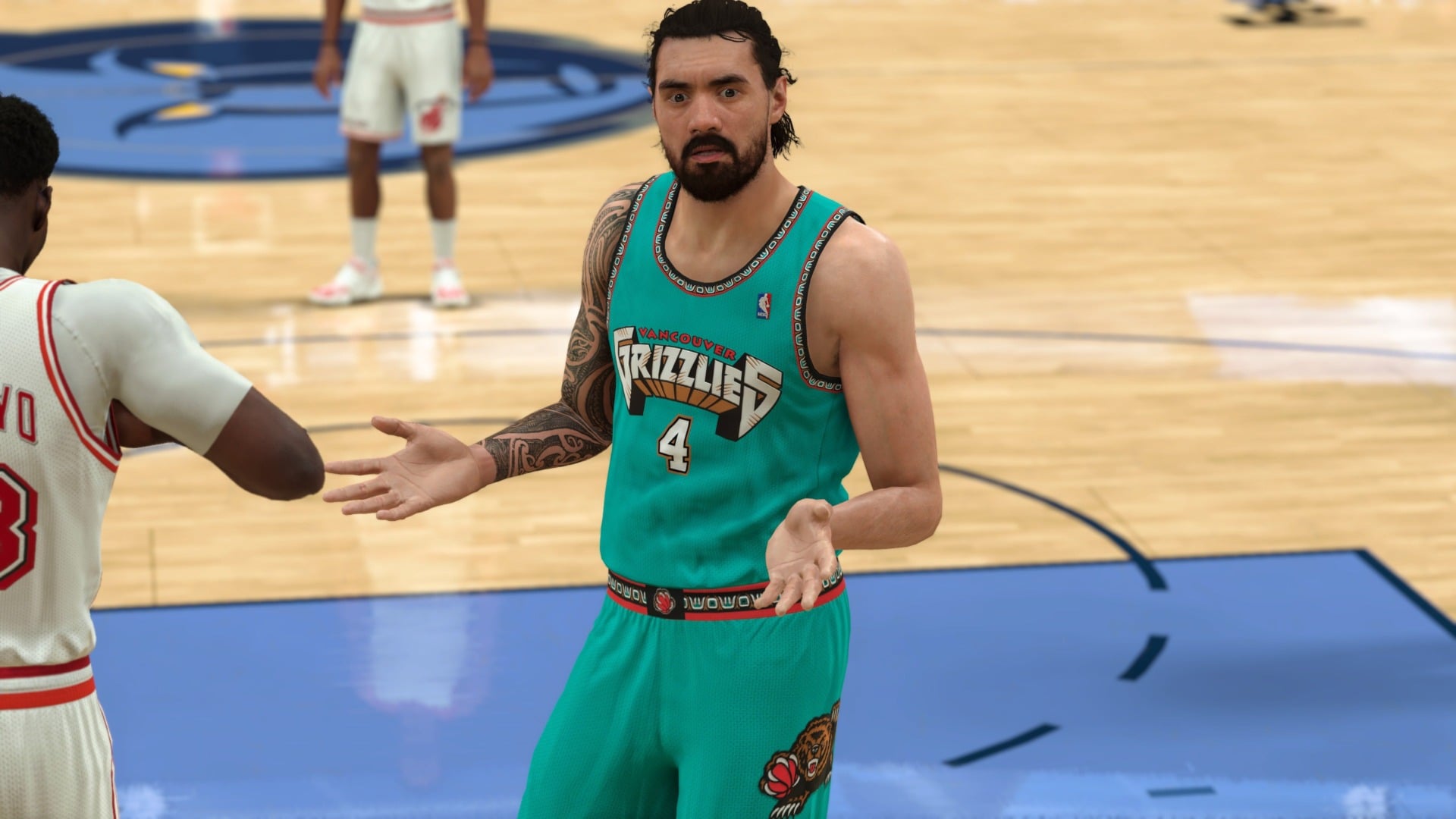
The gaming community has long voiced its displeasure with the “annual reset” of sports games. Unlike titles like Fortnite or League of Legends, where skins and currency often carry over for years, the sports genre remains one of the last bastions of the hard-reset model. This has led to a significant rift between the fans who buy the game for the love of basketball and the corporate entities that view the game as a live-service revenue engine.
Expert Take: Gaming industry consultant Dr. Arvin Kolsen notes, “What we are seeing with the **NBA 2K Virtual Currency** lawsuit is the breaking point of the ‘Games as a Service’ model. When you charge $70 for a base game and then demand hundreds more for basic progression, you create a psychological contract with the player. When that contract is broken annually, legal friction is inevitable. Take-Two is betting that the EULA will protect them, but the court of public opinion—and potentially the California judicial system—is beginning to push back against the idea that ‘digital’ means ‘disposable’.”
The Technical and Philosophical Divide
One of the most controversial aspects of O’Dwyer’s deposition was his claim that no technical solution exists to allow the transfer of **NBA 2K Virtual Currency**. He argued that the infrastructure required to track and migrate balances across different game engines and server architectures would be a “massive undertaking.” However, critics point out that other major publishers have managed to implement cross-progression and persistent inventories with far fewer resources than Take-Two Interactive.
Beyond the technical hurdles, O’Dwyer admitted to a “philosophical” objection to transferring VC. The company wants every player, whether a veteran or a newcomer, to start on an equal footing. While this sounds like a move for competitive balance, the plaintiff’s lawyers argue it is a thinly veiled excuse to maximize profits. If players could transfer their 2K25 VC to 2K26, the urgency to buy “Starter Packs” would vanish overnight, potentially costing the company hundreds of millions in quarterly revenue.
Furthermore, the executive explained that separating “earned” VC from “purchased” VC would be a complete redesign of a complex game. In the current system, all VC is pooled together. This lack of transparency benefits the publisher, as it makes it harder for players to track exactly how much of their real-world investment is being liquidated when a game is retired. The lawsuit seeks to force 2K to implement a system that recognizes the permanent value of purchased currency.
The refusal to even attempt a transfer system is what the lawsuit highlights as “unduly oppressive.” By their own admission, 2K has never tried to make this change. This lack of effort suggests that the status quo is far too profitable to disrupt. As the legal proceedings continue, the discovery phase may reveal more about just how much Take-Two earns from the “lost” currency that players leave behind every year.
By the Numbers: According to financial reports from Kotaku and other industry analysts, microtransactions account for over 50% of Take-Two’s total revenue. In a typical fiscal year, the NBA 2K franchise generates billions in “recurrent consumer spending.” When you consider that a significant portion of this spending is for items that expire in 12-24 months, the scale of the “theft” alleged by the lawsuit becomes staggering.
NBA 2K Microtransaction Revenue Trends
| Fiscal Year | Net Bookings (Est) | VC Transferability | Player Retention Rate |
|---|---|---|---|
| 2023 | $3.2 Billion | None | 78% |
| 2024 | $3.5 Billion | None | 75% |
| 2025 | $3.8 Billion | None | 72% |
| 2026 (Proj) | $4.1 Billion | Litigation Pending | 68% |
The Global Crisis of Digital Ownership
The **NBA 2K Virtual Currency** case is part of a much larger trend where consumers are realizing that “buying” digital content is often just an expensive long-term rental. From the removal of purchased movies on platforms like Discovery+ to the shut-down of digital-only games like The Crew, the concept of digital ownership is in a state of collapse. This lawsuit specifically targets the gaming sector, where the emotional and financial investment is arguably the highest.
For years, companies like ESPN’s partner organizations in the gaming world have pushed for more aggressive monetization. This has led to the rise of “dark patterns”—design choices that manipulate players into spending money. In the context of NBA 2K, the inability to transfer VC is the ultimate dark pattern. It ensures that the player’s financial “sunk cost” is reset to zero annually, compelling them to spend again to maintain their status in the community.
Historically, physical media provided a safeguard. If you bought a game, you owned the disc. You could sell it, trade it, or play it twenty years later. With the shift to digital-only consoles and licenses, that power has shifted entirely to the publisher. The **NBA 2K Virtual Currency** lawsuit argues that this shift has allowed publishers to ignore basic consumer rights that have existed for centuries regarding physical property.
Looking at the broader perspective, the outcomes of this case could force a rewrite of EULAs across the industry. If a judge rules that 2K must allow currency transfers, it will set a precedent for Madden, EA Sports FC, and even non-sports titles like Call of Duty. The era of the “disappearing dollar” in digital gaming may finally be coming to an end, or at the very least, getting its day in court.
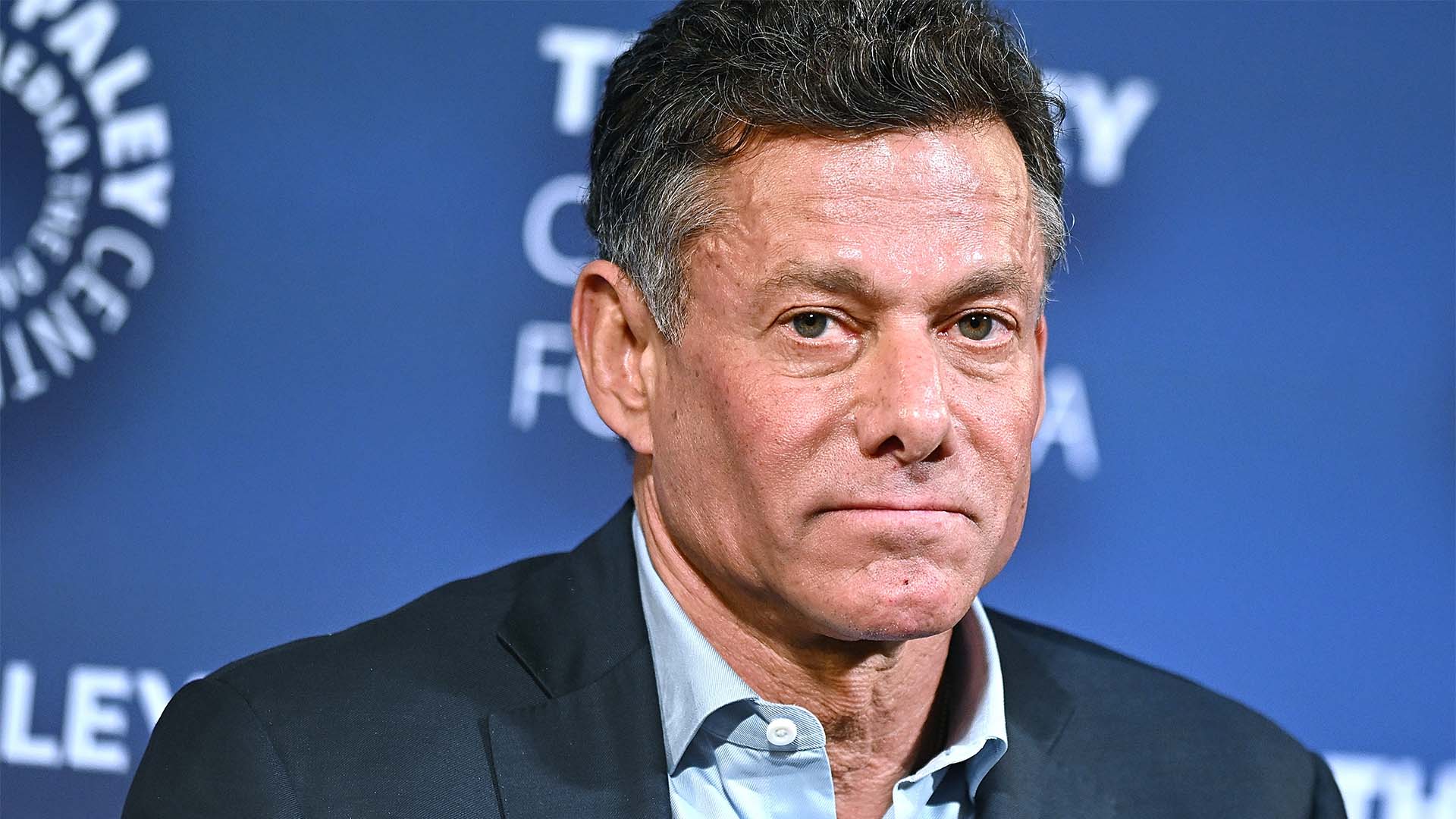
The defense by Take-Two, led by CEO **Strauss Zelnick**, remains firm. They maintain that the service provided is a temporary license and that the costs of maintaining servers and developing new annual titles justify the reset. However, as the lawsuit gains momentum, the question remains: at what point does a business model become so exploitative that it violates the law? The answer may lie in the final verdict of this class action.
People Also Ask
Why is NBA 2K Virtual Currency trending right now?
It is trending because a 2026 lawsuit has unsealed depositions where 2K executives admit that players have no ownership rights over the VC they purchase or earn, fueling a massive debate over digital property rights.
Can you transfer VC from NBA 2K25 to NBA 2K26?
No, 2K Sports does not currently allow any transfer of Virtual Currency between annual releases, claiming that no technical solution exists and that they prefer a ‘fresh start’ for all players each year.
What is the lawsuit against 2K regarding digital currency?
A class-action lawsuit filed by a minor (J.A.) in California alleges that Take-Two Interactive’s practice of not transferring VC is a form of theft and violates consumer protection laws by rendering purchased items worthless.
How does the NBA 2K lawsuit affect other sports games?
If the court rules in favor of the plaintiffs, it could set a legal precedent forcing other publishers like EA Sports to allow the transfer of digital assets and currency across their annual gaming franchises.
What did Take-Two executives say about VC ownership?
Executives like Michael O’Dwyer stated that players agree to terms of service which explicitly deny them any ownership rights to virtual items, and that the company has never intended to change this system.
Future of NBA 2K Virtual Currency
As we look toward the future of the franchise, the shadow of this litigation looms large. The company may be forced to innovate in ways they previously claimed were impossible. Whether through a central “hub” for currency or a more transparent breakdown of earned versus bought assets, the pressure for change is reaching a fever pitch. You can find more updates on gaming news and legal battles at Bright Celebrity’s entertainment section, where we track the biggest stories in media.
The resolution of this case will likely define the next decade of gaming. If Take-Two prevails, the “no ownership” model will be codified, emboldening publishers to further restrict player rights. If the players win, it will be a historic victory for consumer advocacy in the digital age. For now, the best advice for any gamer is to be wary of how much you invest in a system that views your assets as temporary. The **NBA 2K Virtual Currency** you buy today might be nothing more than a memory by next season.
In the end, the battle over **NBA 2K Virtual Currency** is a reminder that in the digital world, the rules are written by those who own the servers. Until the law catches up with technology, your digital wallet is only as secure as the next update. For more insights into how these changes affect the industry, check out Bright Celebrity’s coverage of gaming trends and stay informed on the latest sports gaming news. The fight for digital rights is only just beginning.
More Like This
For more updates, check out our latest entertainment and sports news.