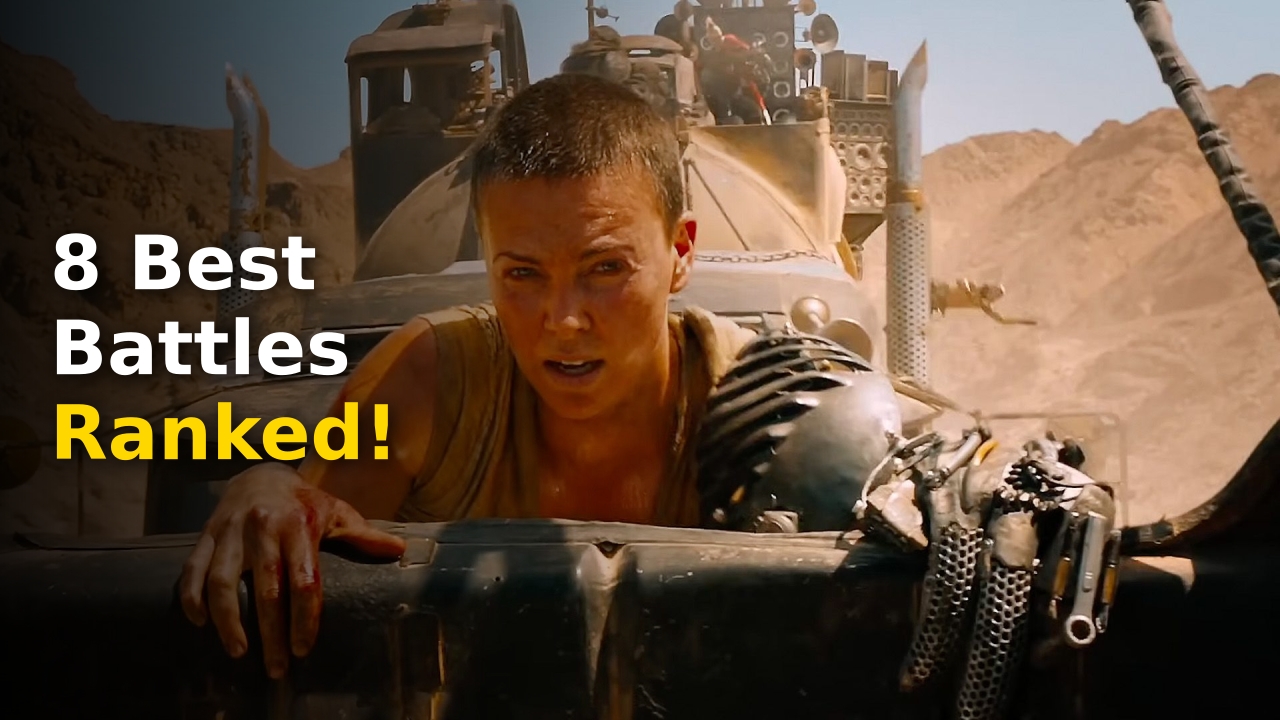
Movie Battles represent the pinnacle of cinematic achievement, blending high-stakes drama with breathtaking choreography to leave you gasping for air. Have you ever wondered why some fight scenes stick in your memory for decades while others fade before the credits roll? It comes down to the perfect cocktail of emotional investment and visual spectacle.
Adventure movies often rely on small skirmishes to keep the plot moving at a breakneck pace. However, when these films finally commit to a full-scale confrontation, the results are usually legendary. You are about to journey through the most iconic clashes ever captured on celluloid, from the sands of Ancient Rome to the dusty tracks of a post-apocalyptic wasteland.
These sequences do more than just show off a big budget. They shift the narrative, test our heroes’ resolve, and redefine what is possible in modern filmmaking. As you explore the latest entertainment industry trends, you will see how these classics still define the genre.
The History of Movie Battles
The 2003 masterpiece The Last Samurai provides one of the most heartbreaking sequences in the genre. Ken Watanabe delivers a career-defining performance as Lord Katsumoto, a man facing the inevitable extinction of his way of life. The Battle of Shiroyama may lean into Hollywood tropes, but its emotional weight is undeniable for any viewer.
You see the clash between ancient tradition and cold, industrial progress as katanas meet Gatling guns. When Katsumoto commits seppuku on the field, it isn’t just a plot point; it’s the end of an era. Hans Zimmer provides a haunting score that ensures you won’t forget the sacrifice of the last samurai.
Then we have the 1995 epic Braveheart, directed by and starring Mel Gibson. While the film plays fast and loose with historical facts, the Battle of Stirling Bridge remains a masterclass in tension. You can almost feel the mud and blood as the Scottish forces stand their ground against the English cavalry.
William Wallace and his impassioned speech gave audiences a rallying cry that still resonates today. The sheer brutality of the hand-to-hand combat set a new standard for medieval Movie Battles. Even without a literal bridge in the scene, the tactical genius displayed by the underdogs makes it a top-tier cinematic moment.
Key Historical Influences
- The real Battle of Shiroyama occurred in 1877 during the Satsuma Rebellion.
- Mel Gibson utilized members of the Irish Army Reserve as extras for the massive crowd shots.
- The Last Samurai was filmed largely in New Zealand, standing in for 19th-century Japan.
- Historical accuracy was often sacrificed for the sake of emotional resonance and better camera angles.

Martial Arts and Visual Poetics
In 2004, director Zhang Yimou released House of Flying Daggers, a wuxia film that looks more like a dance than a war. The bamboo forest sequence is a breathtaking example of how the environment can become a character in a fight. You watch as Jin and Mei fight for survival against the Imperial forces amidst towering green stalks.
The use of color in this film is legendary, with vivid greens and deep reds popping off the screen. Every movement is calculated and rhythmic, creating a sense of beauty in the middle of a life-or-death struggle. It proves that Movie Battles don’t always need thousands of soldiers to feel epic in scale.
Shifting back to 1954, Akira Kurosawa gave us the blueprint for the modern action epic with Seven Samurai. The final battle in the pouring rain is often cited by directors like Steven Spielberg and George Lucas as a primary influence. You witness the desperate defense of a small farming village against a ruthless band of outlaws.
The mud, the chaos, and the relentless rain make every sword strike feel heavy and exhausting. Toshiro Mifune shines as the wild-card warrior Kikuchiyo, adding a layer of tragic humanity to the carnage. By the time the sun rises on the survivors, you feel just as drained as the characters on screen.
Choreography Breakdown
- Zhang Yimou used wire-work to give his fighters a supernatural, ethereal quality.
- Seven Samurai was one of the first films to use multiple cameras to capture a single action sequence.
- The rain in Kurosawa’s film was actually mixed with ink to make it show up better on black-and-white film.
- Training for House of Flying Daggers involved months of rigorous martial arts and dance rehearsals.
Epic Movie Battles Data Breakdown
Analyzing the scale of these productions helps you understand the sheer effort required to bring these moments to life. Many of these films broke records for their time, employing thousands of artisans and stunt performers to ensure the Movie Battles felt authentic. Check out the statistics below for a closer look at the production value behind these masterpieces.
| Movie Title | Release Year | Estimated Budget | Key Director |
|---|---|---|---|
| Lawrence of Arabia | 1962 | $15 Million | David Lean |
| Gladiator | 2000 | $103 Million | Ridley Scott |
| Mad Max: Fury Road | 2015 | $150 Million | George Miller |
| At World’s End | 2007 | $300 Million | Gore Verbinski |
The Chaos of Modern Warfare
Ridley Scott knows how to open a movie with a bang, and Gladiator is the perfect example. Released in 2000, the film begins with a massive assault on the Germanic tribes. You are immediately introduced to Maximus, played by Russell Crowe, as a disciplined general who commands respect with a single look.
The contrast between the organized Roman legions and the wild, unkempt tribesmen sets the stakes perfectly. Catapults fire into the forest, dogs of war are unleashed, and the mud becomes a character of its own. It is a gritty, visceral introduction that anchors the entire story of revenge and redemption.
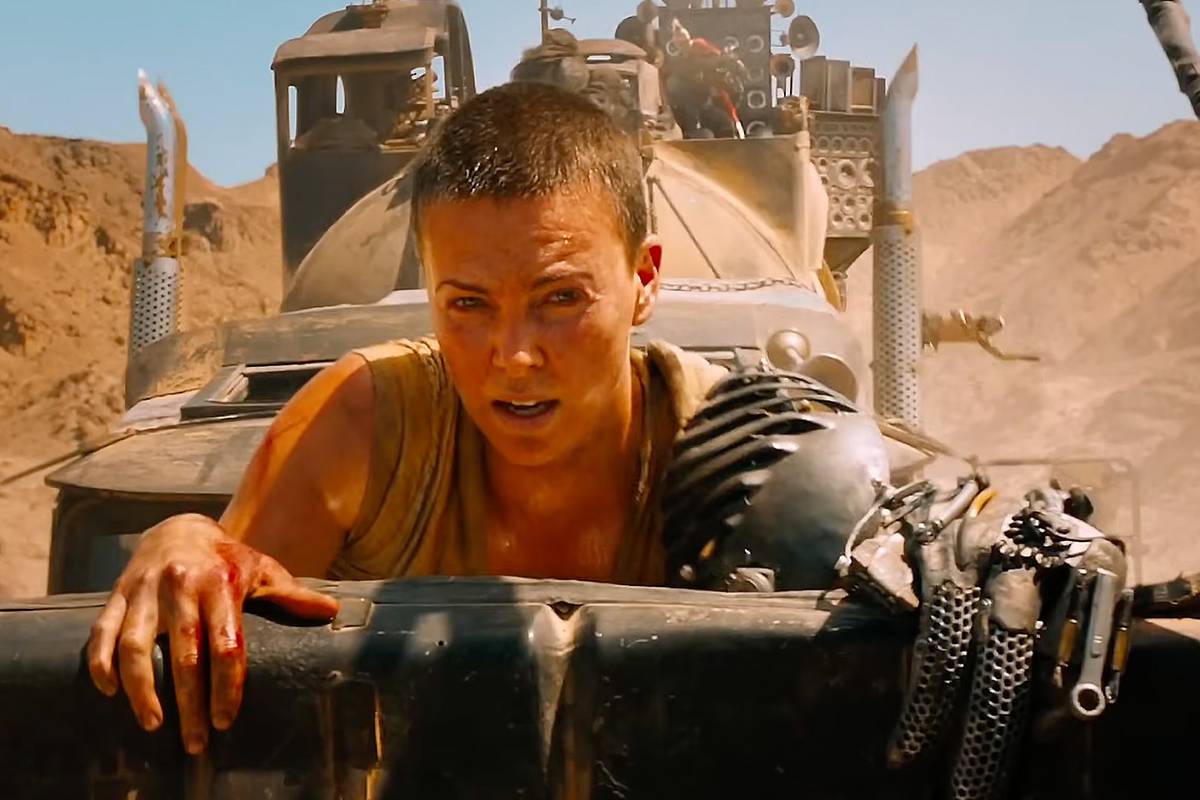
Fast forward to 2015, and George Miller reinvented the wheel—literally—with Mad Max: Fury Road. This isn’t your typical face-to-face battle; it’s a high-speed chase across the Citadel’s wasteland. Charlize Theron as Furiosa and Tom Hardy as Max lead a desperate race for survival against Immortan Joe.
The creativity on display here is staggering, with “pole cats” swinging between vehicles and a blind guitarist playing a flame-throwing guitar. Every crash is real, every explosion feels dangerous, and the choreography is so tight you never lose track of the action. It redefined what Movie Battles could look like in the 21st century.
Technical Innovations
- George Miller used over 150 stunt performers, including several former Cirque du Soleil artists.
- The opening battle in Gladiator was filmed in Bourne Woods, England, which has since become a popular filming location.
- Most of the vehicles in Mad Max were fully functional and built from scratch by the production team.
- Ridley Scott used a “shutter effect” on the cameras to make the motion during the fight scenes feel more frantic.
High Seas and Scorching Sands
When you think of adventure, the ocean is a natural setting, and Pirates of the Caribbean: At World’s End took it to the extreme. The 2007 sequel features a massive maelstrom battle between the Black Pearl and the Flying Dutchman. You watch as ships circle a giant whirlpool while pirates swing on ropes and cannons roar in the storm.
The scene is chaotic, featuring a mid-battle wedding between Will Turner and Elizabeth Swann. While the physics might be questionable, the sheer imagination is peak Hollywood. It remains one of the most visually complex sequences ever attempted in a pirate film, pushing the limits of CGI at the time.
Finally, we must look at the 1962 classic Lawrence of Arabia. The attack on Aqaba is a masterclass in scale and patience. Director David Lean uses wide shots to show you the hundreds of real horses and camels charging across the desert floor. You feel the heat and the desperation of the Arab revolt as they take the Turkish forces by surprise.
This battle is unique because it emphasizes strategy as much as the actual fighting. You see the planning, the trust-building, and the tension before the first shot is even fired. According to [Wikipedia](https://en.wikipedia.org/wiki/Lawrence_of_Arabia_(film)), the production was so massive that it took over a year to complete principal photography across several countries.
Production Factoids
- Peter O’Toole reportedly had to pad his saddle with foam rubber to survive the long days of camel riding.
- The maelstrom in Pirates was filmed in a massive soundstage with enormous water tanks and rain machines.
- Lawrence of Arabia features zero female speaking roles, focusing entirely on the brotherhood and conflict of war.
- The Endeavor ship explosion in At World’s End utilized one of the largest physical models ever built for a film.
Final Thoughts on Movie Battles
The best Movie Battles are the ones that stay with you long after you leave the theater. They are more than just mindless action; they are the climax of character arcs and the resolution of impossible conflicts. Whether it is a samurai standing his ground in the rain or a car speeding through a desert firestorm, these moments define our cinematic history.
You can see the evolution of technology and storytelling through these eight legendary films. They prove that while genres may blend and styles may change, the power of a well-crafted battle scene remains universal. As long as there are stories to tell, Movie Battles will continue to push the boundaries of what we can imagine.
Next time you sit down to watch an adventure epic, pay attention to the choreography, the score, and the stakes. You aren’t just watching a fight; you are watching a piece of art that required thousands of hours of dedication to perfect. These rankings prove that when cinema gets it right, the results are truly timeless.
More Like This
For more updates, check out our latest entertainment and sports news.