Key Takeaways
| Location and Scale | Cabazon, California welcomed more than 900 dancers and 20 world-class drum groups from across the United States and Canada. |
| Cultural Preservation | Traditional Cahuilla bird singing served as an anchor for ancestral storytelling, documenting the migration journeys of southern California tribes. |
| Historic Assembly | The gathering highlighted tribal resilience, celebrating public fellowship that was historically outlawed under 19th-century state and federal suppression policies. |
| Legislative Alignment | Held during California Native American Day, coinciding with state-level legislative bills passed to protect tribal sovereignty, land management, and sacred sites. |
| Community Access | The three-day powwow offered free public admission, four Grand Entry presentations, and over 100 authentic indigenous culinary and artisanal vendor stalls. |
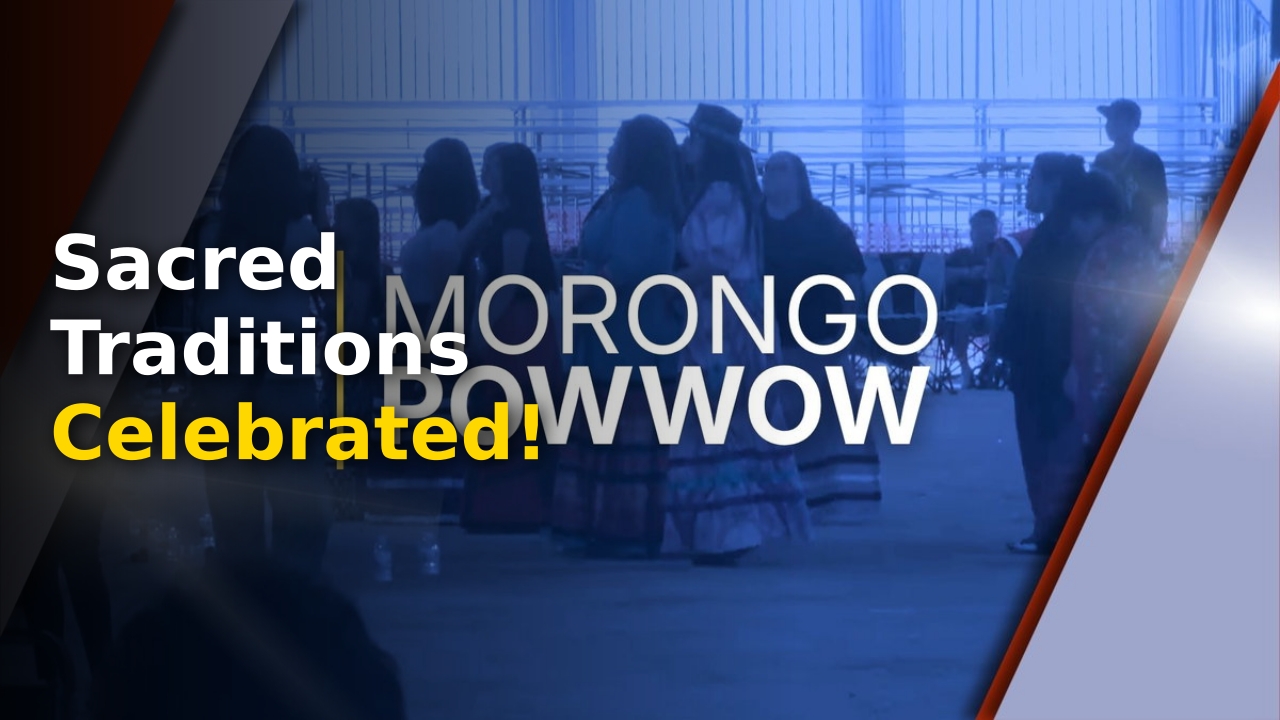
The **Morongo Powwow 2026** opened with the thunderous resonance of southern drums and the rhythmic shaking of dried gourds against the stark beauty of the San Gorgonio Pass. You could feel the deep earth vibrate as hundreds of dancers entered the arena in a swirl of brilliant beadwork, porcupine roaches, and intricately woven shawls. Hosted by the Morongo Band of Mission Indians outside the Morongo Casino Resort & Spa in Cabazon, California, this landmark 35th annual celebration brought together thousands of visitors to honor living traditions that have endured across millennia.
For the Morongo Band of Mission Indians, the massive three-day gathering serves as an essential nexus of cultural survival, intertribal diplomacy, and intergenerational instruction. What unfolds across the arena floor is neither a theatrical reenactment nor commercial spectacle. It is a sovereign congregation of hundreds of independent tribal nations honoring ancestral continuity, shared survival, and artistic mastery.
With admission offered entirely free to the public, the weekend represents one of the largest and most respected cultural gatherings in North America. Readers seeking the latest entertainment news updates can appreciate how this gathering merges historical reverence with massive modern public engagement. By opening their sacred circle to the broader public, the Morongo tribe transforms the Coachella Valley corridor into an open-air classroom dedicated to truth, artistry, and Native pride.
Morongo Powwow 2026 Celebrates Resilient Cultural Traditions
The sheer scale of the **Morongo Powwow 2026** was evident from the opening moments of the weekend festivities. Over 900 competitive and intertribal dancers alongside more than 20 revered drum groups traveled from Alaska, the Canadian Plains, the American Southwest, and the Great Lakes basin. Each group brought distinct regional songs, rhythmic cadence, and dance disciplines, turning the arena floor into a showcase of continental indigenous identity.
Cultural event coordinator Maria Lorenzo emphasized the profound sociopolitical context underpinning the celebration. During the era of Spanish colonization, Mexican secularization, and subsequent American federal governance, California indigenous populations were strictly forbidden from holding sacred ceremonies, speaking their dialects, or assembling in public spaces. The freedom to gather openly without fear of legal reprisal stands as an enduring victory won by ancestors who quietly safeguarded traditions across dark centuries.
“Back in history we weren’t allowed to congregate, so to be able to hold these gatherings, it’s a place to come together,” Lorenzo explained while surveying the crowded arena grounds. She highlighted how families who haven’t seen one another for years reconnect around the arena arbor, sharing oral histories and cementing familial ties. The gathering serves as an annual pilgrimage where community bonds are renewed and strengthened against modern assimilation pressures.
The weekend also placed an intense focus on passing knowledge down to the youngest tribal members, known throughout the circuit as the Tiny Tots division. Watching toddlers in miniature regalia learn their steps alongside grandparents forms the foundational backbone of cultural longevity. “Watching the tiny tots dance… little kids barely starting to learn and they have the older generations to look up to,” Lorenzo observed. This living chain of mentorship ensures that tribal identities remain active and evolving rather than relegated to archival museum exhibits.

The Living Sacred History of Cahuilla Bird Singing
While the powwow arena hosted competitive intertribal categories, the regional soul of the weekend centered on traditional Cahuilla bird singing. Unique to the indigenous peoples of southern California, the Colorado River basin, and northern Baja California, bird songs are intricate oral epics that chronicle the original migration and survival of human beings through the desert landscape.
Geronimo Holmes, an esteemed bird singer with the Morongo Band of Mission Indians, stood alongside fellow singers holding handcrafted gourd rattles filled with palm seeds. Holmes explained that bird singing is not casual music; it is an irreplaceable library of tribal literature, geography, and philosophical wisdom passed down through patrilineal oral lineages. Every shift in rattling cadence and vocal pitch records a specific landmark, plant resource, or spiritual lesson encountered by ancestors navigating drought, mountain passes, and desert plains.
- Oral Geography: Bird songs provide precise verbal mapping of desert springs, mountain ranges, and migratory corridors.
- Rattle Craftsmanship: Instruments are crafted from dried gourds mounted on native wood handles and filled with desert fan palm seeds (*Washingtonia filifera*).
- Lineage Continuity: Songs are memorized through years of immersive apprentice listening alongside tribal elders, avoiding transcription to protect oral sanctity.
- Communal Healing: Beyond migration lore, bird singing is deployed during memorial gatherings, tribal summits, and rites of passage to restore communal balance.
“I learned from my father, he learned from my older uncles and elders, and they pass it down to us and it’s important for us to keep those up,” Holmes explained. In an era dominated by digital communication, standing shoulder-to-shoulder with fellow singers to maintain hours-long vocal cycles serves as a radical act of cultural autonomy. Visitors interested in expansive celebrity and cultural events coverage found themselves captivated by the profound acoustic power of the gourd rattles cutting through the afternoon desert breeze.
Key Statistics and Schedule Breakdown
Executing an event of this magnitude requires months of logistical planning, tribal council coordination, and hospitality infrastructure. The Morongo Casino Resort & Spa grounds were configured to handle massive crowd flows while preserving the ceremonial sanctity of the central dancing arena. The weekend schedule was anchored around four spectacular Grand Entry processions, where the full roster of dancers entered under the leadership of tribal veterans and honored flag bearers.
| Category Metric | Official 2026 Measurement | Significance & Details |
|---|---|---|
| Registered Dancers | 900+ Competitors | Spanning Tiny Tots, Juniors, Teens, Adults, and Golden Age divisions. |
| Host & Guest Drums | 20+ Ensembles | Representing Northern style high-pitch and Southern style deep-bass traditions. |
| Artisan & Food Vendors | 100+ Booths | Curated authentic jewelry, basketry, textiles, and traditional food stands. |
| Friday Grand Entry | 8:00 PM PST | Opening procession honoring regional California tribal chairpersons and elders. |
| Saturday Grand Entries | 1:00 PM & 8:00 PM PST | Peak competitive rounds featuring Men’s Fancy and Women’s Jingle Dress contests. |
| Sunday Grand Entry | 1:00 PM PST | Championship finals, community giveaways, and ceremonial closing awards. |
The Grand Entry remains the most emotionally charged moment of the entire gathering. Led by the Eagle Staff—the sacred universal emblem representing North American indigenous sovereignty—military veterans from diverse tribal nations carried the United States, Canadian, and tribal flags. This powerful military honor acknowledges the disproportionately high rate of armed service among Native Americans across every modern global conflict.
As the Host Drum sounded the first honor beats, spectators stood in reverent silence. Once the flags were posted, the arena exploded into an astonishing wave of rhythmic motion as hundreds of competitors entered during the opening song. The sensory immersion—the scent of burning white sage, the clinking of hundreds of rolled tin jingles, and the echoing harmonies of champion drum singers—creates an unforgettable environment found nowhere else in southern California.
Understanding California Native American Day and Tribal Sovereignty
The timing of the powwow carried elevated political and cultural relevance, coinciding directly with California Native American Day, celebrated annually on the fourth Friday of September. Established as an official state holiday to recognize the heritage, contributions, and distinct political standing of the state’s tribal nations, the date provided a timely backdrop for critical public discourse regarding tribal self-determination and legislative reform.
California Governor Gavin Newsom marked the occasion by issuing a statewide proclamation and signing a robust package of tribal legislative measures. These bills focused directly on vital priorities long championed by California tribal coalitions, including expanded ancestral land stewardship agreements, enhanced protections for sacred burial sites, and institutional frameworks to support murdered and missing indigenous people (MMIP). For tribal leaders, state policy shifts represent hard-fought concessions earned through relentless legal advocacy.
Historical records preserved by institutions like the Smithsonian National Museum of the American Indian demonstrate that California’s indigenous peoples suffered one of the most violent colonial campaigns on the continent. During the mid-19th century Gold Rush era, state-funded militias and legislative statutes such as the 1850 Act for the Government and Protection of Indians systematically disenfranchised native communities, legalized the indentured servitude of native children, and forbade native testimony in court.
Maria Lorenzo’s reflections at the arena edge underscored this deep historical awareness: “It’s just recognition that we’re still here, we’re still alive. We’re resilient people, we’re your neighbors.” Her words highlighted the psychological importance of holding public, unapologetic tribal celebrations in regions where native survival was once actively suppressed. The gathering proves that despite historical attempts at erasure, indigenous communities have flourished while remaining deeply anchored to their ancestral homelands.

Expert Take: By The Numbers and California Tribal Economics
Legal scholar and tribal advocate Dr. Raymond Cross has frequently highlighted that tribal economic resilience directly underwrites modern cultural revivals. California is home to 109 federally recognized tribes—the highest tribal density of any state in the nation—yet California tribes collectively possess a fractional percentage of their historical land bases. Economic initiatives pioneered by tribes like the Morongo Band of Mission Indians, specifically through sovereign gaming and hospitality enterprises, have created the capital reserves necessary to finance comprehensive language preservation programs, cultural centers, and massive regional gatherings.
According to regional economic assessments monitored via the California Office of the Governor, tribal governmental operations in Riverside and San Bernardino counties contribute billions of dollars annually to the regional gross domestic product and employ tens of thousands of non-native residents. The financial success of the Morongo tribe has established a durable foundation allowing the nation to host world-class celebrations with zero financial burden placed on participants. By offering free public entry and thousands of dollars in dance prize money, the tribe redistributes economic success directly into the continental native artist economy.
Artistic Heritage, Frybread, and the Intertribal Experience
Beyond the sacred dances and political milestones, the festival grounds offered an expansive marketplace of authentic indigenous material culture. More than 100 native artisans and culinary specialists lined the festival perimeter, displaying traditional skills honed across generations. This marketplace offered visitors a direct antidote to cheap commercial counterfeits, providing authentic, hand-crafted goods governed under the Indian Arts and Crafts Act of 1990.
Master jewelers presented sterling silver cuffs embedded with untreated Kingman and Bisbee turquoise, while skilled basket weavers displayed coiled juncus and sumac vessels representing centuries of California desert botany. The diversity of artistic mediums demonstrated the wide regional breadth of the visiting artisans, spanning Navajo silversmiths, Plains quillwork artists, and Haida wood carvers.
- Authentic Native Regalia: Distinct garments worn by dancers are designated as regalia rather than costumes, reflecting sacred spiritual lineage, family heritage, and personal achievement.
- Culinary Staples: Food vendors prepared hot frybread, Indian tacos piled high with seasoned beef and beans, and traditional mesquite flour tamales.
- Drum Craftsmanship: Hand-stretched elk, buffalo, and deer hide drums were played by champion groups maintaining delicate balance between volume, vocal melody, and steady tempo.
- Beadwork Artistry: Intricate peyote stitch, applique, and loom-woven beadwork using size 11 and 13 seed beads adorning medallions, moccasins, and hair wraps.
For culinary enthusiasts following distinctive cultural event spotlights, the aroma of golden frybread proved irresistible. While frybread originated out of sheer survival when the federal government forced tribes onto desolate reservations with minimal rations of white flour, lard, and salt, modern indigenous communities have transformed the food into a universal symbol of endurance, comfort, and pan-tribal hospitality. Piled high with savory taco toppings or dusted with powdered sugar and honey, it remains the quintessential culinary centerpiece of the American powwow trail.
Spectators also observed strict arena etiquette, learning that the central circular floor is treated as consecrated ground. Announcements from the arena director regularly educated the non-native public on respectful observation: standing during honor songs, asking permission before photographing individual dancers outside the arena, and refraining from touching delicate eagle feather regalia. These educational interactions demystify indigenous culture and foster genuine cross-cultural understanding.
People Also Ask
What happened at the Morongo Powwow 2026?
The Morongo Band of Mission Indians hosted their 35th annual celebration in Cabazon, California, gathering over 900 dancers and 20 drum groups from across the United States and Canada. The three-day event featured competitive dancing, traditional Cahuilla bird singing, and over 100 Native American artisan and food vendors.
Where is the Morongo Thunder and Lightning Powwow held?
The gathering is held on the reservation grounds adjacent to the Morongo Casino Resort & Spa in Cabazon, California. Located in the San Gorgonio Pass between Banning and Palm Springs, the location offers free admission and parking to the public.
What is Cahuilla bird singing?
Bird singing is a sacred oral tradition native to the Cahuilla and other southern California and desert tribal nations. Performed with dried gourd rattles filled with palm seeds, the songs narrate the ancestral migration history, geographical landmarks, and philosophical survival stories of the people.
Is admission free to the Morongo Powwow?
Yes, the Morongo Band of Mission Indians provides free admission and complimentary parking to all attendees. The tribe sponsors the event to foster community connection, educate the broader public, and celebrate indigenous resilience.
Why is the Morongo Powwow held during California Native American Day?
The event aligns with California Native American Day on the fourth Friday of September to celebrate tribal heritage and sovereignty. This period highlights ongoing legislative priorities, ancestral land reclamation, and the resilience of California’s 109 federally recognized tribes.
Lasting Legacy of the Morongo Powwow 2026
As the final championship songs echoed through the Cabazon desert on Sunday evening, the **Morongo Powwow 2026** cemented its reputation as a transformative cultural bridge. The weekend demonstrated that native cultures are neither relics of a romanticized past nor passive witnesses to modern history. They are thriving, sovereign communities actively shaping their social and political destinies.
By drawing together master artists, champion athletes, tribal statesmen, and curious visitors, the Morongo Band of Mission Indians accomplished far more than producing an entertaining weekend. They reaffirmed a basic, powerful truth that resonates far beyond the Coachella Valley: indigenous traditions will continue to echo across these mountains, passed safely from elders to tiny tots, for generations yet to come.
More Like This
For more updates, check out our latest entertainment and sports news.