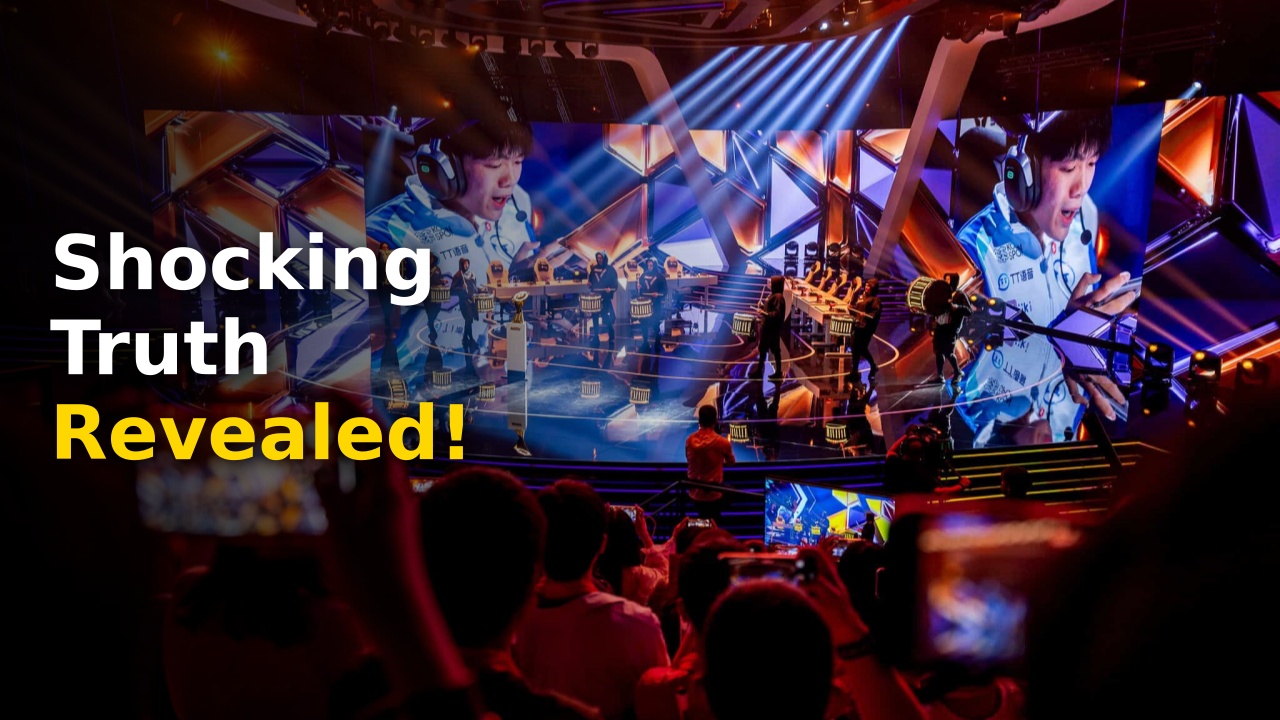
Mobile Esports is currently shattering every preconceived notion about what competitive gaming looks like in the 21st century. Why are you still tethered to a bulky desktop when the most lucrative tournaments in history are happening on a device that fits in your palm? The numbers don’t lie, and the sheer scale of this handheld revolution is enough to make even the most dedicated PC enthusiast question their loyalty.
While the West has traditionally viewed smartphones as tools for social media or casual puzzles, the rest of the world is treating them like high-performance sports cars. In China, Indonesia, and India, the stadium lights are already on, and the crowds are deafening. We are witnessing a fundamental shift in how humans interact with digital competition, and the shockwaves are finally reaching Western shores.
Understanding this movement requires looking past the screen and into the socioeconomic forces driving it. From hardware shortages to cultural commuting habits, the rise of Mobile Esports is not an accident. It is the result of a perfect storm where technology meets accessibility in a way that traditional consoles simply cannot match.
Global Mobile Esports Boom

The scale of recent events has left industry veterans stunned. In August 2026, the Honor of Kings domestic pro league in China set a Guinness World Record for a live video gaming competition. They didn’t just break the record; they smashed it with 62,000 fans in live attendance. This level of physical engagement is something Western PC titles struggle to achieve outside of their largest annual world championships.
Look at the viewership metrics for Mobile Legends: Bang Bang (MLBB). Their most recent world championship reached a staggering peak viewership of 5.6 million people. To put that in perspective, that is the second-highest peak for any single tournament in the history of the industry. Even more impressive is the language concentration, with 3.8 million people watching simultaneously in Indonesian.
While desktop PCs historically carried the water for competitive gaming, handheld devices are now outpacing them in East Asia. This is not just a trend; it is a total takeover of the entertainment landscape. The revenue split in China reflects this clearly, where mobile titles account for 73.3% of all domestic gaming income. Desktop and console markets are becoming secondary considerations in the world’s largest gaming territory.
The success of these titles is deeply tied to their accessibility and the low barrier to entry. Unlike a gaming PC that requires a GPU costing upwards of $1,000, a competitive-ready smartphone is often already in a user’s pocket. This democratization of play has allowed entire nations to bypass the traditional console era entirely. It has created a generation of gamers who have never used a mouse and keyboard to compete.
Sponsorship ecosystems are also evolving to match this lifestyle-focused audience. Instead of promoting cooling fans or mechanical keyboards, Mobile Esports attracts high-end electric vehicle brands like BYD. Lifestyle consumer brands are flooding the space, realizing that mobile players are a more representative cross-section of the general public. This allows for a more integrated marketing approach that feels less like niche tech and more like mainstream entertainment.
Even the way fans follow their favorite players is changing. You can see how the lifestyle of these professional mobile athletes mirrors traditional celebrity culture at brightcelebrity.com as they gain millions of followers. These pros are not just gamers; they are cultural icons with massive influence over the youth demographic. Their reach extends far beyond the game itself into fashion, music, and lifestyle branding.
Unprecedented Live Attendance
- 62,000 people attended the Honor of Kings finals in China.
- 5.6 million peak viewers tuned in for the MLBB world championship.
- 3.8 million people watched a single tournament in a single language (Indonesian).
- 139 million daily active users recorded on Chinese servers for Honor of Kings in late 2025.
Cultural Barriers and Commutes

The dominance of handheld gaming in the East is heavily influenced by physical infrastructure and daily routines. In countries like China and Indonesia, extraordinarily long commutes are a fact of life. When you spend 90 minutes on a subway or bus every morning, a mobile device is the only logical way to engage in competitive play. High-speed Wi-Fi is omnipresent in public transit, providing the necessary low latency for MOBA and shooter titles.
There is also the cultural phenomenon known as wu jiao, or the daily office nap ritual. Workers often take 30 to 60 minutes after lunch to rest, and many use this time to squeeze in a quick match with colleagues. This creates a social, grassroots gaming culture that doesn’t exist in the West’s rigid 9-to-5 structure. Gaming becomes a collaborative break rather than a solitary late-night activity at home.
In the West, the “gaming session” is often seen as a multi-hour commitment that requires a dedicated space and setup. However, in China, the culture is much more fluid and integrated into the workday. Shirley Lu, Head of Partnerships at Shikenso GmbH, notes that portability is the primary appeal. This allows players to remain competitive without sacrificing their professional or social lives, fitting gaming into the gaps of their schedule.
Another fascinating habit is the practice of “dual-wielding” smartphones. It is common to see players running an idle clicker game like AFK Arena on one device while actively competing in a high-stakes match on another. This multi-tasking approach to gaming shows a level of engagement that the West has yet to replicate. It treats gaming as a constant layer of digital life rather than a singular event.
Parental expectations also play a massive role in hardware choices. In many Asian households, owning a dedicated gaming console or PC is still frowned upon as a distraction from studies. However, a smartphone is seen as a necessary tool for education and communication, making it a “stealth” gaming platform. This allows youth to engage in Mobile Esports without the stigma often attached to gaming-specific hardware.
Finally, the lack of available PC parts in certain regions has forced a pivot toward mobile. Gaming GPUs are increasingly difficult to access in China due to political and economic factors. When you cannot buy the parts to build a high-end rig, you look for the best possible experience on the hardware you already own. This has turned Mobile Esports from an alternative into the primary competitive outlet for millions of people.
The Massive Memory Crisis
The global technology landscape is currently being rocked by a severe shortage of DRAM and NAND flash memory. This isn’t just a minor supply chain hiccup; it is an existential threat to the traditional PC and console markets. As AI datacenters consume massive amounts of memory, prices for consumer hardware are spiking, making high-end gaming rigs more expensive than ever before.
This economic pressure is actually working in favor of the mobile market. While budget smartphones are under threat, the mid-range and high-end models continue to evolve. This hardware gatekeeping could be the catalyst that finally pushes Western gamers toward Mobile Esports. If building a PC becomes financially impossible for the average teenager, they will inevitably look to their phone for a competitive outlet.
The memory crisis is also affecting game developers who must optimize their titles for more efficient hardware. Moonton, the developer of MLBB, has mastered the art of creating a “light MOBA” that runs on a wide range of devices. This technical balance is critical for mass adoption in emerging markets like Southeast Asia and Türkiye. It ensures that the player base isn’t limited to those with the most expensive flagship phones.
In contrast, some Western developers have struggled with this transition. Riot Games released Wild Rift, a mobile version of League of Legends, but it faced hurdles due to high hardware requirements. By locking out budget phone users, they effectively limited their own growth in the most important regions. This mistake highlights the importance of hardware accessibility in the global mobile market.
The impact of AI on the DRAM market cannot be overstated, as server-grade components take priority over consumer gaming gear. This shift is permanent, and it will continue to drive up the cost of traditional gaming for years to come. The industry is being forced to adapt to a mobile-first world whether it wants to or not. The financial barriers to entry for PC esports are becoming too high for a truly global, inclusive audience.
Publishers like Tencent have navigated this by creating optimized versions of popular titles. Their shooter Peacekeeper Elite is a masterclass in mobile optimization, maintaining high fidelity while running smoothly on various hardware tiers. This technical foresight has allowed them to capture nearly three-quarters of the Chinese market. It provides a blueprint for how Western developers must approach the mobile space if they want to survive the hardware crisis.
Asian Market Dominance Stats
To understand the sheer magnitude of this industry, one must look at the hard data coming out of the East. The following table illustrates the massive disparity in engagement and infrastructure between the primary mobile gaming regions. These figures highlight why the West is currently playing catch-up in a race that is already nearing its middle stages.
| Region | Primary Title | Peak Viewership | Market Dominance |
|---|---|---|---|
| China | Honor of Kings | N/A (Censored) | 73.3% Rev Share |
| Indonesia | MLBB | 5.6 Million | High Adoption |
| India | BGMI / Free Fire | 3 Million+ | Fastest Growth |
| SE Asia | PUBG Mobile | 1.2 Million | Mass Scale |
India is a particularly interesting case study, currently ranking as the fastest-growing games market in the world. For millions of Indian citizens, a smartphone is their first and only form of interactive entertainment. This creates a deep, emotional connection to Mobile Esports that isn’t shared by Western audiences who grew up with consoles in their living rooms.
Akshat Rathee of NODWIN Gaming argues that India is far more than just a “volume” market. While the sheer number of players is massive, the audience is also demanding higher production values and premium live events. They want to meet their favorite creators and participate in a professional ecosystem that mirrors traditional sports leagues.
This resilience is evident in how the Indian market has survived publisher exits, government bans, and regulatory shifts. Each time a major title like PUBG Mobile was restricted, the community simply shifted to BGMI or Free Fire. This adaptability shows that the hunger for mobile competition is ingrained in the culture and cannot be easily suppressed by external factors.
Mobile Esports Western Struggles
The West still suffers from a negative cultural stereotype that associates mobile gaming with low quality or “casual” play. When you think of a mobile game, titles like Candy Crush or Monopoly GO likely come to mind first. This mental block has prevented Mobile Esports from gaining the respect it deserves among hardcore PC and console enthusiasts who value raw processing power and mechanical precision.
PC gamers often spend hours customizing keyboard macros and adjusting mouse DPI to perfection. The idea of competing on a flat touchscreen feels like a step backward to many Western veterans. There is a tactile satisfaction in traditional hardware that mobile devices have yet to replicate, creating a psychological barrier to adoption. To these players, mobile feels like a compromise rather than a choice.
However, the younger demographic is beginning to see things differently. Gen Z and Gen Alpha are growing up with touchscreens as their primary interface for everything from social media to education. For them, the transition to Mobile Esports is natural and intuitive. They don’t carry the “PC Master Race” baggage of previous generations, making them the key to the industry’s Western expansion.
Publishers must also learn how to properly utilize in-game viewer incentives to boost engagement. In the East, rewards for hitting viewership milestones are common, turning every stream into a community event. If Western publishers want to see Mobile Esports thrive, they must lean into these rewards and focus on YouTube as the primary streaming platform for accessibility.
Another issue is the “custom DIY” mindset of Western PC enthusiasts. When an esports competition promotes a specific tournament PC, it is often viewed as a luxury item or a marketing gimmick. In China, having an official phone sponsor like iQOO is seen as a mark of quality and optimization. This difference in perception makes it harder to build a sustainable sponsorship model for mobile in the West.
The delay in major releases has also hurt the Western market. The mobile port of VALORANT has already crossed 100 million downloads in China, yet a Western release date remains a mystery. This hesitation from major publishers like Riot Games is essentially “self-immolating” their chances of capturing a massive, untapped audience. By the time they launch, the competition may already have a stranglehold on the market.
Key Hurdles to Western Adoption
- Negative cultural stereotypes regarding “casual” mobile titles.
- Lack of tactile feedback compared to mechanical keyboards.
- Inconsistent release schedules for major mobile ports (e.g., VALORANT Mobile).
- Strong competition from established PC/Console ecosystems.
Future of Handheld Gaming
As we look toward 2027 and beyond, the trajectory of Mobile Esports seems inevitable. The convergence of 5G technology, cloud gaming, and rising hardware costs is creating a world where mobile is the most logical choice for competition. This is not just about playing games on the go; it’s about a complete reimagining of the competitive landscape on a global scale.
The upcoming M8 World Championship in Türkiye will be a pivotal moment for the industry. By hosting a major tournament at the intersection of Europe, the Middle East, and Asia, Moonton is signaling their intent to expand into the West. This global touchpoint will serve as a lighthouse for players who are tired of the high costs and logistical hurdles of traditional PC esports.
We are entering an era where hardware gatekeeping will force a generational shift. When high-end PCs become luxury items reserved for the wealthy, the “grassroots” level of esports will move entirely to mobile. This will lead to a more diverse, global, and accessible competitive scene that isn’t limited by geography or income level. The playing field is finally being leveled, and it’s happening on a five-inch screen.
To stay ahead of the curve, you must recognize that Mobile Esports is not a fad but a fundamental evolution of the medium. The passion, the viewership, and the money are already there—the West is simply the final piece of the puzzle. Whether you are a casual fan or a professional hopeful, the future of gaming is in your pocket, and it’s time to start taking it seriously.
The cultural shift required is massive, but history shows that convenience almost always wins over complexity. Just as streaming replaced physical media, and smartphones replaced dedicated cameras, Mobile Esports will eventually stand alongside, if not above, traditional platforms. The final hurdle isn’t technological; it’s the willingness of the Western audience to let go of the past and embrace the portable future.
Ultimately, the success of Mobile Esports will be defined by its ability to foster community. From dorm room friends in Indonesia to office workers in Beijing, this platform brings people together in ways that bulky desktops never could. As Western players discover the social joy of high-stakes handheld play, the walls will continue to come down, and a new era of global competition will truly begin.
More Like This
For more updates, check out our latest entertainment and sports news.