
Key Takeaways
| NBC averaged 2.7 million viewers per game, marking the highest ratings for the slot since 2007. |
| Five separate primetime broadcasts surpassed the 3 million viewer threshold throughout the season. |
| The integration of Peacock and NBC’s linear signal effectively captured cord-cutting demographics. |
MLB Sunday Night Baseball has officially redefined the expectations for national broadcasts, with NBC’s inaugural season delivering performance metrics that left league executives stunned. If you have been following the shifting landscape of sports media, you know that transitioning a legacy timeslot to a new home is fraught with peril, yet NBC managed to turn this gamble into a massive victory for Major League Baseball.
By averaging 2.7 million viewers across 14 high-stakes primetime broadcasts, the network has officially breathed new life into the weekend staple. For the league, this growth represents more than just a ratings spike; it validates a bold strategy of prioritizing reach over traditional revenue models to cultivate the next generation of baseball fans.
MLB Sunday Night Baseball Performance Analysis
When the dust settled on the season finale between the Reds and Cubs, the total viewership figures confirmed what many industry insiders had been whispering: NBC had unlocked a winning formula. By leveraging its vast portfolio—ranging from the high-definition broadcast signal to the digital agility of the Peacock app—the network created a seamless viewing experience that catered to modern consumption habits.
This multi-platform approach was critical in reaching the elusive demographic of cord-cutters and cord-nevers. Unlike traditional broadcast deals that rely heavily on linear cable penetration, NBC utilized its digital infrastructure to ensure that fans could access the game regardless of their subscription status. This flexibility, combined with aggressive cross-promotion across NBC’s broader entertainment properties, helped normalize the new home for the Sunday night tradition.

The production quality also played a pivotal role in maintaining high dwell times for viewers. The introduction of the ‘Inside the Pitch’ format provided a level of tactical depth that resonated with hardcore enthusiasts while remaining accessible to casual observers. By humanizing the players and providing granular insights into the mechanics of the game, NBC successfully elevated the broadcast from a simple match-up to a premium sports experience.
You must consider the strategic genius of this transition. By keeping ESPN as an active partner while bringing NBC into the fold, the league effectively diversified its broadcast footprint. This move did not just satisfy the status quo; it forced an competitive evolution that benefited the consumer. For more on the changing landscape of professional sports broadcasting, check out ESPN’s analysis of the shifting sports media landscape.
Sunday Night Baseball Viewership Statistics
The numbers speak for themselves, reflecting a seismic shift in how fans engage with Major League Baseball. The following data highlights the most successful broadcasts of the season, showcasing the massive audience draw generated by marquee rivalries.
| Matchup | Viewership (Millions) |
|---|---|
| Yankees vs. Red Sox | 4.0 |
| Dodgers vs. Yankees | 3.9 |
| Season Average | 2.7 |
These figures represent the strongest performance for the Sunday night time slot since 2007. When compared to the final season of the previous rights holders, which averaged 1.8 million viewers, the 21% year-over-year jump illustrates a massive success for MLB Sunday Night Baseball and its new home.
The Strategic Pivot to Digital
In the world of high-stakes media rights, reaching the fan where they live is the ultimate objective. NBC’s strategy was not merely about broadcasting a game; it was about integrating baseball into the digital lifestyle of the 21st-century viewer. You can find detailed updates on these shifts at brightcelebrity.com, which tracks the intersection of entertainment and sports power players.
By utilizing Peacock, NBC transformed the broadcast into a portable experience. This allowed younger viewers, who are statistically less likely to possess traditional cable packages, to stream games via devices they already use. This accessibility was a cornerstone of the league’s growth strategy, ensuring that the sport remained relevant amidst a crowded media ecosystem.
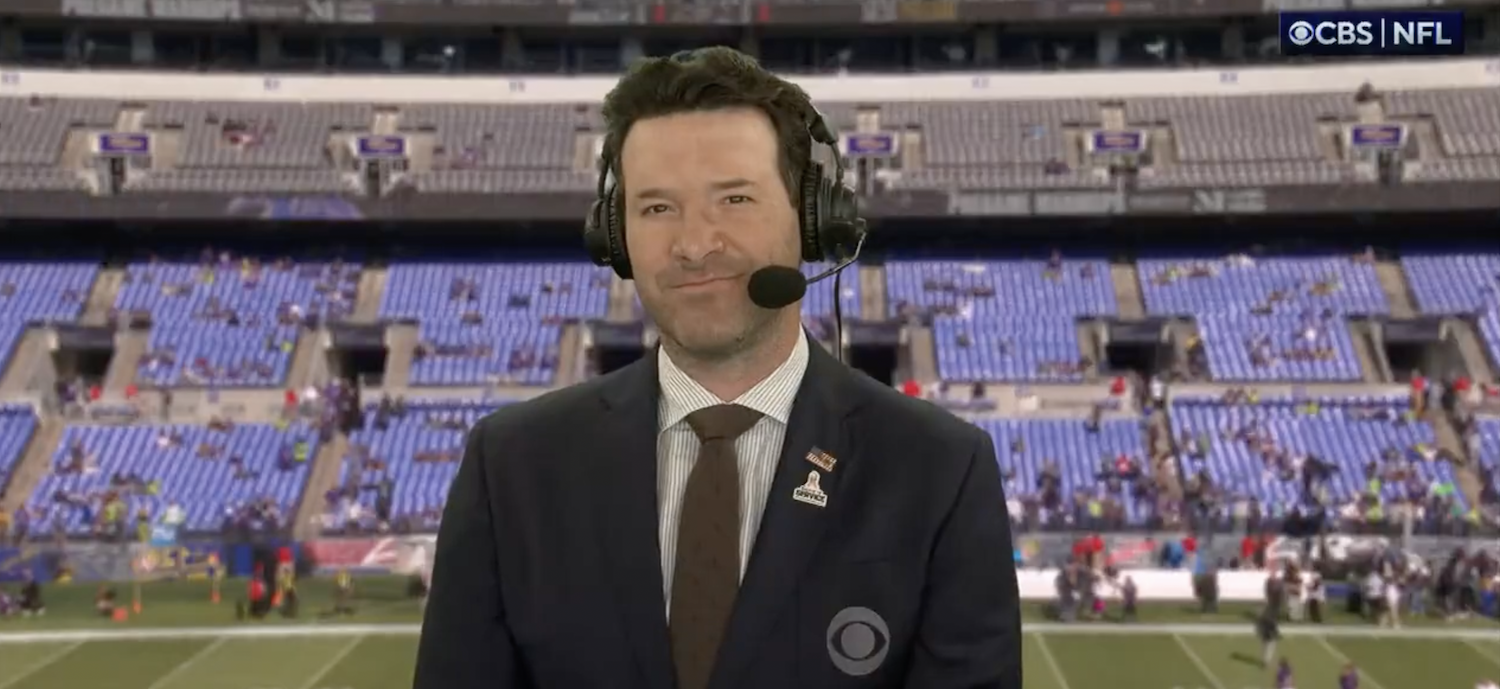
Furthermore, the ability to promote these broadcasts across the Olympics and other major NBC tentpole events meant that the game was constantly in the public eye. The synergy created between the broadcast and the network’s internal marketing engine was a masterclass in modern audience building. It transformed Sunday nights into a destination, rather than just another night for a game.
The league’s decision to prioritize reach over raw revenue was a calculated risk that appears to have paid off. By ensuring that games were seen by the maximum number of people, the league effectively protected its long-term brand equity. This philosophy, echoed by NBC Sports president Jon Miller, highlights a mature understanding of what it takes to thrive in an era where attention is the scarcest currency.
People Also Ask
What happened with the Sunday Night Baseball broadcast ratings this year?
NBC’s first season of the package averaged 2.7 million viewers, marking the highest numbers for the Sunday primetime slot since 2007.
Why is the new MLB broadcast deal considered a success?
The deal is seen as a success because it combined a wide broadcast reach with the flexibility of the Peacock streaming app, effectively capturing cord-cutters.
How did this compare to the previous broadcast partner?
The new NBC average of 2.7 million significantly outperformed the previous network, which averaged 1.8 million viewers during its final season.
Where can fans watch the Sunday games now?
Games are broadcast on NBC and streamed through the Peacock app, ensuring availability on both linear and digital platforms.
Final Thoughts on the Future
As we look toward the next season, the momentum built by MLB Sunday Night Baseball suggests a long and fruitful partnership for all involved. The league has succeeded in creating a high-performance environment where traditional values meet modern delivery methods. By prioritizing the viewer’s experience and leveraging the full breadth of NBC’s digital and linear capabilities, the sport has secured a dominant position in the weekly sports cycle.
If current trends hold, we can expect the league to further experiment with interactive broadcast features and even greater digital integration. The success of this debut season proves that when a league is willing to adapt its broadcast model to match the habits of the modern fan, the results can be transformative for the entire sport of baseball. Keep an eye on brightcelebrity.com for upcoming analysis on how these broadcast shifts will influence future player contracts and team valuations.
More Like This
For more updates, check out our latest entertainment and sports news.