Key Takeaways
| Radio Meltdown: Mike Felger has officially boycotted the Green Bay Packers following their disastrous Week 1 collapse against the Minnesota Vikings in 2026. |
| Wisconsin Blame: Felger strongly criticized Wisconsin sports culture, calling local fans ‘dummies’ who are too soft on underperforming leadership. |
| Coaching Critique: The veteran host targeted head coach Matt LaFleur, calling him an ‘asshat’ and a ‘complete clown’ after a 22-0 fourth-quarter collapse. |
| Media Contrast: The incident highlights the cultural divide between New England’s high-pressure media expectations and Green Bay’s patient ‘Happy Land’ fanbase. |
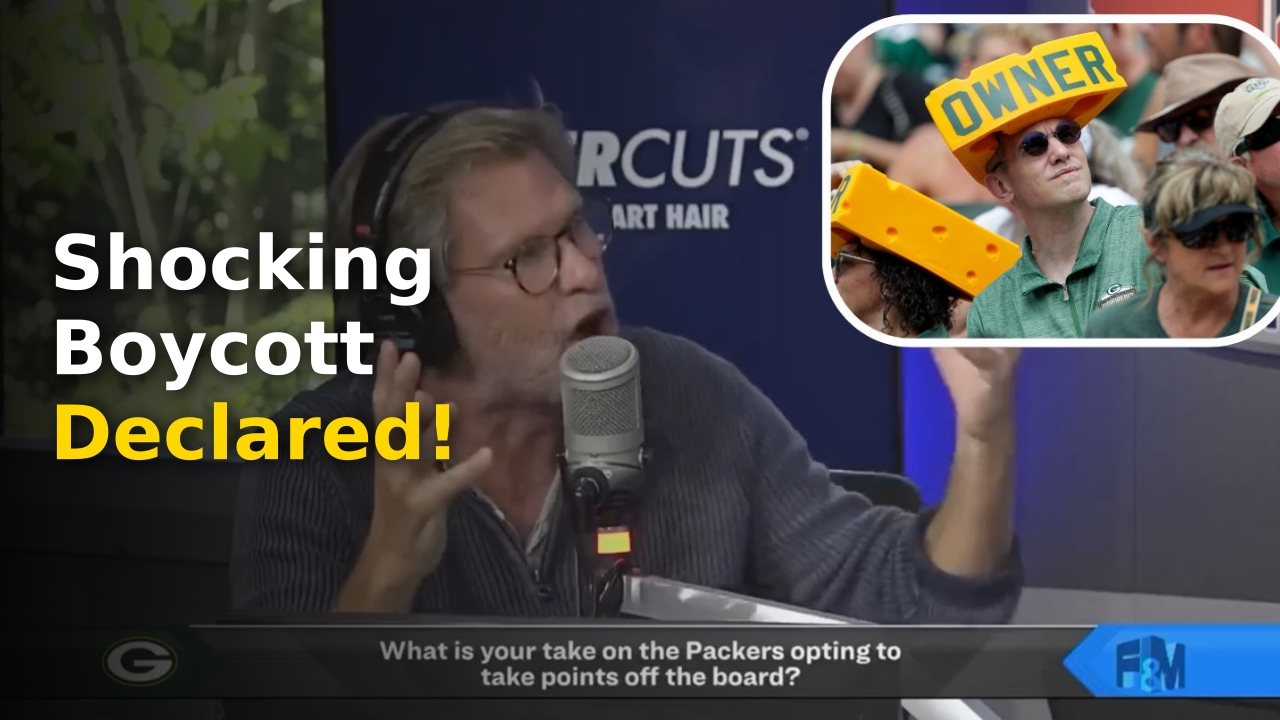
You might think a lifelong sports fan would never turn their back on their childhood team, but Boston radio icon Mike Felger has just shattered that assumption in spectacular fashion. The historic Mike Felger Packers Boycott has officially commenced, sending shockwaves through the sports media landscape after a devastating Week 1 collapse. Following the Green Bay Packers’ brutal defeat against the Minnesota Vikings, where they surrendered a 22-0 lead in the fourth quarter, Felger declared his absolute divorce from his beloved childhood team.
As a seasoned veteran of the airwaves, Felger has built a career on delivering hard-hitting, controversial opinions without filtering his thoughts. However, his latest declaration goes far beyond typical post-game frustration, targeting not just the team’s coaching staff but the entire population of his home state. This unprecedented stance has ignited a passionate debate across the NFL community regarding the relationship between high-profile media personalities, regional fan expectations, and franchise accountability.
By examining the roots of this controversy, we can uncover a deeper story about the evolving dynamics of modern sports media. The intersection of fan loyalty, localized journalism, and commercial entertainment has never been more volatile. This comprehensive analysis dives into the background of the Mike Felger Packers Boycott, the coaching failures that prompted it, and the cultural chasm between East Coast sports media and Midwestern fan loyalty.
The Origin of the Mike Felger Packers Boycott
The roots of the Mike Felger Packers Boycott lie in a deep-seated frustration with Green Bay’s systemic football operations. Born and raised in Milwaukee, Wisconsin, Felger grew up during the lean years of the 1970s and 1980s before witnessing the legendary resurgence of the franchise under Brett Favre and Aaron Rodgers. For decades, he remained a loyal, self-described ‘ride or die’ fan, carrying his Midwestern allegiance into the heart of New England’s competitive media market. This long-standing connection makes his sudden, public abandonment of the franchise all the more shocking to his listeners.
On September 14, 2026, the breaking point arrived during the Packers’ regular-season opener. Watching his team capitulate in the fourth quarter, giving up 22 unanswered points to their divisional rivals, Felger experienced an existential shift in his fan identity. He realized that the emotional energy he invested in the team was no longer yielding any psychological return. The resulting broadcast on 98.5 The Sports Hub became an instant viral sensation as he systematically dismantled the organization’s current direction.
Rather than merely criticizing a bad game, Felger chose to walk away from his childhood team entirely. He declared that he would no longer spend his autumn Sundays stressing over a franchise that does not hold itself to elite standards. Instead, he promised to fill his weekends with golf and neutral NFL broadcasts, choosing personal peace over the perpetual cycle of Green Bay’s late-game collapses. This dramatic shift highlights how even the most dedicated fans can reach a point of complete exhaustion when organizational standards begin to slip.
The announcement immediately created a massive divide among his loyal audience on modern media controversies. Some listeners praised him for his brutal honesty, agreeing that sports fandom should not be an endless exercise in frustration. Others viewed the boycott as a calculated radio stunt designed to drive afternoon ratings during a highly competitive fall market. Regardless of the underlying motivations, the decision has cemented itself as one of the most talked-about sports media events of the year.
To understand the depth of this boycott, one must look at the unique position Felger occupies in the industry. As the co-host of the dominant Felger & Mazz afternoon drive show, his voice carries immense weight across New England and the broader sports landscape. By utilizing his massive platform to launch the Mike Felger Packers Boycott, he has turned a personal grievance into a national talking point. His actions highlight how modern sports talk hosts can shape public perception and hold distant franchises accountable from afar.
The Breaking Point in the Twin Cities
The catalytic event for this dramatic declaration occurred at U.S. Bank Stadium, where the Packers put on a masterclass in late-game mismanagement. Leading comfortably heading into the final frame, the team suffered a complete operational breakdown in all three phases of the game. Special teams errors, defensive lapses, and highly questionable offensive play-calling allowed the Minnesota Vikings to storm back with 22 unanswered points. For Felger, this was not an isolated incident but the continuation of a worrying trend that has plagued the team for years.
Watching the collapse unfold, Felger noted that the team looked entirely unprepared for the high-pressure situation. The lack of in-game adjustments and the visible panic on the sidelines were indicative of a deeper cultural issue within the coaching staff. This specific loss served as the ultimate proof that the current leadership group lacks the strategic acumen required to compete at the highest level. It was the final straw that transformed a frustrated fan into an active boycotter, setting the stage for his subsequent on-air explosion.
Inside the Legendary Radio Meltdown on 98.5 The Sports Hub
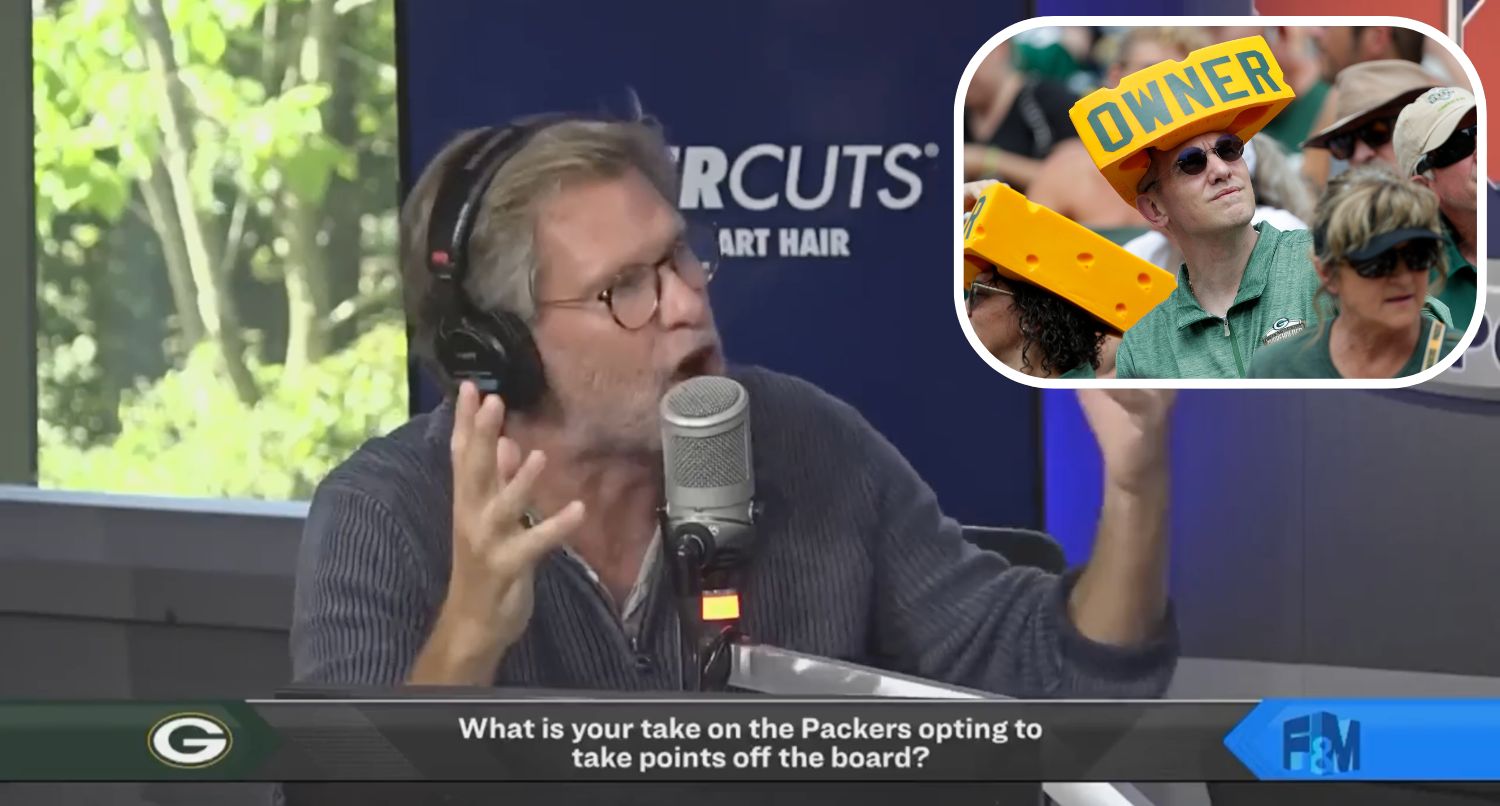
The Monday afternoon broadcast following the loss will go down in New England sports radio history as a masterclass in athletic vitriol. Sitting alongside his longtime co-host Tony Massarotti, Felger wasted no time in addressing the elephant in the room. He did not offer the standard sports radio clichés about ‘cleaning up mistakes’ or ‘looking forward to next week.’ Instead, he launched a scorched-earth campaign against the Packers organization, starting with his own status as a fan.
“I’m not really going to watch them this year,” Felger insisted, his voice rising with genuine exasperation. “I’m done. I’m walking away from the Packers. Watching that team since I was a little boy, every week, ride or die, good times or bad, I swear to God, I’m gonna check out this year.” This statement marked the official launch of the Mike Felger Packers Boycott, signaling a permanent departure from his lifelong sports identity. The conviction in his voice left little doubt that he had reached a point of no return.
Felger’s co-hosts and producers attempted to challenge his declaration, suggesting that a single win would inevitably lure him back. However, the veteran host remained steadfast, arguing that his time was far too valuable to waste on a poorly coached football team. He emphasized that his decision was not about the players’ effort, but about the systemic lack of intelligence at the organizational level. This distinction is crucial, as it shifts the blame from the athletes on the field to the executives and coaches in the front office.
As the segment progressed, the host’s anger shifted from the team’s performance to the reaction of the local fanbase. He expressed immense frustration with the general attitude of people living in Wisconsin, who he believes are far too forgiving of mediocre results. This regional critique became the most controversial aspect of the broadcast, sparking a heated online debate between East Coast media figures and Midwestern sports traditionalists. The fallout from these comments continues to reverberate across various social media platforms.
The sheer theatricality of the segment helped it achieve massive viral reach, illustrating the power of raw, authentic emotion in modern media. In an era dominated by carefully manicured public relations statements, Felger’s unvarnished rage stood out as a beacon of genuine fan frustration. By refusing to play the role of the loyal, unquestioning supporter, he provided a voice for countless fans who feel alienated by the corporate nature of professional sports.
The Role of Tony Massarotti and the Radio Dynamic
A key element of the broadcast’s success was the classic counter-balance provided by Tony Massarotti. While Felger raged against his home state, Massarotti acted as the voice of reason, questioning the feasibility of a lifelong fan truly walking away. This dynamic is what has made their show on elite sports personalities the top-rated afternoon program in Boston for over a decade. Massarotti’s skepticism forced Felger to dig deeper into his arguments, articulating his frustration with greater precision.
This back-and-forth highlight the unique nature of Boston sports radio, where hosts are expected to hold strong, often extreme opinions. The market demands a level of critical analysis that is virtually non-existent in smaller, more protective sports regions. By applying this aggressive New England standard to a Midwestern franchise, Felger created a fascinating cultural clash that exposed the vastly different expectations of these two passionate sporting regions.
Analyzing the Matt LaFleur Coaching Debate
At the absolute center of Felger’s anger is Green Bay head coach Matt LaFleur, who has guided the team since 2019. Despite possessing one of the highest regular-season winning percentages in NFL history, LaFleur has consistently drawn criticism for his postseason failures and questionable in-game decisions. For Felger, the Week 1 collapse was simply the latest entry in a long line of coaching blunders that define the LaFleur era. He did not mince words, calling the head coach an “asshat” and a “complete clown” who has “no effing clue what to do inside of a game.”
This harsh assessment is shared by a growing segment of the national media, who point to LaFleur’s struggle to win high-stakes games without the magical play of future Hall of Fame quarterbacks. While LaFleur has benefited from coaching both Aaron Rodgers and Jordan Love, his critics argue that his scheme often falters when facing elite defensive coordinators. According to Matt LaFleur’s coaching career records, his teams have frequently struggled with consistency, particularly in the fourth quarter of crucial matchups.
The controversy surrounding LaFleur’s coaching ability is further complicated by his recent contract extension. Felger pointed to this financial commitment as the ultimate proof of the franchise’s complacency. In his view, rewarding a coach who has repeatedly failed to deliver in critical moments sends the wrong message to the entire organization. It suggests that regular-season success is sufficient, regardless of how the team performs when the season is on the line.
To evaluate these claims fairly, we must look at the empirical data surrounding LaFleur’s tenure in Green Bay. While his regular-season record is undeniably impressive, his playoff performance paints a vastly different picture. The team has consistently struggled to adjust to physical, defensive-minded opponents in the postseason, leading to early exits that have frustrated the fanbase. This statistical disparity lies at the very heart of the coaching debate.
The table below provides a detailed breakdown of the coaching metrics that have fueled this intense media debate. By comparing LaFleur’s performance against his historic predecessors, we can gain a clearer understanding of why critics like Felger have reached their breaking point.
| Green Bay Coach | Regular Season Win % | Playoff Record | Super Bowl Appearances | Media Pressure Level |
|---|---|---|---|---|
| Vince Lombardi | .738 | 9-1 | 5 (NFL/Super Bowl) | Low (Historical Era) |
| Mike Holmgren | .670 | 9-5 | 2 | Medium (90s Growth) |
| Mike McCarthy | .618 | 10-8 | 1 | High (Aaron Rodgers Era) |
| Matt LaFleur | .675 | 3-4 | 0 | Critical (Post-Rodgers 2026) |
The Failure of In-Game Adjustments
One of the most damning indictments of LaFleur’s coaching is his apparent inability to make real-time adjustments during games. In the modern NFL, defensive coordinators are highly skilled at identifying an offensive game plan and implementing counter-measures at halftime. Elite head coaches must be able to anticipate these changes and adjust their strategies accordingly. Too often, LaFleur’s offense has appeared to run out of ideas when the initial game plan is neutralized.
This lack of tactical flexibility was on full display during the catastrophic fourth quarter against the Vikings. As Minnesota’s defense began to bring heavier pressure, the Packers’ offense failed to utilize quick-release passes or screen plays to neutralize the rush. This inability to adapt not only cost them the game but also served as the primary catalyst for the Mike Felger Packers Boycott. For critics, it is proof positive that LaFleur’s impressive win percentage is more a reflection of quarterback talent than coaching genius.
Wisconsin Sports Culture vs Boston Media Standards
The most controversial aspect of Felger’s rant was his direct attack on the people of Wisconsin. He openly labeled local fans as “dummies” and “not discerning enough,” claiming they simply accept whatever the organization gives them without demanding better results. This critique exposes a fascinating cultural divide between the hyper-critical, championship-or-bust mentality of New England and the community-focused, loyal-to-a-fault culture of the Midwest.
In Boston, sports media figures and fans operate in a state of constant urgency, where even legendary figures are subjected to intense daily scrutiny. If a coach underperforms, the media demands answers, and the fan base quickly turns up the heat. Felger argued that if Matt LaFleur were coaching in a market like New England, “he’d never make it.” The pressure would be too intense, and the local media would have run him out of town long before he could secure a lucrative contract extension.
Conversely, Green Bay represents a unique sports market, often referred to by Felger as “Happy Land.” Because the team is community-owned and deeply woven into the social fabric of the state, local fans tend to view the organization with a sense of protective pride. They are often willing to overlook coaching deficiencies in exchange for a positive game-day experience and a sense of shared community. For Felger, this gentle approach is a fatal flaw that prevents the team from reaching its full potential.
This cultural clash raises important questions about the nature of sports fandom. Is it better to be a demanding, cynical fan who prioritizes championships above all else, or a loyal, optimistic supporter who values community and tradition? There is no simple answer, but the tension between these two philosophies is what makes the Mike Felger Packers Boycott such a compelling cultural case study. It forces us to examine our own motivations as sports fans and the standards to which we hold our local teams.
The backlash to Felger’s comments from Wisconsin residents was swift and fierce. Local radio hosts and fans defended their sports culture, arguing that loyalty through difficult times is a virtue, not a sign of stupidity. They pointed to the franchise’s historic success as proof that their patient, community-focused model actually works over the long term. This defense highlight the deep pride that Midwesterners take in their unique relationship with the Green Bay Packers.
The Psychological Impact of the ‘Happy Land’ Mentality
To understand Felger’s frustration, one must look at the psychological concept of fan complacency. In smaller, highly insular sports markets, the desire to maintain positive relations with the franchise can lead to a form of self-censorship among local media and fans. Crucial criticisms are often muted in favor of maintaining a unified, supportive front. This environment can create a lack of accountability, allowing coaching and front-office errors to persist unchallenged for years.
Felger’s critique suggests that this protective bubble ultimately harms the team’s championship prospects. Without the pressure of a demanding fanbase and an aggressive local press corps, leadership has little incentive to take the bold risks necessary to achieve greatness. By contrast, the relentless pressure of a major metropolitan market forces organizations to constantly innovate and adapt. This fundamental difference in environment is what Felger believes separates true championship organizations from those that are merely content with regular-season success.
The Broader Implications for Sports Media in 2026
The Mike Felger Packers Boycott is more than just a local radio controversy; it represents a significant shift in how media personalities engage with professional sports. Traditionally, journalists and broadcasters were expected to maintain a degree of objective distance, reporting on teams without becoming part of the story. However, in the modern media landscape, the boundary between reporter and fan has become increasingly blurred, with audiences craving authentic, emotional connections with their favorite hosts.
By publicly declaring his boycott, Felger has transformed himself from a passive observer into an active participant in the team’s narrative. This approach aligns with the broader trends seen in national outlets like ESPN’s official NFL coverage, where high-profile analysts are encouraged to bring their personal biases and emotions to the screen. This shift toward highly personalized, opinion-driven content has redefined the role of the modern sports journalist, turning them into cultural influencers who can swing public opinion with a single viral segment.
Furthermore, this incident highlights the growing influence of regional sports networks and digital platforms in shaping national sports conversations. A segment that aired on a local Boston radio station quickly became a national news story, demonstrating how localized content can easily transcend its original market. In the digital age, a compelling narrative can travel around the world in a matter of minutes, turning a local media dispute into a global talking point.
Ultimately, the success of Felger’s boycott will be measured by its longevity and its impact on his audience. If he holds true to his promise and refuses to watch the team, he will have demonstrated a level of personal conviction that is rare in modern sports media. If, however, he returns to the fold after a few convincing victories, critics will dismiss the entire episode as a cynical ratings grab. Regardless of the outcome, the debate he has ignited will continue to shape the way we think about sports media and fan loyalty for years to come.
As the 2026 NFL season progresses, all eyes will be on both the Green Bay Packers and the airwaves of 98.5 The Sports Hub. Whether the team can overcome its coaching challenges and win back its most famous detractor remains to be seen. What is certain, however, is that the cultural conversation sparked by this controversy has forever altered the relationship between Green Bay and its most critical native son.
People Also Ask
Why did Mike Felger boycott the Packers?
Mike Felger initiated his boycott following the Green Bay Packers’ Week 1 loss in 2026, where they collapsed in the fourth quarter against the Minnesota Vikings. He cited poor coaching by Matt LaFleur and a lack of organizational accountability as his primary reasons.
What did Mike Felger say about Wisconsin fans?
Felger called the people of Wisconsin ‘dummies’ and claimed they are too soft on team leadership. He argued that their willingness to accept mediocrity and celebrate contract extensions without demanding better results is holding the franchise back.
How has Matt LaFleur responded to the criticism?
While Matt LaFleur has not addressed Mike Felger directly, he has acknowledged that the team’s fourth-quarter performance was unacceptable. He emphasized the need for better execution and coaching adjustments moving forward in the 2026 season.
Is the Mike Felger Packers Boycott permanent?
Felger claimed on air that he is completely done watching the Packers for the entirety of the 2026 season. However, many colleagues and listeners believe he may return if the team puts together a dominant winning streak later in the year.
The Future of the Mike Felger Packers Boycott
In the final analysis, the Mike Felger Packers Boycott serves as a powerful reminder of the delicate balance between fan passion and organizational accountability. When a franchise consistently fails to meet elite standards, even its most loyal supporters can reach a breaking point. Felger’s dramatic declaration has not only redefined his own relationship with the team but has also challenged the broader sports community to rethink what it means to be a truly dedicated fan.
As we look to the future of trending sports entertainment news, this controversy will undoubtedly remain a central talking point throughout the 2026 NFL campaign. Whether Matt LaFleur can quiet his critics with a championship run, or if Felger will spend his autumns permanently on the golf course, remains one of the season’s most intriguing subplots. One thing is clear: the dialogue surrounding fan loyalty, media pressure, and coaching standards has been changed forever by one man’s refusal to accept mediocrity.
More Like This
For more updates, check out our latest entertainment and sports news.