Key Takeaways
| New documentaries prioritize lived experiences over traditional geopolitical reporting. |
| Archival tapes serve as the primary narrative device for both Edward Said and Iranian personal histories. |
| Documentary subjects are reclaiming narratives often suppressed by digital censorship and shadow bans. |
| Personal grief and family memory act as microcosms for larger state-level political shifts. |
Middle Eastern voices documentaries are fundamentally reshaping how global audiences perceive the intersections of history, exile, and political upheaval in 2024. By moving beyond the sterile talking heads of cable news, these two recent films offer an intimate, visceral look at lives shaped by conflict. You are invited to witness a version of history that is rarely preserved in textbooks but remains etched in the audio archives of those who lived it.
As these filmmakers weave personal loss with political critique, the narrative of the region shifts from an abstract geopolitical puzzle to a deeply human drama. By centering these perspectives, the films bridge the gap between yesterday’s trauma and today’s headlines, forcing viewers to confront the repeating cycles of history. This shift in medium marks a significant evolution in documentary storytelling for the modern era.
The evolution of Middle Eastern voices documentaries

The documentary form has long struggled with representing the complexity of the Middle East, often defaulting to Western-centric framing. However, the recent emergence of projects focused on Edward Said and the personal archives of Iranian filmmakers signals a bold transition. These films do not just report on events; they demand that the audience listen to the specific frequencies of the past.
At the center of this movement is a dedication to the primary source. By utilizing tapes, letters, and home movies, directors are circumventing the traditional gatekeepers of media. This grassroots approach to archives ensures that personal memories—an aunt helping refugees after the Nakba or a student’s final voice note before arrest—remain the focal point of the historical record.
You will find that this methodology effectively combats the intentional erasure of stories that occur in mainstream outlets. When institutional voices fail to acknowledge the human cost of regional conflicts, these documentaries serve as a digital archive of resilience. They force a level of accountability that is missing from the 24-hour news cycle.
The power of audio archives
Audio is inherently more intimate than image. Hearing the exhaustion in Edward Said’s voice as he justifies his community’s existence on talk shows provides a gravity that mere news headlines cannot match. It connects the viewer to the man behind the intellectual giant, revealing a life of intellectual rigor tempered by personal heartbreak and grief.
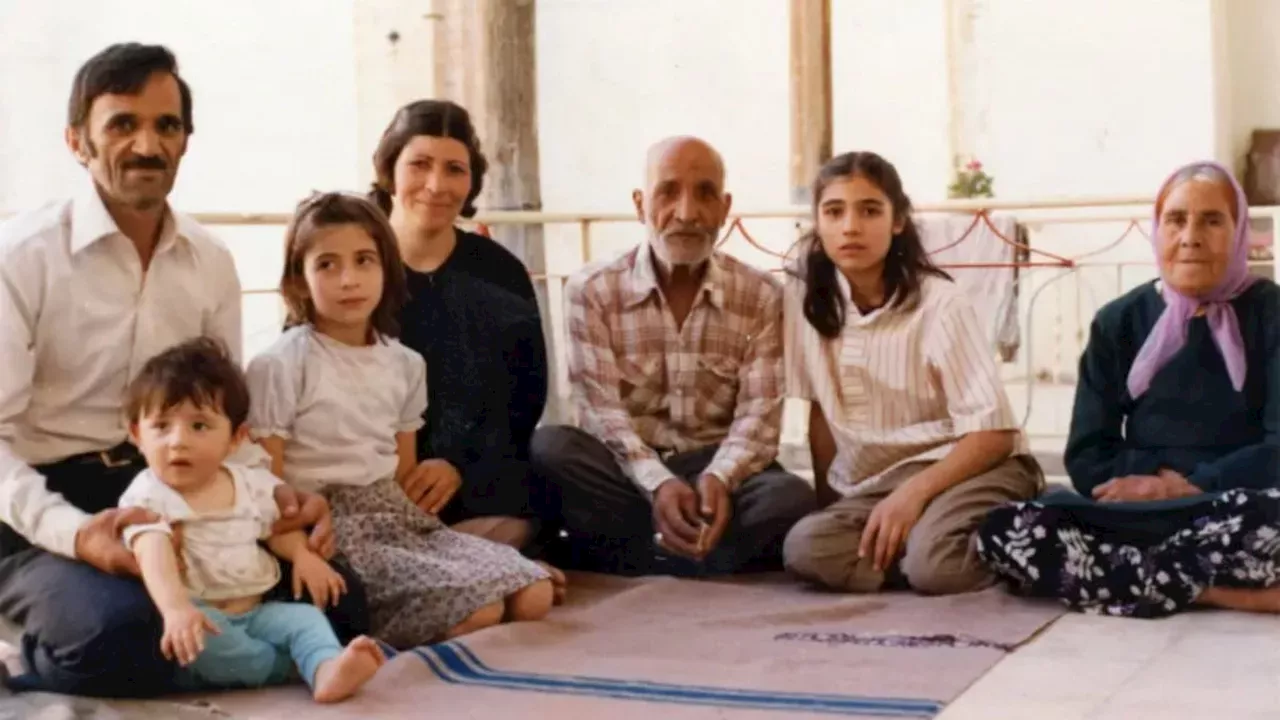
Similarly, the discovery of old tape recorders in Iranian households adds a layer of raw authenticity. These tapes capture energy, youthful idealism, and the crushing weight of later repression. The juxtaposition of these sounds with modern footage of protest creates a jarring, powerful emotional resonance that makes these films essential viewing.
Comparative analysis of historical narratives
| Documentary Feature | Focus Area | Primary Archive Type |
|---|---|---|
| Edward Said: Between Worlds | Palestinian Diasporic Identity | Television/Radio Interviews |
| Ahangarani Project | Post-Revolutionary Iran | Personal Tapes/Photos |
The data presented in these films suggests a clear trend: individual memory is the most effective tool for counter-narrative building. Whether documenting the Palestinian Nakba or the shifting political landscapes of Iran, these filmmakers understand that the “ground-level view” is the only way to avoid the sanitized versions of history. By documenting these lives, they create a permanent record of existence against erasure.
Furthermore, these works challenge the digital repression often found on social platforms. When algorithms suppress certain keywords regarding these regions, these documentaries function as offline-ready repositories of truth. They are immune to the shadow bans that plague contemporary digital discourse, ensuring that stories reach an audience that might otherwise never be exposed to them.
The expert perspective on archival storytelling

Experts in media and cultural studies argue that we are currently witnessing a golden age of personal documentary. The ability for filmmakers to curate their own archives provides a “competitive moat” against state-sponsored or corporate-media versions of history. When you look at the survival of Rashid’s voice notes in the Iranian documentary, you see an act of defiance against the destruction of evidence.
By the numbers, the impact of these personal stories is undeniable. Studies on narrative empathy show that personal anecdotes are more effective at driving engagement and understanding than abstract political data. These films leverage this psychological reality, turning the viewer from a spectator into an witness. For more information on historical documentation trends, visit media analysis archives to see how we track these cultural shifts.
This approach isn’t just about preserving the past; it’s about defining the future. By reclaiming these stories, the filmmakers are creating a foundation for future generations to understand their heritage without the distorting lens of colonial or authoritarian agendas. It is a necessary disruption of the status quo.
People Also Ask
Why are Middle Eastern voices documentaries trending in 2024?
These documentaries are trending because they provide crucial context for ongoing regional conflicts, offering human-centric stories that mainstream media often ignores or suppresses.
What is the historical significance of Edward Said’s archival tapes?
Edward Said’s tapes humanize a monumental academic figure, showcasing his personal struggles with grief, exile, and the constant battle against anti-Arabic prejudice.
How do Iranian documentaries bypass digital repression?
By using long-form cinematic storytelling rather than social media, these films avoid algorithm-based shadow bans and reach audiences through traditional, less-censored channels.
What can these films teach us about the Nakba?
They offer localized, ground-level views through the experiences of individuals, making the historical event personal rather than just a statistic.
Refining the historical perspective
As the cultural landscape continues to evolve, the importance of Middle Eastern voices documentaries cannot be overstated. By centering the human experience, these filmmakers do more than just entertain; they educate, challenge, and memorialize. You are seeing a shift where personal memory is rightfully taking its place alongside official history.
The resonance of these stories persists long after the credits roll. They encourage us to look at the news through a lens of empathy rather than cynicism. For more updates on how independent media is changing, check out the latest entertainment reports from our team. As we look ahead, it is clear that these voices will continue to demand, and earn, their place in the global conversation.
More Like This
For more updates, check out our latest entertainment and sports news.