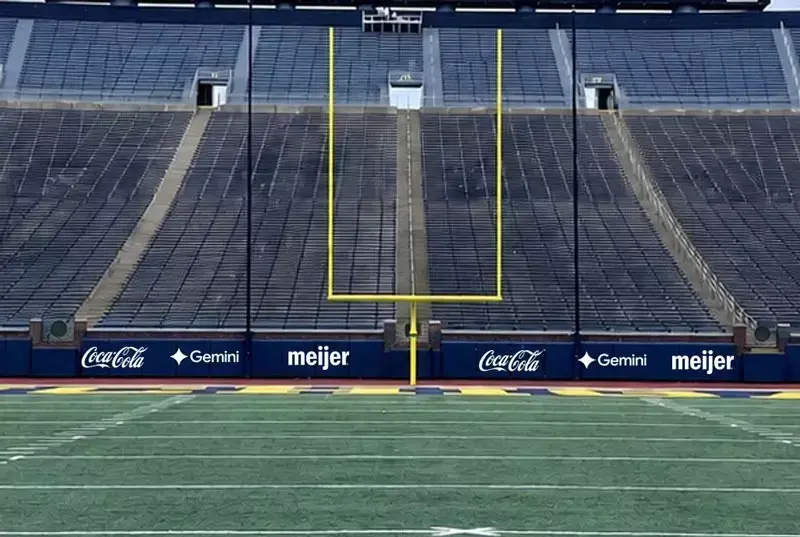
Have you ever stood inside the legendary Michigan Stadium and felt the weight of over a century of pure, unadulterated sports history? For decades, this massive venue remained a sacred sanctuary, relatively free from the aggressive corporate advertising that dominates modern professional sports. That classic, sponsor-free era has officially come to an end as commercial billboards prepare to make their historic, high-profile debut.
The sudden decision to integrate corporate branding has sparked intense debates among die-hard fans, sports analysts, and alumni. Many purists feel this move compromises the traditional aesthetic of one of college football’s most treasured locations. Others view it as an inevitable step forward to keep the athletic program competitive in a hyper-monetized collegiate landscape.
This historic transition at Michigan Stadium marks a monumental shift in how collegiate athletic departments balance tradition with modern financial survival. As the athletic department moves forward with these visual upgrades, the surrounding community is left questioning the ultimate cost of progress. Let us look closely at what these changes mean for the future of the game.
Michigan Stadium Commercial Shift
The choice to bring commercial signage into the legendary arena was not made overnight by university officials. Athletic directors and administrative boards spent months analyzing how to execute this deal without ruining the classic aesthetic of the stadium. The pressure to generate new revenue streams in modern college sports has never been higher, forcing traditional schools to rethink their strict non-commercial policies.
By introducing these advertisements, the administration aims to secure the athletic department’s financial future while keeping ticket prices relatively stable for students. Finding the perfect balance between corporate presence and historical preservation inside the walls of Michigan Stadium during games is a delicate tightrope walk. Officials insist every logo will be integrated with the utmost care, avoiding flashy or distracting neon boards that clash with the team’s historic colors.
The legendary status of the venue has always been its clean, open-bowl design, which separates it from professional arenas. Fans have long appreciated the lack of commercial distraction, which allowed them to focus purely on the grit and passion of the game. This sudden shift represents a modern era where even the most sacred grounds of college sports must adapt to economic realities.
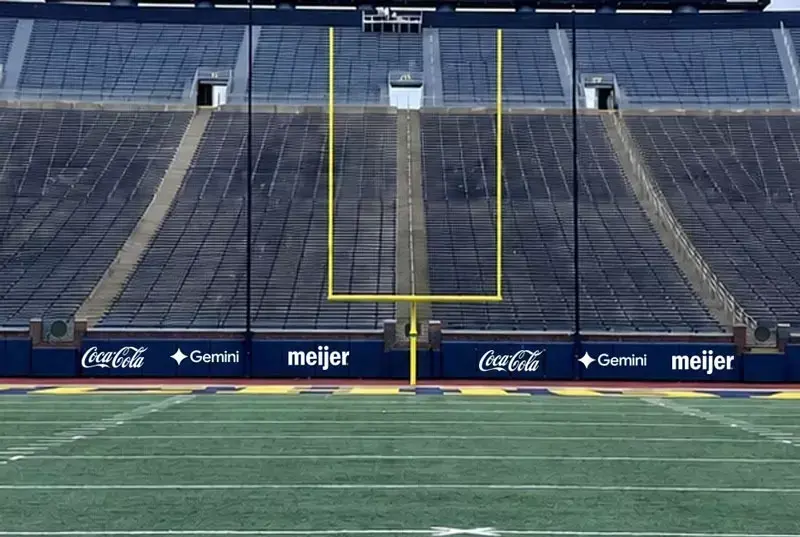
Critics argue that once you open the floodgates to corporate sponsors, there is no going back for the university. They fear the stadium will eventually resemble a professional arena, completely covered in digital billboards and corporate logos. However, proponents argue that the revenue model of Michigan Stadium for the coming decade must evolve to support all athletic programs, not just football.
Athletic programs across the nation are watching this transition with intense curiosity, looking to see how the fanbase reacts. If the integration succeeds without a massive public backlash, other traditional powerhouse schools are guaranteed to follow suit. The pressure to fund expensive facility upgrades and support student-athlete initiatives is simply too great to ignore.
Ultimately, the decision represents a pragmatic approach to the rapidly changing world of collegiate athletics. While some will always mourn the loss of a commercial-free sanctuary, others look forward to the technological upgrades that this funding will provide. The evolution of sports entertainment is moving faster than ever, and tradition must find a way to coexist with modern business.
The Massive Corporate Partners
The athletic department did not just partner with any random businesses for this historic venture. They carefully selected global brands with deep ties to the region and massive national reach to ensure the partnerships felt organic. These multi-million dollar deals represent some of the most lucrative corporate integrations in the history of collegiate sports.
The primary brands selected to share this historic spotlight include local favorites and international tech giants alike. Each partner will receive prime placement on the front and back of the massive new video scoreboards. This ensures their logos are visible to over 100,000 fans in attendance and millions watching at home.
The integration of modern tech brands highlights how college sports marketing has evolved beyond traditional soda and grocery companies. By bringing in digital pioneers, the university aims to position itself at the absolute forefront of modern fan engagement. These strategic alliances are designed to last for years, creating a deeply integrated commercial ecosystem.
Key Partnership Details
- Coca-Cola: The global beverage giant extends its historic presence with prominent, clean logo placements across the venue.
- Meijer: The beloved Midwestern retail chain brings local familiarity, ensuring the corporate presence retains a regional connection.
- Google Gemini: The cutting-edge artificial intelligence platform marks a bold step into the future of high-tech stadium branding.
The inclusion of an AI-driven brand like Google Gemini is a massive talking point for industry insiders. It signals a shift toward tech-centric sponsorships that look to capture a younger, digitally native demographic. This unique blend of traditional retail and futuristic technology creates a very diverse corporate presence inside the arena.
Some marketing experts believe these specific partnerships will actually enhance the overall fan experience by funding state-of-the-art stadium technology. The cash influx will immediately go toward updating the massive video screens and improving the venue’s overall sound system. This ensures that the physical experience of attending a game remains unparalleled.
If you love keeping up with the latest trends, check out the most exciting updates on entertainment culture and sports trends today. Keeping an eye on how these massive brands interact with traditional institutions is truly fascinating. As college sports continue to merge with corporate America, the boundaries of marketing will continue to expand.
Modern Financial Impacts Explored
The financial reality of modern collegiate athletics requires massive, consistent streams of capital to remain competitive on a national scale. With player compensation models and facility maintenance costs skyrocketing, athletic departments must look under every stone for revenue. The decision to commercialize the arena is expected to generate millions of dollars in annual revenue.
Preserving the legacy of Michigan Stadium is an expensive endeavor that requires constant structural updates and technological modernizations. Without these lucrative corporate deals, the university would likely have to raise student ticket prices or cut funding for non-revenue sports. The athletic department is determined to maintain its high standards of excellence across all sports programs.
This funding will also help support the university’s ongoing commitment to sustainable energy and stadium infrastructure improvements. From advanced waste management systems to energy-efficient lighting, the corporate capital will be put to immediate practical use. The goal is to create a modern, green stadium that sets a standard for collegiate venues nationwide.
Many fans are wondering if this cash influx will directly impact the recruitment of elite student-athletes in the future. In the current era of name, image, and likeness, having robust corporate partnerships can significantly boost a university’s brand power. It creates a highly attractive environment for top-tier talent looking for maximum national exposure.
However, purists remain highly skeptical about the true cost of these financial gains on the game-day atmosphere. They worry that constant corporate callouts and digital ads will drown out the natural, organic crowd noise that makes college football so special. Maintaining the atmosphere at Michigan Stadium during tense, late-game moments is crucial to preserving its legendary home-field advantage.
To ease these fears, the university has established strict guidelines regarding when and how these corporate ads can be displayed. During crucial game moments, the boards will focus entirely on team graphics and live replays to keep fan energy at a peak. This careful management shows that the athletic department still values the sacred traditions of the game.
Historical Sponsorship Milestones
To put this current corporate deal into perspective, we must look at how commercialization has slowly crept into college sports over the last century. Historically, universities fiercely guarded their playing fields from any form of commercial branding. Today, however, nearly every major athletic program relies heavily on corporate dollars to keep their lights on.
The history of corporate partnerships at the university level is filled with fascinating milestones and slow compromises. What started as simple program advertisements has evolved into massive stadium naming rights and digital jersey patches. Let us take a look at the historical timeline of major commercial milestones at the university.
| Year | Milestone Event | Corporate Partner |
|---|---|---|
| 1927 | Michigan Stadium First Game Construction | Local Ann Arbor Merchants |
| 1994 | First Major Electronic Scoreboard Upgrade | Sony Electronics |
| 2015 | Record-Breaking Apparel Deal Signed | Nike Jordan Brand |
| 2024 | Michigan Stadium Expansion Corporate Integration | Coca-Cola / Meijer / Google |
This clear historical progression shows that commercialization is not a sudden accident, but rather a long, continuous evolution. Each major upgrade met some initial resistance, yet fans quickly adapted as the on-field product continued to shine. The current scoreboard integration is simply the next logical step in this decades-long journey of financial expansion.
Industry experts note that stadium naming rights could easily be the next major frontier for traditional collegiate powerhouses. While the university has fiercely resisted renaming its actual field, other institutions have fully embraced the naming-rights model for massive payouts. For now, the current scoreboard deals serve as a compromise to protect the iconic stadium name itself.
By keeping the name intact while monetizing the visual space, the university maintains its historic dignity. This strategy allows the program to reap the financial benefits of modern advertising without completely alienating its traditional fanbase. It is a masterclass in modern sports management and public relations strategy.
Michigan Stadium Future Legacy
As we look to the future, the ultimate impact of this corporate deal will be judged by the fans themselves. If the visual integration remains tasteful and does not distract from the game, it will likely be accepted by next season. However, if the advertisements become too intrusive, it could permanently alter how fans view Michigan Stadium in the years to come.
The athletic department has repeatedly promised that these new signs will be designed with care and purpose, respecting the history of the venue. Fans are remaining cautiously optimistic, hoping that the university’s leadership stays true to this pledge. After all, the unique charm of college football lies in its deep, emotional connection to local history and tradition.
Keeping that unique charm alive while navigating a highly commercialized landscape is the ultimate challenge for modern university leaders. They must continuously evaluate whether the financial gains are truly worth the potential loss of traditional identity. Finding that perfect balance will determine the program’s long-term success both on and off the field.
The iconic nature of Michigan Stadium will undoubtedly endure, even as the world around it changes at a rapid pace. Its towering walls, the legendary tunnel, and the sea of maize and blue are far too powerful to be overshadowed by corporate logos. The memories made on this sacred field will always belong strictly to the players and the fans.
As the new season kicks off, all eyes will be on the massive video screens to see how these historic changes look in person. It is a bold new chapter for a program that has spent decades resisting the corporate tide. Only time will tell if this commercial step forward was a visionary play or an unnecessary compromise.
No matter what side of the debate you find yourself on, one thing is absolutely certain: college football has entered a brand-new era. The intersection of sports, business, and tradition is more complex than it has ever been in sports history. As fans, we can only hope that the soul of the game remains as pure as ever before.
More Like This
For more updates, check out our latest entertainment and sports news.