⚡ Key Takeaways
- The Masterpiece Six: Only six legendary titles in the franchise have achieved flawless 10/10 status by balancing narrative brilliance and revolutionary game mechanics.
- Prophetic Storytelling: Sons of Liberty famously predicted modern digital warfare, algorithmic misinformation, and online echo chambers decades before they materialized.
- Cinematic Pioneer: Auteur creator Hideo Kojima blended Hollywood-style cinematography with active gameplay, forever elevating video games into a recognized art form.
- Genre-Defying Action: Metal Gear Rising: Revengeance proved the franchise’s versatility by converting tactical stealth into the most celebrated hack-and-slash experience of its era.
You probably remember the first time a cardboard box saved your digital life, a testament to how **Metal Gear** forever changed the landscape of interactive entertainment. If you are looking for the absolute pinnacle of tactical espionage, the **Metal Gear** franchise represents gaming’s most prestigious cinematic achievement. Specifically, six entries—Metal Gear Solid, MGS2: Sons of Liberty, MGS3: Snake Eater, MGS4: Guns of the Patriots, Metal Gear Rising: Revengeance, and MGSV: The Phantom Pain—stand as undisputed 10/10 masterpieces. These specific games elevated video games into a high-art medium, blending political philosophy, military history, and revolutionary gameplay systems.
The franchise has sold over 60 million copies globally since its inception on the MSX2 computer back in 1987. It single-handedly pioneered the stealth genre, transforming passive viewers into active participants in complex geopolitical dramas. The genius of these games lies in their refusal to play it safe. They consistently challenged the political landscape, military-industrial complexes, and the very nature of human identity.
The Cinematic Legacy of Metal Gear
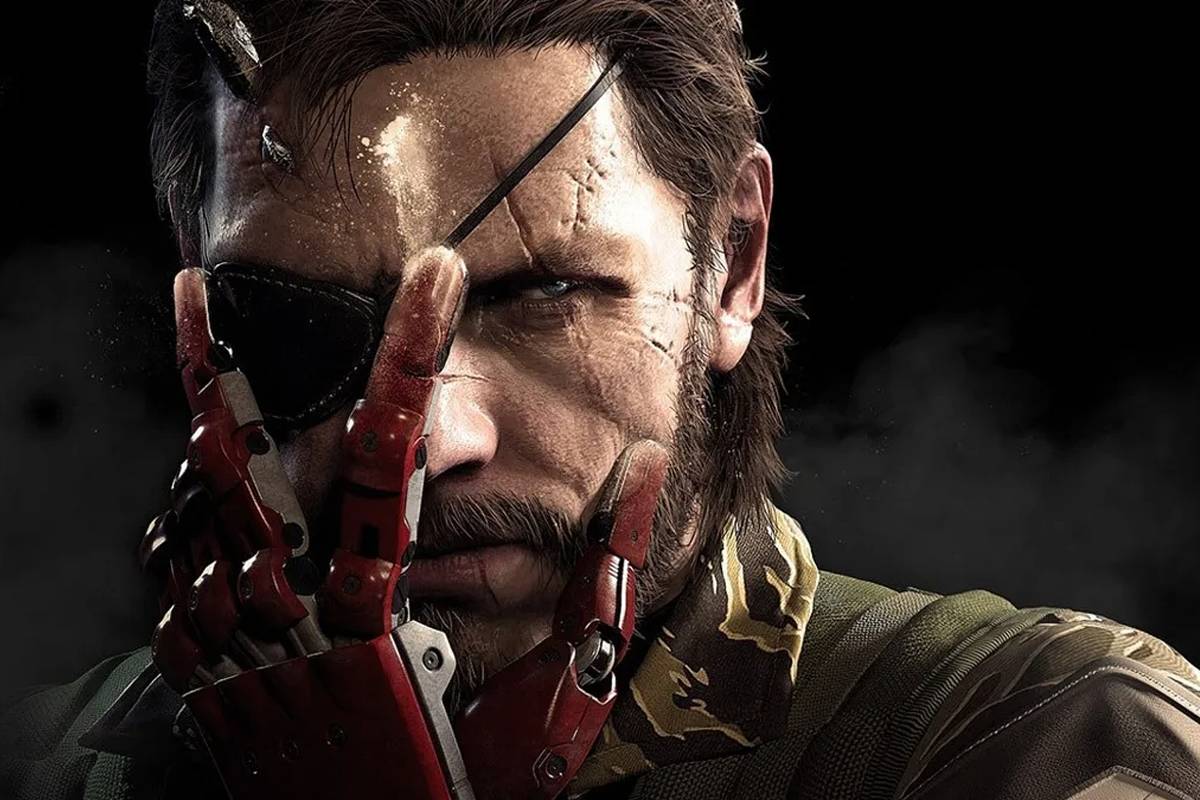
The birth of the franchise marked a paradigm shift in how developers approached digital storytelling and world-building. Before this series captured global attention, action games focused almost exclusively on high-score loops and mindless violence. Auteur director Hideo Kojima turned this dynamic on its head by forcing players to hide rather than fight. This simple design choice birthed tactical espionage action, a genre that prioritizes intellect over raw reflexes.
Historically, the series proved that interactive media could tackle adult themes with the nuance of premium cinema. From Cold War proxy conflicts to the rise of private military corporations, the narrative scope remained consistently vast and ambitious. The gameplay always mirrored these narrative themes, creating a ludonarrative harmony rarely seen in contemporary titles. Every stealth mission felt like a high-stakes heist where a single misstep meant instant death.
Hideo Kojima and Interactive Cinema
Kojima utilized long cinematic cutscenes, intricate camera angles, and deep voice acting to build unmatched player immersion. His work drew heavy inspiration from classic Hollywood directors like John Carpenter and Stanley Kubrick. This cinematic direction helped the original 1998 title on the PlayStation 1 feel like an interactive blockbuster movie. The game proved that technical limitations of early 3D hardware could not stifle visionary art. You can read more about his legendary directorial journey on his official Wikipedia page.
Breaking the Fourth Wall
The series is globally famous for shattering the division between the player and the software. Whether it was reading a radio frequency off the physical game packaging or plugging your controller into a different port to defeat a psychic boss, Kojima consistently challenged traditional gaming limits. These design choices forced you to interact with the physical world around you. This meta-narrative approach ensured that every player had an unforgettable, deeply personal experience that stayed with them long after the console was turned off.
Ranked Masterpieces: By The Numbers
Understanding the vast scope of this series requires looking at how these titles performed critically and commercially. Each masterpiece brought distinct innovations to the table, reshaping industry standards upon release. The table below highlights the critical acclaim and core elements that defined these legendary releases.
| Game Title | Release Year | Original Platform | Metacritic Score | Key Innovation |
|---|---|---|---|---|
| Metal Gear Solid | 1998 | PlayStation | 94/100 | Cinematic 3D Stealth |
| MGS2: Sons of Liberty | 2001 | PlayStation 2 | 96/100 | Post-Modern Narrative |
| MGS3: Snake Eater | 2004 | PlayStation 2 | 91/100 | Survival & Camouflage |
| MGS4: Guns of the Patriots | 2008 | PlayStation 3 | 94/100 | OctoCamo & War Zones |
| Metal Gear Rising: Revengeance | 2013 | PS3 / Xbox 360 | 83/100 (User Cult Classic) | Free-Slice Combat Mechanics |
| MGSV: The Phantom Pain | 2015 | Multi-platform | 93/100 | Open-World Emergent Gameplay |
Analyzing these numbers reveals the incredible critical consistency maintained over three decades of development. Very few gaming franchises have managed to secure multiple scores above the 90-point threshold across entirely different hardware generations. This track record solidifies the series’ position as a crown jewel of interactive entertainment history.
By The Numbers: Financial and Critical Impact
The commercial success of the series matches its historical critical acclaim. With over 60 million units sold worldwide, it ranks among the most profitable stealth franchises in history. The 1998 PlayStation release alone sold over six million copies, proving that cinematic single-player experiences were highly lucrative. This financial power gave Kojima the freedom to take massive creative risks with his subsequent budgets and stories.
Deep Dive Into The Metal Gear Lore
To truly appreciate these games, you must understand the historical and philosophical context of their development. Each title was born from a specific political moment, reflecting real-world anxieties about nuclear proliferation, digital information control, and genetic engineering. Kojima used these complex real-world concerns to build an intricate timeline stretching from the Cold War to the near future.
The franchise’s narrative structure resembles a grand multi-generational epic. It contrasts the life of Big Boss, the tragic hero who lost faith in his country, with Solid Snake, his cloned son who fights to save a world he doesn’t fully trust. This generational conflict serves as the emotional backbone for the entire narrative. It elevates simple military operations into profound reflections on duty, legacy, and human freedom.
The Philosophical Underpinnings of Snake Eater
Set in the dense jungles of 1964 Soviet territory, the third main game stripped away the high-tech gadgets of previous entries. Players had to hunt for food, treat physical wounds using actual medical tools, and master survival mechanics. The narrative focused heavily on how shifting political alliances turn loyal soldiers into disposable tools of the state. The tragic ending remains one of the most emotional moments in interactive media history.

Expert Take: Tactical Espionage Auteurism
Industry analysts frequently point out how Kojima’s status in gaming mirrors that of a premier Hollywood filmmaker. Much like a bright celebrity director such as Quentin Tarantino or Christopher Nolan, his name alone sells millions of copies. You can explore more about his cinematic influence and credits on his official IMDb page. This unique status allowed him to control every aspect of production, from music selection to menu UI design. This meticulous attention to detail is why these games feel so distinct from sterile, corporate-driven blockbusters.
Why These Six Metal Gear Games Endure
Each of these six titles succeeded because they pushed their target hardware to absolute limits while offering entirely unique experiences. Let us break down exactly what makes each of these six games an unmitigated 10/10 masterpiece that you should replay today.
Metal Gear Solid (1998)
The 1998 masterpiece built upon the 2D foundations of the original MSX titles. Despite the pixelated limitations of the PlayStation 1, the game delivered an incredibly atmospheric experience inside the snowy military base of Shadow Moses. The level design felt closer to modern Metroidvanias, encouraging exploration and backtracking. It proved that video games could tell complex, cinematic stories with professional voice acting and memorable boss fights.
Metal Gear Solid 2: Sons of Liberty (2001)
This sequel is consumer-tech history’s most prophetic piece of media. Released in 2001, it accurately predicted the rise of social media echo chambers, fake news, and algorithmic control of public discourse. Kojima took a massive risk by replacing the beloved protagonist, Solid Snake, with the rookie agent Raiden. This shocking twist alienated many fans at the time but is now recognized as a brilliant post-modern masterstroke.
Metal Gear Solid 3: Snake Eater (2004)
This prequel took the series back to the origins of the entire conflict. Replacing concrete military corridors with a living, breathing jungle forced players to adapt to a brand-new style of play. The game introduced deep survival mechanics, requiring you to manage stamina, heal fractured bones, and catch wild animals. The final battle against The Boss in a field of white flowers remains a stunning high point for artistic game design.
Metal Gear Solid 4: Guns of the Patriots (2008)
This title served as the ultimate cinematic celebration for the entire franchise. Starring an aged, dying Old Snake, the game wrapped up dozens of complex narrative threads in a grand, spectacular fashion. It is famous for its massive, movie-length cutscenes, including one that runs for nearly ninety minutes. While some criticized the narrative density, the game remains a triumph of PS3 hardware utilization and cinematic execution.
Metal Gear Rising: Revengeance (2013)
Developed by Platinum Games, this spin-off successfully pivoted the franchise from quiet stealth to high-octane character action. You control Raiden as he slices through cyborg enemies and massive bipedal tanks with a high-frequency blade. The game embraces absolute absurdity, culminating in a legendary battle against a nanomachine-infused US senator. It remains a flawless masterpiece because it maintains the series’ political themes while offering unmatched action gameplay.
Metal Gear Solid V: The Phantom Pain (2015)
This final mainline entry represents the absolute mechanical peak of the stealth genre. The open-world sandbox of Afghanistan and Africa gives players unprecedented freedom to tackle objectives however they see fit. The Fox Engine delivered photorealistic visuals and buttery-smooth gameplay that still outclasses modern titles today. While its narrative suffered from development troubles and Kojima’s public split with Konami, its mechanical perfection is undeniable.
Frequently Asked Questions
Which Metal Gear game is considered the absolute best?
While opinions vary, Metal Gear Solid 3: Snake Eater is most frequently cited by fans and critics as the absolute best game in the series due to its emotional narrative, historical setting, and brilliant survival gameplay mechanics.
Can you play Metal Gear Solid 4 on modern consoles?
For a long time, Metal Gear Solid 4: Guns of the Patriots was locked on the PlayStation 3 hardware due to its highly specialized architecture. However, recent preservation efforts and rumors of upcoming master collections suggest that modern ports are finally on the horizon for current platforms.
Do you need to play the Metal Gear games in chronological order?
It is generally recommended to play the games in release order rather than chronological order. Playing by release date allows you to experience the natural evolution of the gameplay mechanics and appreciate how the prequels recontextualize the events of previous games.
What is Metal Gear Solid Delta: Snake Eater?
Metal Gear Solid Delta: Snake Eater is an upcoming faithful remake of the original 2004 masterpiece. It aims to recreate the iconic gameplay and story of the original using cutting-edge Unreal Engine 5 visuals while keeping the original voice acting intact.
The Unending Future of the Franchise
In retrospect, the legacy of this incredible franchise is secure. Even as the gaming industry shifts toward microtransactions and live-service models, these single-player masterpieces stand as testaments to what creative vision can achieve. The legendary runs of Hideo Kojima have inspired generations of game designers to view interactive media as a serious artistic canvas.
Whether you are a seasoned veteran returning to Shadow Moses or a newcomer preparing for the upcoming remake, the magic of this series remains fully intact. There truly is nothing quite like **Metal Gear**, and there likely never will be again. Replaying these six masterpieces is the perfect way to celebrate one of the greatest eras in digital entertainment history.
More Like This
For more updates, check out our latest entertainment and sports news.