
Key Takeaways
| The McLead Dam in Garfield was nearly breached in September 2024 after heavy rains. |
| New Mexico currently has $5.8 billion in unspent capital funds earmarked for state infrastructure. |
| The dam lacks an approved emergency action plan according to federal and state records. |
| Recent storms highlighted a critical need for structural upgrades to protect Hatch Valley residents. |
McLead Dam safety concerns have reached a boiling point after a series of torrential rain events nearly triggered a catastrophic breach in New Mexico’s Hatch Valley. You might be surprised to learn that while millions in funding have been allocated for rehabilitation, red tape and administrative stalling have left essential flood control infrastructure in a state of dangerous decay. As the McLead Watershed Board faces intense scrutiny, local residents are left to wonder why a structure rated as having a high hazard potential remains vulnerable to even moderate weather events.
The current situation serves as a chilling reminder of the state’s crumbling water management systems. For decades, the McLead Dam—an earthen structure originally built in 1951—has required significant repairs to meet modern safety standards. With the Office of the State Engineer flagging poor maintenance and insufficient spillway capacity, the recent near-breach in September proves that the time for bureaucratic delays has officially run out. Understanding the state of McLead Dam safety is vital for those living in the shadow of this infrastructure, as local officials continue to grapple with the consequences of long-standing neglect.
Analyzing McLead Dam Safety and Infrastructure
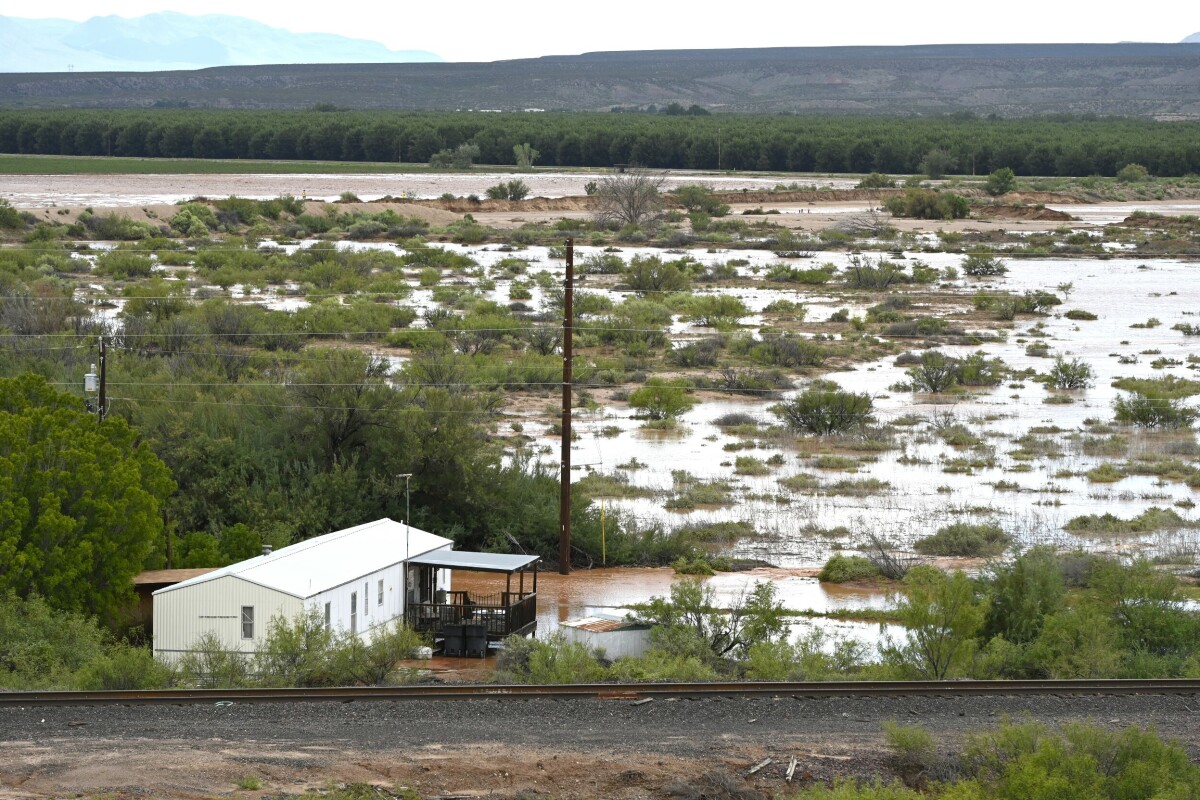
The history of the McLead Dam is a narrative of failed expectations and delayed maintenance. Originally completed over seven decades ago, the structure was replaced in 1993, yet it has spent much of its service life in poor condition. During a 2023 inspection, state authorities highlighted that the dam featured corrugated metal pipes that are no longer considered acceptable for modern water infrastructure due to rapid corrosion vulnerability. These aren’t just minor oversight issues; they are structural failures that directly threaten the communities of Garfield, Hatch, and Rincon.
Furthermore, the lack of an emergency action plan (EAP) remains a significant point of contention. Without a verified EAP in the National Inventory of Dams, local authorities were forced to act on the fly during the late September storms. This ad-hoc response, which included manual pumping of captive stormwater to ease pressure on the earthen dam, was a temporary fix that ultimately saved the community from a disastrous breach. Reliance on such emergency manual intervention is an indictment of the current management strategy.
The Role of Unspent Capital Funds
Legislative reports from the 2025 fiscal year paint a frustrating picture for taxpayers. Despite the clear and present danger, approximately $5.8 billion in authorized state capital funds remains locked in accounts, unspent and sitting idle. Within the dam rehabilitation category alone, nearly $27 million allocated between 2021 and 2025 has failed to reach the projects that need it most. This capital, which could be used to widen spillways and replace outdated outlet conduits, is currently serving no purpose while residents pay the price in property damage and psychological stress.
Experts often point to a disconnect between legislative appropriation and the bureaucratic execution of engineering permits. Even when money is allocated, the Dam Safety Bureau must review and authorize structural modifications. However, records indicate that for the McLead facility, no official permit applications for required repairs have been processed since the 2023 inspection. This cycle of inaction is a common theme in regional infrastructure updates across New Mexico, where arroyos and levees are similarly neglected.
Critical Flood Control Metrics and Data
| Metric | Recorded Data / Status |
|---|---|
| Dam Classification | High Hazard Potential |
| Spillway Capacity | Insufficient (16% of requirement) |
| Key Risks | Erosion, Vegetation, Corrosion |
| Storm Impact (Sept 2024) | Evacuation Orders Issued |
The Elephant Butte Irrigation District reported that in September alone, they captured over 1.8 billion gallons of water. While much of this water is repurposed for agricultural irrigation and aquifer replenishment, the sheer volume during intense storm events puts an unsustainable burden on outdated dams. For context, the McLead dam was only permitted to hold water for a maximum of 96 hours post-event. When infrastructure is pushed beyond its design thresholds, the risk of breach scales exponentially, as seen during the heavy rains that moved in from the West Coast.
Historical Context and Expert Insights

From a historical perspective, the 1987 failure of the original dam serves as a tragic lesson that many fear is being ignored. Professional engineers have warned that the proximity of the current spillway to occupied residences is a massive design liability. An expert analysis of Southwestern infrastructure risks often highlights that earthen dams require rigorous, recurring maintenance that exceeds standard utility oversight. Vegetation growth on upstream slopes is not just aesthetic—it creates root systems that compromise the structural integrity of the earthen wall.
The Doña Ana County approach to these emergencies has been proactive, yet they are essentially playing defense against a ticking clock. By implementing the Ready, Set, Go evacuation system, the county successfully protected citizens, but as Emergency Manager Amanda Bowen noted, the goal should be to avoid placing people in harm’s way entirely. The lack of a clear response from the McLead Watershed Board when queried by media outlets only heightens the need for increased oversight and transparency from local governing bodies.
People Also Ask
What happened with the McLead Dam during the September storms?
During torrential rain in late September 2024, the McLead Dam nearly breached, forcing Doña Ana County to issue mandatory evacuation orders for residents in Garfield and the surrounding Hatch Valley. County crews were dispatched to manually pump stormwater downstream to reduce pressure and prevent a total failure.
Why is the McLead Dam considered a high hazard?
The dam was elevated to a ‘high’ hazard rating in 2020 due to its poor condition, lack of proper spillway capacity, and proximity to residential areas. If the dam were to fail, the resulting flooding would pose a significant threat to human life and local infrastructure.
How does unspent capital funding affect New Mexico dams?
Billions in state capital funds remain unspent, preventing necessary maintenance and rehabilitation of aging dams like McLead. This creates a dangerous gap between the authorized need for repairs and the physical reality of the state’s crumbling infrastructure.
Who is responsible for the maintenance of the McLead Dam?
The McLead Watershed Board, which operates under the Caballo Soil and Water Conservation District, is the dam’s owner of record. They are responsible for ensuring inspections are conducted and that maintenance procedures are followed to ensure public safety.
Future Outlook for Regional Safety
The path forward requires more than just reactive emergency management; it demands a radical shift in how New Mexico prioritizes dam rehabilitation. If the state is to avoid a repeat of past disasters, there must be a streamlined process to deploy the billions in idle funds toward critical safety updates. The residents of the Hatch Valley deserve infrastructure that is capable of handling the volatile climate realities of the 21st century. Maintaining the current status quo regarding McLead Dam safety is no longer a viable option, and continued inaction risks far more than just financial loss; it threatens the very communities that call the Hatch Valley home. You can keep track of ongoing updates via local news resources as the county continues to assess damages and push for legislative action.
More Like This
For more updates, check out our latest entertainment and sports news.