Do you believe that Marvel Movies have finally reached their absolute cultural peak, or are we just scratching the surface of superhero storytelling? You have likely spent hundreds of hours in theater seats watching caped crusaders save the world, but not every film is created equal in the eyes of the die-hard fan base. While critics often focus on technical jargon, the real pulse of the industry comes from platforms like Letterboxd, where cinephiles voice their unfiltered opinions.
Understanding which projects resonate most requires looking past the massive box office numbers and digging into the emotional core of these stories. The ranking of these films shows a fascinating shift from standard action tropes to deeply personal, auteur-driven narratives that challenge what a blockbuster can be. You might be surprised to find that some of the highest-rated entries aren’t even part of the main cinematic timeline.
To navigate the vast landscape of Marvel Movies, we have analyzed the most recent data from Letterboxd to bring you a comprehensive guide to the best of the best. This isn’t just about explosions and special effects; it is about the scripts, the performances, and the visionary direction that transformed comic book panels into modern myths. Get ready to dive into the definitive list of cinematic triumphs that have defined a generation of entertainment.
Marvel Movies Origin Greatness
The journey of modern Marvel Movies began as a massive financial gamble that many industry insiders expected to fail. Back in 2008, Jon Favreau was tasked with bringing a second-tier character to life with a relatively modest budget and a lead actor, Robert Downey Jr., who was seeking a career redemption. The result was Iron Man, a film that leaned heavily on character-driven dialogue and a live-wire performance rather than just CGI spectacle. This film didn’t just start a franchise; it changed the DNA of Hollywood forever by proving that audiences craved charismatic, flawed heroes.
Before the MCU was even a thought, Sam Raimi was busy setting the gold standard for the genre with his Spider-Man trilogy. In 2002, Tobey Maguire swung into theaters, breaking the $100 million opening weekend barrier for the first time in history. Raimi brought a pulpy, mischievous energy to the screen, blending his horror roots with a sincere coming-of-age story. It remains a masterclass in how to introduce a hero to the world while keeping the stakes grounded and relatable.
The Golden Era
- Iron Man (2008): The film that prioritized Tony Stark over the suit, creating a new type of movie star.
- Spider-Man (2002): A nostalgic powerhouse that proved superheroes could dominate the global box office.
- The Avengers (2012): Joss Whedon proved that team-up movies weren’t just possible; they were essential.
By the time 2012 rolled around, the ambitious promise of a shared universe culminated in The Avengers. This was the moment the industry realized that interconnected storytelling was the future of the medium. The film succeeded not because of the alien invasion in New York, but because of the bickering and chemistry between the leads. Seeing Chris Evans and Robert Downey Jr. trade barbs was the real special effect that kept audiences coming back for more.

Directorial Vision Impacts Rankings
When the formula for Marvel Movies started to feel repetitive, specific directors stepped in to break the mold. James Gunn is perhaps the best example of this, taking a group of obscure characters in Guardians of the Galaxy and turning them into household names. By using a curated mixtape of 70s hits and focusing on themes of found family and grief, Gunn infused the genre with a much-needed blast of personality. His 2014 debut and the emotional 2023 conclusion, Vol. 3, both stand as high-water marks for the studio.
The Russo Brothers also shifted the tone of the franchise when they moved from TV comedy to directing Captain America: The Winter Soldier. They drew inspiration from 70s political thrillers like Three Days of the Condor, casting Robert Redford to ground the story in a sense of surveillance-state dread. This approach made Steve Rogers more than just a patriotic symbol; it turned him into a man out of time fighting a corrupt system. It is often cited by fans as the smartest entry in the entire series because of its tighter script and visceral action.
Auteur Driven Success
- James Gunn: Transformed the cosmic side of the universe with humor and heart.
- James Mangold: Delivered a gritty, R-rated western take on Wolverine in Logan.
- The Russos: Mastered the art of balancing massive ensembles in high-stakes crossovers.
You cannot discuss directorial vision without mentioning Logan, released in 2017. Directed by James Mangold, this film stripped away the colorful costumes and world-ending stakes for a raw, blood-soaked story about mortality. Hugh Jackman and Patrick Stewart gave career-best performances, proving that superhero films can be legitimate contenders for serious awards and deep emotional analysis. It sits high on the Letterboxd rankings because it refuses to play by the standard rules of the genre.
Marvel Movies Critical Data
To truly understand the hierarchy of these films, we must look at the hard numbers provided by the user base. Letterboxd uses a weighted system that accounts for the sheer volume of reviews, ensuring that a cult hit with ten reviews doesn’t outrank a blockbuster with millions. This data reflects the evolving tastes of fans who have grown up with these characters over the last two decades. You can stay updated on the latest entertainment news trends to see how these rankings shift as new films are released.
| Movie Title | Letterboxd Score | Key Talent |
|---|---|---|
| Across the Spider-Verse | 4.4 | Shameik Moore |
| Into the Spider-Verse | 4.4 | Hailee Steinfeld |
| Logan | 4.1 | Hugh Jackman |
| Infinity War | 4.1 | Josh Brolin |
| Endgame | 4.0 | Robert Downey Jr. |
The stats reveal a clear trend: animation and gritty character studies are currently outperforming the traditional ensemble blockbusters. While Avengers: Infinity War remains a massive favorite for its daring ending and the introduction of Thanos, it is the Spider-Verse films that have captured the imagination of the modern viewer. These films represent a shift toward maximalist art styles that honor the medium of comic books more directly than live-action ever could.
Animation Redefines Superhero Cinema
Animation has become the secret weapon for Marvel Movies to push the boundaries of visual storytelling. In 2014, Disney released Big Hero 6, a loose adaptation of an obscure comic that focused on the bond between a boy and a healthcare robot named Baymax. It won an Academy Award and proved that family-friendly animation could carry the same emotional weight as any live-action project. It currently holds a strong 3.9 rating, proving its lasting legacy among fans.
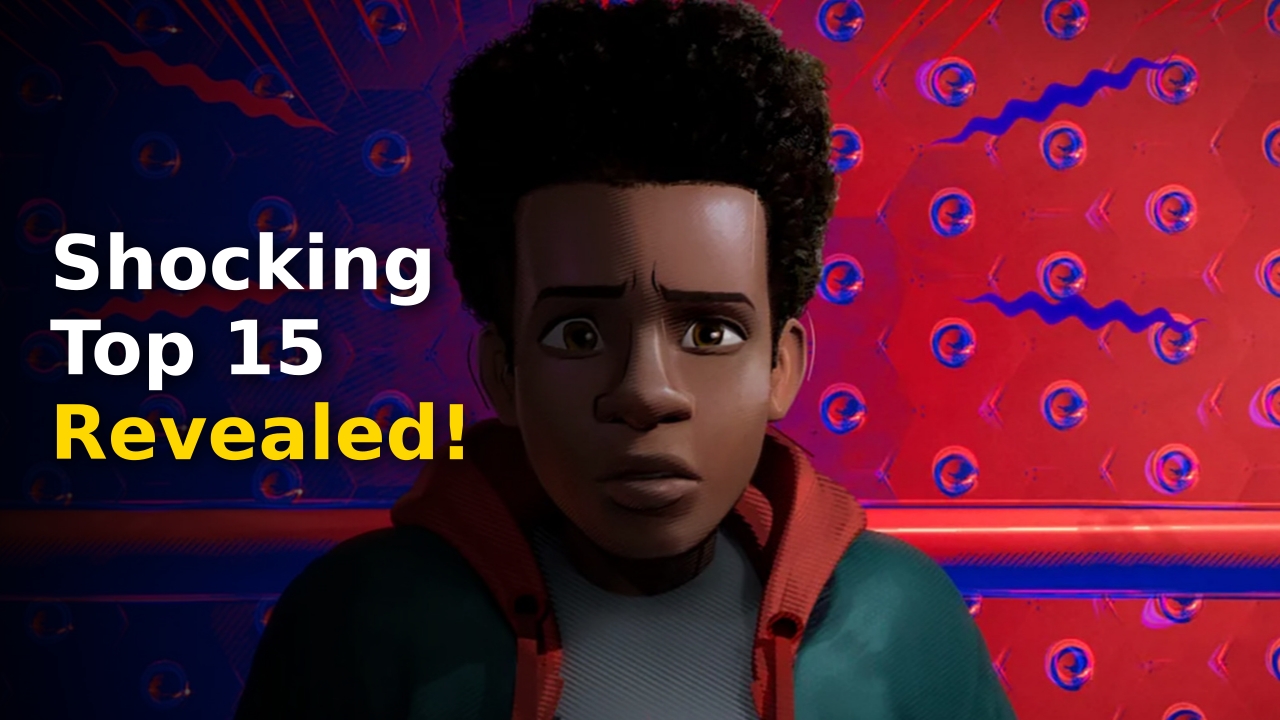
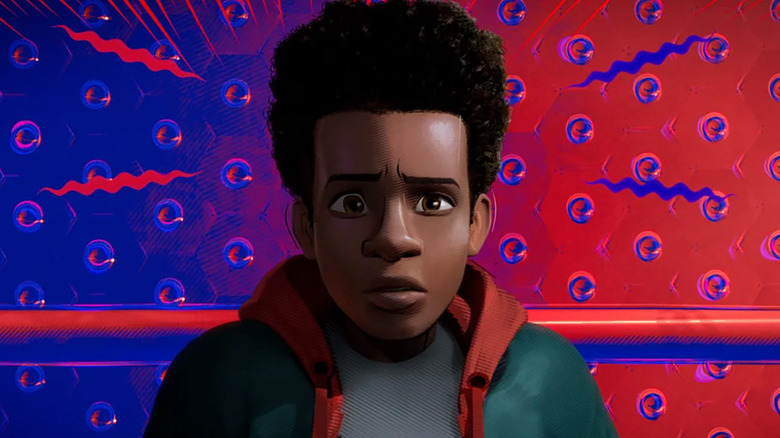
However, the real game-changer was Spider-Man: Into the Spider-Verse. It rejected the photorealistic style of most modern animation in favor of a look that feels like a living comic book. By mixing hand-drawn linework and halftone dots, it created a sensory experience that was unlike anything else in cinema. The story of Miles Morales resonated globally, offering a fresh perspective on the classic theme of responsibility while opening the door to the multiverse in a way that felt earned rather than gimmicky.
Visual Innovation Milestones
- Spider-Verse: Changed the industry standard for animation frame rates and texture.
- Big Hero 6: Successfully blended Eastern and Western aesthetics in San Fransokyo.
- Spider-Man 2 (2004): Though live-action, it used innovative camera rigs to mimic comic panels.
The sequel, Across the Spider-Verse, took this ambition even further by visiting multiple dimensions, each with its own distinct art style. From the watercolor bleeds of Gwen Stacy‘s world to the punk-rock collage of Spider-Punk, the film is a technical marvel. It currently shares the top spot on Letterboxd with its predecessor, suggesting that the future of the brand might be more colorful and experimental than we previously imagined.
Spider-Man Dominates Every Era
It is impossible to ignore the sheer dominance of Spider-Man within the world of Marvel Movies. Whether it is the classic Raimi era, the Andrew Garfield years, or the current Tom Holland run, the wall-crawler remains the most relatable hero in history. The recent success of No Way Home and the tonal shift in Brand New Day show that audiences are willing to follow Peter Parker through any multiversal madness as long as the heart of the character remains intact.
According to the official Marvel Cinematic Universe history, the character has been the linchpin for major franchise shifts. The inclusion of Tobey Maguire and Andrew Garfield in a single film was a moment of pure fan service that actually worked because it respected the emotional journeys of all three iterations. It allowed the studio to reset the character’s status quo, moving him away from high-tech gadgets and back to the grounded, street-level hero that fans first fell in love with decades ago.
Spider-Man’s Greatest Hits
- No Way Home: A nostalgic celebration that united three generations of fans.
- Spider-Man 2: Often cited as the greatest superhero movie ever made for its focus on the “Peter Parker problem.”
- Into the Spider-Verse: The origin story that redefined what it means to wear the mask.
As we look forward, the character’s path seems to be diverging into two successful lanes: the grounded live-action stories and the high-concept animated adventures. Both are thriving because they understand the core truth of the property: anyone can be behind the mask. This inclusivity, combined with top-tier writing and direction, is why Spider-Man continues to sit atop the Letterboxd rankings while other franchises struggle to maintain their momentum.
The Best Marvel Movies Verdict
Looking at the 15 best Marvel Movies, you can see a clear pattern of what makes a film stand the test of time. It is not about the size of the explosion; it is about the depth of the character. Whether it is Robert Downey Jr. building a suit in a cave or Miles Morales taking a leap of faith, these moments are what stay with us long after the credits roll. The Letterboxd community has spoken, and their choices highlight a preference for bold, artistic risks over safe, corporate sequels.
As you revisit these classics, notice how the themes of identity, sacrifice, and family weave through every single entry. From the gritty western vibes of Logan to the cosmic hilarity of the Guardians, these films have become a vital part of our cultural vocabulary. They represent the high point of blockbuster filmmaking, where artistry meets mass appeal in a way that few other genres can replicate. If you haven’t seen the top-rated animated entries yet, now is the perfect time to catch up on the highest form of superhero storytelling.
Ultimately, the success of these films comes down to the passion of the fans. By voting and reviewing on platforms like Letterboxd, you help shape the narrative of what makes a movie “great.” As the industry continues to evolve, these 15 films will serve as the benchmark for every project that follows. Keep an eye on the rising stars and new directors who are currently being hired to take the next generation of Marvel Movies into even more daring territory. The journey is far from over, and the best might still be yet to come.
More Like This
For more updates, check out our latest entertainment and sports news.